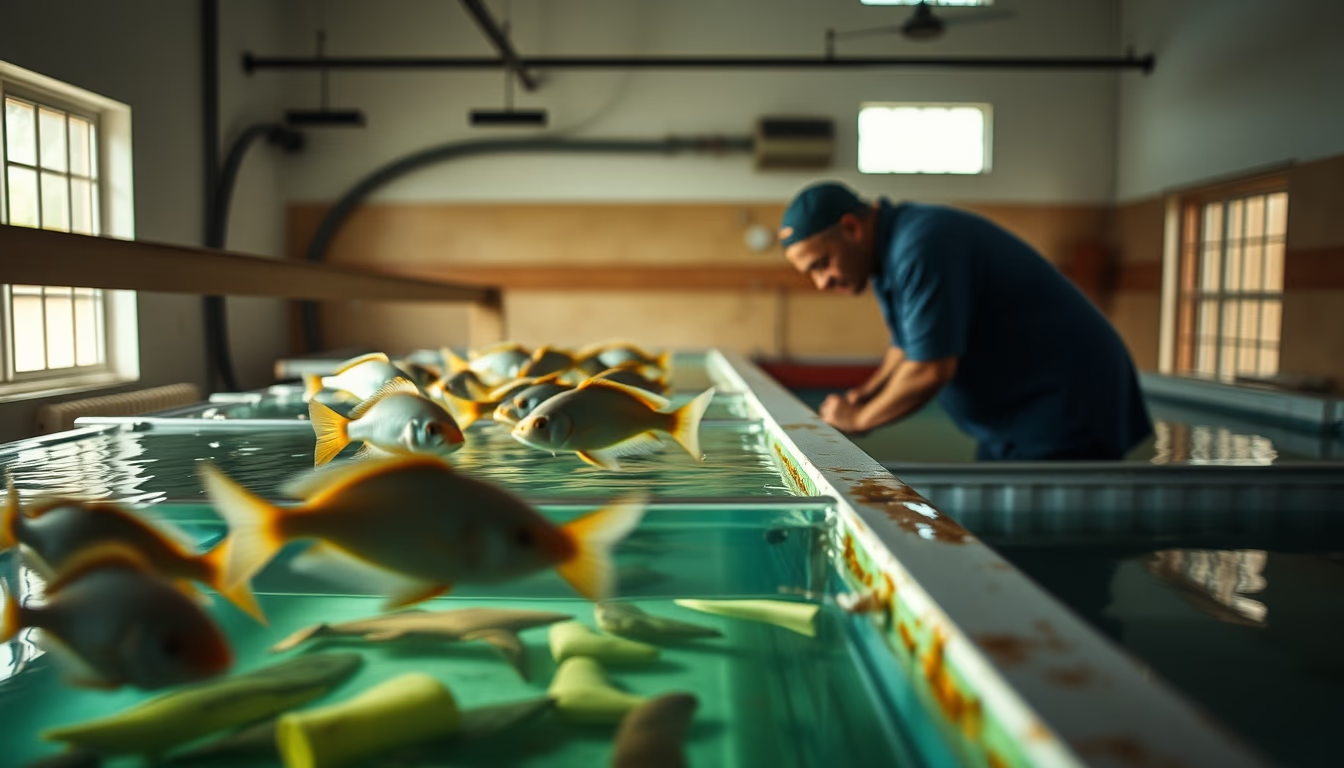
Tilapia tanks indoor
1344×768 · AVIF · CC BY 4.0
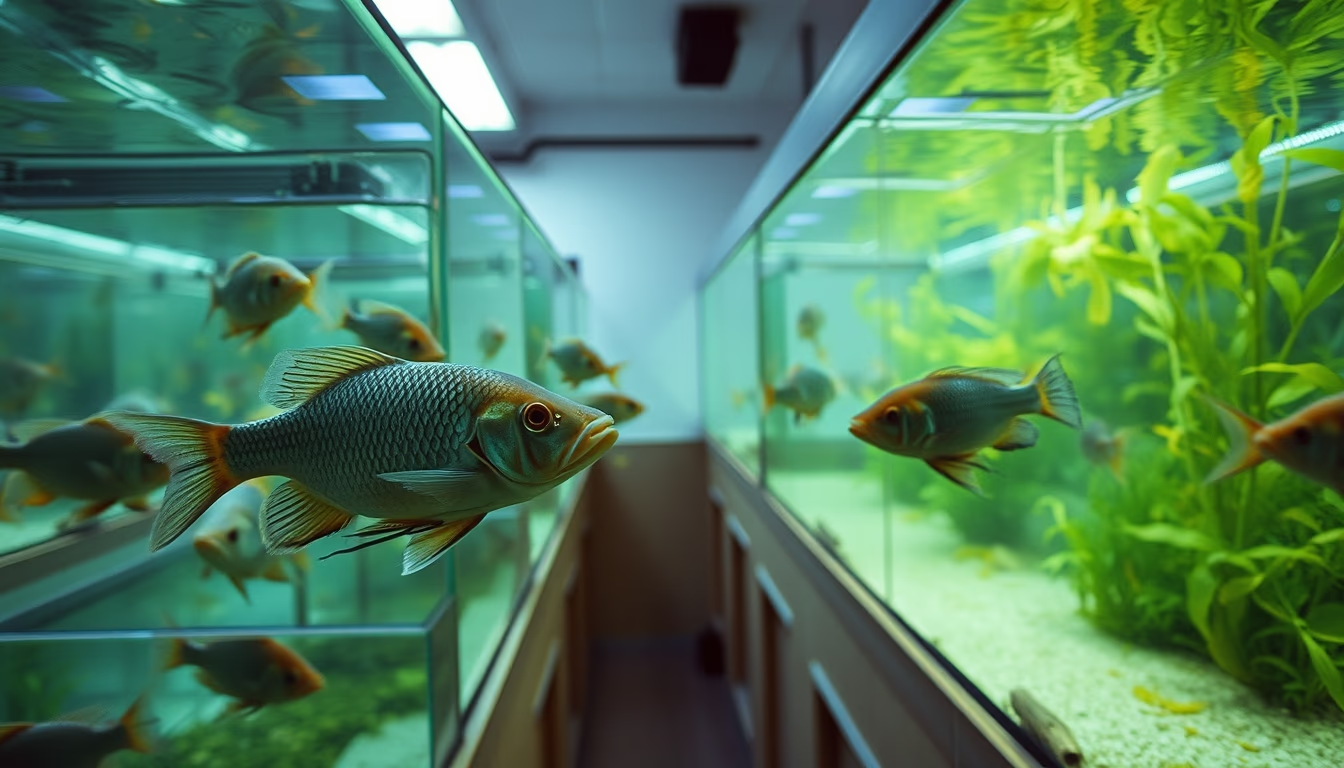
Indoor tilapia farming: a controlled system ensuring sustainable, high-quality production year-round.
About this subject
Tilapia is one of the most farmed fish globally, especially in indoor systems that offer control over temperature, water quality, and feeding. This method reduces disease and parasite risks while preventing pollution of natural water bodies. In Brazil, indoor tilapia farming grows due to demand for affordable protein and the need for production in areas with water scarcity or limited land.
Indoor tanks can be made of concrete, fiberglass, or liner, and many use recirculating aquaculture systems (RAS) that filter and reuse up to 95% of water. This makes the activity more water-efficient and allows production near urban centers, cutting logistics costs. Tilapia adapts well to these conditions, being tolerant of high densities and having fast growth rates.
Feeding relies on balanced diets with ingredients like soybean meal and corn, and management aims to minimize stress. Ideal temperature ranges from 26 to 30°C, maintained by heaters or heat exchangers. In many indoor systems, artificial lighting regulates photoperiod to stimulate growth. Continuous production with partial harvests ensures a steady market supply.
Brazil is one of the world's top tilapia producers, particularly in Paraná, São Paulo, and Bahia states. Indoor farming is still a minority but is expected to expand with technological advances and incentives for sustainable aquaculture. Tilapia is valued for its white, mild-flavored meat, sold fresh or as frozen fillets.
Frequently Asked Questions
What are the advantages of indoor tanks for tilapia?
Indoor tanks provide full control over water parameters like temperature, oxygen, and quality, reducing mortality and disease. They also allow intensive production in urban areas with less water use and no environmental pollution.
What is the cost of implementing a RAS system for tilapia?
Initial investment is high, ranging from $25 to $50 per cubic meter of tank including pumps, filters, and heaters. However, higher productivity and lower risk pay off in the long run.
Is tilapia raised in indoor tanks of the same quality as pond-raised?
Yes, the meat quality is equal or better, as the controlled environment avoids earthy or algae flavors. Indoor tilapia often has lower fat content and firmer flesh.
Direct URL
https://pub-c7d6a6ea828543ac903a74a341ccb2e1.r2.dev/imagens/tilapia-tanks-indoor-film-grain-authentic-fresh10.avifHow to credit
Include a visible link back to UtilizAí. Copy one of the snippets below:
<a href="https://xn--utiliza-eza.com/en/midia/imagens/tilapia-tanks-indoor-film-grain-authentic-fresh10">Tilapia tanks indoor</a> by <a href="https://xn--utiliza-eza.com">UtilizAí</a>, licensed under <a href="https://creativecommons.org/licenses/by/4.0/">CC BY 4.0</a>.
[Tilapia tanks indoor](https://xn--utiliza-eza.com/en/midia/imagens/tilapia-tanks-indoor-film-grain-authentic-fresh10) by [UtilizAí](https://xn--utiliza-eza.com), CC BY 4.0
License: CC-BY-4.0