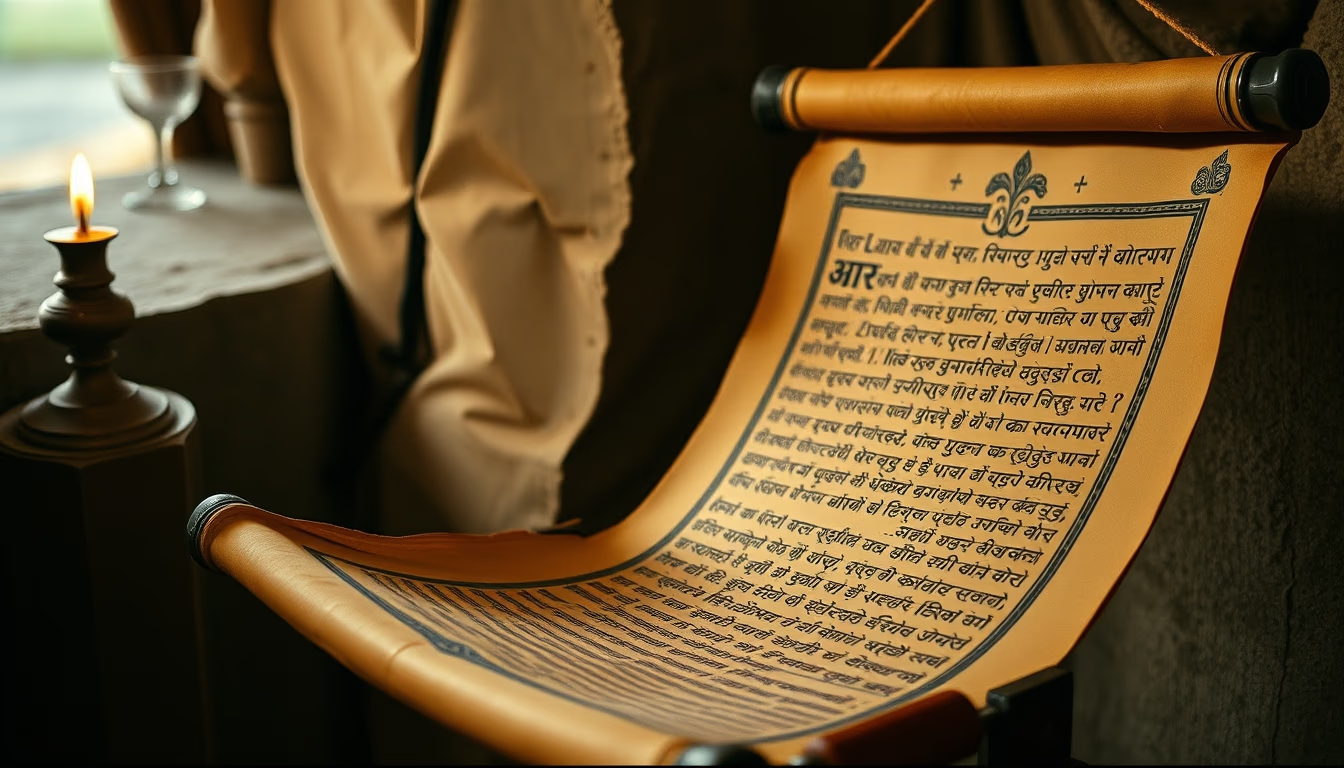
Tibetan calligraphy gold
1344×768 · AVIF · CC BY 4.0
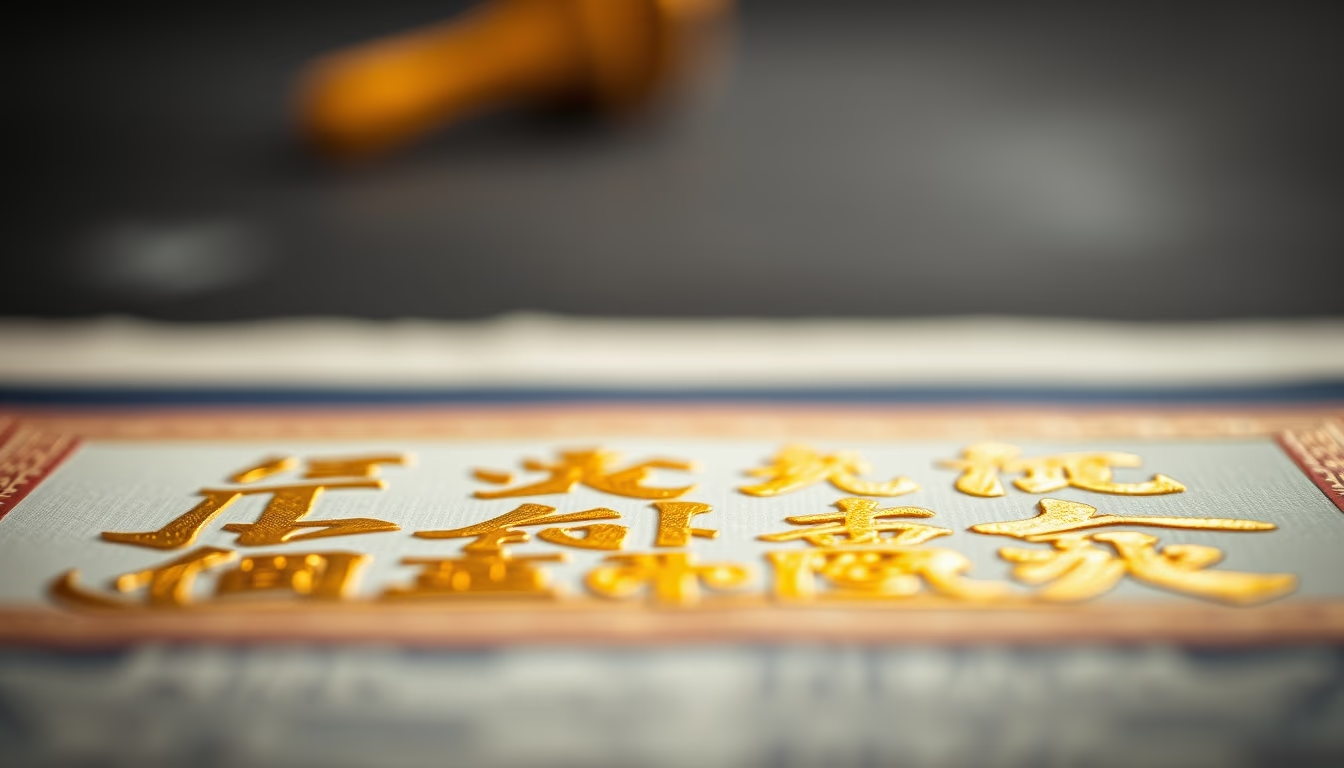
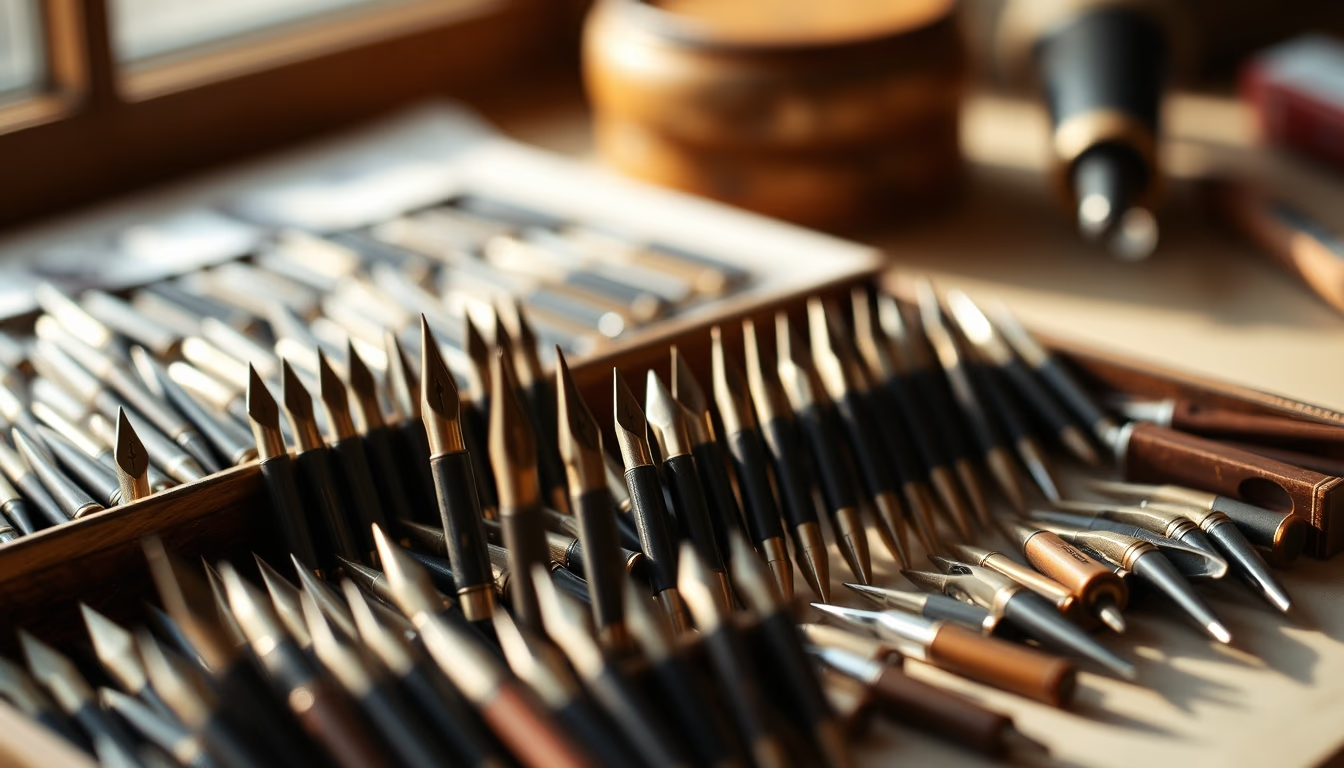
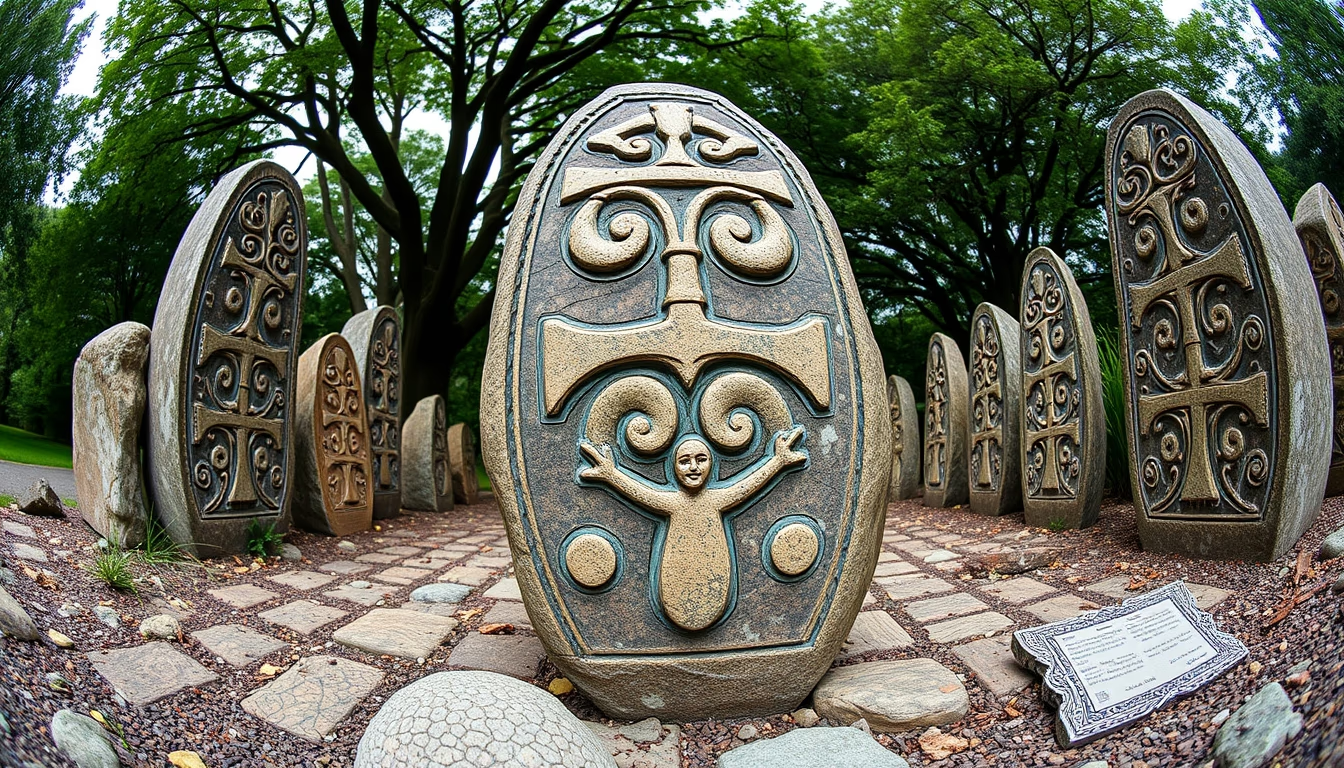
Gold Tibetan calligraphy is a sacred art form blending religious scripture with ornamental technique, used in Buddhist manuscripts and murals.
About this subject
Tibetan calligraphy has a long tradition dating back to the 7th century, when King Songtsen Gampo sent scholars to India to develop a writing system based on Sanskrit. The Tibetan alphabet, consisting of 30 consonants, is derived from the Gupta script and was adapted to transcribe Buddhist teachings. The use of gold ink, made from gold powder mixed with glue and water, is reserved for sacred texts and high devotional works, symbolizing enlightenment and spiritual purity.
The application of gold in calligraphy requires extreme precision and patience. Master calligraphers use fine bamboo or metal brushes, and the surface of paper or wood is often treated with a white clay base to enhance the metal's shine. Manuscripts such as the Kangyur, the collection of Buddha's discourses, and the Tengyur, philosophical commentaries, were frequently written in gold on palm leaves or black handmade paper. This practice not only preserved the text but also conferred an aura of reverence.
In Tibetan culture, gold calligraphy is not just an artistic technique but an act of meditation and offering. Monks dedicate years to calligraphy training to ensure every stroke is perfect, as it is believed that errors can lead to negative karmic consequences. Today, few artisans master this technique, and it is globally valued as intangible cultural heritage. The contrast between gleaming gold and dark backgrounds creates an aesthetic that evokes spiritual transcendence, often replicated in thangka paintings and temple decorations.
Frequently Asked Questions
What is the origin of Tibetan calligraphy?
Tibetan calligraphy originated in the 7th century when King Songtsen Gampo promoted a writing system based on the Indian Gupta alphabet to translate Buddhist texts from Sanskrit.
Why is gold used in Tibetan calligraphy?
Gold is used for its symbolism of enlightenment and spiritual purity, and also for durability and beauty. The gold ink is handmade from gold powder.
How is a Tibetan calligrapher trained?
Monks and artists spend years practicing stroke precision, studying posture, breathing, and concentration. Mastering calligraphy is seen as a meditative practice and religious service.
Direct URL
https://pub-c7d6a6ea828543ac903a74a341ccb2e1.r2.dev/imagens/tibetan-calligraphy-gold-tilt-shift-miniature-fresh15.avifHow to credit
Include a visible link back to UtilizAí. Copy one of the snippets below:
<a href="https://xn--utiliza-eza.com/en/midia/imagens/tibetan-calligraphy-gold-tilt-shift-miniature-fresh15">Tibetan calligraphy gold</a> by <a href="https://xn--utiliza-eza.com">UtilizAí</a>, licensed under <a href="https://creativecommons.org/licenses/by/4.0/">CC BY 4.0</a>.
[Tibetan calligraphy gold](https://xn--utiliza-eza.com/en/midia/imagens/tibetan-calligraphy-gold-tilt-shift-miniature-fresh15) by [UtilizAí](https://xn--utiliza-eza.com), CC BY 4.0
License: CC-BY-4.0