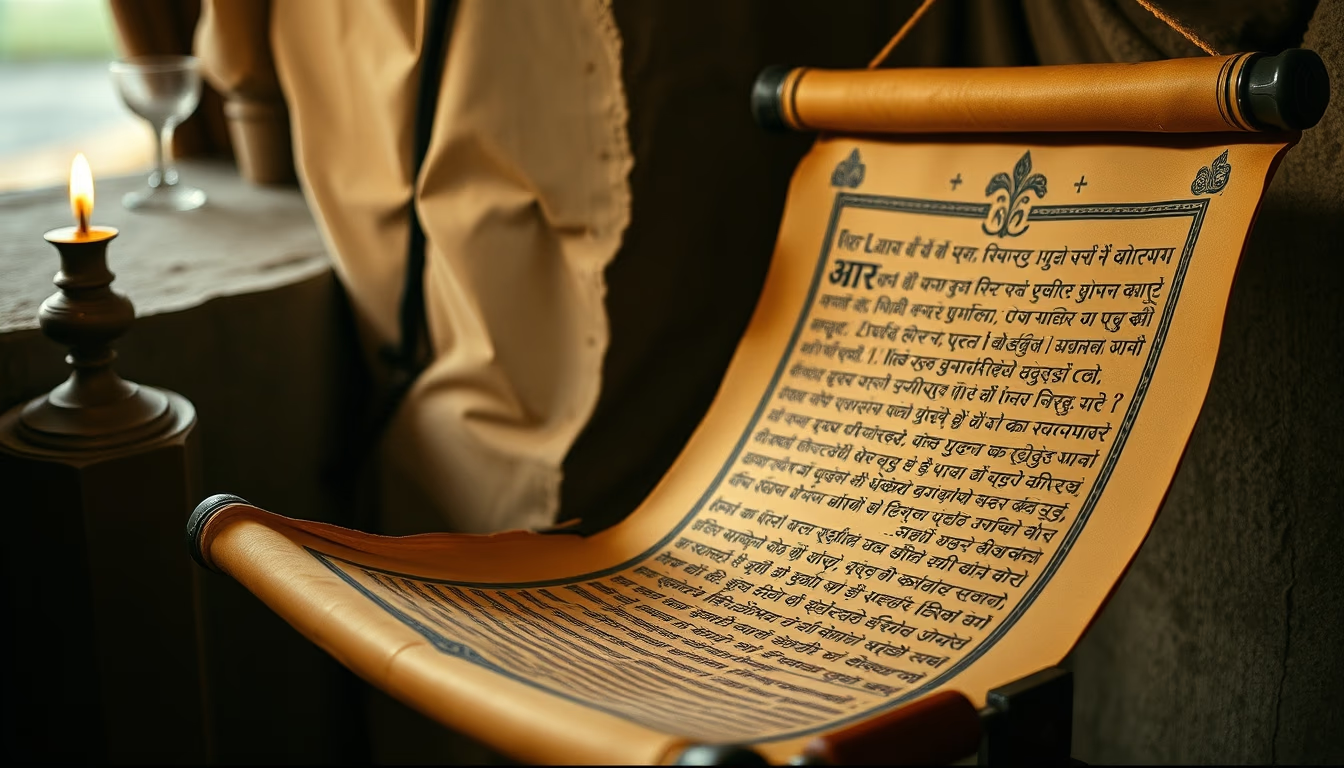
Tibetan calligraphy gold
1344×768 · AVIF · CC BY 4.0
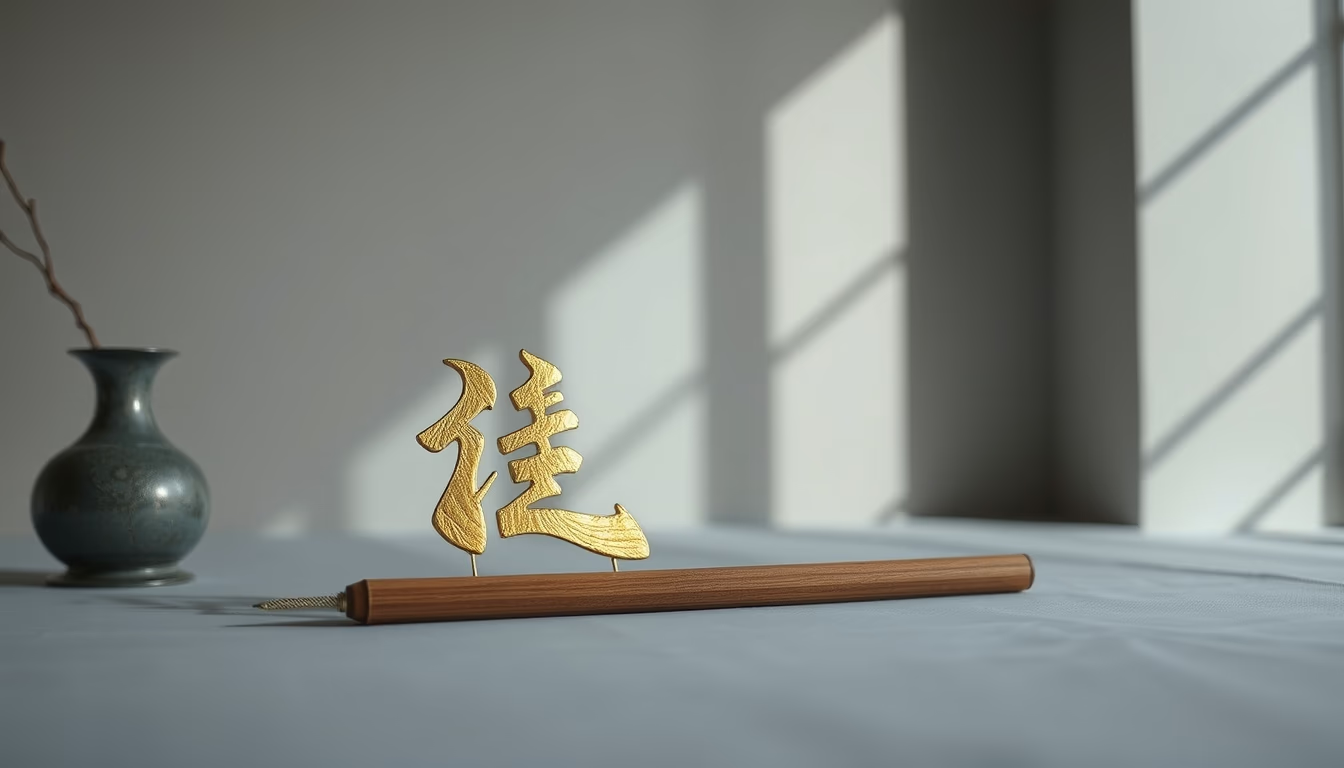
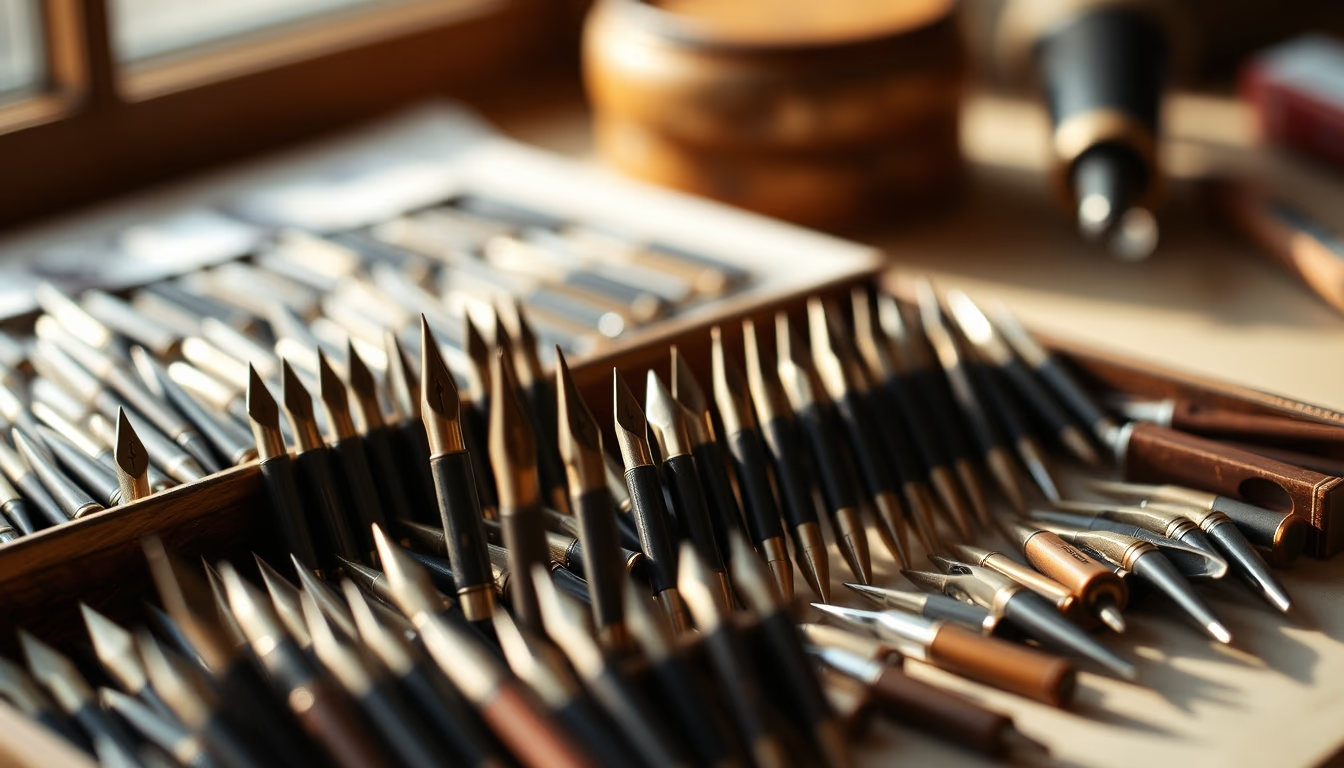
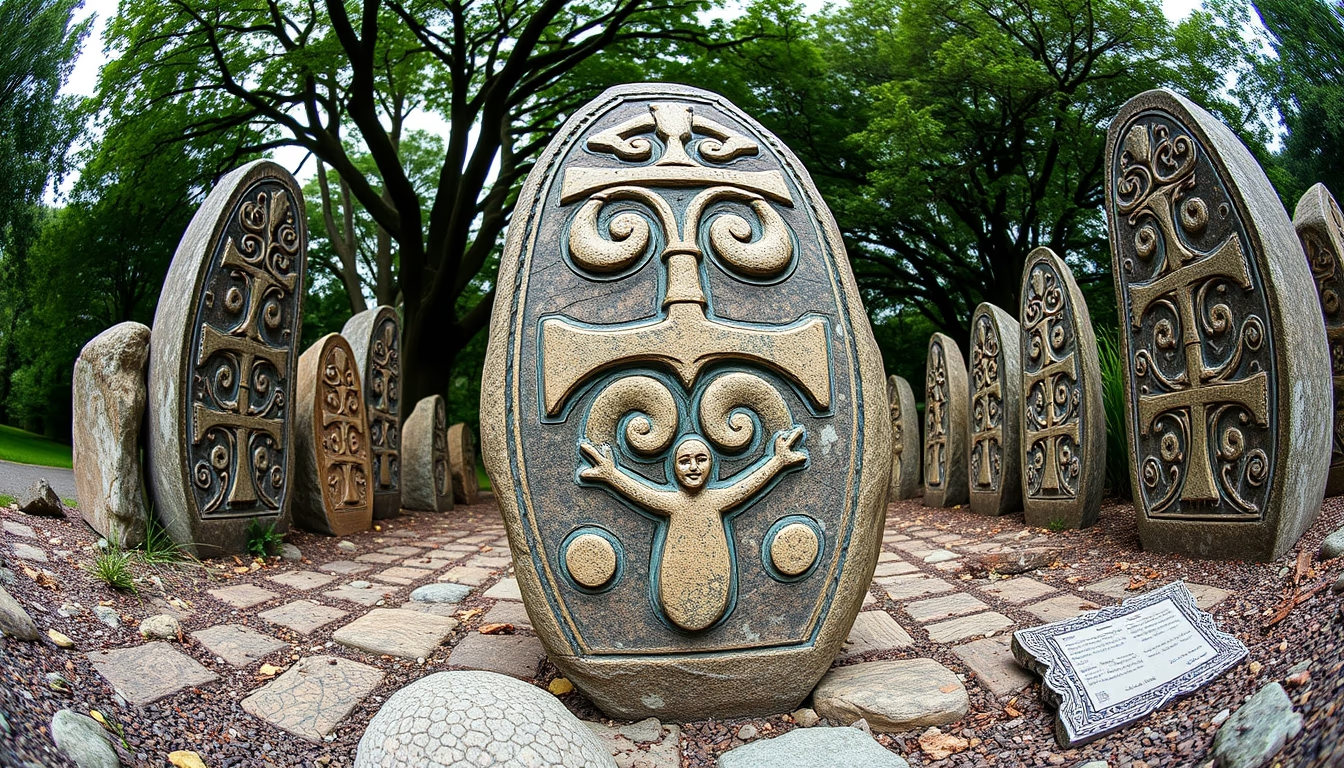
Tibetan calligraphy in gold is an ancient sacred art, combining technical precision with unique spiritual symbolism.
About this subject
Tibetan calligraphy traces its origins to the 7th century, when King Songtsen Gampo sent his minister Thonmi Sambhota to India to develop a writing system based on Devanagari and Gupta scripts. The result was the Tibetan alphabet, consisting of 30 consonants and 4 vowels, used to transcribe Buddhist texts and literary works. The practice of calligraphy is considered a form of active meditation, where each stroke demands concentration and respect for tradition.
The use of gold as pigment is reserved for special manuscripts, such as the Kanjur and Tanjur (Buddhist canons), and for high-value ritual texts. Gold is mixed with gum arabic and applied with fine bamboo or metal brushes. The golden ink not only embellishes the text but also symbolizes enlightenment and the purity of the dharma. Gold-illuminated manuscripts were often created in monasteries like Nalanda in Tibet or in Himalayan regions.
Tibetan calligraphy features various styles, such as uchen (headed), used for sacred texts, and umê (headless), more cursive for everyday use. The gold style often employs uchen, with broad, symmetrical letters highlighted by the gold's luster. Producing a single folio can take weeks, involving preparation of bark paper, polishing with stone, and careful ink application.
Interestingly, the art of Tibetan gold calligraphy nearly disappeared during the Chinese Cultural Revolution, when many monasteries were destroyed. Today, masters like Lama Chimey and contemporary artists work to preserve this technique, which is also used in thangkas and mandalas. Gold is not merely a precious material but a vehicle of devotion, where each letter becomes an offering.
Frequently Asked Questions
What is the spiritual significance of gold in Tibetan calligraphy?
Gold symbolizes enlightenment and the purity of the dharma. Texts written with golden ink are believed to carry special blessings and are used in important rituals.
How is golden ink made for Tibetan calligraphy?
The ink is prepared by grinding gold into a fine powder and mixing it with gum arabic and water. Application requires fine bamboo or metal brushes, and the manuscript is often polished to enhance the luster.
What are the main styles of Tibetan calligraphy?
The main styles are uchen (broad, straight letters used for sacred texts) and umê (more cursive, for everyday use). The gold style typically employs uchen.
Direct URL
https://pub-c7d6a6ea828543ac903a74a341ccb2e1.r2.dev/imagens/tibetan-calligraphy-gold-minimalist-composition-fresh2.avifHow to credit
Include a visible link back to UtilizAí. Copy one of the snippets below:
<a href="https://xn--utiliza-eza.com/en/midia/imagens/tibetan-calligraphy-gold-minimalist-composition-fresh2">Tibetan calligraphy gold</a> by <a href="https://xn--utiliza-eza.com">UtilizAí</a>, licensed under <a href="https://creativecommons.org/licenses/by/4.0/">CC BY 4.0</a>.
[Tibetan calligraphy gold](https://xn--utiliza-eza.com/en/midia/imagens/tibetan-calligraphy-gold-minimalist-composition-fresh2) by [UtilizAí](https://xn--utiliza-eza.com), CC BY 4.0
License: CC-BY-4.0