Tibetan calligraphy gold
1344×768 · AVIF · CC BY 4.0
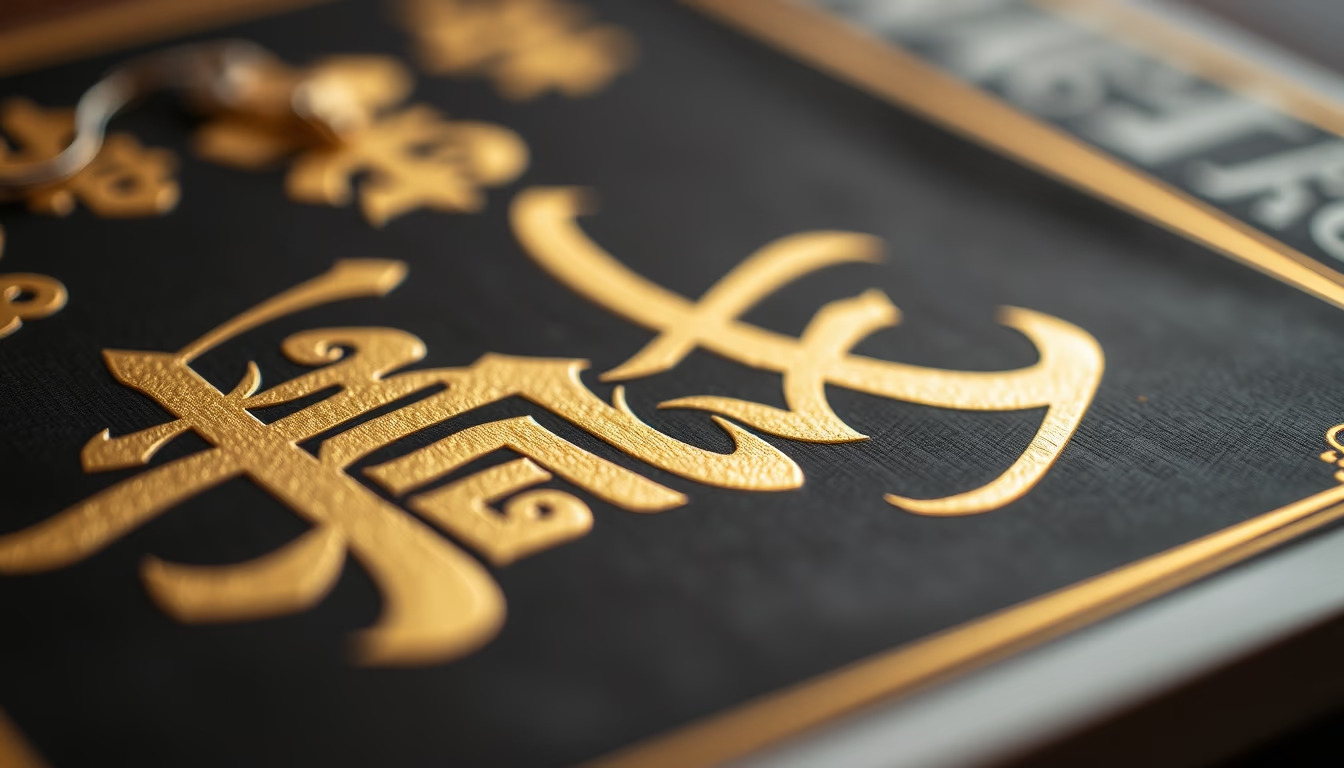
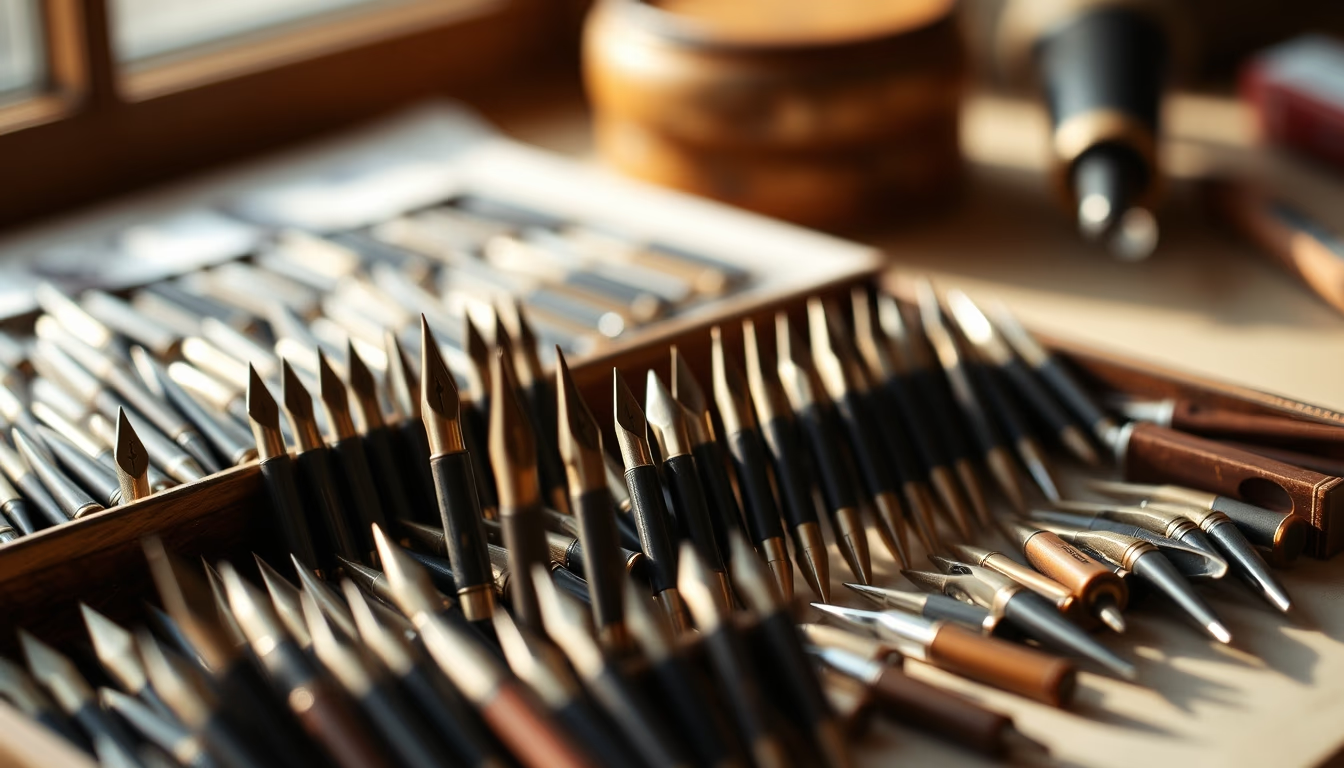
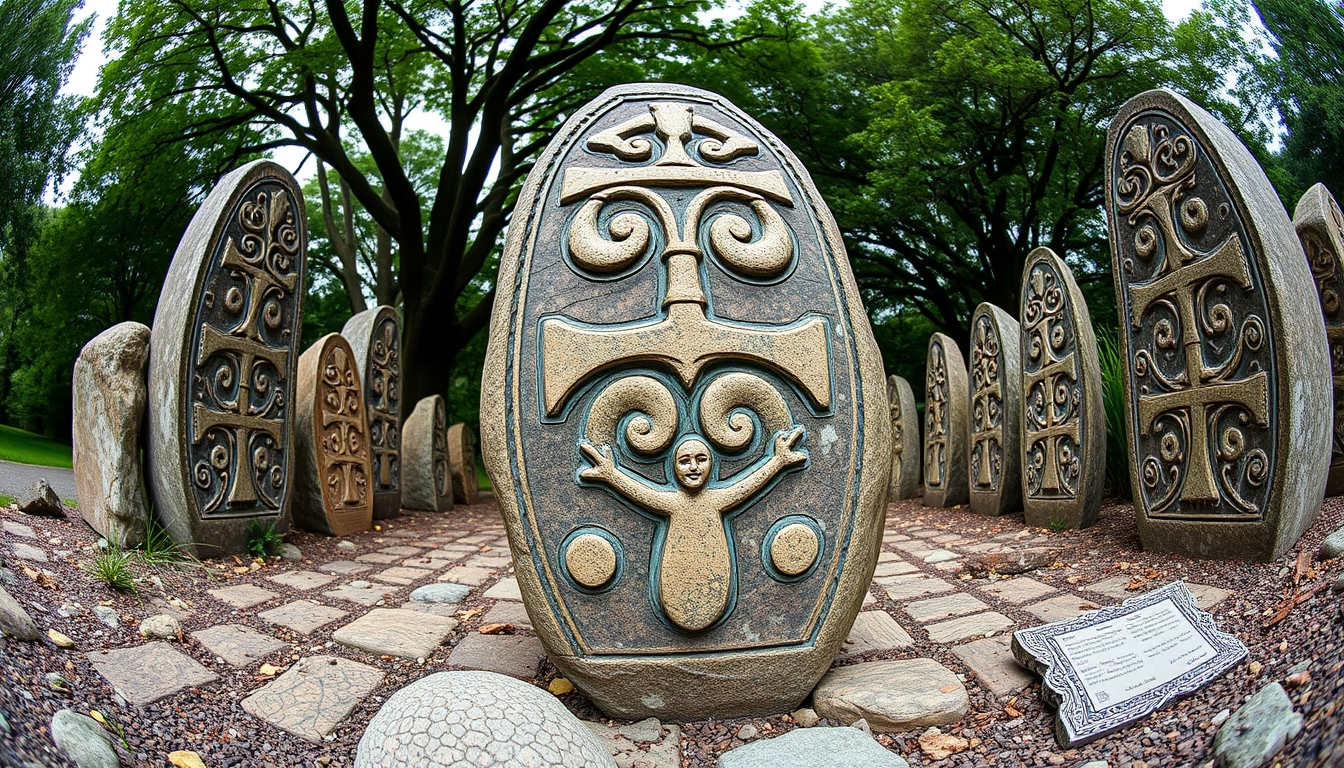
Tibetan calligraphy in gold: a sacred art combining writing and spirituality on the Himalayan plateau.
About this subject
Tibetan calligraphy is an ancient art form deeply rooted in Buddhism and Tibetan culture. Using the Tibetan alphabet, derived from the Indian Gupta script, calligraphers create sacred texts with precision and devotion. The use of gold ink further elevates the spiritual significance, as gold symbolizes enlightenment and purity. Religious manuscripts such as sutras and mantras were often written on palm leaves or handmade paper, but gold application was reserved for works of special importance, like texts by renowned lamas or offerings to temples.
The technique for preparing gold ink involves grinding pure gold leaf into a fine powder and mixing it with natural binders such as gum arabic or animal skin glue. The process is meticulous and requires great skill, as the ink must have the right consistency to flow without clogging the bamboo or metal pens used for writing. Each stroke is executed with meditation and concentration, turning the act of writing into a spiritual practice. In Tibetan tradition, it is believed that the calligrapher's energy is transferred to the characters, making gold calligraphy a vehicle for blessings.
Historically, Tibetan calligraphy flourished in monasteries, where monks devoted years to learning the styles: uchen (square head) for printed texts and umê (headless) for cursive manuscripts. The gold variant was used on thangkas, prayer flags, and religious book bindings. After the Tibetan diaspora of 1959, the practice was carried to exile communities in India, Nepal, and Bhutan. Today, contemporary artists like Tashi Norbu and Gyurmey Tseten keep this tradition alive, blending ancient methods with international exhibitions.
Culturally, Tibetan gold calligraphy is not merely aesthetic: each letter carries phonetic and symbolic meaning. The mantra “Om Mani Padme Hum,” often written in gold, is considered a synthesis of Buddhist teachings. Additionally, gold calligraphy is associated with festivals such as Losar (Tibetan New Year) and rituals for consecrating sacred objects. Preservation efforts face challenges, but initiatives like the “Tibetan Calligraphy: A Living Tradition” project at the University of Colorado aim to document and teach the techniques to new generations.
Frequently Asked Questions
What is the origin of Tibetan calligraphy?
Tibetan calligraphy originates from the Indian Gupta script, introduced to Tibet in the 7th century CE under King Songtsen Gampo. It was adapted to transcribe Buddhist texts translated from Sanskrit.
Why is gold used in Tibetan calligraphy?
Gold symbolizes enlightenment and purity in Tibetan Buddhism. Its use enhances the sacredness of texts, reserved for works of great religious importance such as sutras and mantras dedicated to lamas or temples.
Is Tibetan gold calligraphy still practiced today?
Yes, despite challenges after the Tibetan diaspora, contemporary artists and exile communities continue the practice. Documentation and teaching projects, like that at the University of Colorado, help preserve this tradition.
Direct URL
https://pub-c7d6a6ea828543ac903a74a341ccb2e1.r2.dev/imagens/tibetan-calligraphy-gold-macro-closeup-fresh1.avifHow to credit
Include a visible link back to UtilizAí. Copy one of the snippets below:
<a href="https://xn--utiliza-eza.com/en/midia/imagens/tibetan-calligraphy-gold-macro-closeup-fresh1">Tibetan calligraphy gold</a> by <a href="https://xn--utiliza-eza.com">UtilizAí</a>, licensed under <a href="https://creativecommons.org/licenses/by/4.0/">CC BY 4.0</a>.
[Tibetan calligraphy gold](https://xn--utiliza-eza.com/en/midia/imagens/tibetan-calligraphy-gold-macro-closeup-fresh1) by [UtilizAí](https://xn--utiliza-eza.com), CC BY 4.0
License: CC-BY-4.0