Tibetan calligraphy gold
1344×768 · AVIF · CC BY 4.0
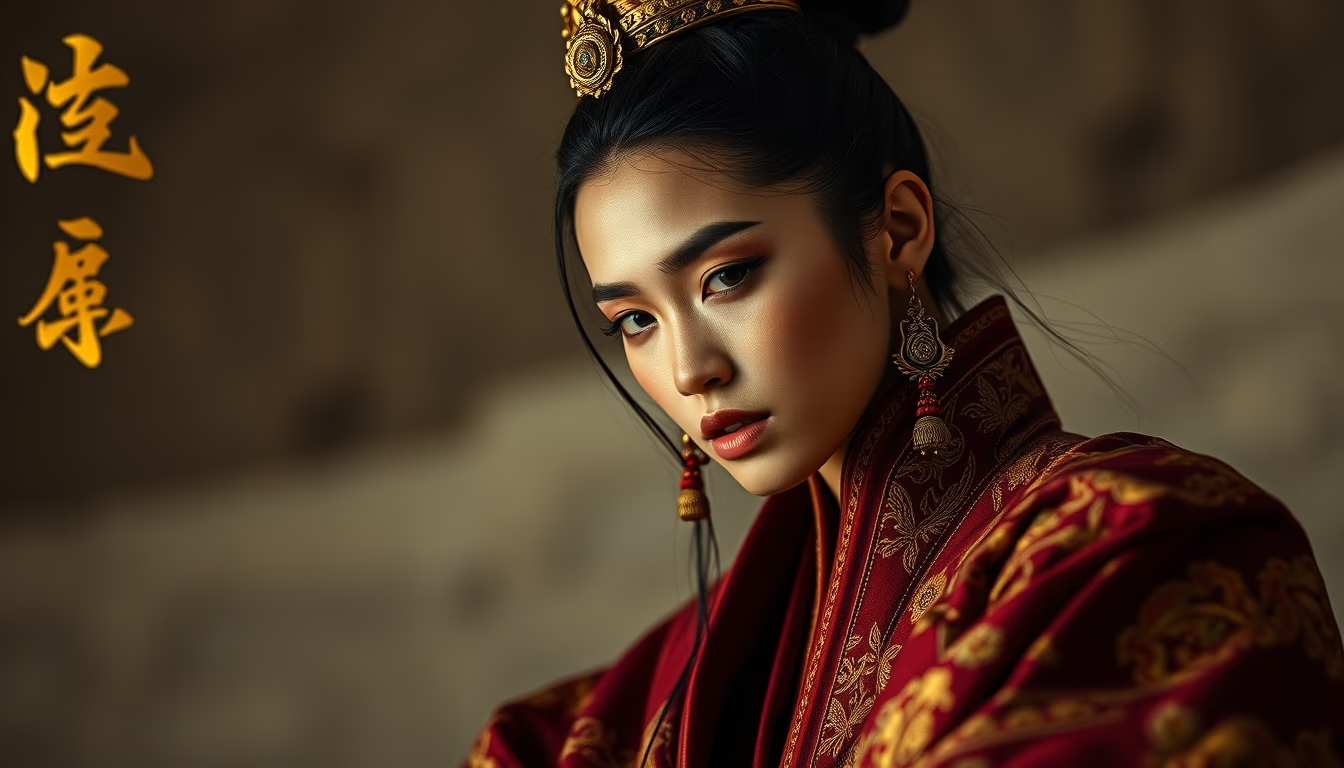
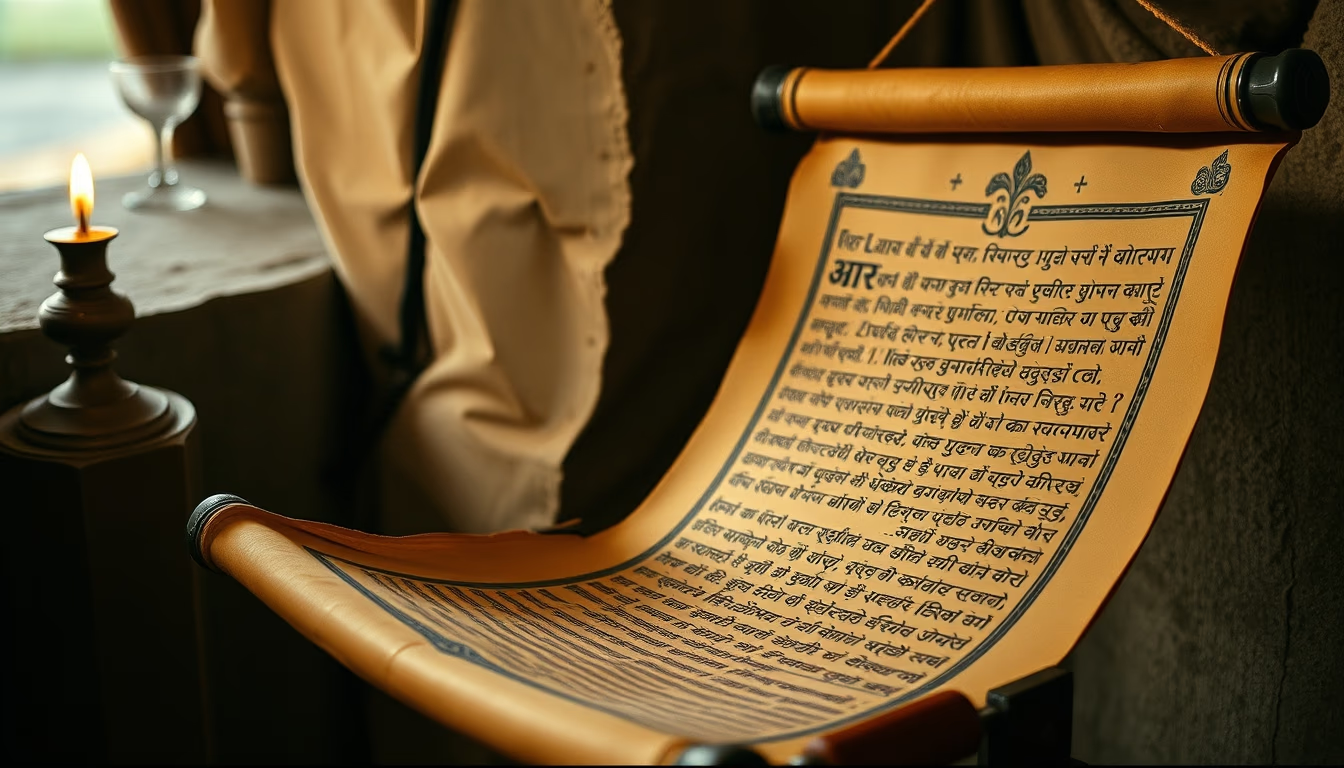
Tibetan gold calligraphy is a sacred art form blending religious script with refined illumination techniques, used in Buddhist texts and precious mantras.
About this subject
Tibetan calligraphy, or 'yi ge', originated in the 7th century when King Songtsen Gampo sent scholars to India to develop a writing system based on Devanagari and Gupta scripts. The Tibetan alphabet consists of 30 consonants and 4 vowels, used to transcribe Buddhist scriptures, particularly the Kangyur and Tengyur canons.
The use of gold in calligraphy is a highly specialized practice. Traditionally, gold powder is mixed with a natural binder, such as fish glue or gum arabic, to create a metallic ink that shines intensely. Writing with gold ink requires fine brushes made from yak or lamb hair, and the calligrapher must have extreme precision, as gold is expensive and difficult to correct. The letters are drawn with uniform, proportional strokes, following strict rules of 'uchen' (flat-head) or 'ume' (headless) calligraphy.
Culturally, gold texts are considered supreme offerings and objects of devotion. Monks and artists spend years learning the art, often in monasteries like Drepung or Sera. Gold calligraphy is not just writing but a moving meditation, where each character carries spiritual power. Besides texts, gold calligraphy adorns thangkas, prayer wheels, and temple murals.
In contemporary context, Tibetan gold calligraphy transcends the religious and gains space in luxury design and fashion, as seen in high-fashion editorial collections, where the golden aesthetic evokes tradition and exclusivity. However, the technique remains rare due to high cost and the need for exceptional skill.
Frequently Asked Questions
What is the origin of Tibetan calligraphy?
Tibetan calligraphy was developed in the 7th century, inspired by Indian scripts like Devanagari, by order of King Songtsen Gampo to translate Buddhist texts.
How is gold ink for calligraphy made?
Gold powder is mixed with a natural binder, such as fish glue or gum arabic, creating a metallic ink that requires special brushes made from yak or lamb hair.
What is the spiritual significance of gold calligraphy in Tibetan Buddhism?
Texts written in gold are considered sacred offerings and objects of devotion, believed that each character carries spiritual power and merit for those who write or contemplate them.
Direct URL
https://pub-c7d6a6ea828543ac903a74a341ccb2e1.r2.dev/imagens/tibetan-calligraphy-gold-high-fashion-editorial-fresh7.avifHow to credit
Include a visible link back to UtilizAí. Copy one of the snippets below:
<a href="https://xn--utiliza-eza.com/en/midia/imagens/tibetan-calligraphy-gold-high-fashion-editorial-fresh7">Tibetan calligraphy gold</a> by <a href="https://xn--utiliza-eza.com">UtilizAí</a>, licensed under <a href="https://creativecommons.org/licenses/by/4.0/">CC BY 4.0</a>.
[Tibetan calligraphy gold](https://xn--utiliza-eza.com/en/midia/imagens/tibetan-calligraphy-gold-high-fashion-editorial-fresh7) by [UtilizAí](https://xn--utiliza-eza.com), CC BY 4.0
License: CC-BY-4.0