Tibetan calligraphy gold
1344×768 · AVIF · CC BY 4.0
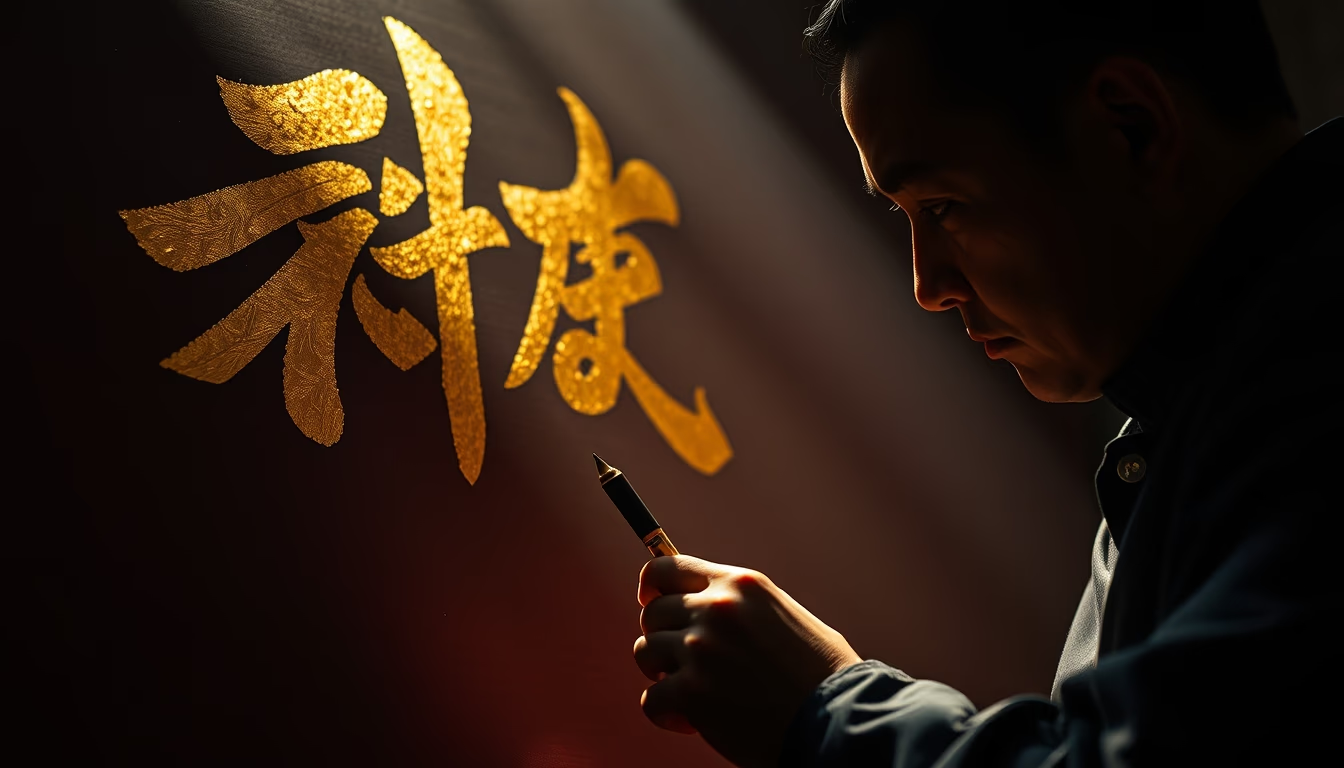
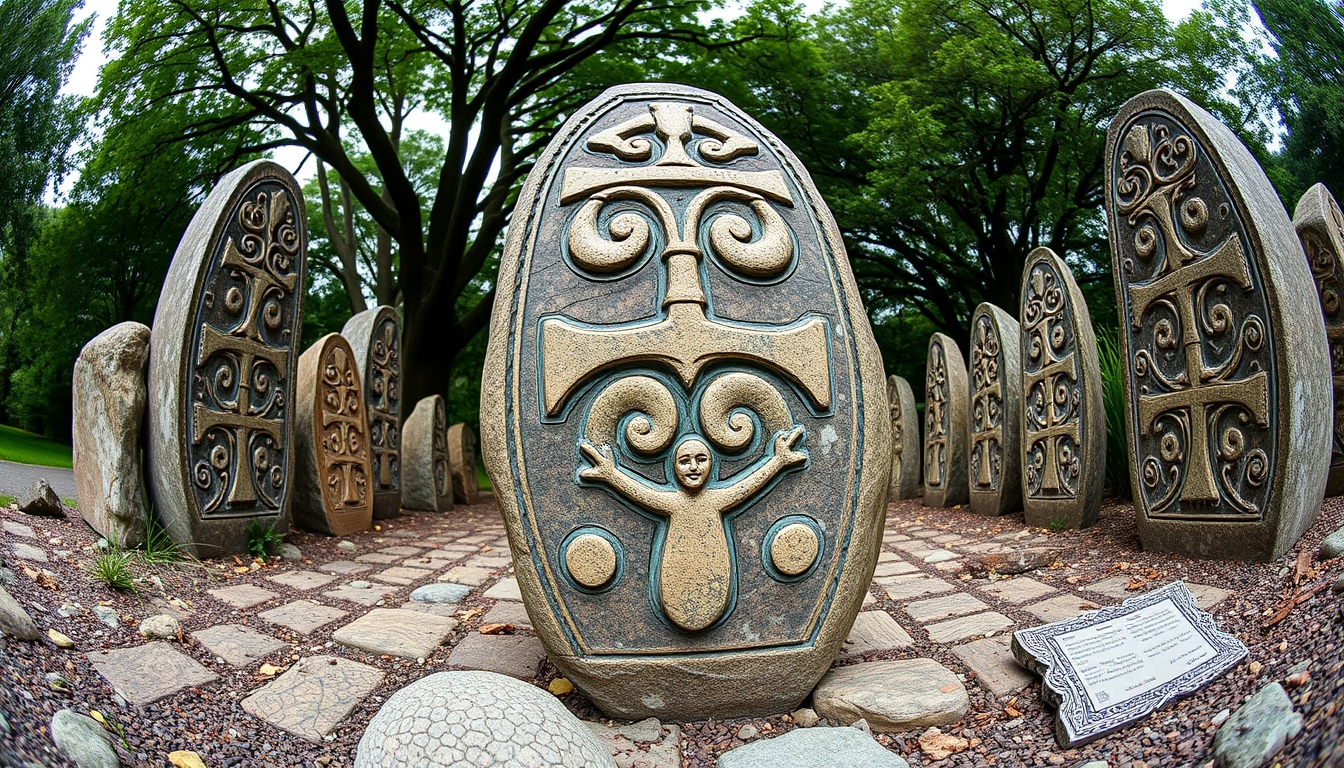
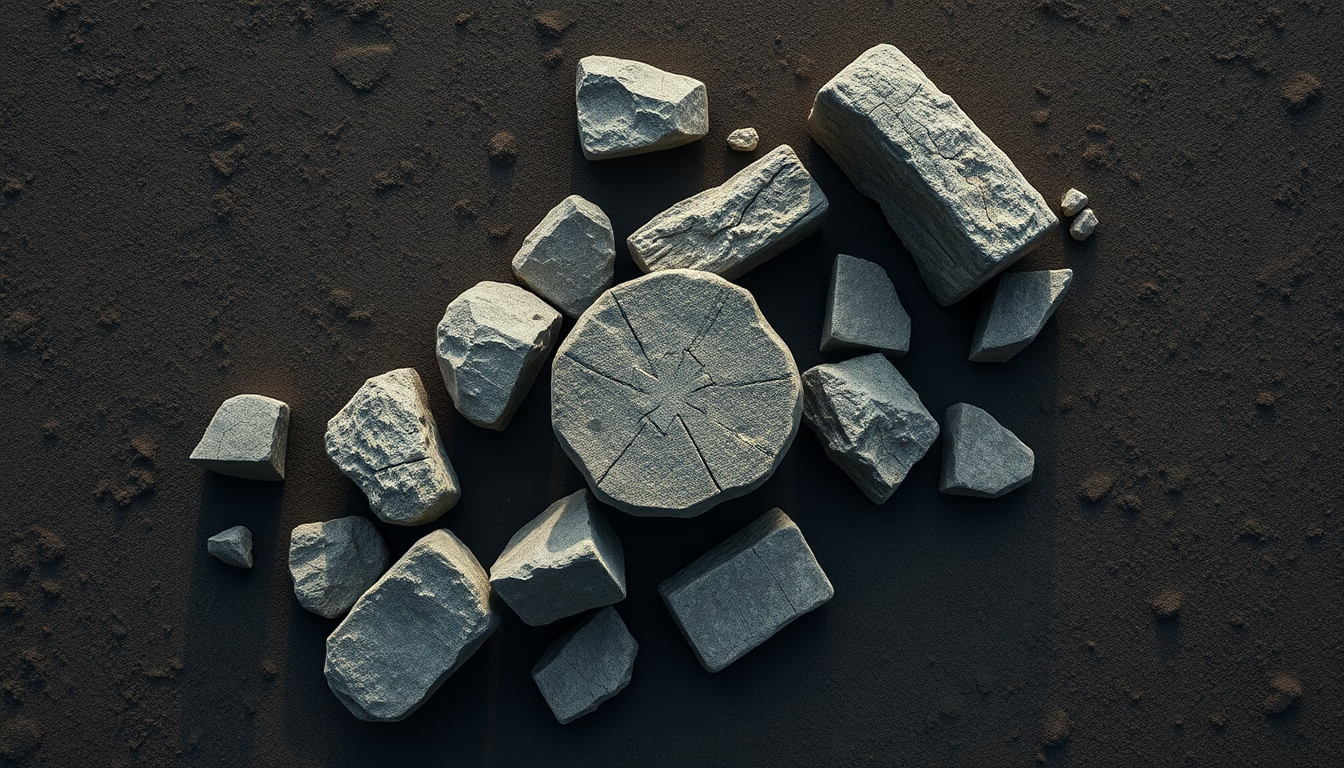
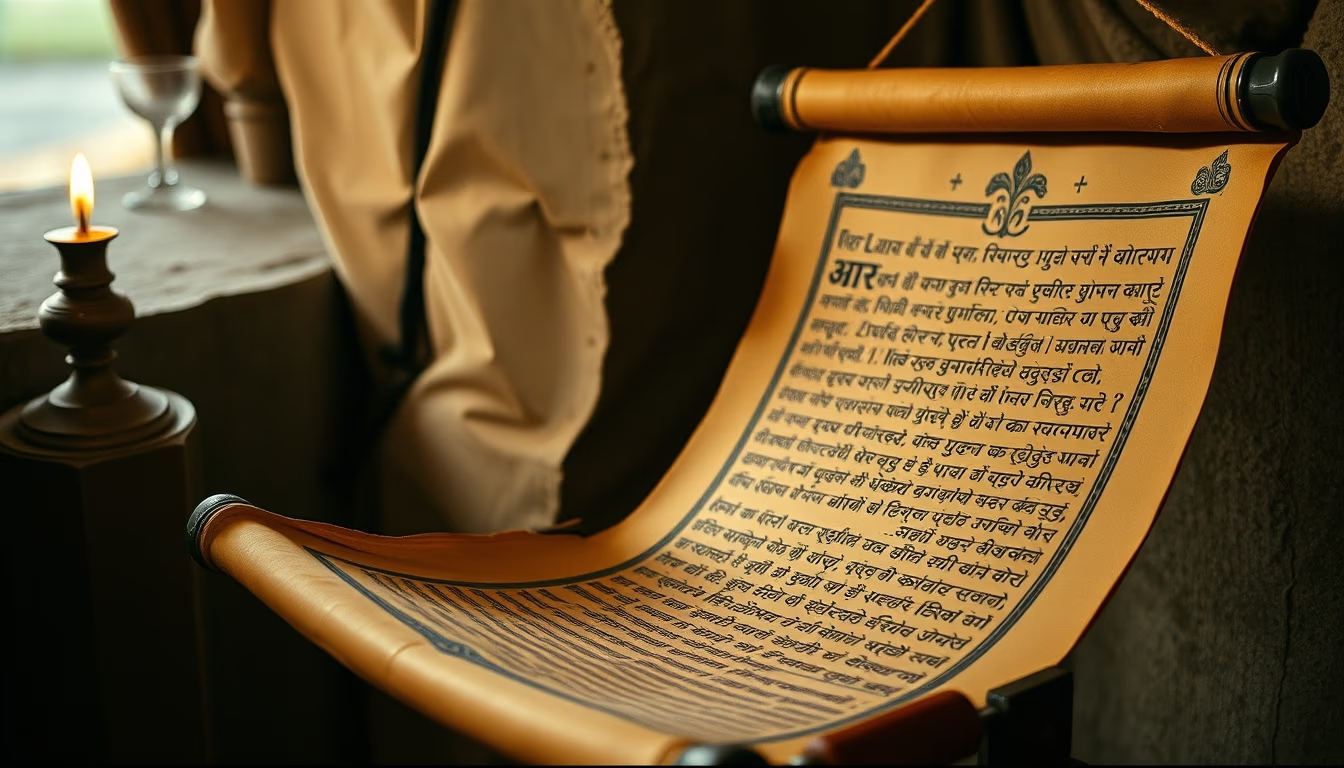
Tibetan calligraphy in gold is a sacred art form that combines religious writing with precious ornamental techniques, used in Buddhist texts and ritual manuscripts.
About this subject
Tibetan calligraphy dates back to the 7th century, when King Songtsen Gampo sent Thonmi Sambhota to India to create a writing system based on Indian scripts. The result, the Tibetan alphabet (U-chan), consists of 30 consonants and 4 vowels. Gold calligraphy emerged as a way to honor sacred texts, especially the Kanjur and Tenjur, the Buddhist scriptures. Artists use fine gold powder mixed with animal glue or gum arabic to trace letters on black or dark blue paper, creating contrast and luminosity. Each stroke demands precision because gold is expensive and difficult to correct. Monks often practice this art as meditation, believing that writing mantras with precious materials amplifies spiritual merit. Unlike Chinese or Japanese calligraphy, Tibetan calligraphy values symmetry and regularity of letters, with soft curves reminiscent of mandalas. The use of gold is not merely decorative; it symbolizes enlightenment and the purity of the dharma. Gold manuscripts are kept in temples and monasteries, such as Tawang or Sera, and are rarely displayed to the public. Unfortunately, many were destroyed during the Chinese Cultural Revolution, making surviving specimens even more precious.
Frequently Asked Questions
What is the origin of the Tibetan alphabet used in calligraphy?
The Tibetan alphabet was created by Thonmi Sambhota in the 7th century, inspired by Indian scripts, especially Devanagari and Bengali. It has 30 consonants and 4 vowels, and the U-chan (headed) form is most used in formal calligraphy.
How is the gold used in Tibetan calligraphy made?
Gold is ground into fine powder and mixed with binders such as animal glue or gum arabic. The resulting ink is applied with a fine-tipped brush on dark paper. The technique is called 'ser-kyi yi-ge' (gold writing).
What is the spiritual meaning of gold calligraphy?
Writing sacred texts with gold is considered an act of devotion that purifies karma. The luminosity of gold is believed to represent the enlightened wisdom of Buddha. Gold manuscripts are treated as relics and rarely touched without rituals.
Direct URL
https://pub-c7d6a6ea828543ac903a74a341ccb2e1.r2.dev/imagens/tibetan-calligraphy-gold-fine-art-photography-fresh3.avifHow to credit
Include a visible link back to UtilizAí. Copy one of the snippets below:
<a href="https://xn--utiliza-eza.com/en/midia/imagens/tibetan-calligraphy-gold-fine-art-photography-fresh3">Tibetan calligraphy gold</a> by <a href="https://xn--utiliza-eza.com">UtilizAí</a>, licensed under <a href="https://creativecommons.org/licenses/by/4.0/">CC BY 4.0</a>.
[Tibetan calligraphy gold](https://xn--utiliza-eza.com/en/midia/imagens/tibetan-calligraphy-gold-fine-art-photography-fresh3) by [UtilizAí](https://xn--utiliza-eza.com), CC BY 4.0
License: CC-BY-4.0