Tibetan calligraphy gold
1344×768 · AVIF · CC BY 4.0
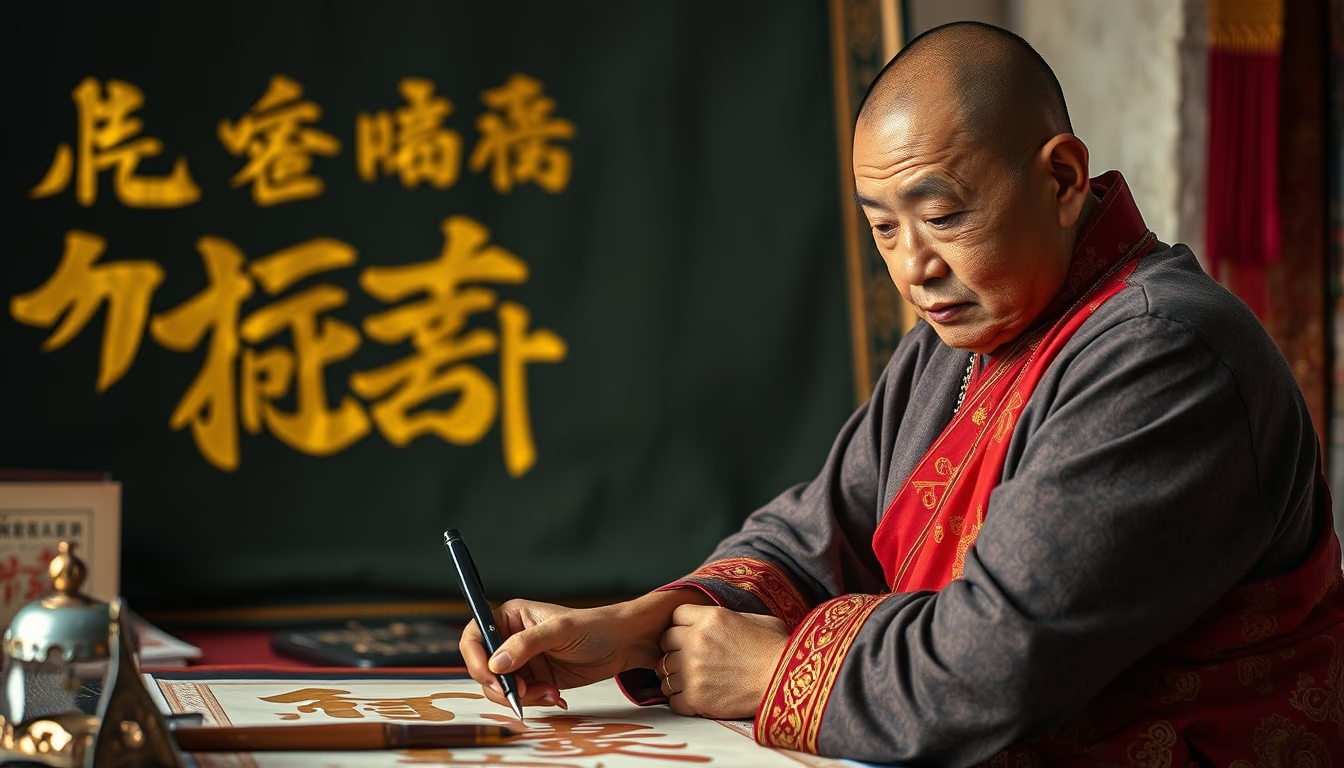
Tibetan gold calligraphy is an ancient sacred art blending precise script with spiritual symbolism, used in manuscripts and thangkas.
About this subject
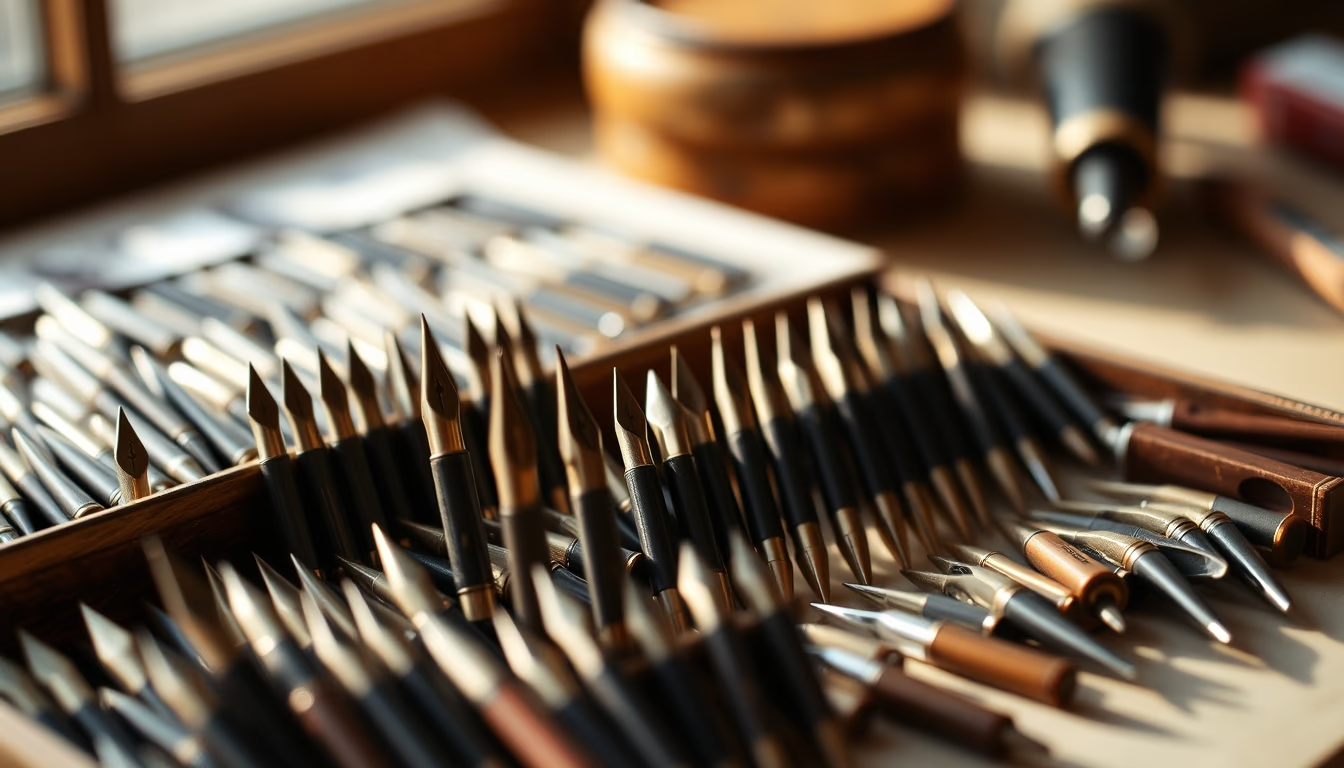
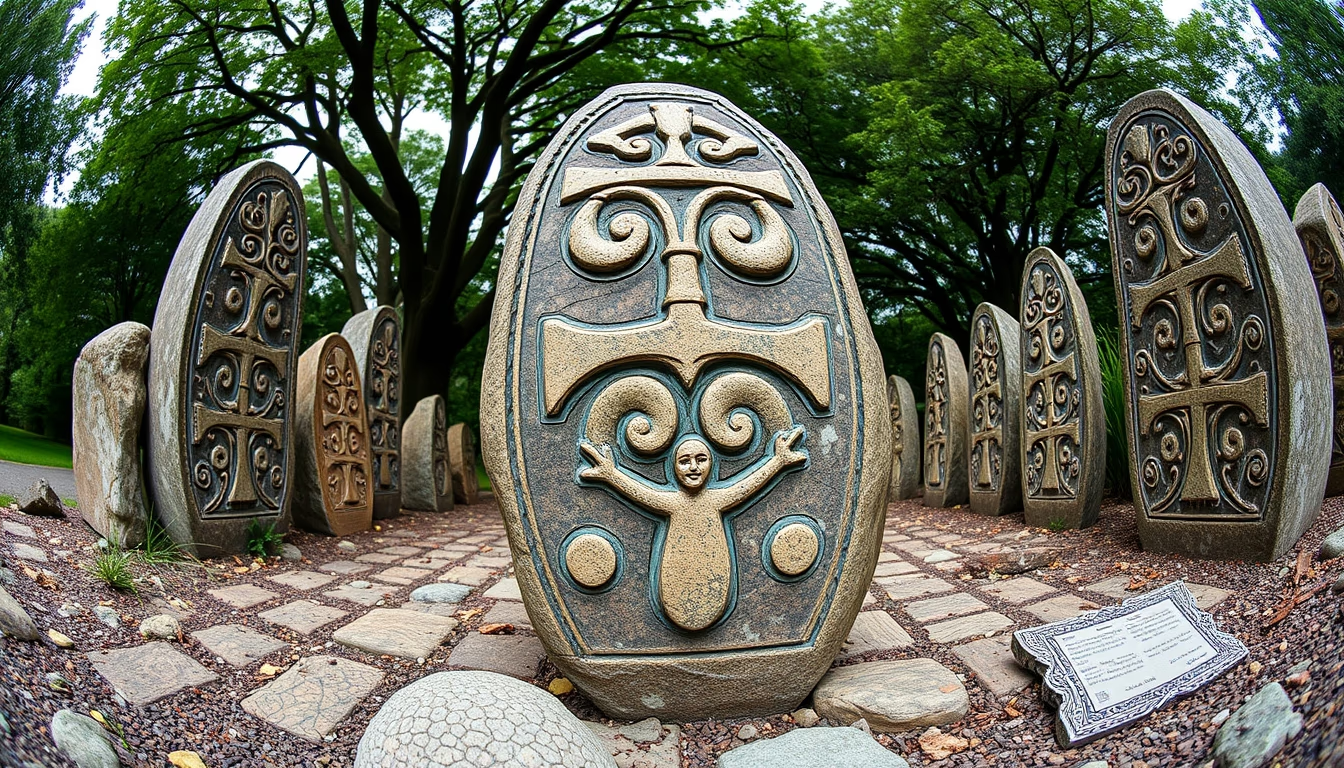
Tibetan calligraphy, especially when executed with gold ink, holds a central place in the Himalayan religious and cultural tradition. Originating from the Indian Gupta script in the 7th century, the Tibetan script was developed by Thonmi Sambhota, minister of King Songtsen Gampo. The use of gold in calligraphy is not merely decorative: every golden stroke symbolizes enlightenment and the purity of the dharma. Monks spend years training their steady hand and concentration to draw the angular, elongated characters using fine brushes made of bamboo or metal. The most valuable texts are written on dark or black paper, with ink made from pure gold dust mixed with animal glue and water. This technique is reserved for sacred scriptures such as the Kangyur (the Buddha's discourses) and the Tengyur (commentaries), often commissioned by monasteries or wealthy patrons. The use of gold also reflects the belief that offering precious materials generates spiritual merit. Beyond manuscripts, gold calligraphy appears on thangkas (religious paintings) and on mantras carved into stone or metal. Today, master calligraphers in Tibet, Nepal, and among Tibetan exile communities preserve this art, though the high cost of gold and the time required make each piece extremely rare. International exhibitions have highlighted these works as intangible cultural heritage of humanity.
Frequently Asked Questions
Why is gold used in Tibetan calligraphy?
Gold symbolizes enlightenment and spiritual purity, and its application on sacred scriptures is considered a meritorious offering. It also protects texts from decay and enhances their ceremonial beauty.
How is gold ink for Tibetan calligraphy made?
The ink is prepared by grinding pure gold into fine powder, then mixing it with animal glue and water. The consistency must be fluid enough for the brush but opaque to cover the dark background.
Where can I see examples of Tibetan gold calligraphy?
Works can be found in monasteries in Tibet, Nepal, and Bhutan, as well as in museums such as the Tibet Museum in Lhasa and the Rubin Museum in New York. Temporary exhibitions also occur at cultural centers.
Direct URL
https://pub-c7d6a6ea828543ac903a74a341ccb2e1.r2.dev/imagens/tibetan-calligraphy-gold-documentary-photography-fresh17.avifHow to credit
Include a visible link back to UtilizAí. Copy one of the snippets below:
<a href="https://xn--utiliza-eza.com/en/midia/imagens/tibetan-calligraphy-gold-documentary-photography-fresh17">Tibetan calligraphy gold</a> by <a href="https://xn--utiliza-eza.com">UtilizAí</a>, licensed under <a href="https://creativecommons.org/licenses/by/4.0/">CC BY 4.0</a>.
[Tibetan calligraphy gold](https://xn--utiliza-eza.com/en/midia/imagens/tibetan-calligraphy-gold-documentary-photography-fresh17) by [UtilizAí](https://xn--utiliza-eza.com), CC BY 4.0
License: CC-BY-4.0