Tibetan calligraphy gold
1344×768 · AVIF · CC BY 4.0
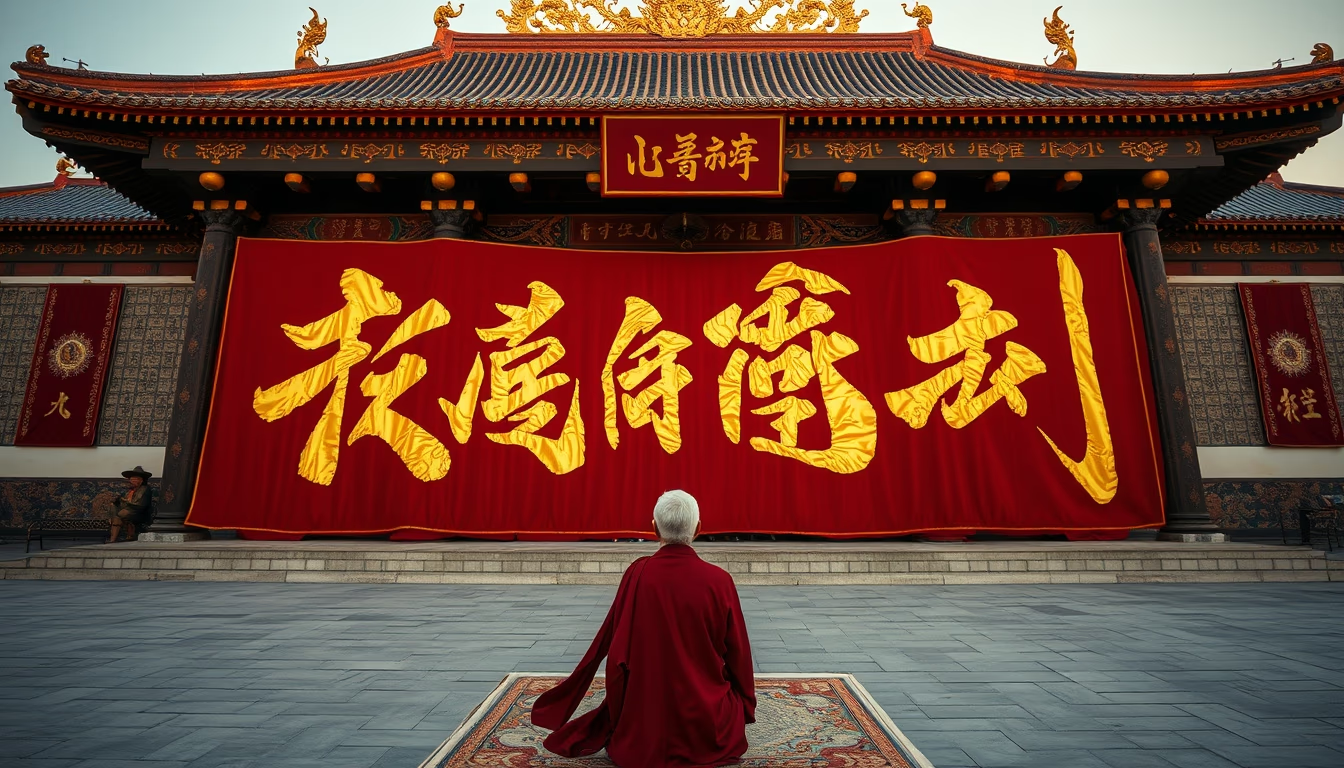
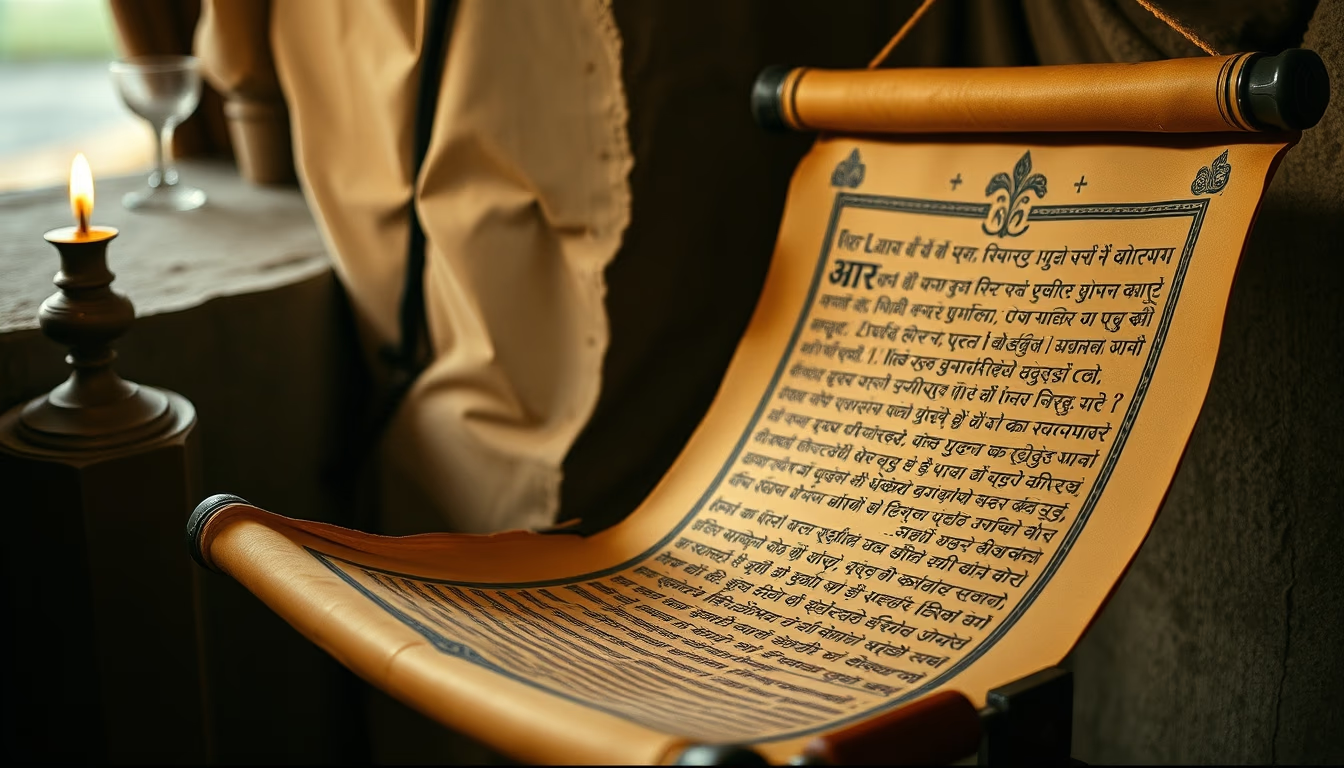
Tibetan calligraphy in gold is a sacred art used to transcribe Buddhist mantras and texts, combining spiritual devotion with refined technique.
About this subject
Tibetan calligraphy, especially when executed with gold ink, is one of the most revered forms of religious art in Tibetan Buddhism. Originating in the 7th century, when King Songtsen Gampo sent minister Thonmi Sambhota to India to develop a writing system, the Tibetan alphabet was derived from Indian scripts such as Gupta and Siddham. Gold calligraphy, known as ser gyi yi ge (golden writing), is reserved for sacred texts like sutras and mantras because gold symbolizes purity, enlightenment, and the imperishability of the Dharma.
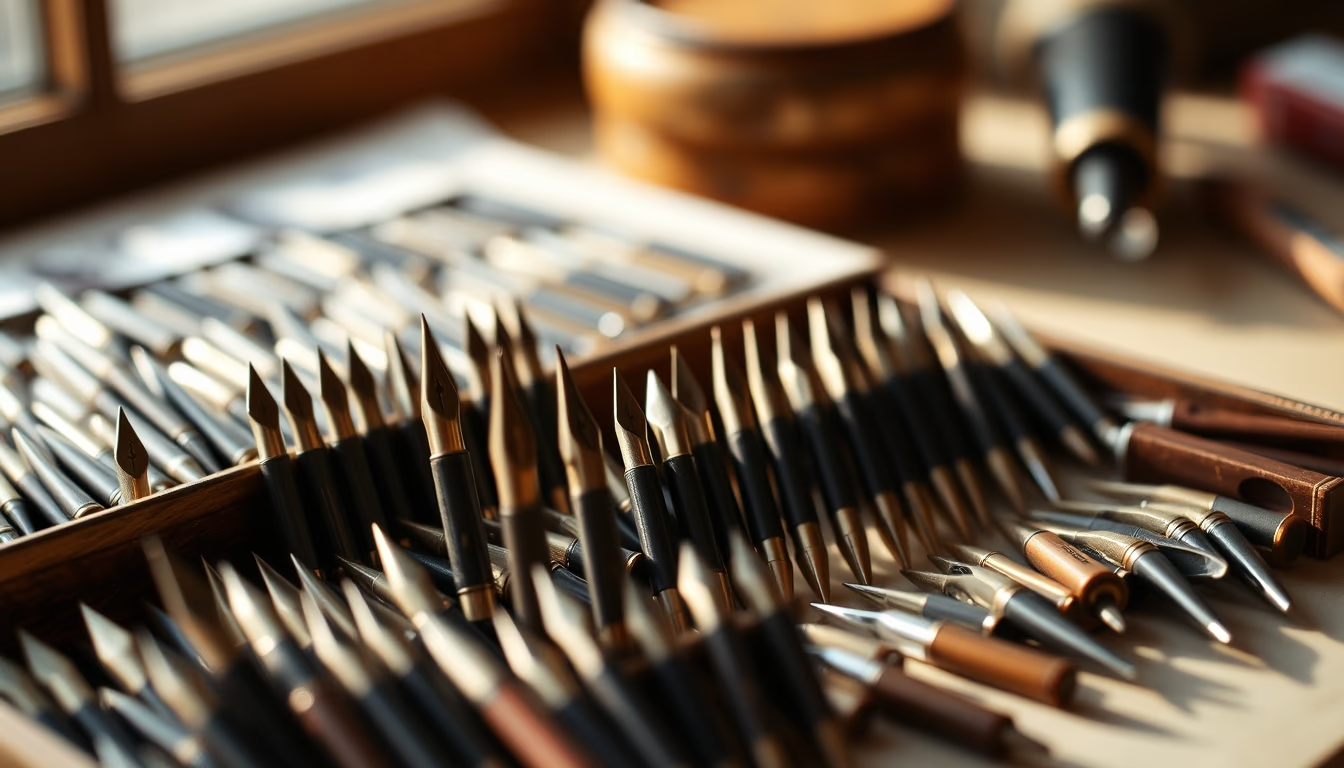
The technique of producing gold ink is complex. Artisans finely grind pure gold leaf and mix the powder with animal glue, often made from animal skin or tendons, along with water or vinegar as a base. Application requires a bamboo pen or metal stylus, and the calligrapher must maintain controlled breathing and a meditative posture, as each stroke is an act of devotion. Tibetan calligraphy differs from other Asian traditions, such as Chinese or Japanese, by the elongated shape of the letters and the strong influence of mandala geometry.
Culturally, gold calligraphy appears on thangkas, temple panels, and manuscripts like the Kangyur (Buddha's teachings) and Tengyur (commentaries). It is believed that copying sacred texts in gold accumulates spiritual merit and protects against negative energies. Today, the art is preserved by monks at monasteries such as Sera, Ganden, and Drepung, as well as lay artists who keep the tradition alive. The use of gold is not merely aesthetic but a reflection of the belief that the content deserves the noblest material.
Frequently Asked Questions
What is the difference between Tibetan calligraphy and other Asian calligraphies?
Tibetan calligraphy is distinguished by its elongated letter shapes and strong influence from geometric mandalas. Unlike Chinese and Japanese styles that use brushes, Tibetan traditionally employs a bamboo pen or metal stylus, resulting in more uniform and straight strokes.
Why is gold used in Tibetan calligraphy?
Gold symbolizes purity, enlightenment, and the imperishable nature of Buddha's teachings. As a noble material, it is reserved for sacred texts and important manuscripts, with the belief that copying scriptures in gold generates spiritual merit and protective energy.
Who practices Tibetan calligraphy in gold?
Traditionally, Buddhist monks at monasteries like Sera, Ganden, and Drepung are the primary practitioners. However, lay artists also maintain the tradition, creating pieces for temples and collectors. The technique requires years of training and a meditative approach.
Direct URL
https://pub-c7d6a6ea828543ac903a74a341ccb2e1.r2.dev/imagens/tibetan-calligraphy-gold-cinematic-wide-shot-fresh18.avifHow to credit
Include a visible link back to UtilizAí. Copy one of the snippets below:
<a href="https://xn--utiliza-eza.com/en/midia/imagens/tibetan-calligraphy-gold-cinematic-wide-shot-fresh18">Tibetan calligraphy gold</a> by <a href="https://xn--utiliza-eza.com">UtilizAí</a>, licensed under <a href="https://creativecommons.org/licenses/by/4.0/">CC BY 4.0</a>.
[Tibetan calligraphy gold](https://xn--utiliza-eza.com/en/midia/imagens/tibetan-calligraphy-gold-cinematic-wide-shot-fresh18) by [UtilizAí](https://xn--utiliza-eza.com), CC BY 4.0
License: CC-BY-4.0