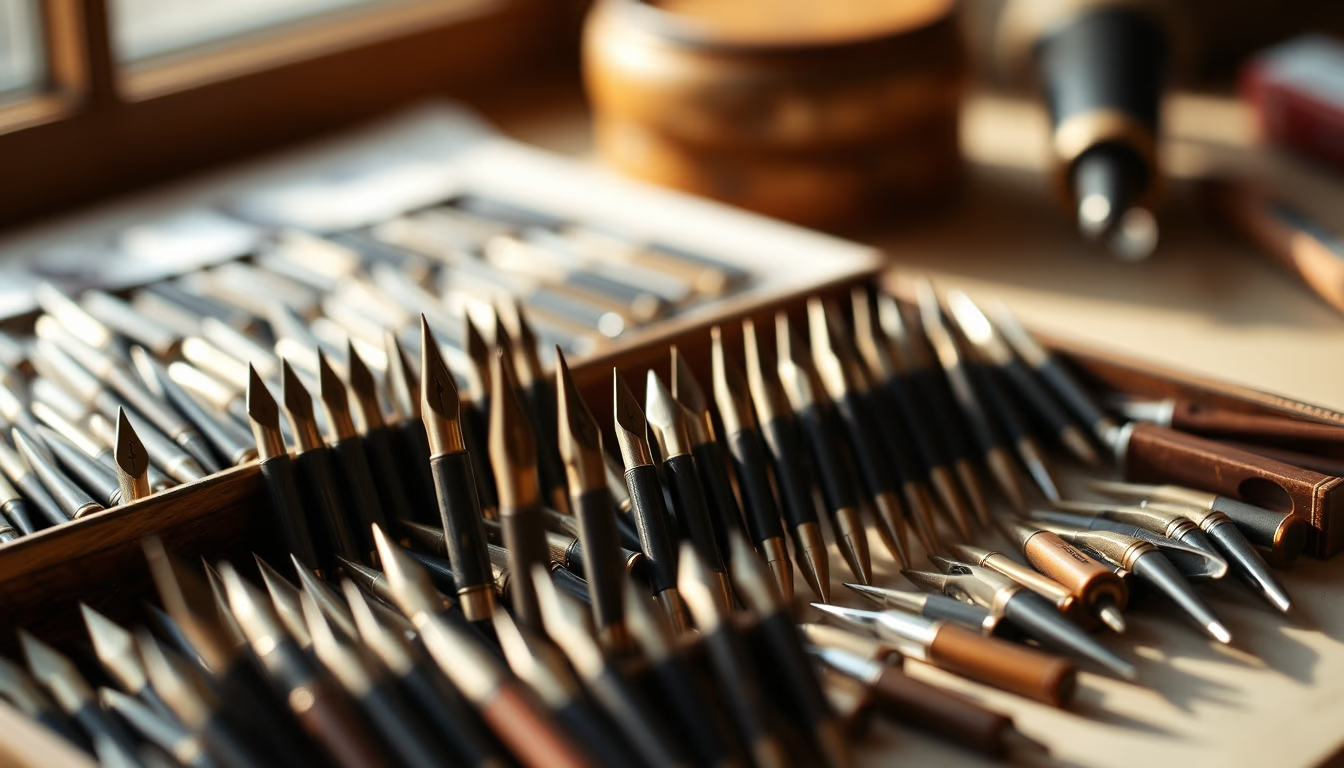
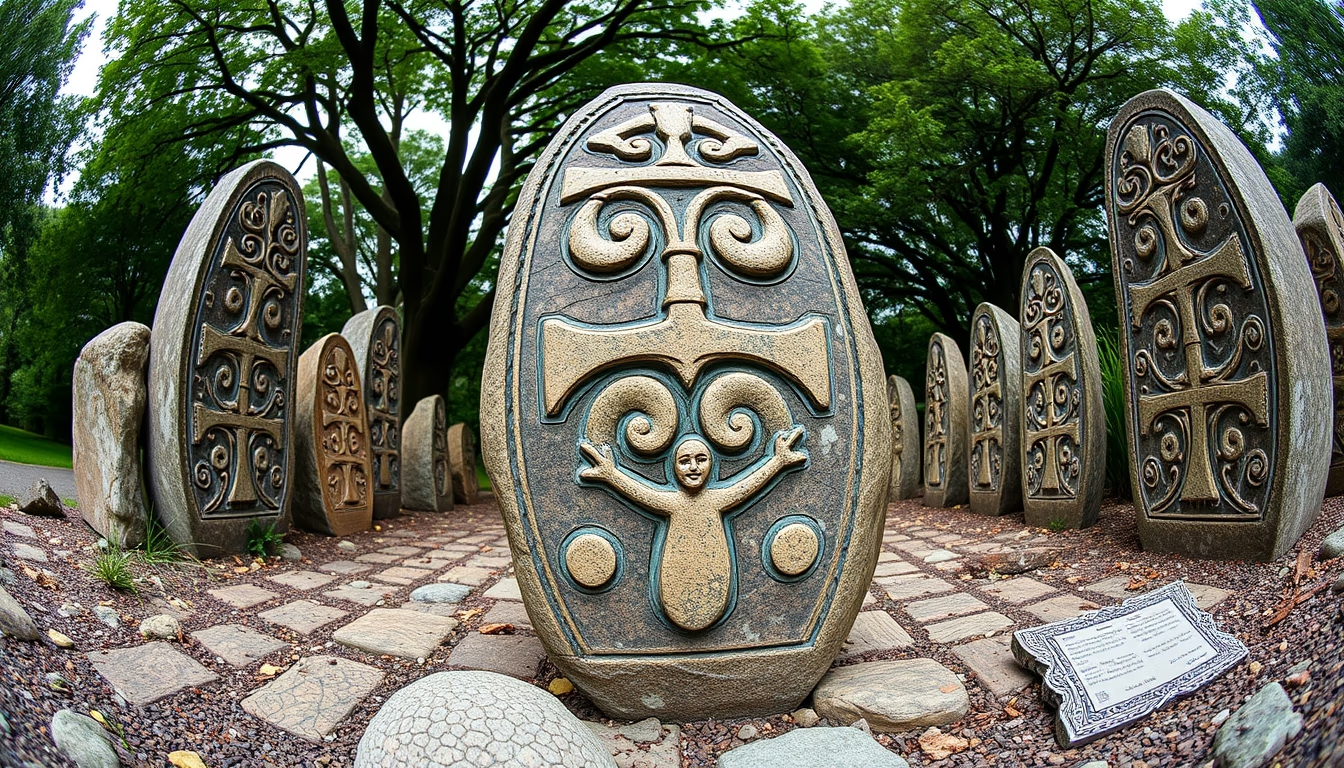
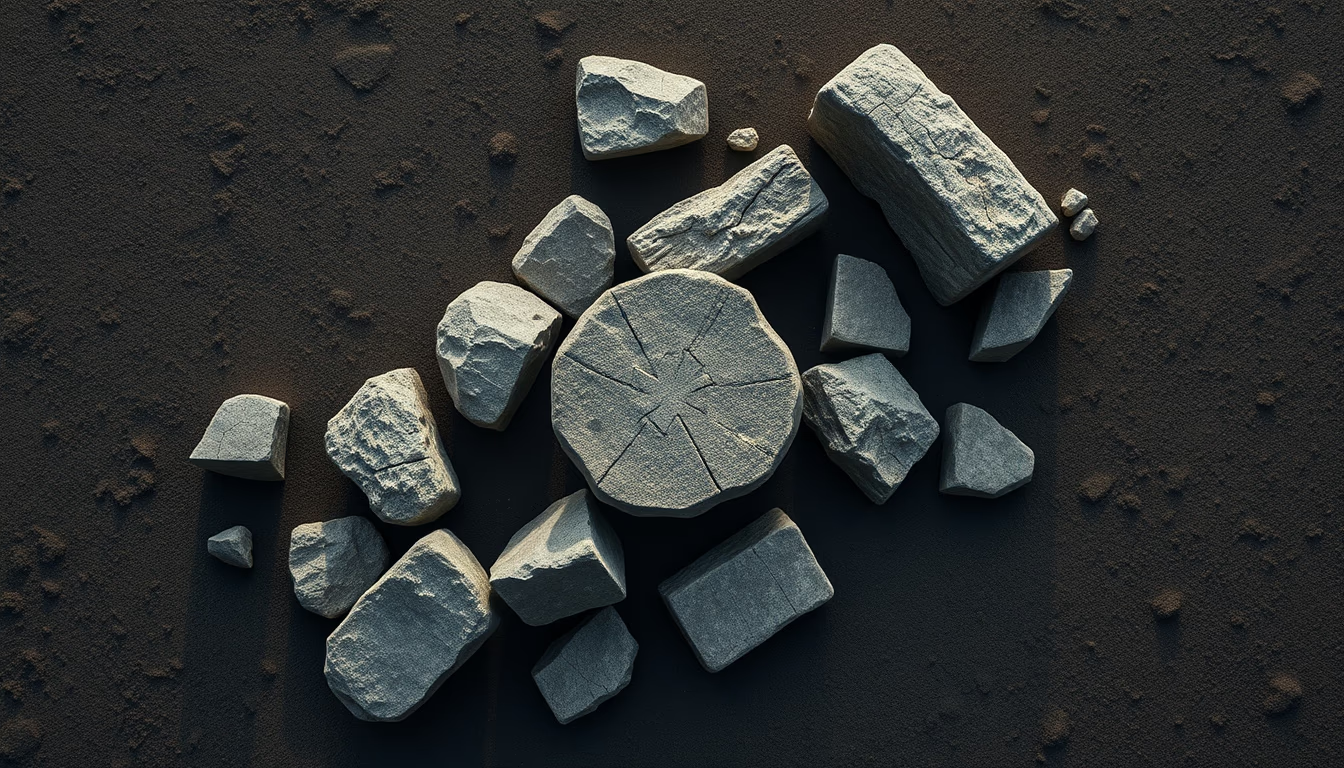
Tibetan calligraphy gold
1344×768 · AVIF · CC BY 4.0

Tibetan calligraphy in gold is an ancient art that combines sacred writing with precious materials, used in Buddhist manuscripts and devotional works.
About this subject
Tibetan calligraphy, developed from the 7th century CE, is a writing system derived from the Indian Brahmi script, adapted to transcribe classical Tibetan and Sanskrit. The use of gold in calligraphy dates back to illuminated manuscripts in Buddhist monasteries, where gold powder pigments were mixed with gum arabic and applied with fine brushes made of goat or deer hair. These golden scriptures often contain sutras such as the Prajnaparamita or mantras like Om Mani Padme Hum, considered auspicious and capable of purifying the environment.
The technique requires extreme precision: the calligrapher must control their breath and brush movement to form harmonious straight and curved strokes. Gold not only symbolizes enlightenment and wisdom in Tibetan Buddhism but also provides protection against degradation, as the metal does not oxidize. Many precious texts were written on palm leaves or handmade paper from daphne bark, with edges ornamented in gold.
In Tibetan culture, golden calligraphy goes beyond aesthetics: it is a meditative practice and a religious offering. Monks often dedicate hours to transcribing sacred texts as a way to accumulate spiritual merit. Today, contemporary artists like Tashi Mannox (British-born of Tibetan descent) reinterpret this tradition in modern works, keeping the ancient technique alive. Golden calligraphy also appears in thangkas (religious paintings) and decorative panels in temples.
Frequently Asked Questions
What is Tibetan calligraphy?
Tibetan calligraphy is the art of writing the Tibetan language, derived from the Indian Brahmi script. It is primarily used for transcribing Buddhist texts, mantras, and prayers, with strong spiritual and aesthetic value.
Why is gold used in Tibetan calligraphy?
Gold is used for its symbolism of enlightenment and wisdom in Buddhism, as well as its durability (it does not oxidize). Traditionally, it was reserved for sacred texts and offerings in monasteries.
Where can Tibetan calligraphy in gold be found?
It can be found in illuminated manuscripts in monasteries of Tibet, Bhutan, Nepal, and India, as well as in temples and private collections. Modern works are also displayed in art galleries.
Direct URL
https://pub-c7d6a6ea828543ac903a74a341ccb2e1.r2.dev/imagens/tibetan-calligraphy-gold-aerial-drone-shot-fresh0.avifHow to credit
Include a visible link back to UtilizAí. Copy one of the snippets below:
<a href="https://xn--utiliza-eza.com/en/midia/imagens/tibetan-calligraphy-gold-aerial-drone-shot-fresh0">Tibetan calligraphy gold</a> by <a href="https://xn--utiliza-eza.com">UtilizAí</a>, licensed under <a href="https://creativecommons.org/licenses/by/4.0/">CC BY 4.0</a>.
[Tibetan calligraphy gold](https://xn--utiliza-eza.com/en/midia/imagens/tibetan-calligraphy-gold-aerial-drone-shot-fresh0) by [UtilizAí](https://xn--utiliza-eza.com), CC BY 4.0
License: CC-BY-4.0