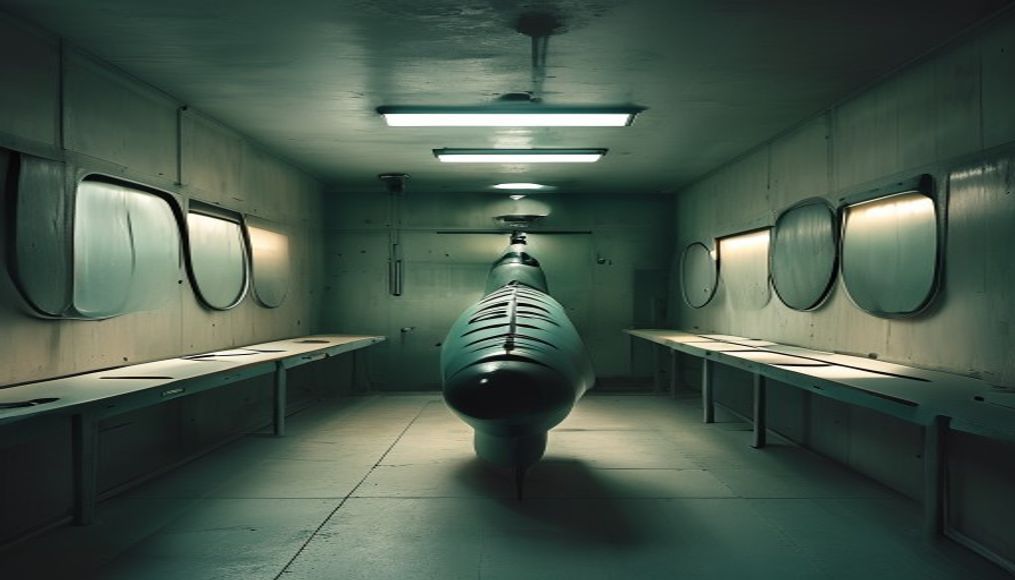
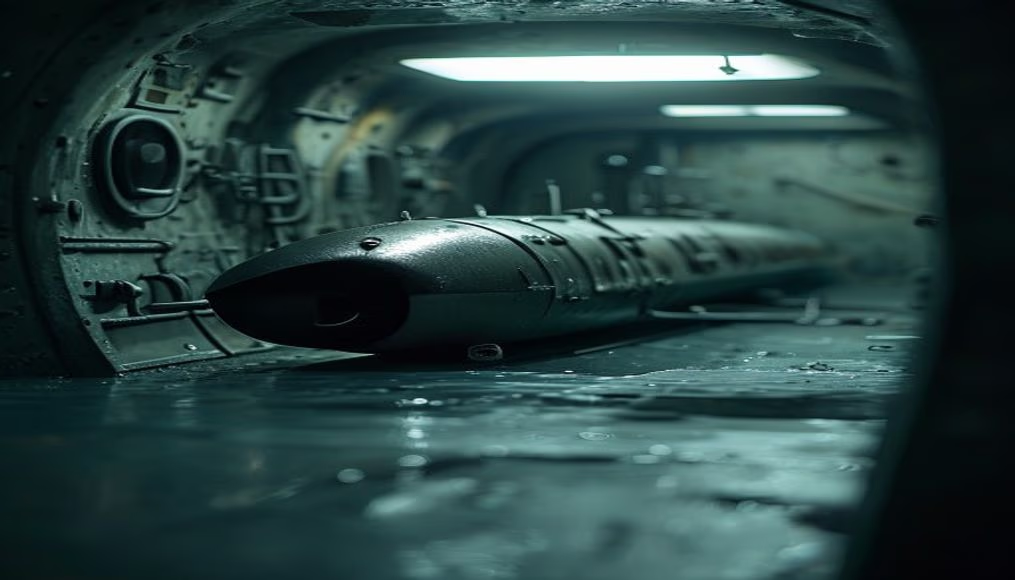
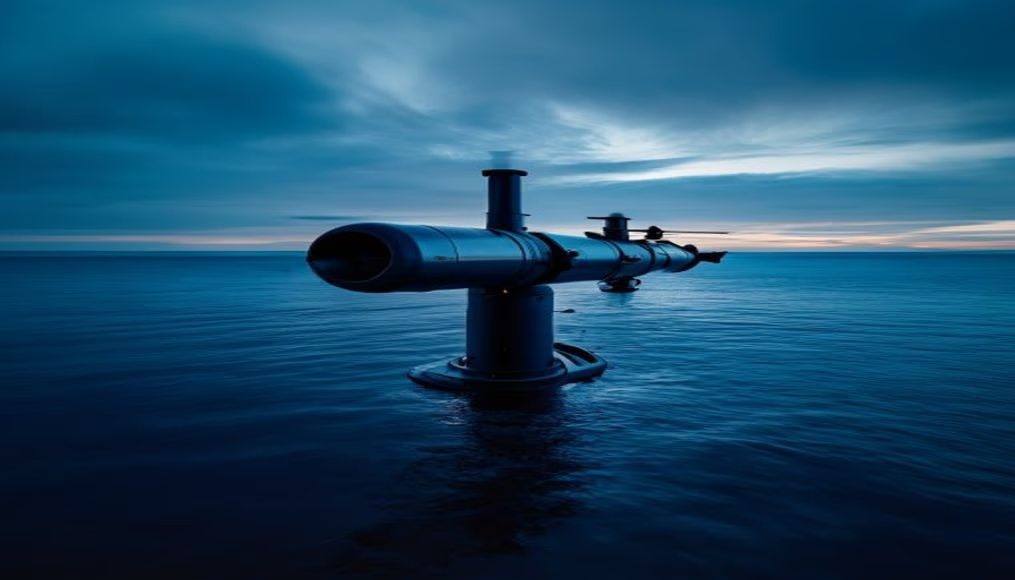
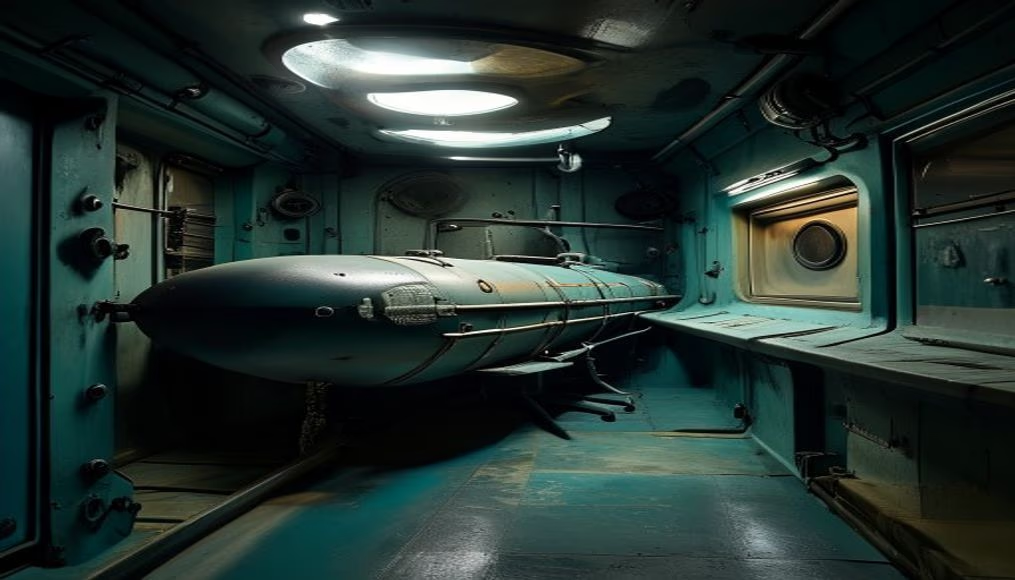
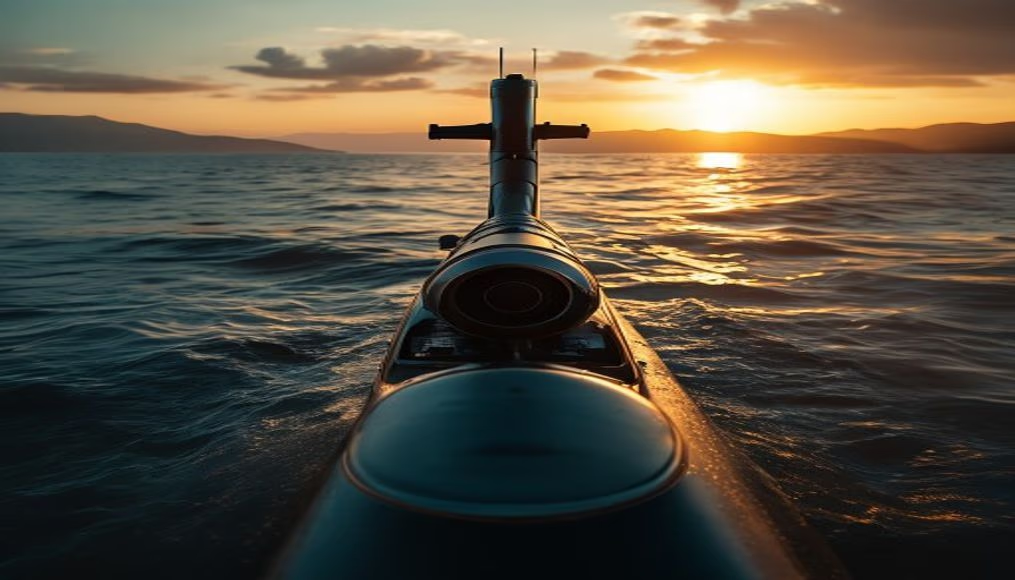
Submarine surfacing ocean
1344×768 · AVIF · CC BY 4.0
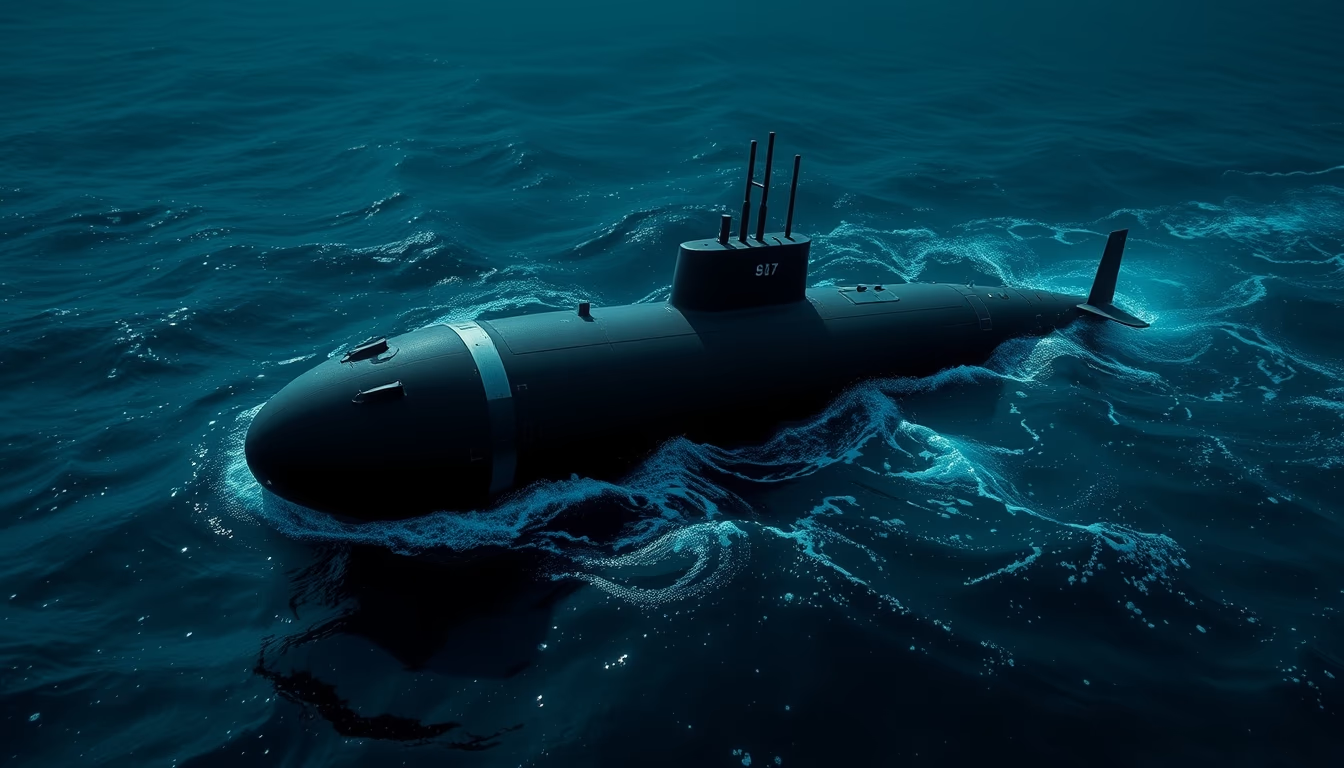
Submarines surface for communications, resupply, and special operations, balancing stealth and tactical necessity.
About this subject
Surfacing a submarine is a critical maneuver that temporarily compromises stealth but is essential for various operational functions. Traditionally, submarines need to surface to use radio and satellite antennas, as seawater blocks electromagnetic wave propagation. In deep waters, they can employ communication buoys or cables, but surface operations remain the most reliable method for high-bandwidth data transmission. Additionally, replenishment of food, fuel (for conventional submarines), and crew rotation require the vessel to be on the surface or at periscope depth.
Historically, early submarines were essentially surface vessels that submerged only for attacks or evasion. In the 20th century, with the development of nuclear propulsion and advanced life-support systems, submarines could remain submerged for months. Even so, periodic surfacing remains standard for celestial navigation, launching ballistic missiles (modern subs launch from submerged, but some rockets and cruise missiles require surface), and ensuring crew safety.
In a military context, surfacing is a vulnerable moment, as the submarine may be detected by radar or satellites. Commanders therefore perform the maneuver quickly and at pre-planned locations. Research submarines also surface to collect meteorological or oceanographic data, deploy underwater drones, or conduct external repairs. In Brazil, the Navy operates conventional submarines (Tupi class) and plans for the first nuclear submarine (SN-BR), which will require specific surface protocols.
A curious fact: the term "surfacing" is not limited to full emergence; many operations occur at "periscope depth," where the hull remains submerged but masts are exposed. This reduces the risk of visual detection while still allowing communication and observation.
Frequently Asked Questions
Why does a submarine need to surface if it can stay submerged for months?
Surfacing is required for high-bandwidth communications, resupply, crew rotation, external maintenance, and launching certain types of missiles. Nuclear submarines can remain submerged for long periods, but they still need surface access for some logistical functions.
How long can a submarine stay submerged without surfacing?
Nuclear submarines can remain submerged for up to 90, 120 days, limited mainly by food supplies. Conventional (diesel-electric) submarines need to surface every few days to recharge batteries, unless they use AIP (Air Independent Propulsion) systems, which extend endurance to about 3 weeks.
What are the main risks of surfacing a submarine during military operations?
The primary risk is detection by radar, satellites, or enemy aircraft, which can compromise the mission and expose the submarine to attack. Therefore, the maneuver is performed quickly, in low-surveillance areas, or under the cover of other forces.
Direct URL
https://pub-c7d6a6ea828543ac903a74a341ccb2e1.r2.dev/imagens/submarine-surfacing-ocean-magazine-editorial-p1.avifHow to credit
Include a visible link back to UtilizAí. Copy one of the snippets below:
<a href="https://xn--utiliza-eza.com/en/midia/imagens/submarine-surfacing-ocean-magazine-editorial-p1">Submarine surfacing ocean</a> by <a href="https://xn--utiliza-eza.com">UtilizAí</a>, licensed under <a href="https://creativecommons.org/licenses/by/4.0/">CC BY 4.0</a>.
[Submarine surfacing ocean](https://xn--utiliza-eza.com/en/midia/imagens/submarine-surfacing-ocean-magazine-editorial-p1) by [UtilizAí](https://xn--utiliza-eza.com), CC BY 4.0
License: CC-BY-4.0