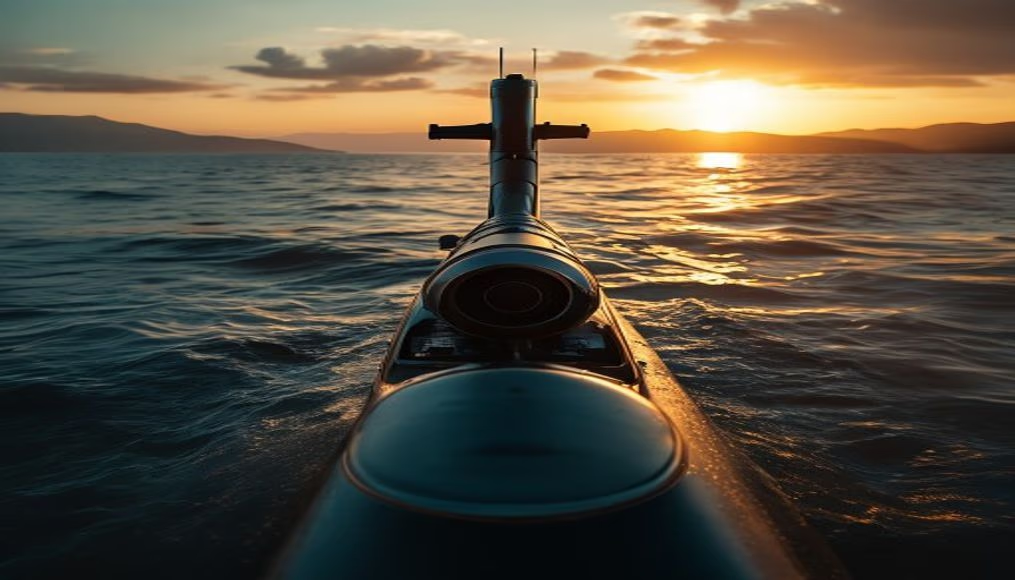
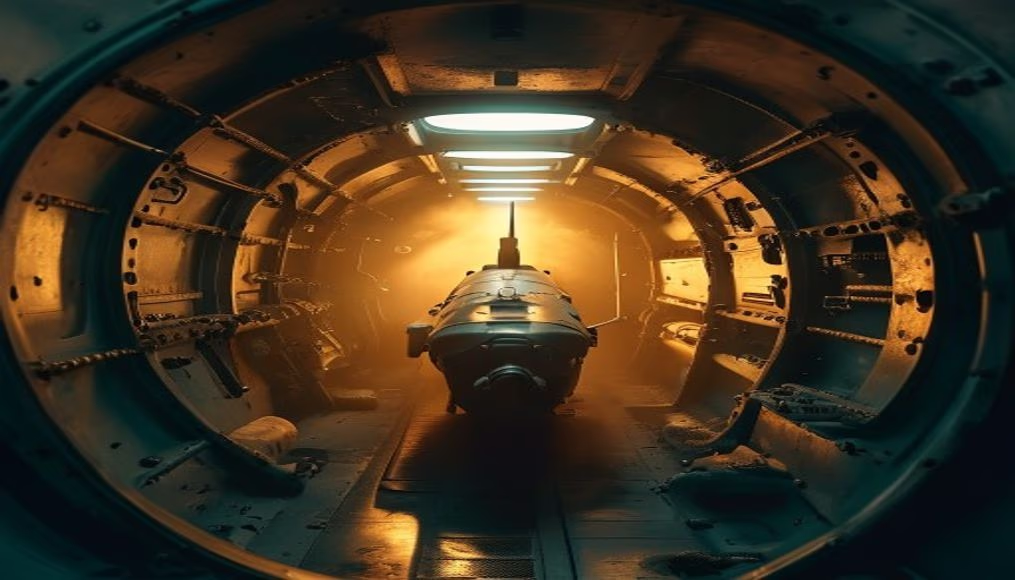
Submarine surfacing ocean
1344×768 · AVIF · CC BY 4.0
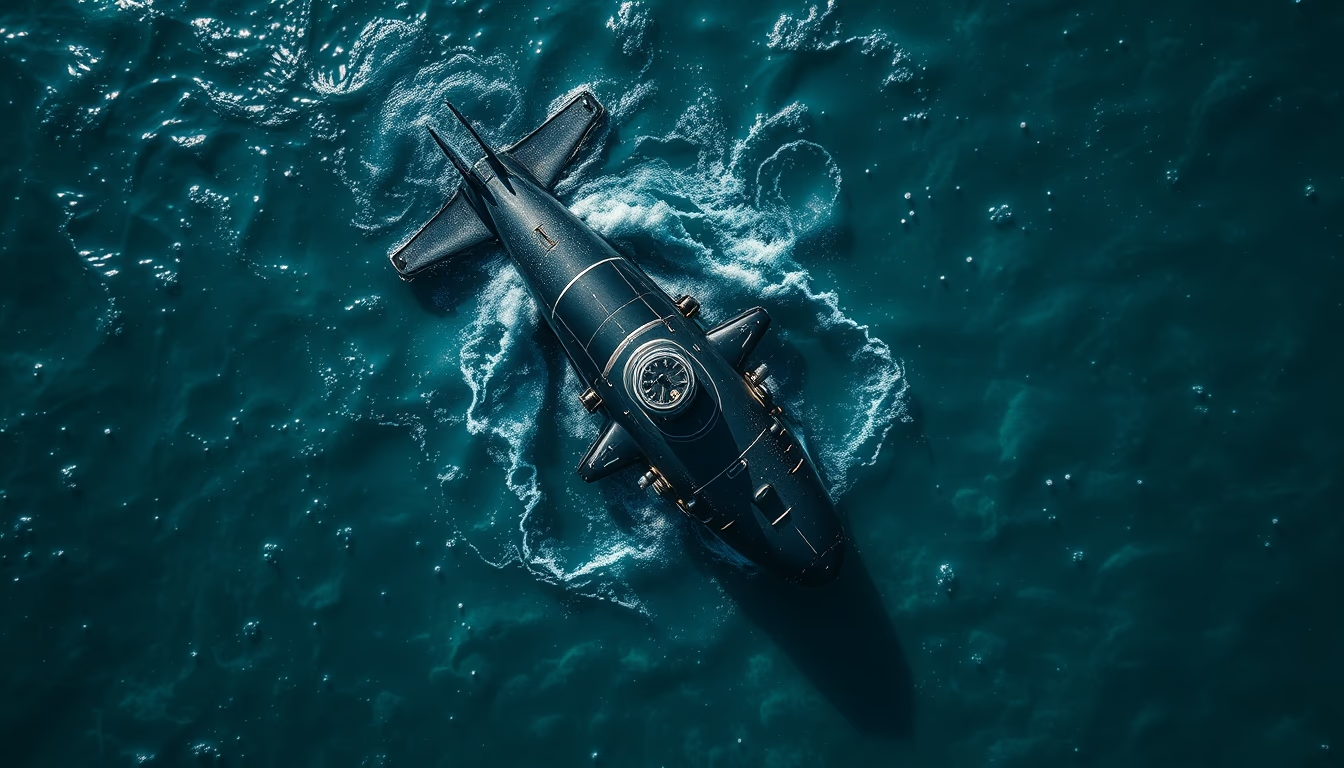
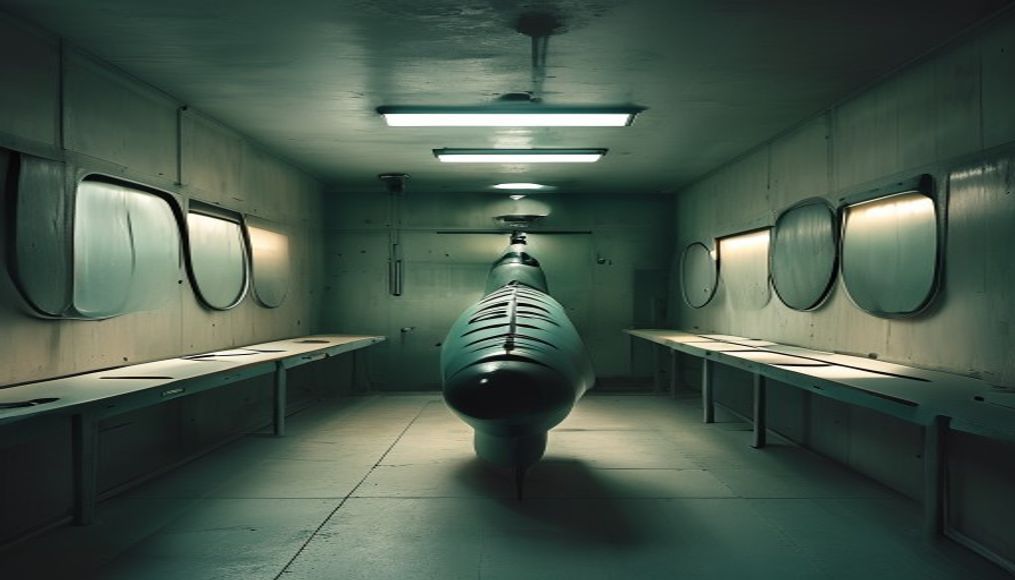
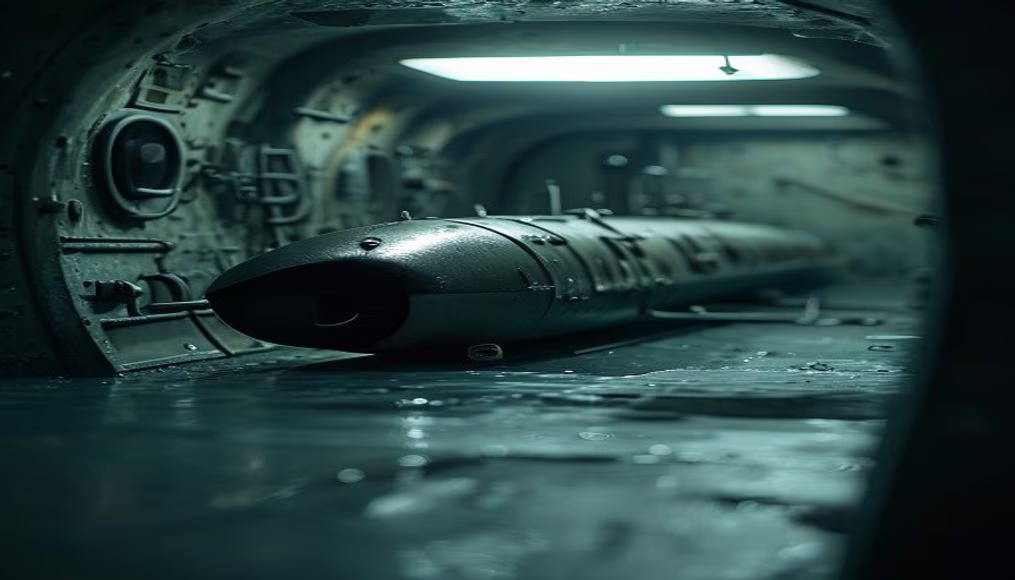
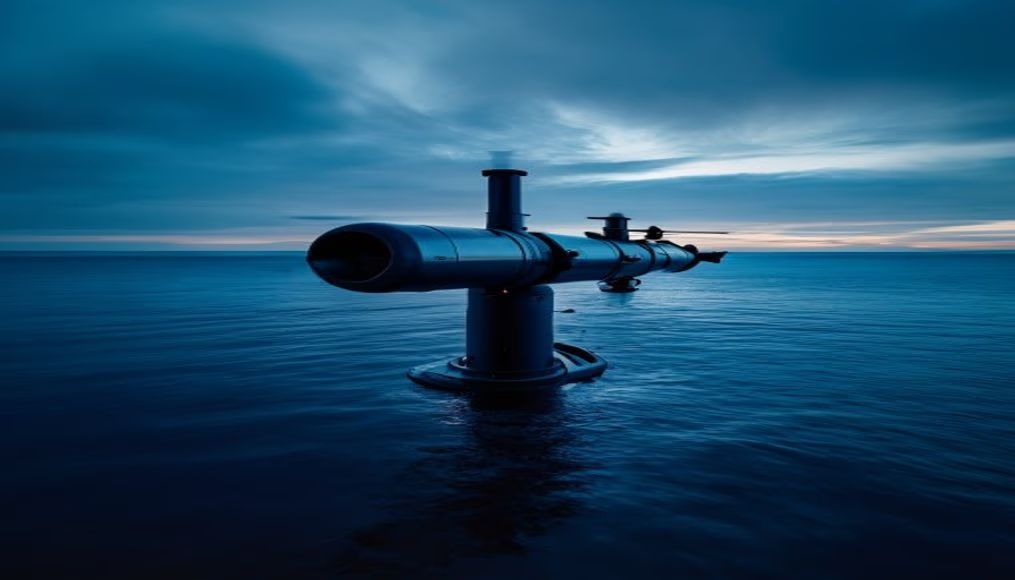
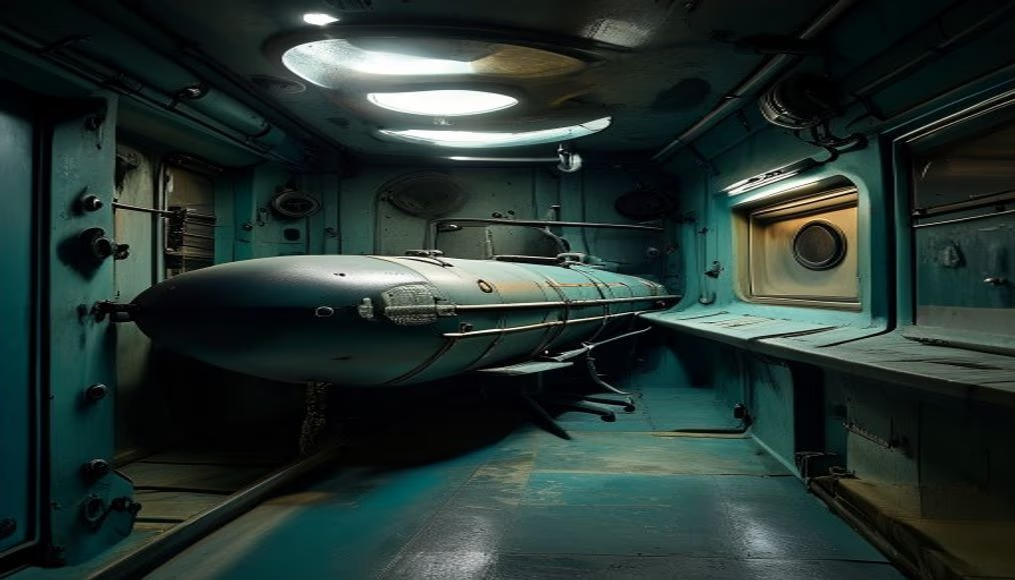
Submarines surface through complex navigation maneuvers, combining military technology and scientific exploration in global oceans.
About this subject
Submarines are vessels designed to operate submerged, capable of surfacing as mission requirements dictate. The surfacing maneuver involves controlled adjustments of ballast tanks, propulsion, and trim systems. Unlike short-duration submersibles, military and research submarines can remain underwater for weeks, making surface time critical for communication, resupply, and ventilation.
Historically, the first successful military submarine was USS Holland (SS-1), launched in 1897. Technological evolution has produced classes such as the nuclear-powered Ohio-class ballistic missile submarines and the fast-attack Virginia-class. Brazil's Navy operates submarines like Tikuna (S34) and is developing the nuclear-powered SN-BR. Surfacing requires precision: the commander calculates depth, bow angle, and speed to avoid collisions and ensure stability. The procedure varies by submarine type: diesel-electric boats often surface to snorkel and recharge batteries, while nuclear submarines can remain submerged for months, only surfacing for crew rotation or maintenance.
In civilian contexts, research submarines like Alvin (USA) and Shinkai 6500 (Japan) conduct deep dives for geological and biological studies. Upon surfacing, they retrieve sediment cores and organisms from ocean trenches. Surface time also allows for crew rest, fresh food supplies, and emergency evacuations. Non-nuclear submarines must surface every few days to run diesel generators, producing noise that can compromise stealth. Acoustic stealth is a priority during surfacing; modern submarines use pump-jet propulsors and anechoic coatings to minimize detection.
Safety during surfacing relies on high-pressure ballast systems and emergency blow valves. Emergency surfacing is executed in crises like flooding or fire, causing the hull to burst above the waterline. In polar regions, surfacing requires careful navigation to avoid ice keels; submarines can break through thin ice or locate leads. International law, such as UNCLOS, governs submarine operations, including rights of innocent passage while surfaced and submerged transit in straits. Military submarines typically surface only in international waters or with permission, maintaining covertness unless needed for communication or port entry.
Frequently Asked Questions
Why do submarines need to surface frequently?
Diesel-electric submarines surface every few days to recharge batteries using diesel generators, as they cannot generate power while submerged for long periods. Nuclear submarines can stay submerged for months and surface mainly for crew rotation, food resupply, and external equipment maintenance.
What is the difference between normal surfacing and emergency surfacing?
Normal surfacing is a controlled, planned maneuver to bring the submarine to the surface. Emergency surfacing (or emergency blow) is used in critical situations like flooding or fire. High-pressure air rapidly expels ballast water, causing the submarine to ascend abruptly, often with a violent leap above the waterline.
Can submarines surface under polar ice?
Yes, military and research submarines can surface in polar regions. They use ice-detection sonar to find thin ice or leads (cracks). In emergencies, they may break through several meters of ice using reinforced hull strength, but this is risky and damages the outer hull.
Direct URL
https://pub-c7d6a6ea828543ac903a74a341ccb2e1.r2.dev/imagens/submarine-surfacing-ocean-isometric-flat-lay-p11.avifHow to credit
Include a visible link back to UtilizAí. Copy one of the snippets below:
<a href="https://xn--utiliza-eza.com/en/midia/imagens/submarine-surfacing-ocean-isometric-flat-lay-p11">Submarine surfacing ocean</a> by <a href="https://xn--utiliza-eza.com">UtilizAí</a>, licensed under <a href="https://creativecommons.org/licenses/by/4.0/">CC BY 4.0</a>.
[Submarine surfacing ocean](https://xn--utiliza-eza.com/en/midia/imagens/submarine-surfacing-ocean-isometric-flat-lay-p11) by [UtilizAí](https://xn--utiliza-eza.com), CC BY 4.0
License: CC-BY-4.0