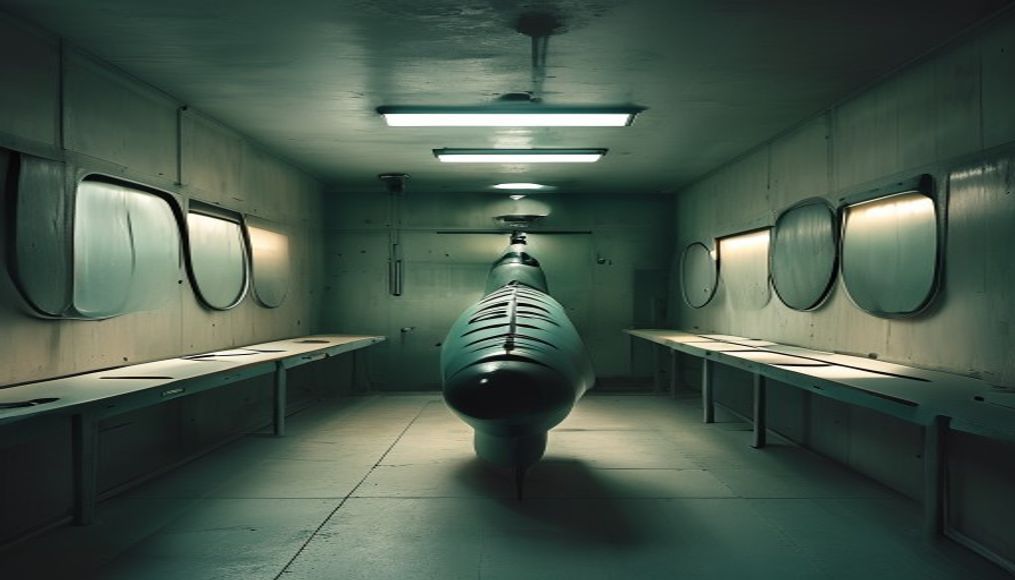
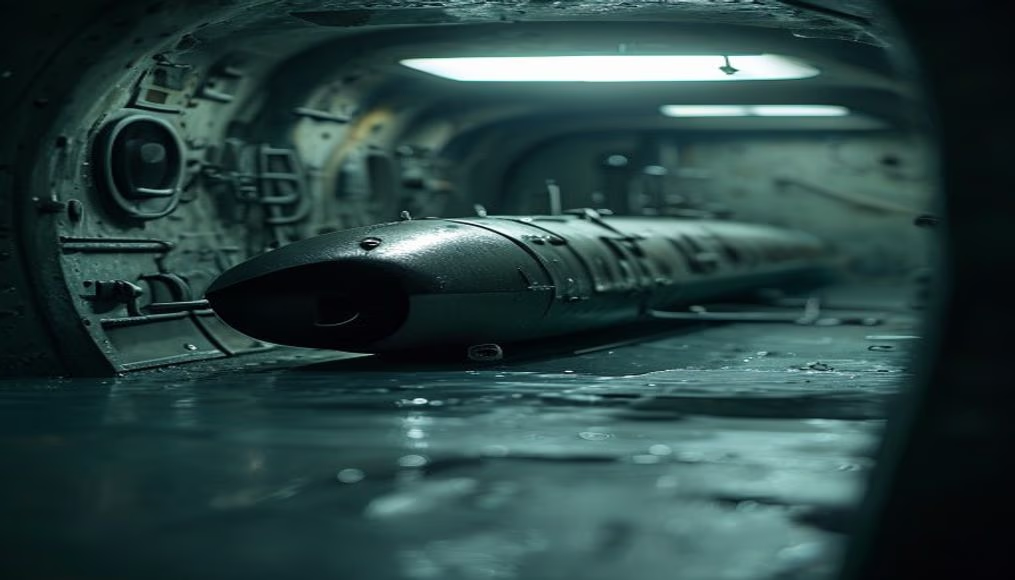
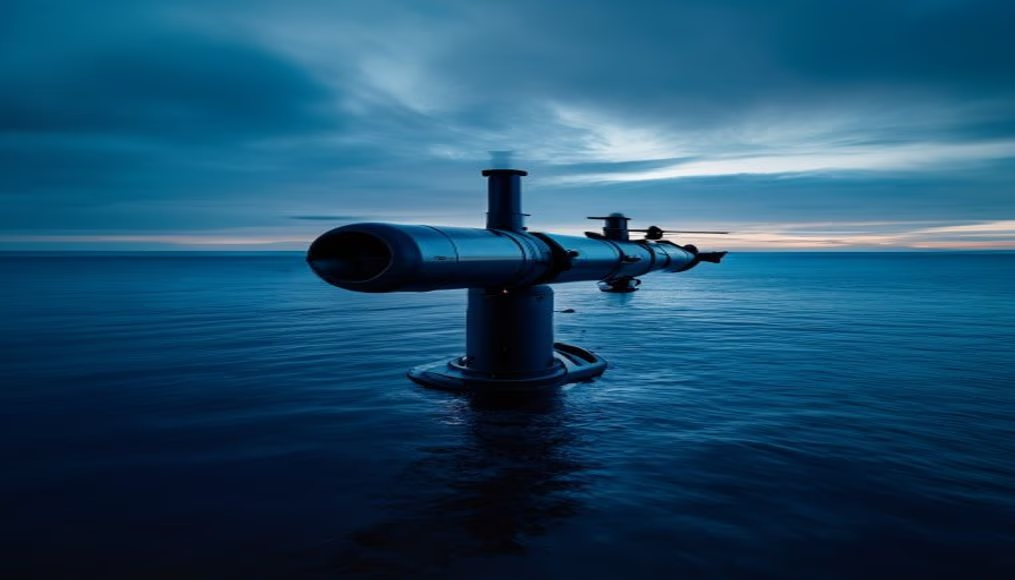
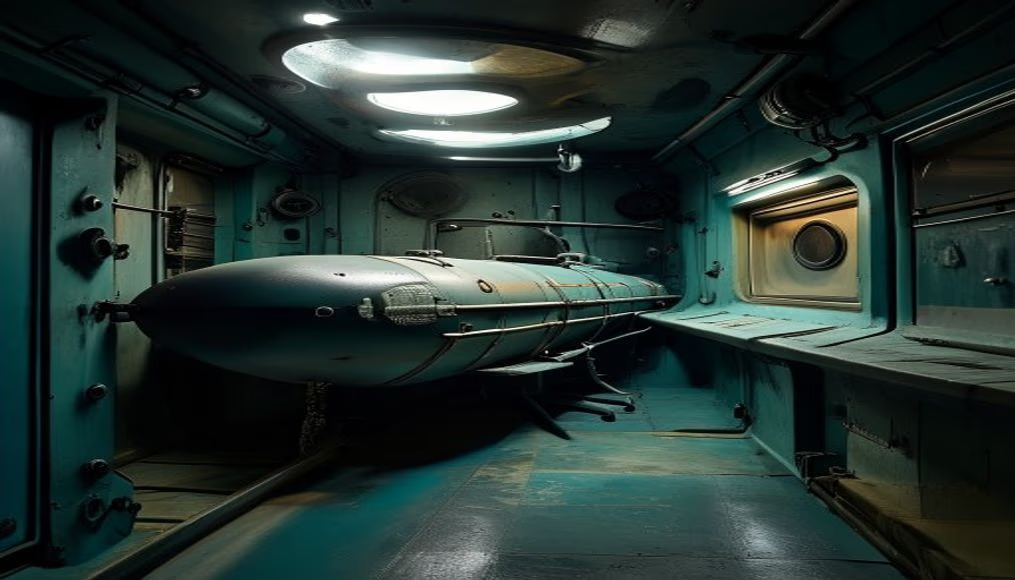
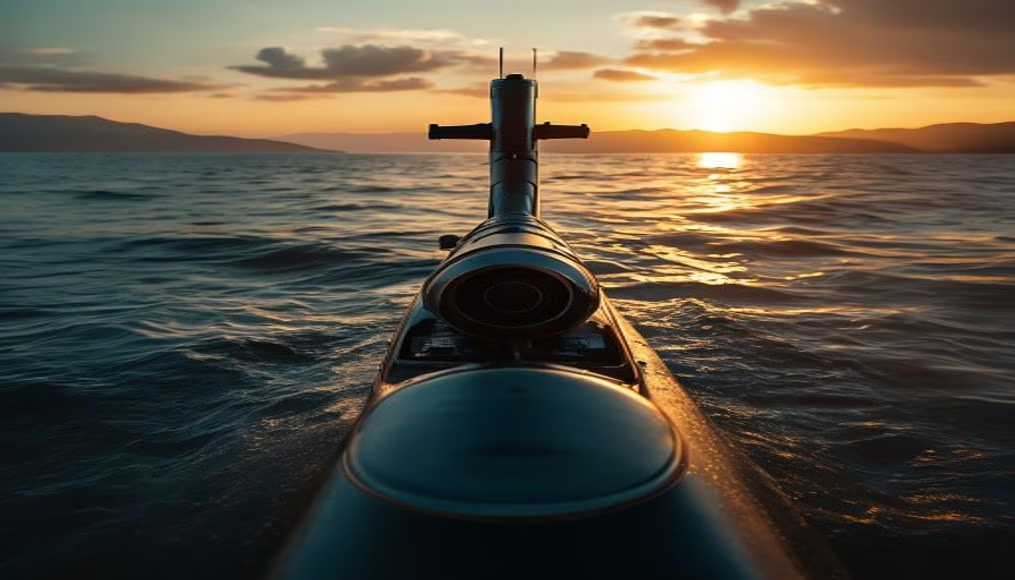
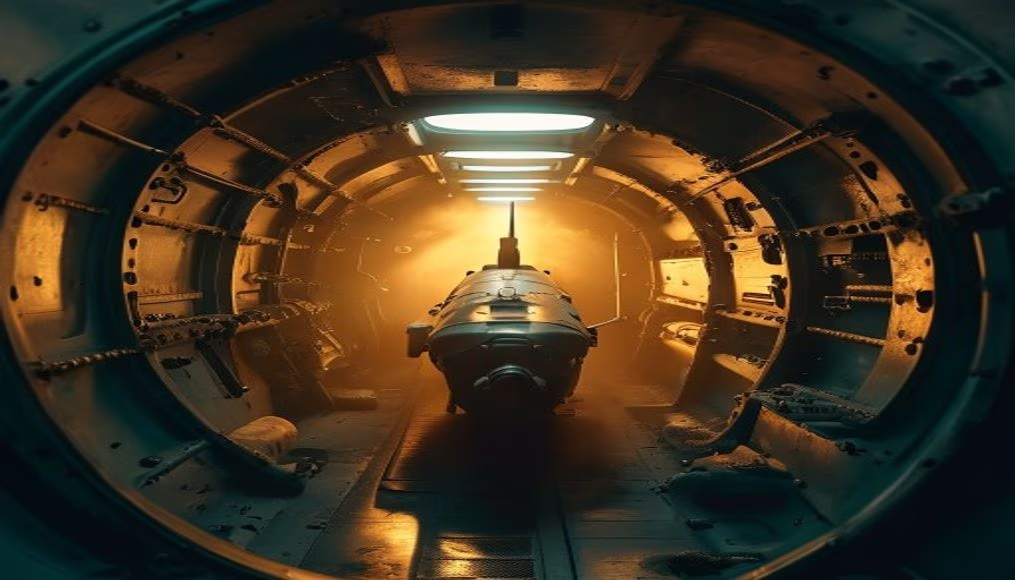
Submarine surfacing ocean
1344×768 · AVIF · CC BY 4.0
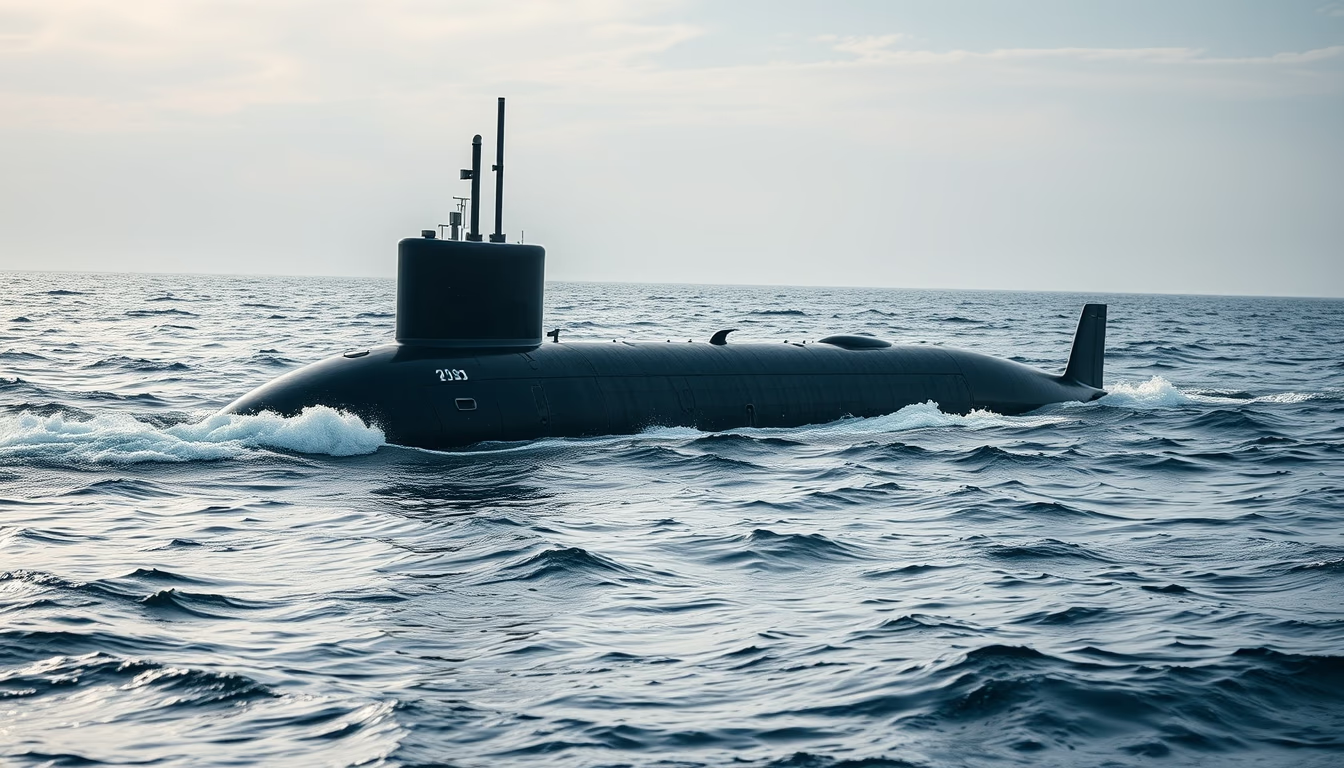
A submarine surfacing in the ocean represents a transition between two worlds, merging naval engineering and military strategy.
About this subject
The movement of a submarine surfacing on the ocean surface is one of the most iconic moments of underwater navigation. This process, known as "surfacing," involves precise control of ballast tanks to adjust the vessel's buoyancy. Modern submarines, such as the Los Angeles class or Brazil's Tikuna class, use compressed air systems to expel water from the tanks, allowing the vessel to rise gradually. The maneuver requires careful coordination to avoid collisions with surface vessels and ensure crew safety.
Strategic importance of surfacing extends beyond mere movement. During the Cold War, nuclear submarines briefly surfaced to exchange communications or launch missiles, but today technology allows them to stay submerged for months. The surfacing moment is also critical for rescue missions, as seen with the ARA San Juan submarine, which disappeared in 2017, when search efforts focused on the potential surfacing area. In Brazil, the Navy operates conventional submarines and the future nuclear submarine SN-10, scheduled for 2034, which will require advanced surfacing techniques.
Culturally, the image of a submarine cutting through waves evokes both admiration for engineering and concern for maritime geopolitics. Films like "The Crimson Tide" and Tom Clancy novels popularized this scene, associating it with suspense and naval power. Technically, ascent speed varies by design: military submarines prefer fast surfacing to minimize exposure, while research vehicles opt for slower ascents to avoid disturbing marine ecosystems. Regardless of purpose, the act of surfacing symbolizes the link between the hidden world of the depths and the visible surface, a recurring theme in naval art and documentation.
Frequently Asked Questions
How does a submarine manage to surface in the ocean?
The submarine uses ballast tanks that are filled with water to submerge; to surface, it injects compressed air into these tanks, expelling water and increasing buoyancy.
What is the difference between nuclear and conventional submarines in the surfacing process?
Nuclear submarines can stay submerged for months and surface less frequently, while conventional ones need to surface every few days to recharge batteries. The surfacing technique is similar, but nuclear ones have greater endurance.
Is there any risk when surfacing a submarine in the ocean?
Yes, risks include collision with surface vessels, failure of ballast systems, or hull damage. Therefore, the maneuver is carried out with careful monitoring and strict safety protocols.
Direct URL
https://pub-c7d6a6ea828543ac903a74a341ccb2e1.r2.dev/imagens/submarine-surfacing-ocean-fine-art-photography-p0.avifHow to credit
Include a visible link back to UtilizAí. Copy one of the snippets below:
<a href="https://xn--utiliza-eza.com/en/midia/imagens/submarine-surfacing-ocean-fine-art-photography-p0">Submarine surfacing ocean</a> by <a href="https://xn--utiliza-eza.com">UtilizAí</a>, licensed under <a href="https://creativecommons.org/licenses/by/4.0/">CC BY 4.0</a>.
[Submarine surfacing ocean](https://xn--utiliza-eza.com/en/midia/imagens/submarine-surfacing-ocean-fine-art-photography-p0) by [UtilizAí](https://xn--utiliza-eza.com), CC BY 4.0
License: CC-BY-4.0