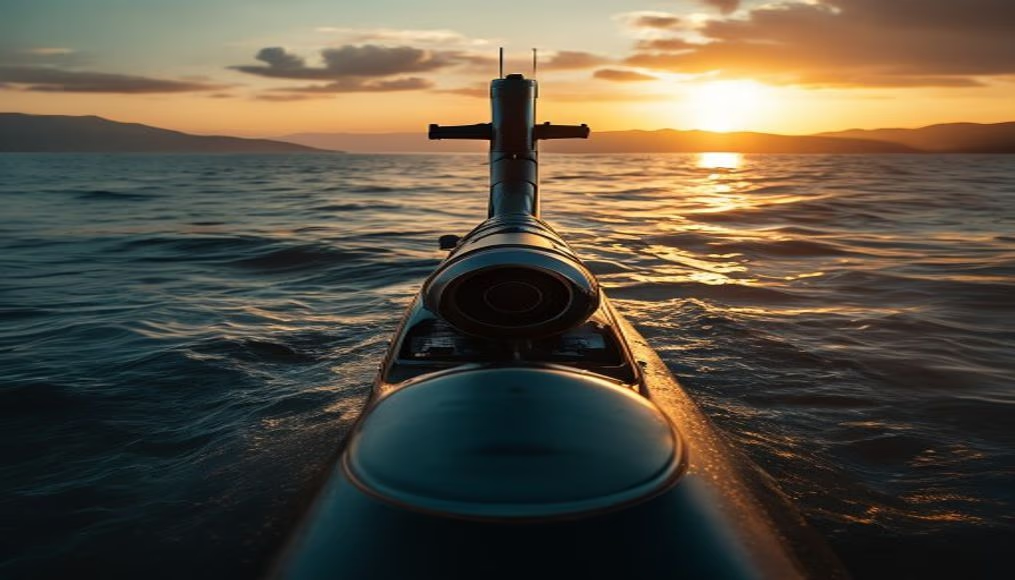
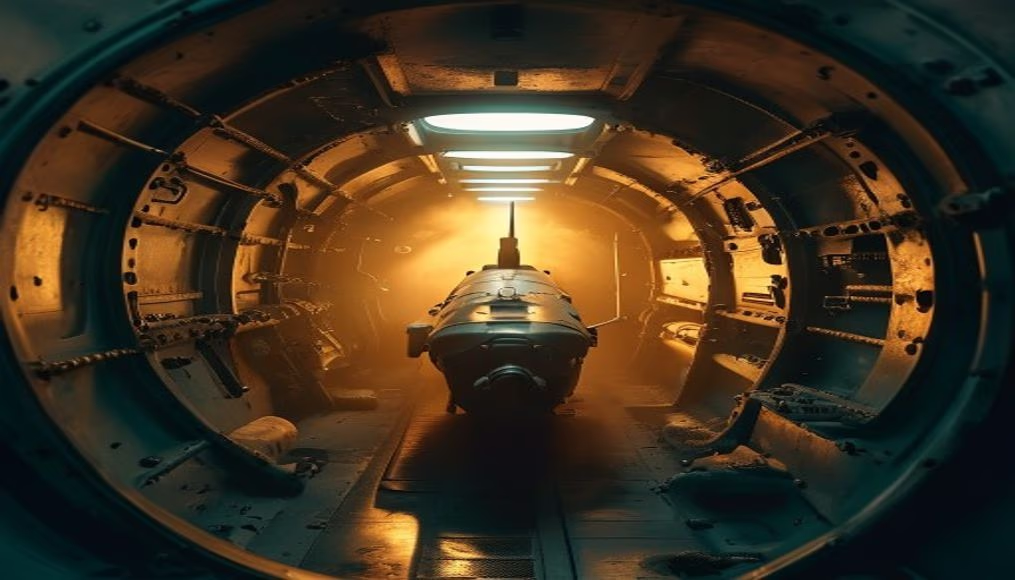
Submarine surfacing ocean
1344×768 · AVIF · CC BY 4.0
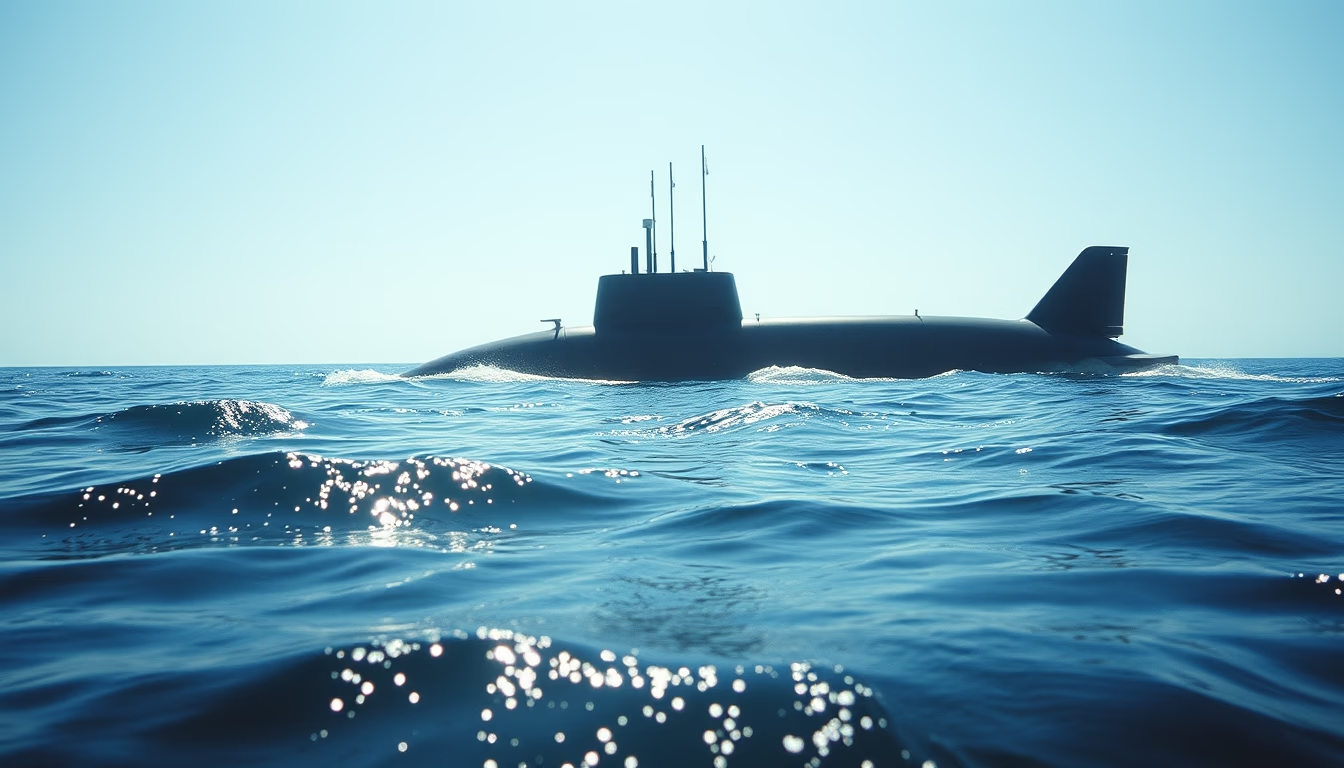
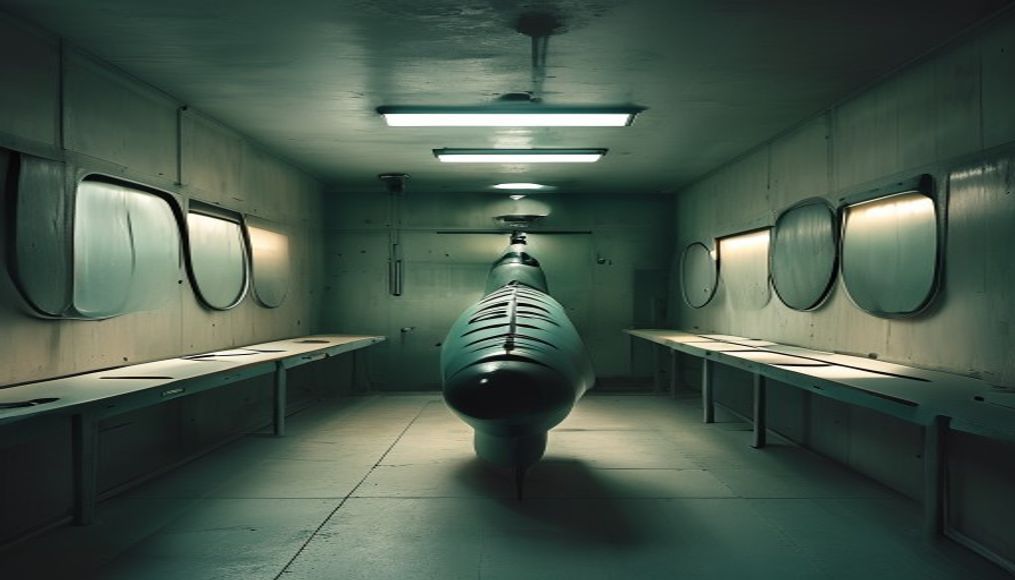
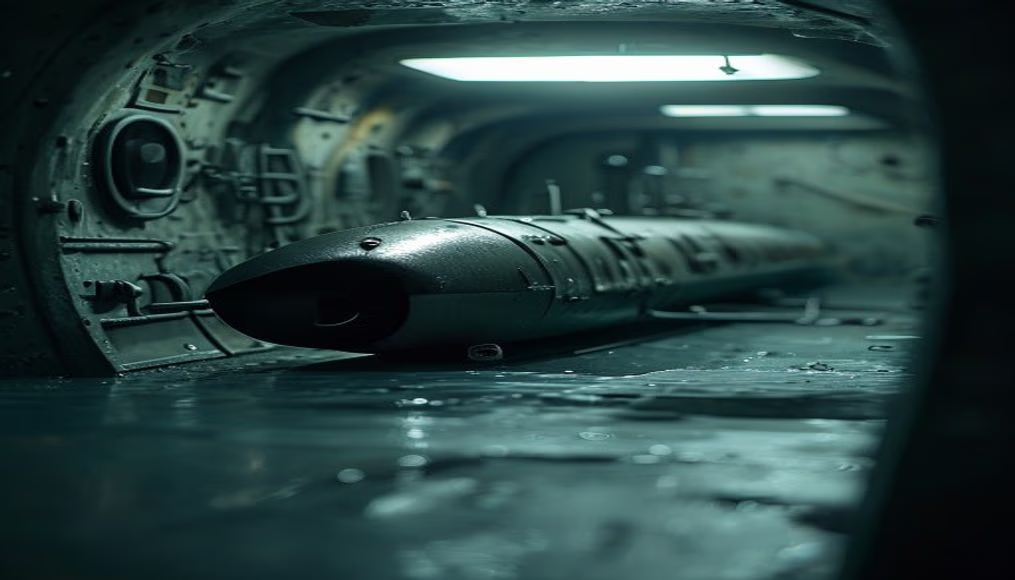
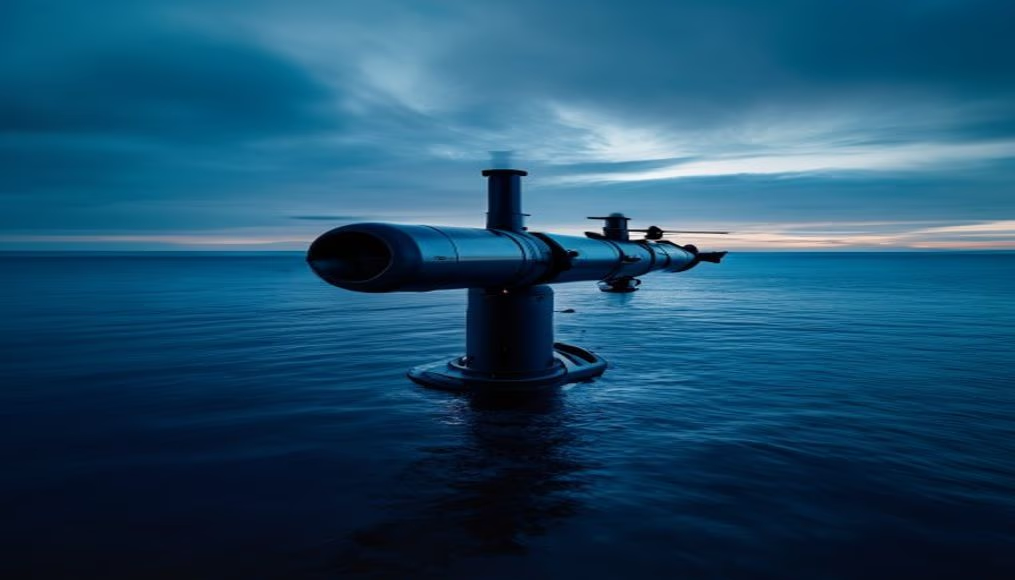
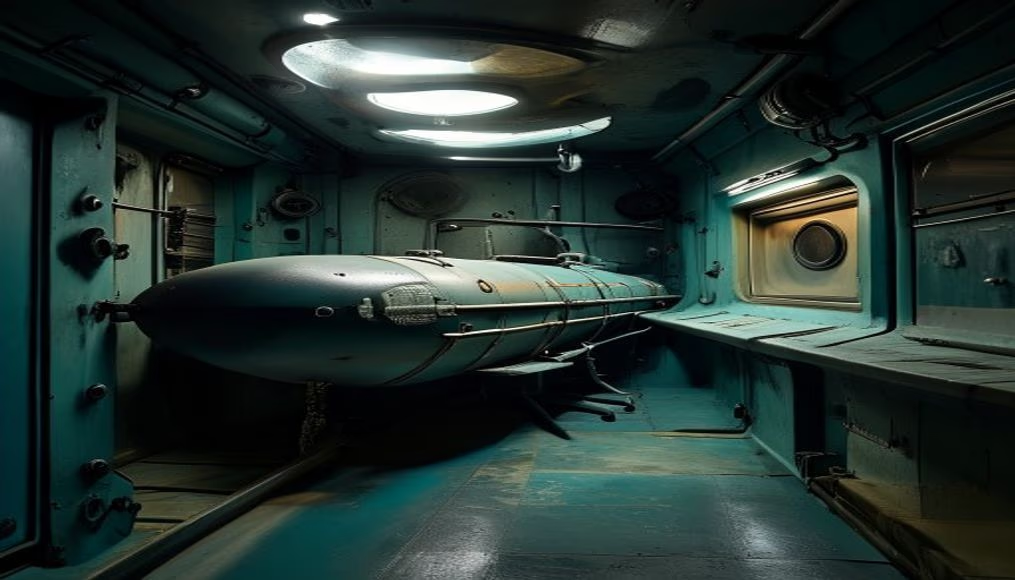
A submarine surfaces silently in the deep ocean, showcasing the cutting-edge naval engineering behind these military vessels.
About this subject
The submarine is one of the most stealthy and lethal platforms in modern naval warfare. The surfacing maneuver is a critical moment: the submarine uses its ballast tanks to expel water and gain positive buoyancy, rising controllably until it breaks the surface. This process requires precision to avoid collisions with ships or detection by passive sonar.
There are two main types of submarines: nuclear-powered, capable of remaining submerged for months, and conventional diesel-electric, which need to snorkel to recharge batteries. The first operational submarine was the USS Holland (1900), but it was during World War II that German U-boats revolutionized underwater combat. Today, submarines such as the Virginia class (USA) or Typhoon class (Russia) carry intercontinental ballistic missiles.
Modern submarines operate at depths exceeding 300 meters, with hulls made of high-strength steel or titanium. Their acoustic signature is drastically reduced by damping systems and low-noise propellers. Surfacing, besides being an operational maneuver, is also a show of force during military exercises.
Interestingly, the deepest submarine ever recorded was the Soviet K-278 Komsomolets, which reached 1,020 meters in 1985. However, most military submarines do not exceed 500 meters of operational depth. Surfacing in stormy conditions or polar ice requires special skills from the crew, who train extensively for these situations.
Frequently Asked Questions
How does a submarine surface?
The submarine uses ballast tanks filled with compressed air to expel seawater, increasing positive buoyancy. The propellers assist in controlled upward movement.
What is the maximum depth a military submarine can reach?
Most military submarines operate at depths of 300 to 500 meters. The record depth for a military submarine is 1,020 meters, achieved by the Soviet K-278 Komsomolets.
What is the difference between a nuclear and a diesel-electric submarine?
Nuclear submarines have reactors that allow continuous submersion for months without needing air. Diesel-electrics must surface periodically to run diesel generators and recharge batteries.
Direct URL
https://pub-c7d6a6ea828543ac903a74a341ccb2e1.r2.dev/imagens/submarine-surfacing-ocean-film-grain-authentic-p7.avifHow to credit
Include a visible link back to UtilizAí. Copy one of the snippets below:
<a href="https://xn--utiliza-eza.com/en/midia/imagens/submarine-surfacing-ocean-film-grain-authentic-p7">Submarine surfacing ocean</a> by <a href="https://xn--utiliza-eza.com">UtilizAí</a>, licensed under <a href="https://creativecommons.org/licenses/by/4.0/">CC BY 4.0</a>.
[Submarine surfacing ocean](https://xn--utiliza-eza.com/en/midia/imagens/submarine-surfacing-ocean-film-grain-authentic-p7) by [UtilizAí](https://xn--utiliza-eza.com), CC BY 4.0
License: CC-BY-4.0