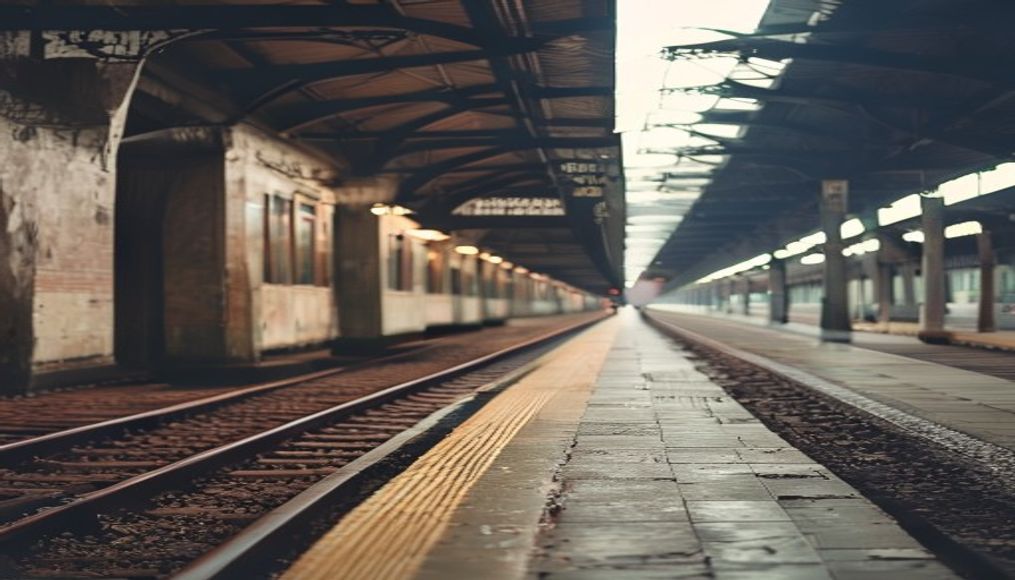
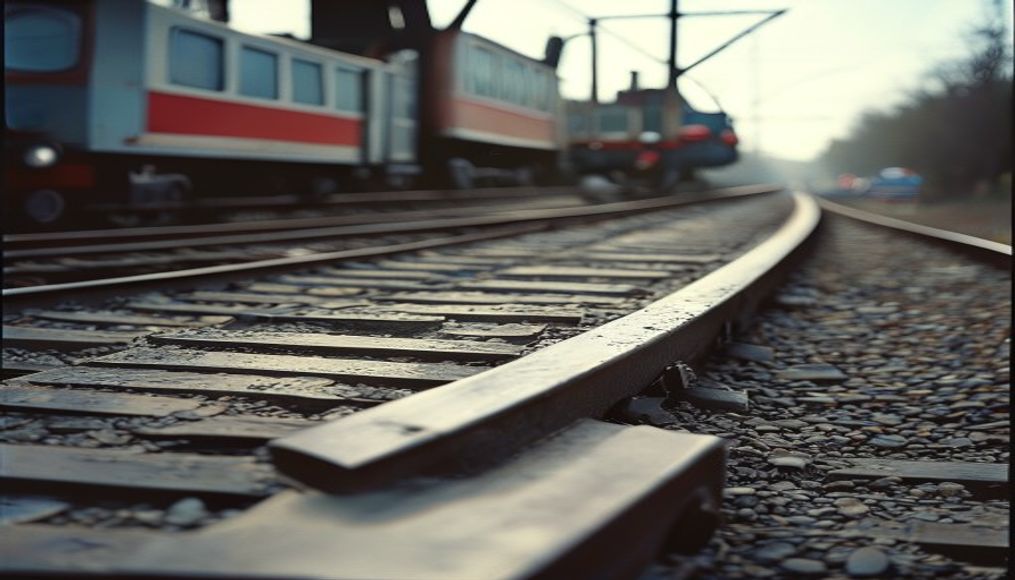
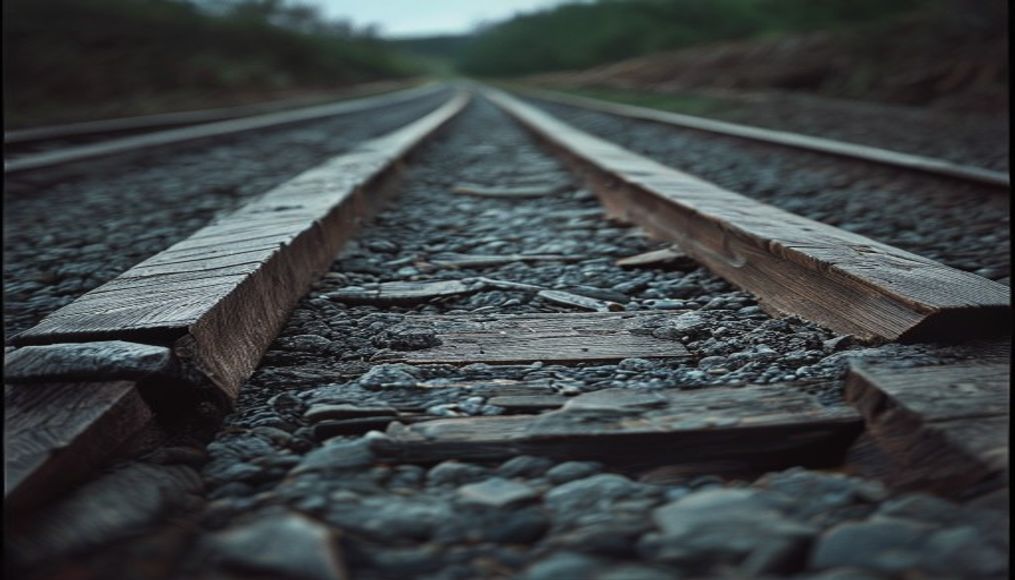
Steam locomotive vintage
1344×768 · JPG · CC BY 4.0
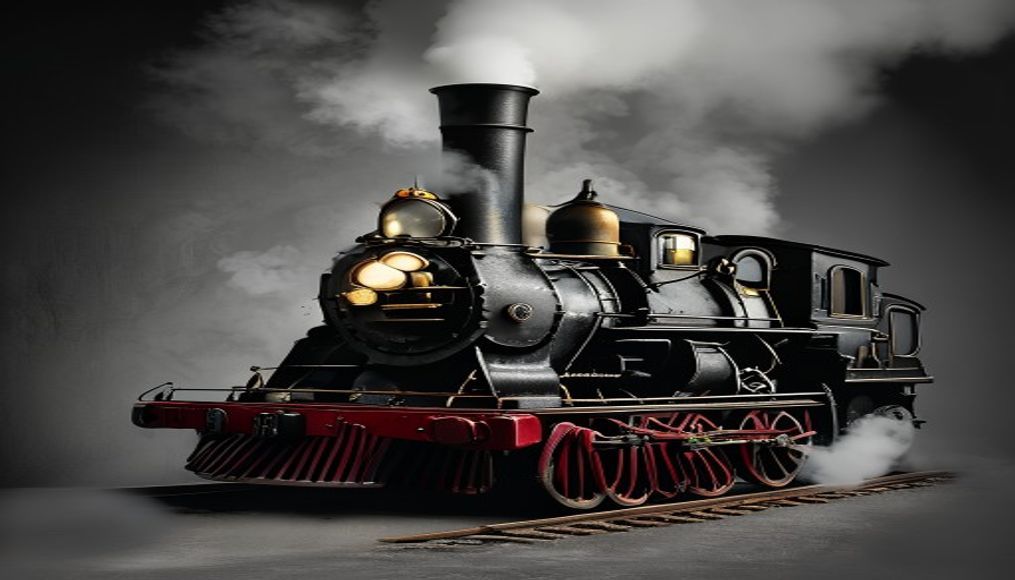
Discover the history of vintage steam locomotives, icons of the industrial revolution that transformed global railway transportation.
About this subject
Vintage steam locomotives represent a golden era of rail transportation, from the mid-19th to the mid-20th century. These vehicles used a steam engine that burned coal or wood to heat water in a boiler, producing steam that moved pistons and wheels. The first practical steam locomotive was built by George Stephenson in 1814 in England, and his 'Rocket' model won the Rainhill Trials in 1829, setting the standard for future railways. In Brazil, steam locomotives arrived in 1854 with the inauguration of the Mauá Railway in Rio de Janeiro, connecting the port to Petrópolis.
Operating and maintaining these machines required specialized knowledge. The driver and firefighter worked together to control steam pressure and fuel combustion. Many locomotives had proper names and unique visual identification, with ornate paintwork and brass details. Major manufacturers included Baldwin, ALCO, and Beyer-Peacock. In Brazil, the Paulista Railway Company and the Mineira Railway operated emblematic models, such as the 'Maria Fumaça' locomotives, an affectionate nickname that became popular.
Culturally, steam locomotives symbolize progress and adventure. They appear in classic films like 'The Polar Express' and literary works such as 'Around the World in Eighty Days'. Although gradually replaced by diesel and electric engines, many have been preserved in museums or on tourist lines. In Brazil, the Serra do Mar Railway (Paraná) and the São João del-Rei Railway (Minas Gerais) still run steam locomotives for tourists, keeping the railway tradition alive.
A curiosity: the fastest steam locomotive in the world was the British Mallard, which reached 202 km/h in 1938. The largest was the Union Pacific 'Big Boy', 40 meters long and over 500 tons. These machines are testimonies to past engineering and continue to fascinate enthusiasts.
Frequently Asked Questions
What was the first steam locomotive in Brazil?
The first steam locomotive to operate in Brazil was 'Baronesa', in 1854, on the Mauá Railway in Rio de Janeiro, linking Mauá Port to Petrópolis.
Why were steam locomotives replaced?
They were replaced by diesel and electric locomotives because they are more efficient, require less maintenance, pollute less, and have greater power and speed.
Where can I see steam locomotives operating in Brazil today?
You can see steam locomotives in tourist operation in places like the Serra do Mar Railway (Paraná) and the São João del-Rei Railway (Minas Gerais), as well as railway museums.
Direct URL
https://pub-c7d6a6ea828543ac903a74a341ccb2e1.r2.dev/imagens/steam-locomotive-vintage-studio-editorial-portrait-p4.jpgHow to credit
Include a visible link back to UtilizAí. Copy one of the snippets below:
<a href="https://xn--utiliza-eza.com/en/midia/imagens/steam-locomotive-vintage-studio-editorial-portrait-p4">Steam locomotive vintage</a> by <a href="https://xn--utiliza-eza.com">UtilizAí</a>, licensed under <a href="https://creativecommons.org/licenses/by/4.0/">CC BY 4.0</a>.
[Steam locomotive vintage](https://xn--utiliza-eza.com/en/midia/imagens/steam-locomotive-vintage-studio-editorial-portrait-p4) by [UtilizAí](https://xn--utiliza-eza.com), CC BY 4.0
License: CC-BY-4.0