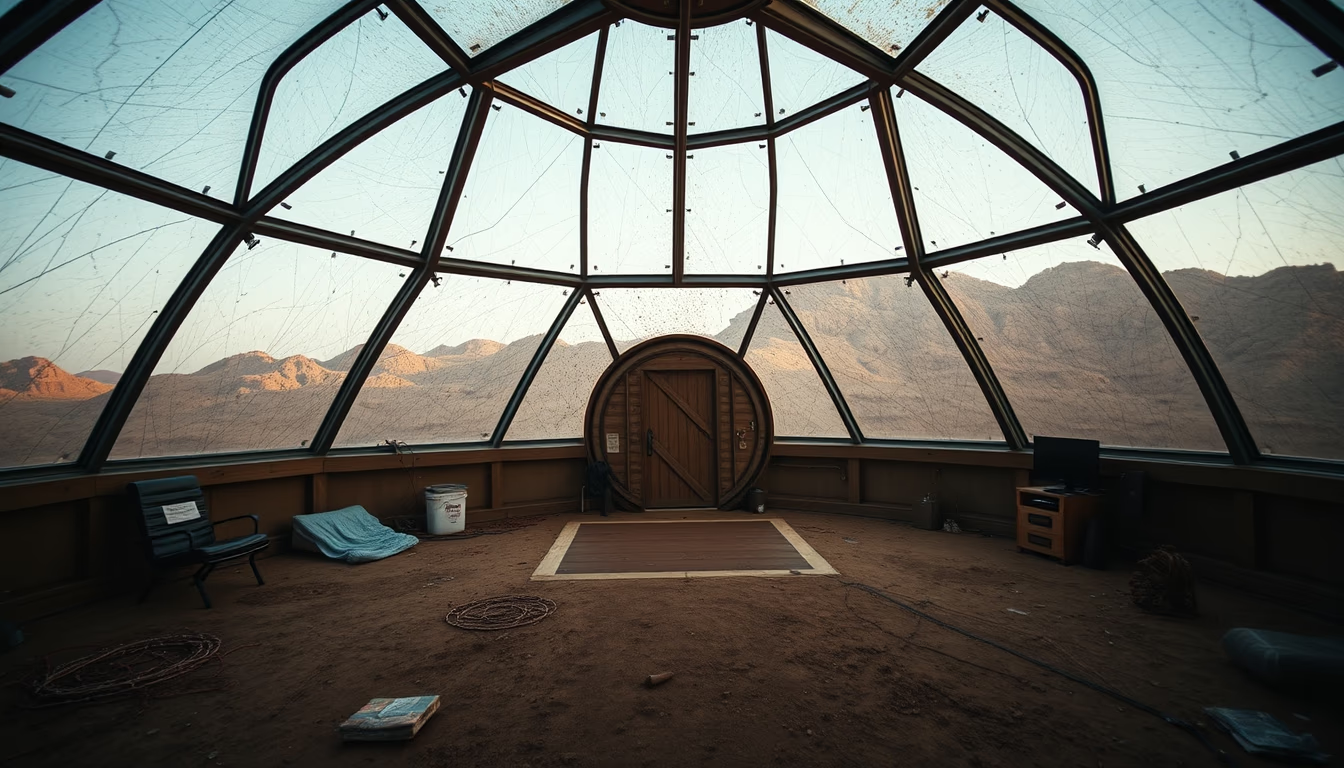
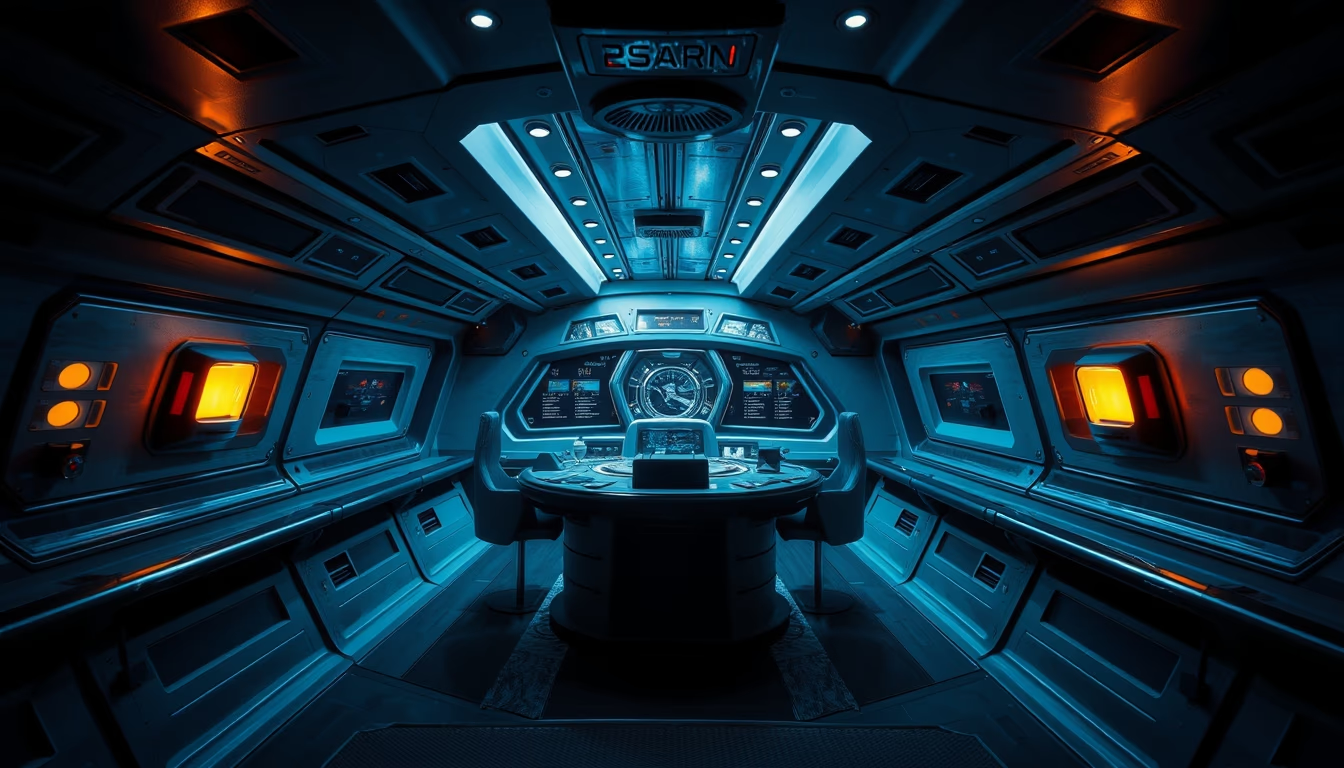
Starship interior bridge
1344×768 · AVIF · CC BY 4.0
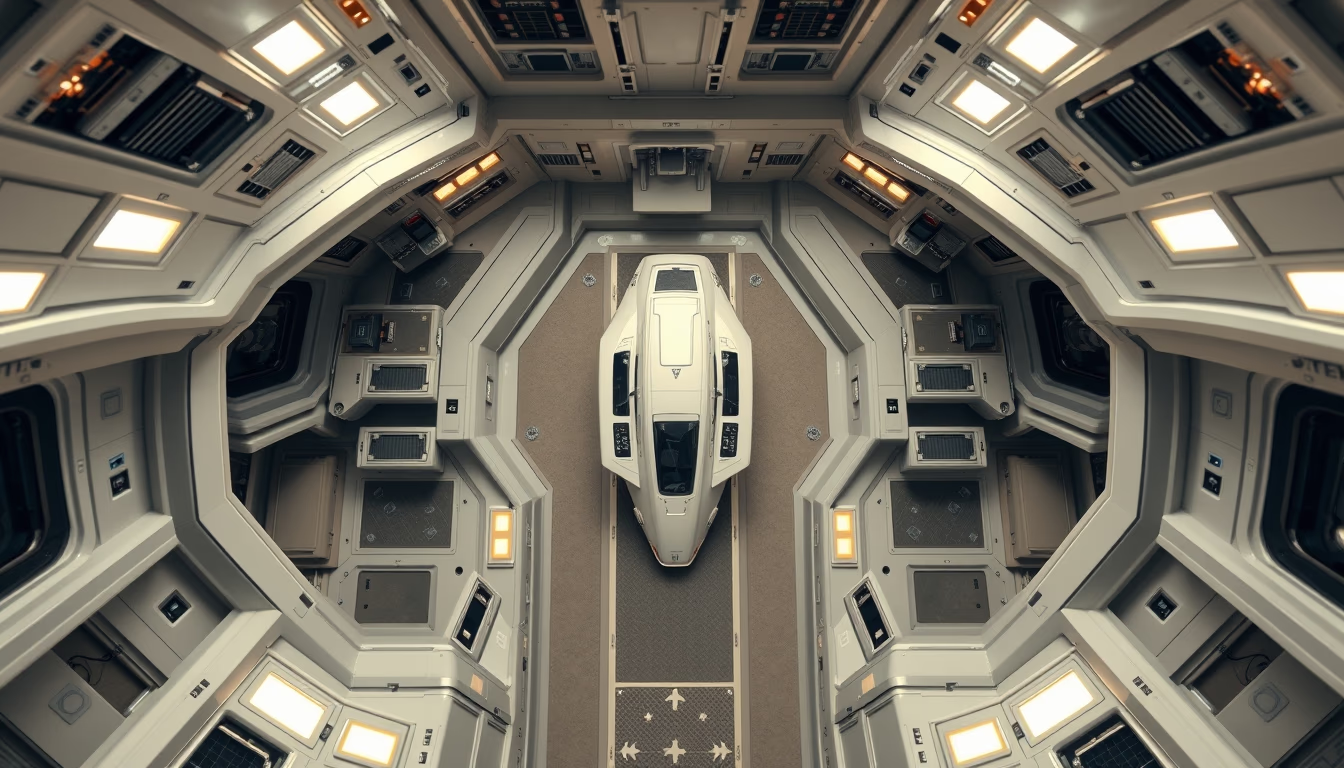
A fictional starship command bridge blends functional design with futuristic aesthetics, drawing inspiration from real cockpits and sci-fi visions.
About this subject
The command bridge is the nerve center of any fictional starship, a concept that dates back to early science fiction films. Unlike the cramped command modules of real spacecraft, such as the Apollo, fictional bridges are designed to maximize visual impact and command hierarchy. The isometric flat lay layout provides a complete view of the environment, highlighting workstations, holographic screens, and the iconic captain's chair. This arrangement is common in strategy and simulation games, where spatial clarity is essential for quick decision-making. Bridge aesthetics have evolved over time: in the 1960s, the style was analog, with many buttons and CRT screens; in the 21st century, minimalist surfaces and 3D projections dominate, influenced by technologies like augmented reality and touchscreens. The design also reflects the crew's culture: military ships have more austere bridges, while civilian or exploration ships are more open and well-lit. The arrangement of seats and monitors follows ergonomic and workflow principles, but always with a dose of visual spectacle. The popularity of series like Star Trek, Star Wars, and The Expanse has established the bridge format as a central element of space narrative, where every detail communicates power, technology, and the spirit of adventure.
Frequently Asked Questions
Why are command bridges in movies so different from real spacecraft?
Real spacecraft prioritize efficiency and safety, with compact spaces. In movies, bridges are designed for storytelling, emphasizing hierarchy and visual impact.
What elements are common in sci-fi bridges?
Modular workstations, holographic screens, a central captain's chair, and illuminated control panels. Often include a large main view screen showing outer space.
How did real technology influence the design of fictional bridges?
Innovations like touchscreens, augmented reality, and LED displays inspired minimalist surfaces and interactive projections, replacing physical buttons and analog dials.
Direct URL
https://pub-c7d6a6ea828543ac903a74a341ccb2e1.r2.dev/imagens/starship-interior-bridge-isometric-flat-lay-fresh15.avifHow to credit
Include a visible link back to UtilizAí. Copy one of the snippets below:
<a href="https://xn--utiliza-eza.com/en/midia/imagens/starship-interior-bridge-isometric-flat-lay-fresh15">Starship interior bridge</a> by <a href="https://xn--utiliza-eza.com">UtilizAí</a>, licensed under <a href="https://creativecommons.org/licenses/by/4.0/">CC BY 4.0</a>.
[Starship interior bridge](https://xn--utiliza-eza.com/en/midia/imagens/starship-interior-bridge-isometric-flat-lay-fresh15) by [UtilizAí](https://xn--utiliza-eza.com), CC BY 4.0
License: CC-BY-4.0