Speedboat racing wave
1344×768 · AVIF · CC BY 4.0
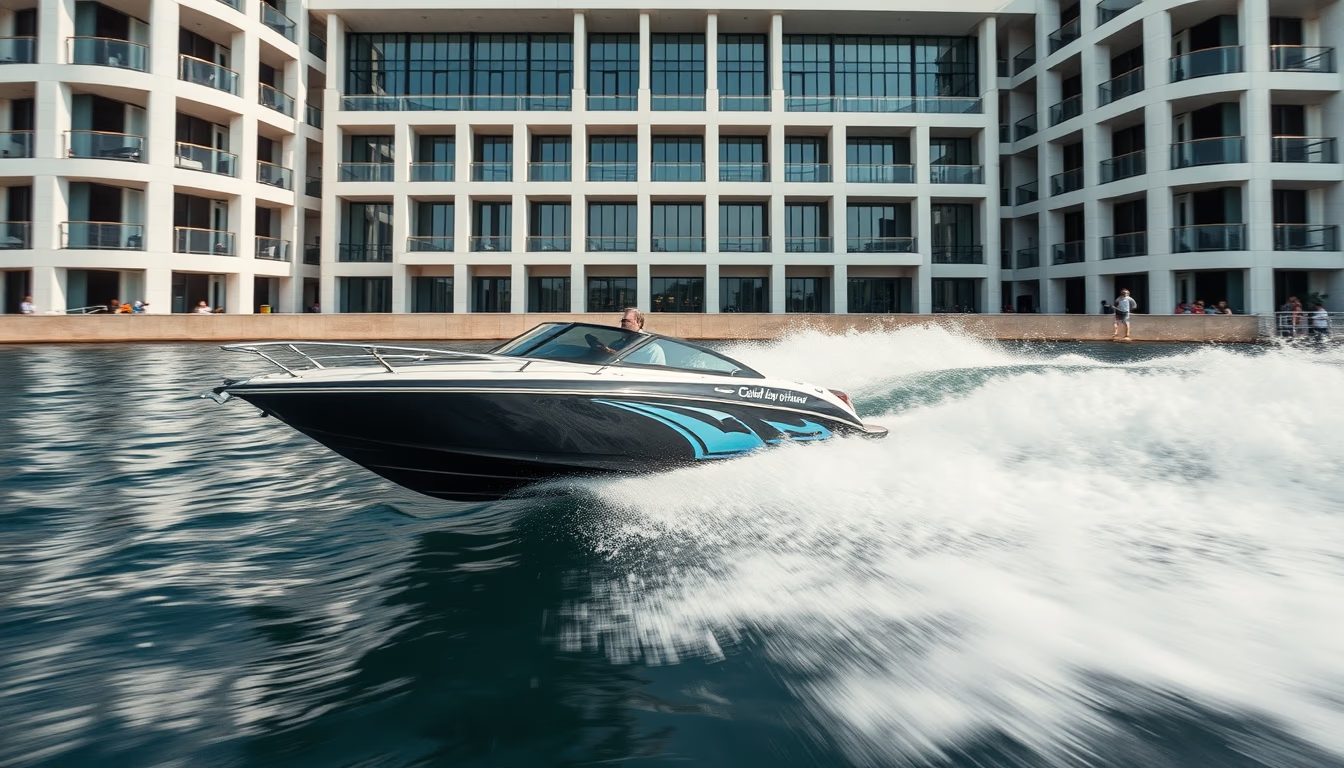
Speed, power and hydrodynamics define the sport of speedboat racing, where wave formation is as crucial as the engine.
About this subject
Speedboat racing, also known as powerboat racing, is a water sport that combines advanced engineering and extreme piloting. Specially designed boats with high-power engines plane over water at speeds exceeding 200 km/h in categories such as F1 H2O or offshore racing. The formation of the bow wave is not just a visual effect; it directly influences hydrodynamic drag and vessel stability.
Wave generation in speedboat racing follows fluid physics principles. As the hull displaces water, it creates a bow wave and a stern wave; skilled pilots adjust trim and body position to minimize resistance and maximize lift. In competitions, the generated waves can exceed one meter in height and pose a danger to nearby boats, with minimum distances regulated on circuits.
Historically, the first speedboat races emerged in the early 20th century with steam and internal combustion engines. From the 1980s onward, materials like carbon fiber and hydrofoils revolutionized design. Today, events such as the Cowes-Torquay or the Key West Race attract teams from around the world. Brazil has a tradition in competitions like the Barcos de Fórmula 1, held in cities like Rio de Janeiro and São Paulo.
Fact: the highest speed ever recorded by a racing speedboat is 511 km/h (Spirit of Australia, 1978), but in official races boats are limited by safety regulations. Hydrodynamics remains a research area, with computer simulations optimizing hulls to reduce the environmental impact of waves and improve performance.
Frequently Asked Questions
What is the average speed of a racing speedboat?
In professional categories, speedboats reach between 180 and 250 km/h on straights, depending on the class and sea conditions. In F1 H2O, for example, average speeds are around 220 km/h.
How does the wave formed by the speedboat affect the competition?
The generated wave can destabilize opponent boats and interfere with navigation. Therefore, pilots plot routes to avoid others' wakes and use trim to control their own wave, seeking efficiency and safety.
Are there regulations for wave size in races?
Yes, federations establish minimum distances between boats to prevent collisions and reduced visibility. Additionally, organizers monitor sea conditions to ensure waves do not exceed safe limits.
Direct URL
https://pub-c7d6a6ea828543ac903a74a341ccb2e1.r2.dev/imagens/speedboat-racing-wave-architectural-photography-p10.avifHow to credit
Include a visible link back to UtilizAí. Copy one of the snippets below:
<a href="https://xn--utiliza-eza.com/en/midia/imagens/speedboat-racing-wave-architectural-photography-p10">Speedboat racing wave</a> by <a href="https://xn--utiliza-eza.com">UtilizAí</a>, licensed under <a href="https://creativecommons.org/licenses/by/4.0/">CC BY 4.0</a>.
[Speedboat racing wave](https://xn--utiliza-eza.com/en/midia/imagens/speedboat-racing-wave-architectural-photography-p10) by [UtilizAí](https://xn--utiliza-eza.com), CC BY 4.0
License: CC-BY-4.0