Spectrophotometer cuvettes
1344×768 · AVIF · CC BY 4.0
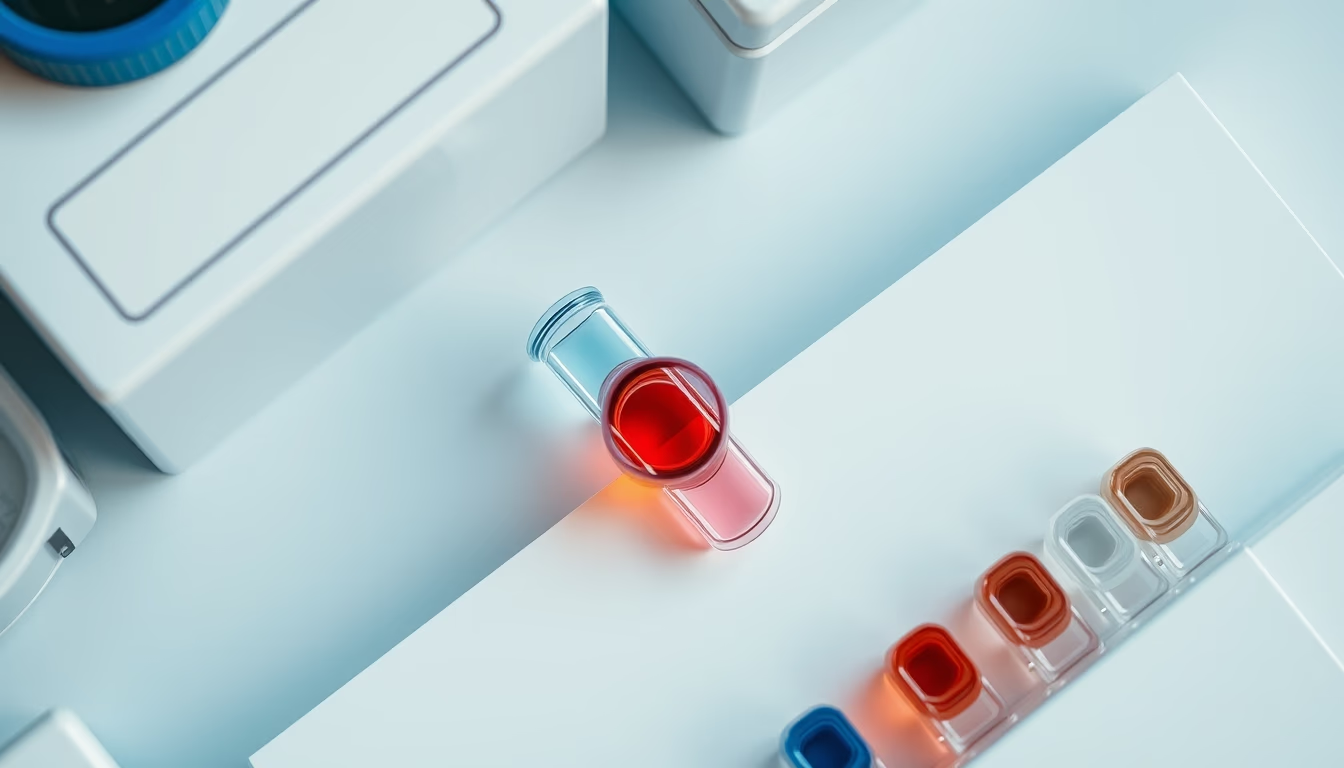
Spectrophotometer cuvettes are high-precision containers used to hold liquid samples during spectroscopic analysis in laboratories.
About this subject
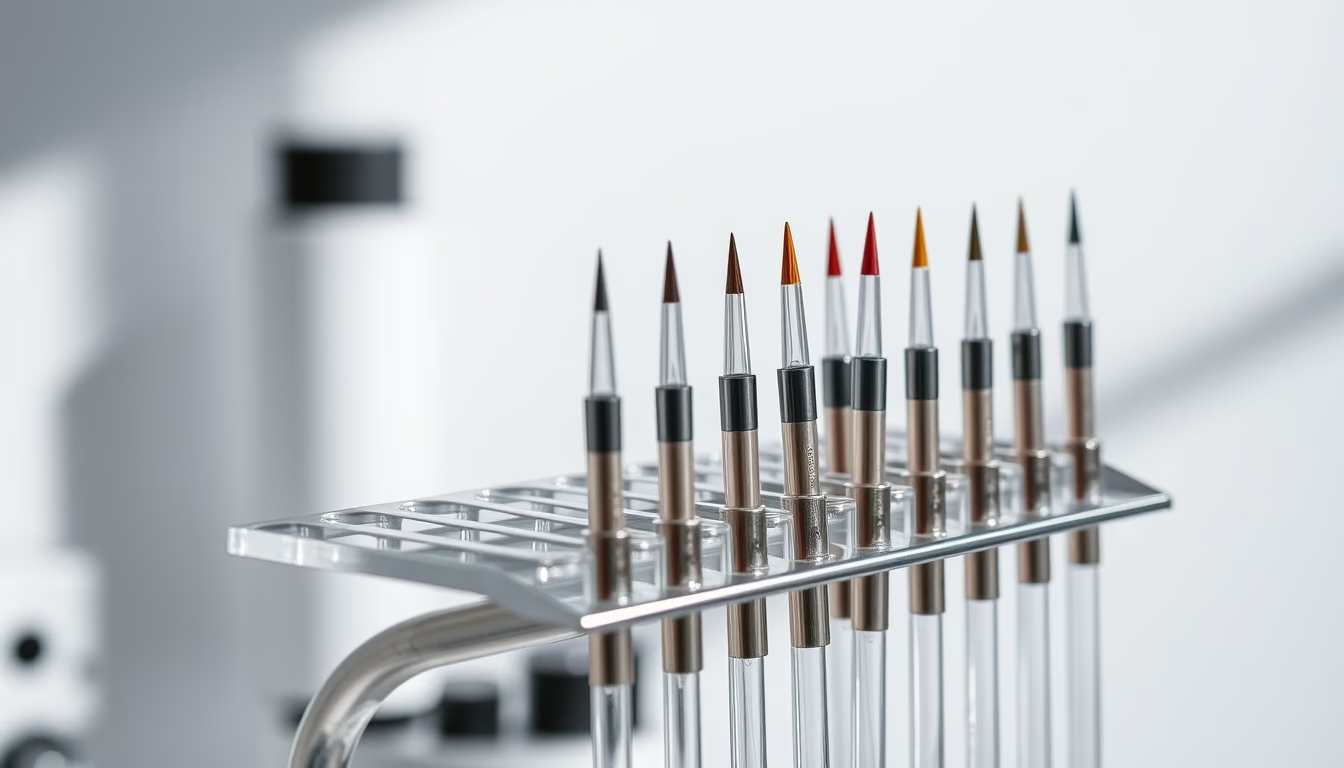
Spectrophotometer cuvettes, also called cells, are essential components in absorbance and transmittance analyses. Made from materials such as glass, quartz, or optical plastic (polystyrene, PMMA), each material is chosen based on the spectral range of interest: glass works well in the visible range, quartz allows ultraviolet (UV) measurements, and plastic is disposable for rapid assays. Cuvettes have standardized optical paths, typically 1 cm, ensuring reproducibility between measurements.
The most common design is the "macro" type with 3 to 4 mL capacity, but semi-micro (1 mL) and micro (50, 200 µL) versions exist for smaller volumes. The optical faces must be perfectly smooth and transparent to minimize light scattering. In double-beam spectrophotometers, a reference cuvette (containing only solvent) is used to zero the instrument.
A historical note: early cuvettes were made of ordinary glass, limiting analyses to the visible spectrum. From the 1940s onward, with the development of UV spectrophotometry, fused quartz became standard for wavelengths below 350 nm. Today, disposable plastic cuvettes are widely used in clinical and environmental assays, reducing cross-contamination risks.
Improper cuvette selection can introduce significant errors: plastic cuvettes absorb UV below 300 nm, and scratches on optical faces increase apparent absorbance. Therefore, laboratories follow cleaning protocols with dilute nitric acid or mild detergents, followed by rinsing with deionized water.
Frequently Asked Questions
What are the main cuvette materials and their applications?
Glass: for visible light (350, 800 nm). Quartz: for UV (190, 350 nm). Plastic (polystyrene or PMMA): disposable, for visible and near UV, but not below 300 nm.
How to properly clean spectrophotometer cuvettes?
Wash with mild detergent or dilute nitric acid, rinse with deionized water, and dry with compressed air. Avoid abrasive materials to prevent scratching the optical faces.
What is the difference between macro and micro cuvettes?
Macro cuvettes have a volume of 3 to 4 mL and a 1 cm path length. Micro cuvettes have volumes of 50 to 200 µL and are used for scarce samples.
Direct URL
https://pub-c7d6a6ea828543ac903a74a341ccb2e1.r2.dev/imagens/spectrophotometer-cuvettes-isometric-flat-lay-fresh4.avifHow to credit
Include a visible link back to UtilizAí. Copy one of the snippets below:
<a href="https://xn--utiliza-eza.com/en/midia/imagens/spectrophotometer-cuvettes-isometric-flat-lay-fresh4">Spectrophotometer cuvettes</a> by <a href="https://xn--utiliza-eza.com">UtilizAí</a>, licensed under <a href="https://creativecommons.org/licenses/by/4.0/">CC BY 4.0</a>.
[Spectrophotometer cuvettes](https://xn--utiliza-eza.com/en/midia/imagens/spectrophotometer-cuvettes-isometric-flat-lay-fresh4) by [UtilizAí](https://xn--utiliza-eza.com), CC BY 4.0
License: CC-BY-4.0