Spectrophotometer cuvettes
1344×768 · AVIF · CC BY 4.0
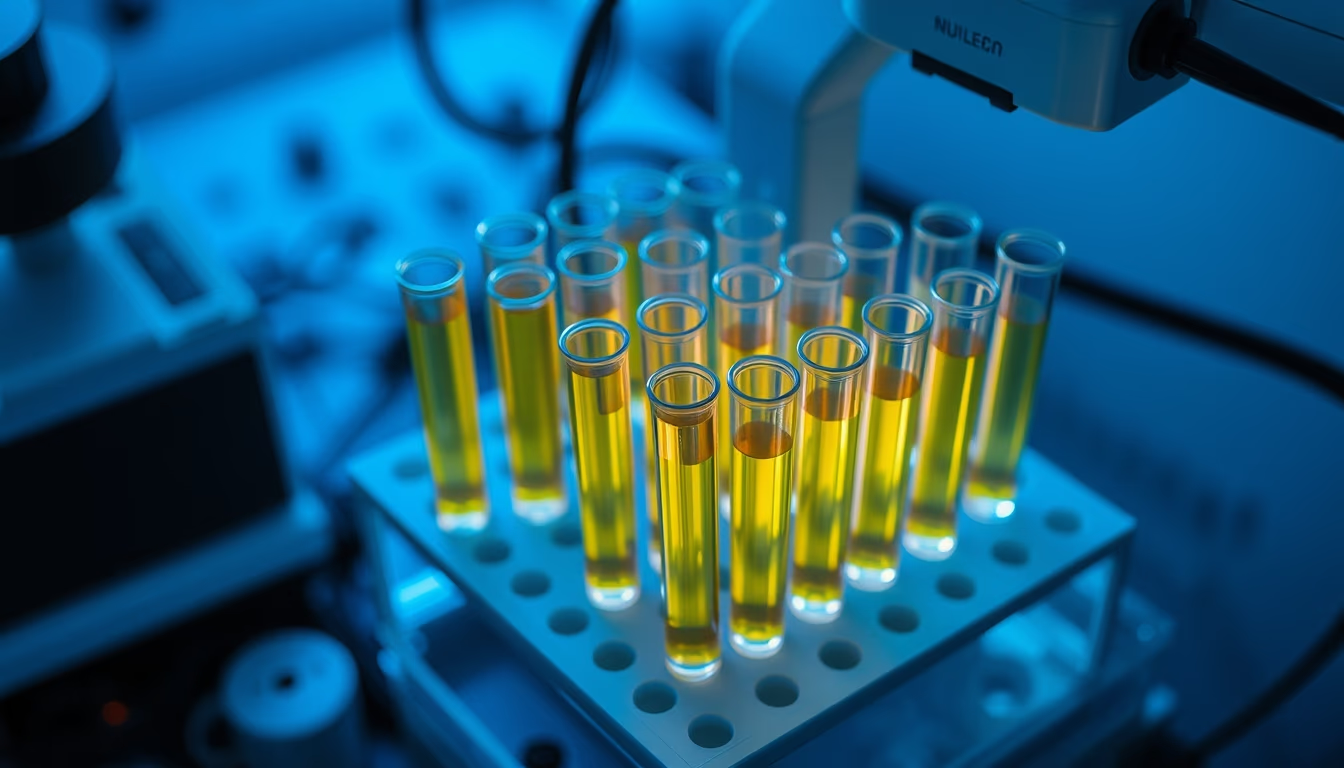
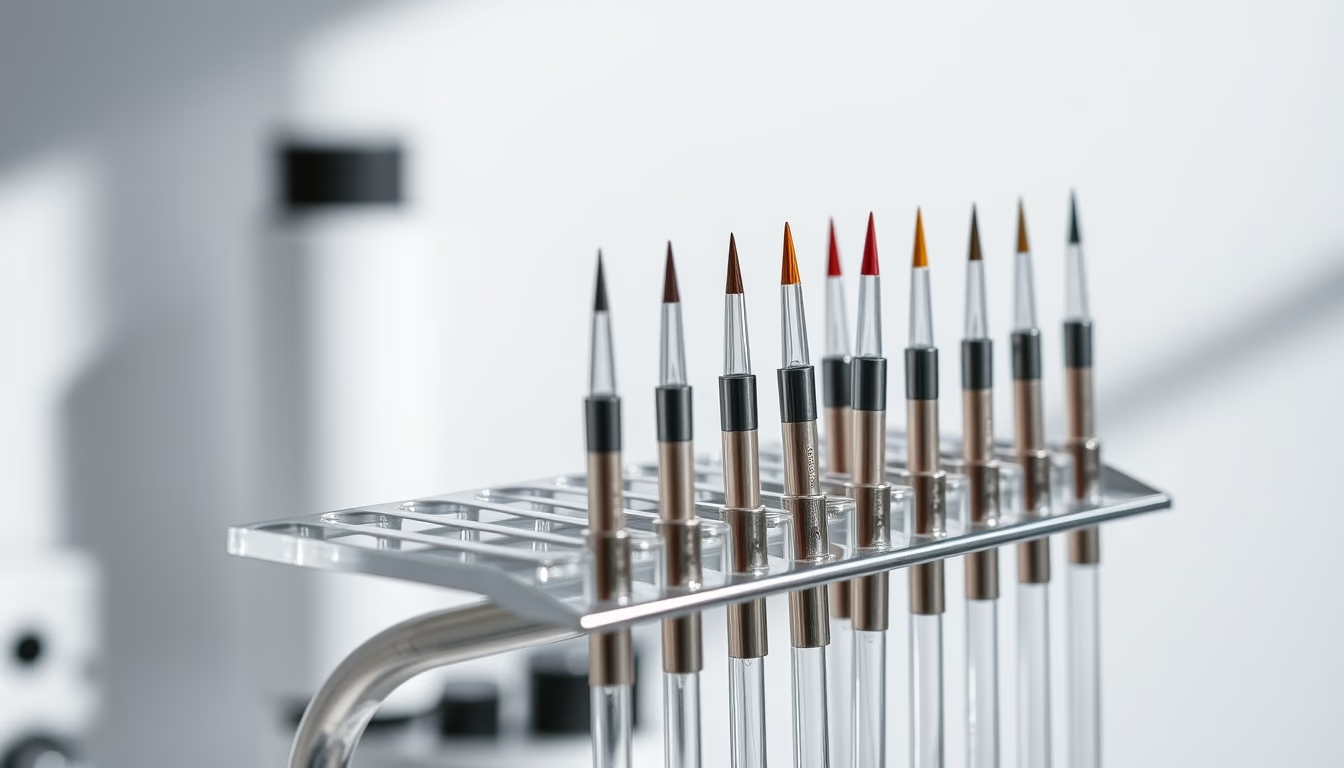
Spectrophotometer cuvettes are transparent containers used to hold liquid samples for absorbance and transmittance measurements in spectroscopy.
About this subject
Spectrophotometer cuvettes are indispensable tools in analytical laboratories, designed to hold liquid samples during optical measurements. They are typically made from glass, quartz, or plastic (polystyrene or polymethyl methacrylate). Glass cuvettes work well for visible light (380, 780 nm), while quartz cuvettes transmit ultraviolet light down to 190 nm. Plastic cuvettes are disposable and convenient for routine assays but are not resistant to harsh organic solvents.
Standard cuvettes have a rectangular shape with a 1 cm optical path length, though 2, 5, and 10 mm path lengths exist for small sample volumes. Proper orientation matters: the polished optical windows must face the light beam, while the frosted or opaque sides are for handling. Microvolume cuvettes allow measurements with only a few microliters, reducing reagent consumption.
The development of UV-Vis spectrophotometry by Arnold Beckman in the 1940s revolutionized chemical analysis. Cuvettes have since evolved with high-precision optical materials and anti-reflection coatings. High-quality quartz cuvettes can cost dozens of dollars each and require careful cleaning with appropriate solvents to avoid scratches and contamination.
A practical tip: plastic UV-cuvettes (methacrylate) are cheaper than quartz but degrade under prolonged UV exposure, so they are best for single use. Quartz cuvettes, if well maintained, last for years. Choosing the right cuvette material directly affects the accuracy of DNA, protein, and enzyme quantification in clinical and research labs.
Frequently Asked Questions
Why are there cuvettes made of different materials?
Each material transmits light in a specific range: glass for visible, quartz for UV, and plastic for low-cost disposable assays. The choice depends on the analysis wavelength and chemical compatibility with the sample.
How to clean quartz cuvettes properly?
Wash with distilled water and mild detergent, rinse thoroughly, and air dry. For organic residues, use isopropyl alcohol or acetone. Avoid abrasives and never touch the optical windows with fingers.
What is the difference between a standard cuvette and a microvolume cuvette?
Standard cuvettes require 1, 3 mL of sample; microvolume cuvettes (with reduced path length) work with 0.5, 10 µL, ideal for precious samples such as DNA or purified proteins.
Direct URL
https://pub-c7d6a6ea828543ac903a74a341ccb2e1.r2.dev/imagens/spectrophotometer-cuvettes-aerial-drone-shot-fresh11.avifHow to credit
Include a visible link back to UtilizAí. Copy one of the snippets below:
<a href="https://xn--utiliza-eza.com/en/midia/imagens/spectrophotometer-cuvettes-aerial-drone-shot-fresh11">Spectrophotometer cuvettes</a> by <a href="https://xn--utiliza-eza.com">UtilizAí</a>, licensed under <a href="https://creativecommons.org/licenses/by/4.0/">CC BY 4.0</a>.
[Spectrophotometer cuvettes](https://xn--utiliza-eza.com/en/midia/imagens/spectrophotometer-cuvettes-aerial-drone-shot-fresh11) by [UtilizAí](https://xn--utiliza-eza.com), CC BY 4.0
License: CC-BY-4.0