Solar farm aerial vast
1344×768 · AVIF · CC BY 4.0
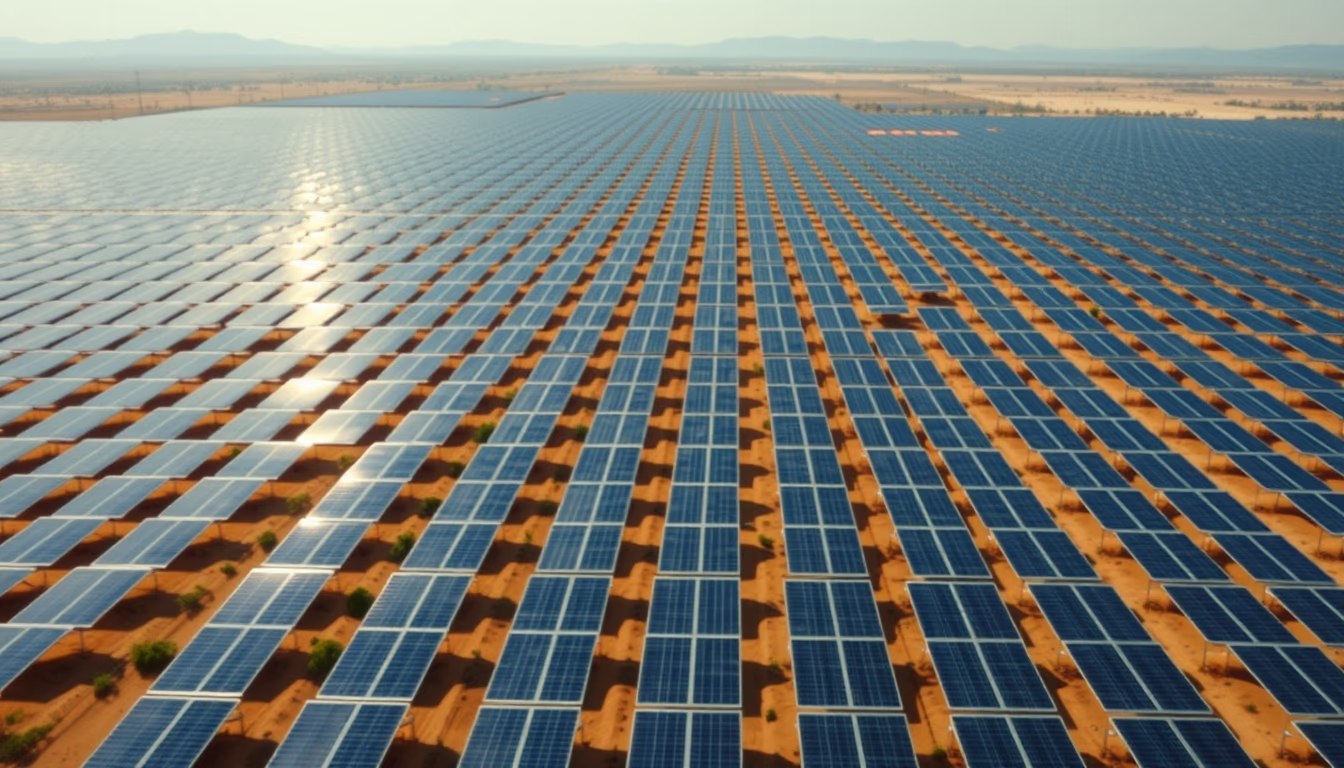
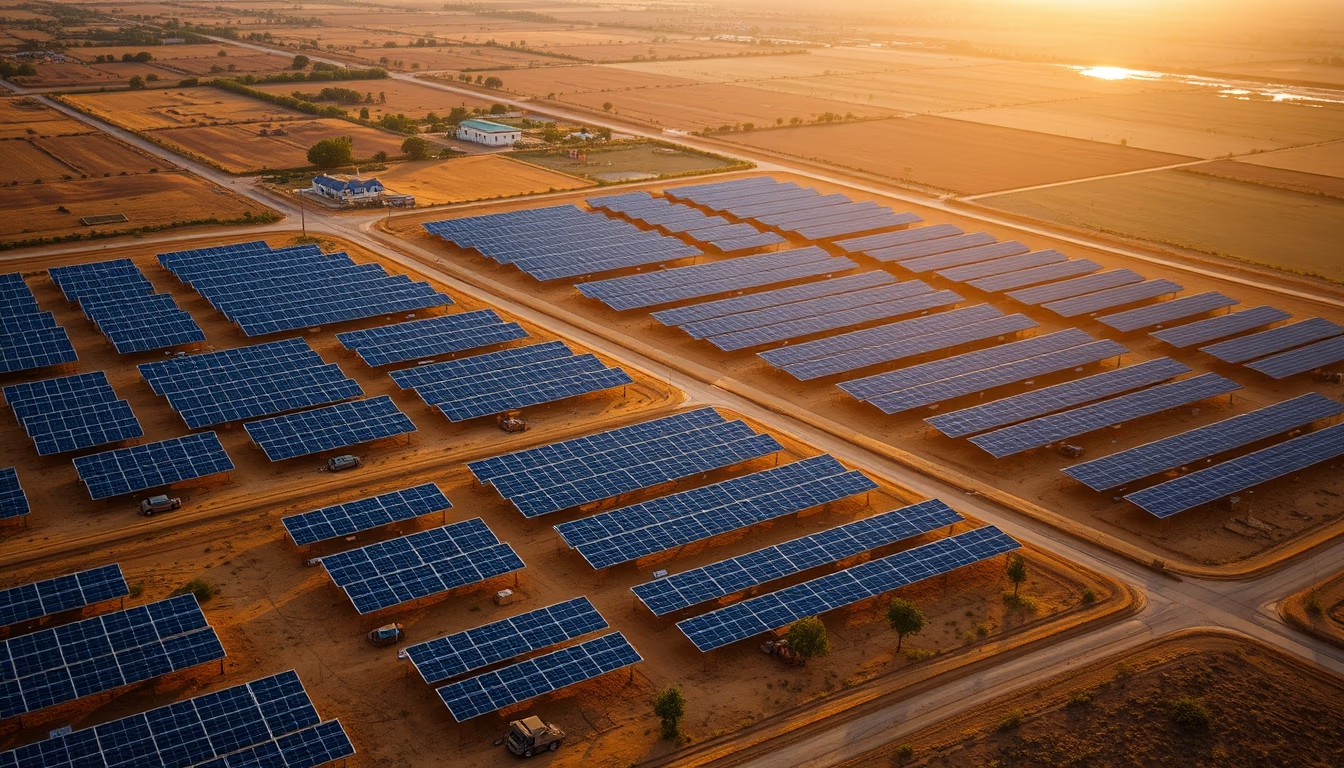
Large-scale solar farms span hectares with photovoltaic panels, converting solar radiation into clean electricity for thousands of homes.
About this subject
Solar farms are large-scale installations that use thousands of photovoltaic panels to generate electricity from sunlight. They typically cover from tens to hundreds of hectares, with capacities ranging from 10 to 500 megawatts (MW) or more. Leading countries include China, the United States, and India, but Brazil has also grown rapidly, especially in the Northeast region with high solar irradiation. For example, the Janaúba solar complex in Minas Gerais has a capacity of 1.6 GW, enough to supply about 1.2 million homes.
Panel technology has advanced quickly. Bifacial modules capture light from both sides, boosting efficiency by up to 20% compared to traditional panels. Solar tracking systems adjust the panel angle throughout the day to optimize generation. Moreover, panel costs have fallen by over 80% in the past decade, making solar one of the cheapest energy sources in many regions. However, intermittency (no sunlight at night) requires integration with batteries or other sources.
Environmental benefits are significant, with reduced CO₂ emissions, but challenges remain: land use can compete with agriculture or natural ecosystems. Solutions like agrivoltaics, which combine solar panels with crop cultivation or grazing, are gaining traction. Cleaning panels in arid regions consumes water, but dry-cleaning techniques are being developed. Typical panel lifespan is 25, 30 years, and recycling modules at end-of-life is becoming a priority to avoid electronic waste.
Frequently Asked Questions
How many hectares does a typical solar farm occupy?
A 1 MW solar farm requires about 2 to 4 hectares, depending on technology and terrain. Larger plants, like 100 MW, can occupy 200 to 400 hectares.
Does solar energy work on cloudy days?
Yes, photovoltaic panels still generate electricity on cloudy days, but with reduced efficiency (about 10, 25% of maximum capacity), relying on diffuse radiation.
What happens to solar panels after 25 years?
Efficiency gradually declines, but panels can still operate for more years. Recycling is possible: glass, aluminum, and silicon are recovered through specialized processes.
Direct URL
https://pub-c7d6a6ea828543ac903a74a341ccb2e1.r2.dev/imagens/solar-farm-aerial-vast-minimalist-composition-p2.avifHow to credit
Include a visible link back to UtilizAí. Copy one of the snippets below:
<a href="https://xn--utiliza-eza.com/en/midia/imagens/solar-farm-aerial-vast-minimalist-composition-p2">Solar farm aerial vast</a> by <a href="https://xn--utiliza-eza.com">UtilizAí</a>, licensed under <a href="https://creativecommons.org/licenses/by/4.0/">CC BY 4.0</a>.
[Solar farm aerial vast](https://xn--utiliza-eza.com/en/midia/imagens/solar-farm-aerial-vast-minimalist-composition-p2) by [UtilizAí](https://xn--utiliza-eza.com), CC BY 4.0
License: CC-BY-4.0