Solar farm aerial vast
1344×768 · AVIF · CC BY 4.0
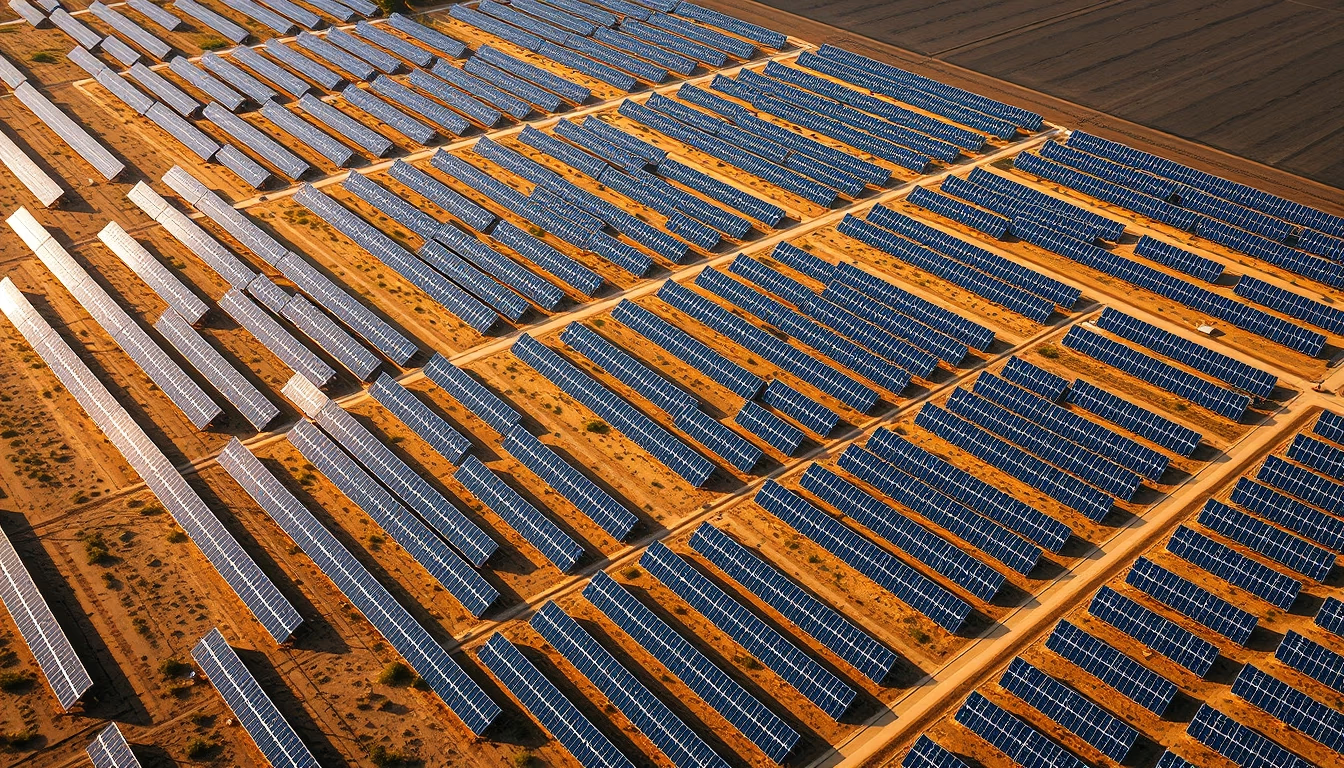
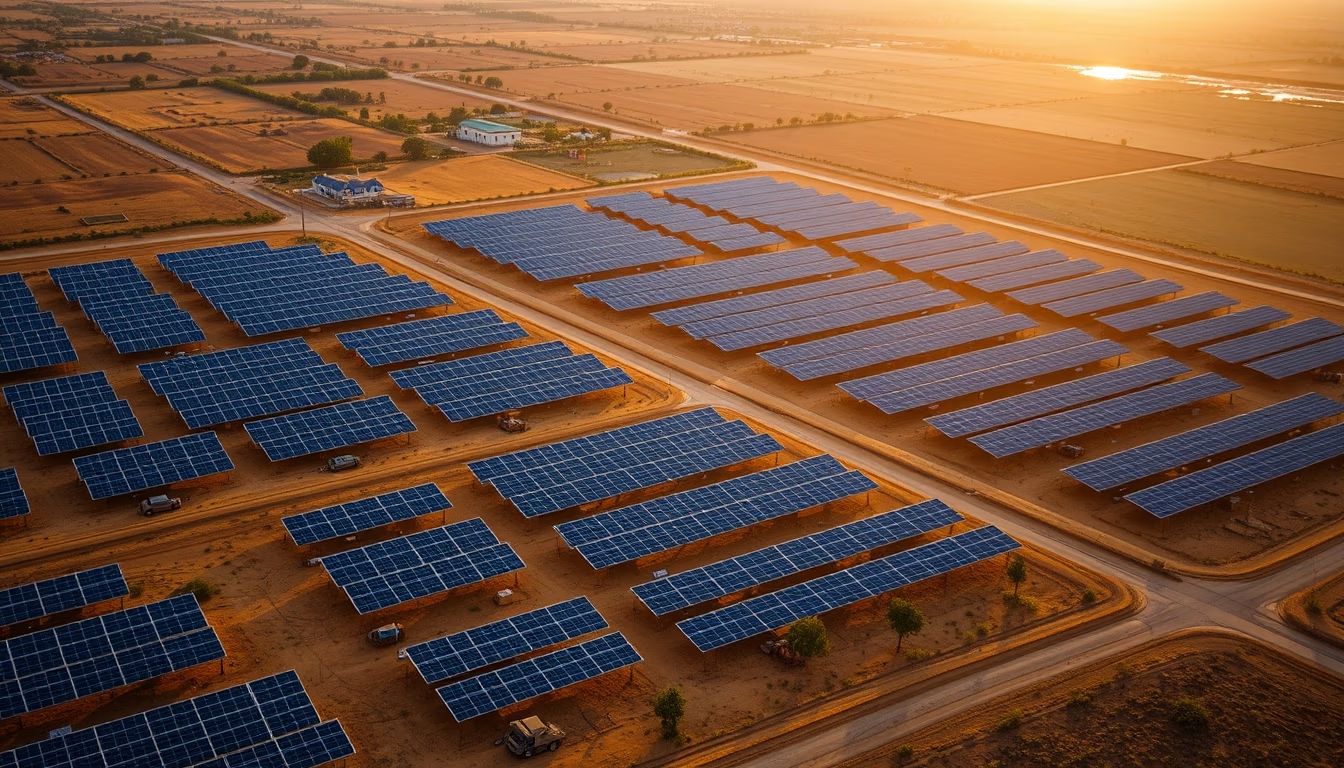
An aerial view of a vast solar farm, showcasing the scale of renewable energy generation in Brazil and globally.
About this subject
Solar farms, also known as photovoltaic parks, are large areas equipped with thousands of solar panels that convert sunlight into electricity. These installations can cover hundreds of hectares and are typically located in regions with high solar irradiance, such as Brazil's Northeast. Brazil has one of the highest solar potentials globally, with average irradiance surpassing countries like Germany, a leader in installed capacity. Notable examples include the Pirapora Solar Complex in Minas Gerais, with a capacity of 400 MW, and the Nova Olinda Solar Park in Piauí, which powers hundreds of thousands of homes.
The expansion of solar farms is driven by policy incentives such as energy auctions and financing lines, as well as declining costs of photovoltaic modules. By 2026, global solar capacity is expected to exceed 2 TW, with China, the United States, and India leading growth. In Brazil, solar energy already accounts for over 10% of the electricity matrix, according to Absolar, and is expected to keep growing due to natural potential and demand for clean sources.
Beyond electricity generation, solar farms contribute to decarbonization by avoiding CO2 emissions. They also create jobs in installation, maintenance, and operation, especially in rural areas. Some parks combine solar generation with agricultural activities, such as grazing or native plant cultivation, in systems called agrivoltaics. This model increases land-use efficiency and provides socio-environmental benefits.
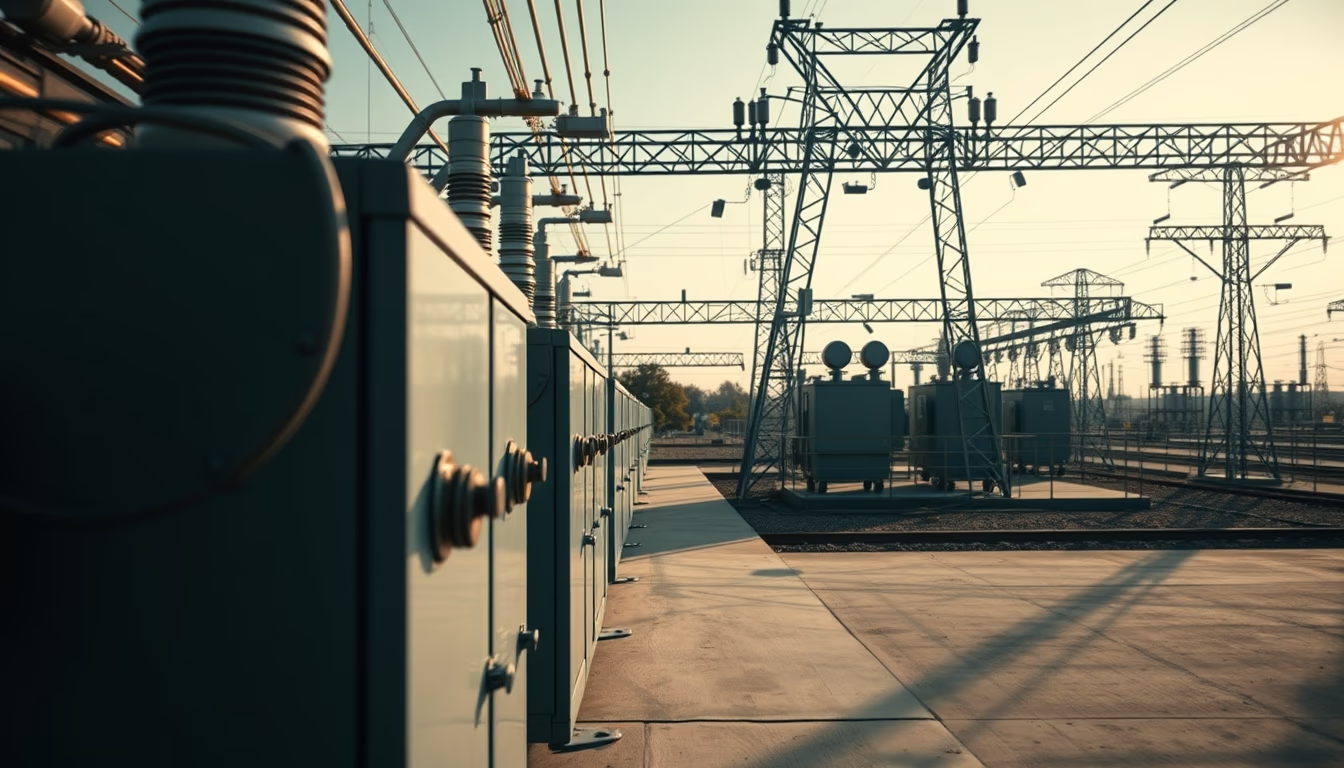
Installing a solar farm requires environmental and technical feasibility studies. Panels have a lifespan of 25 to 30 years, and maintenance includes periodic cleaning to ensure efficiency. The generated energy is injected into the grid via substations and transmission lines. In arid regions, dust can reduce production by up to 15%, requiring automated cleaning systems.
Frequently Asked Questions
How does a solar farm work?
A solar farm captures sunlight using photovoltaic panels, which generate direct current. This current is converted to alternating current by inverters and fed into the electrical grid.
What is the largest solar park in Brazil?
Currently, the Pirapora Solar Complex in Minas Gerais is one of the largest, with a capacity of 400 MW. Other major parks include Nova Olinda (PI) and Ituverava (BA).
How long does a solar panel last?
The average lifespan of a solar panel is 25 to 30 years, with a performance guarantee ensuring at least 80% of initial capacity after 25 years.
Direct URL
https://pub-c7d6a6ea828543ac903a74a341ccb2e1.r2.dev/imagens/solar-farm-aerial-vast-magazine-editorial-p4.avifHow to credit
Include a visible link back to UtilizAí. Copy one of the snippets below:
<a href="https://xn--utiliza-eza.com/en/midia/imagens/solar-farm-aerial-vast-magazine-editorial-p4">Solar farm aerial vast</a> by <a href="https://xn--utiliza-eza.com">UtilizAí</a>, licensed under <a href="https://creativecommons.org/licenses/by/4.0/">CC BY 4.0</a>.
[Solar farm aerial vast](https://xn--utiliza-eza.com/en/midia/imagens/solar-farm-aerial-vast-magazine-editorial-p4) by [UtilizAí](https://xn--utiliza-eza.com), CC BY 4.0
License: CC-BY-4.0