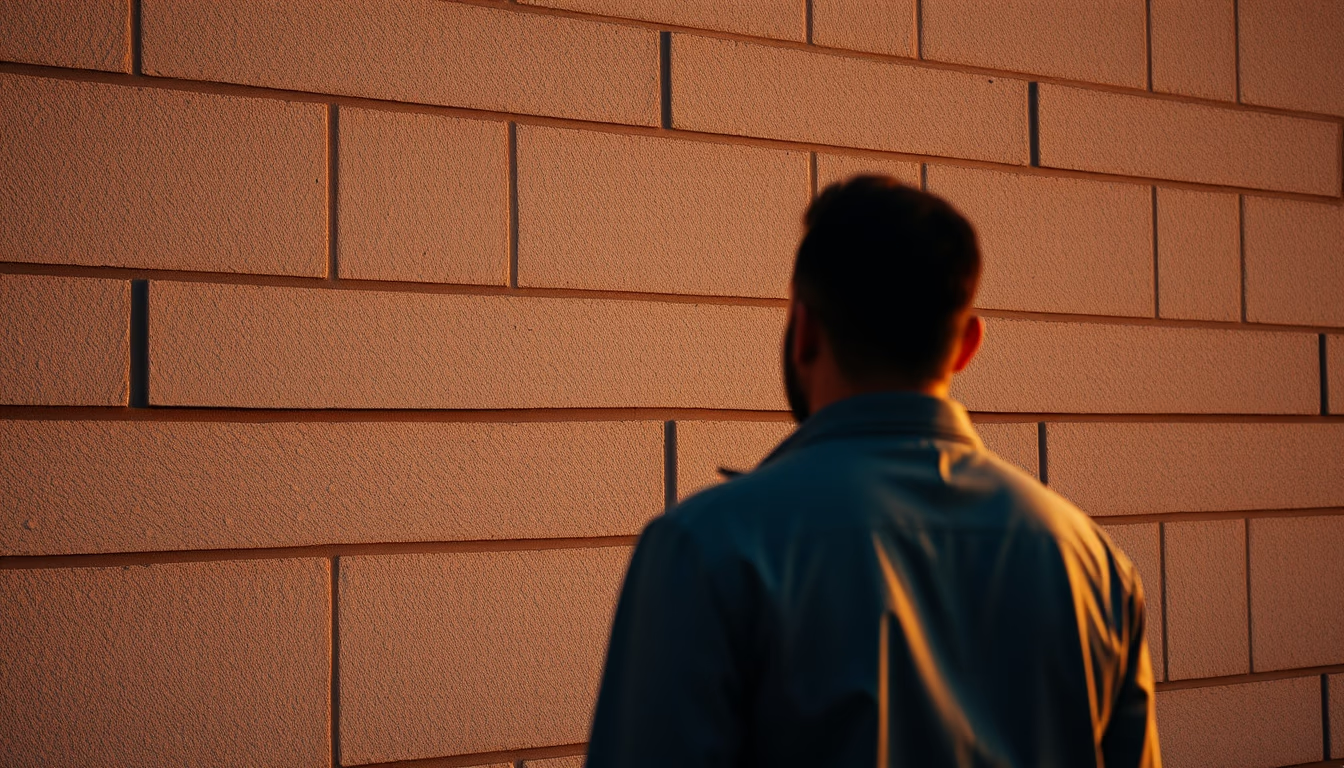
Smart meter wall
1344×768 · AVIF · CC BY 4.0
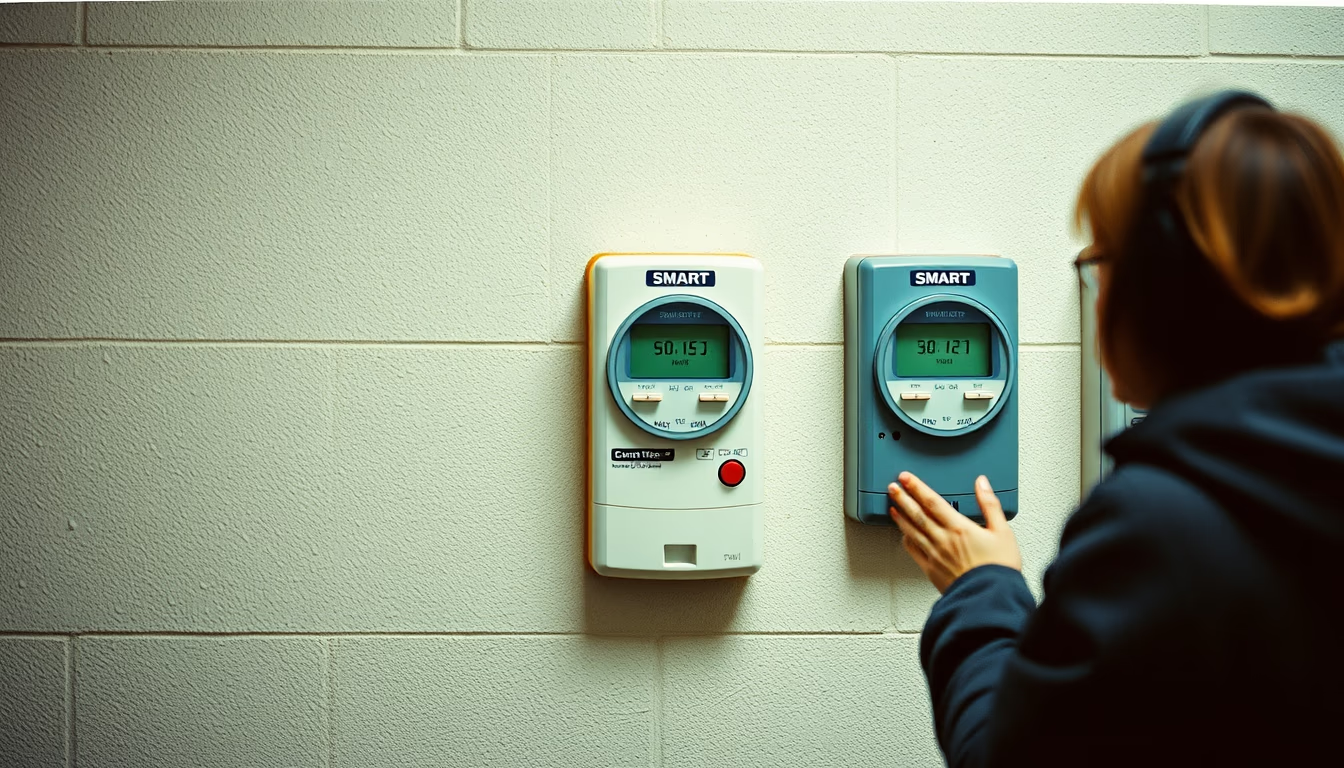
Smart meters, intelligent energy meters, monitor consumption in real time and revolutionize electrical management globally.
About this subject
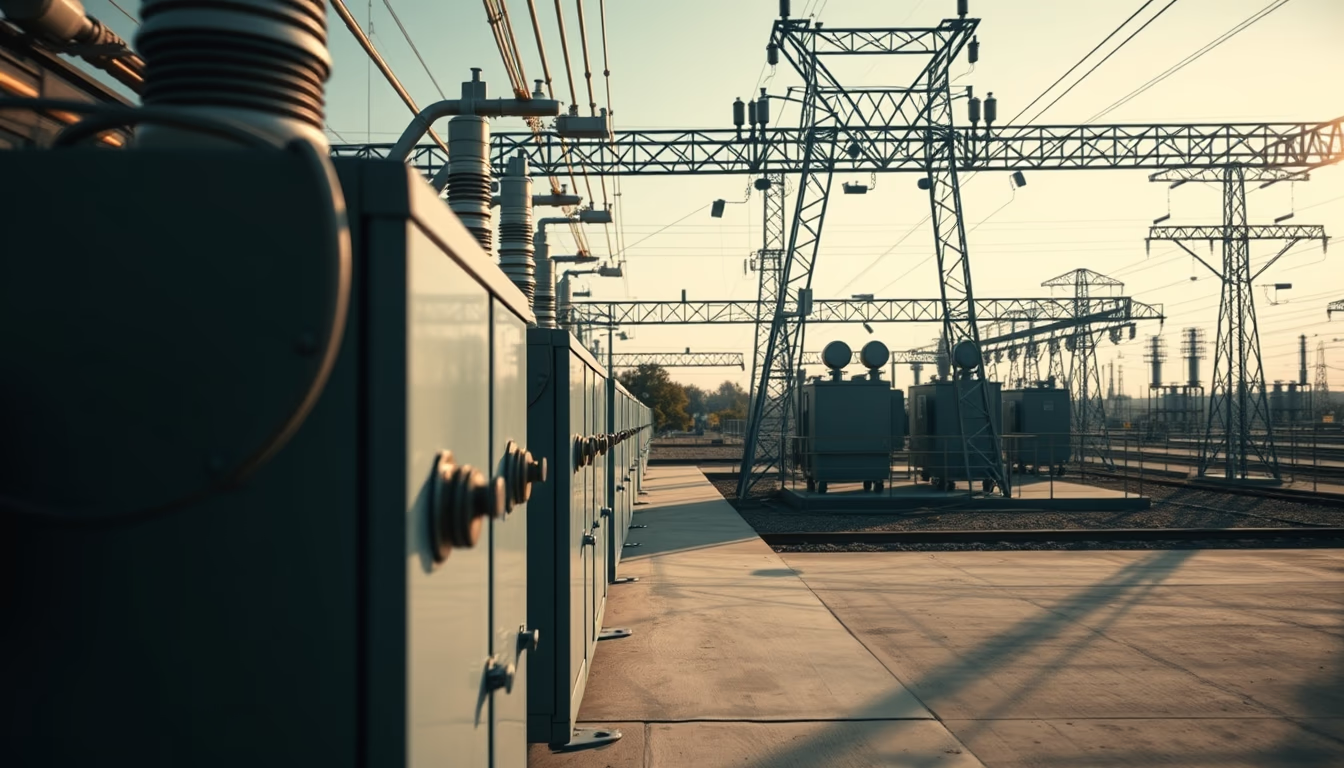
Smart meters are digital devices that record electricity consumption at frequent intervals and automatically transmit the data to the utility company. Unlike traditional analog meters, they eliminate manual readings and enable time-of-use billing, which reflects actual grid demand. Globally, smart meters are a cornerstone of smart grid infrastructure, helping utilities balance loads, reduce outages, and integrate renewable energy sources.
In Brazil, the national regulatory agency ANEEL mandates the gradual replacement of conventional meters. As of 2024, over 10 million smart meters have been installed, aiming for 70% coverage by 2030. The city of São Paulo leads with more than 3 million units. The technology helps combat energy theft (estimated at 6% of total distribution) and technical losses, which together cost billions of reais annually.
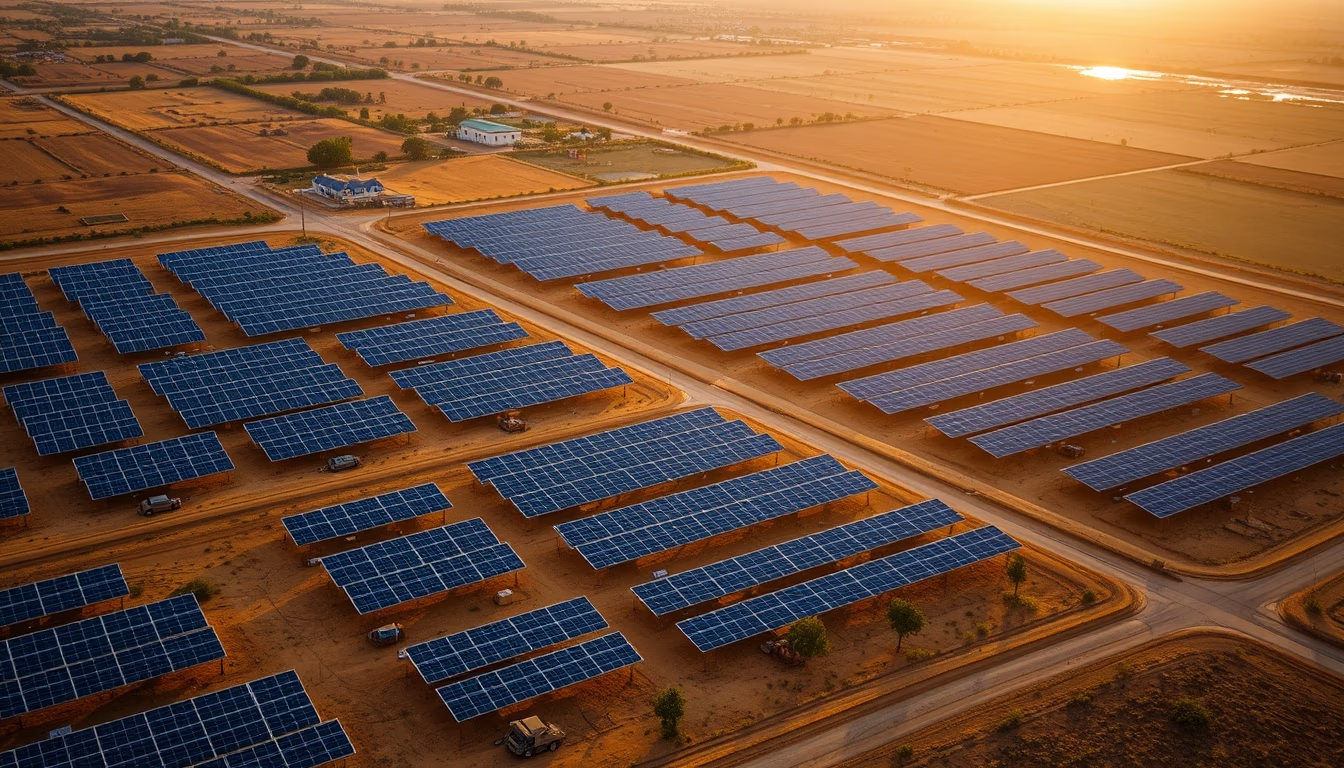
For consumers, smart meters provide real-time consumption data via mobile apps, enabling informed decisions. During peak tariff periods (such as Brazil's red flag surcharge), users can shift energy-intensive tasks to off-peak hours, saving up to 10% on their bills. The devices also facilitate net metering for solar panel owners, automatically calculating credits for surplus energy fed into the grid.
Globally, adoption rates exceed 80% in Italy, Sweden, and the United Kingdom. Smart meters support demand response programs, where utilities incentivize customers to reduce consumption during critical times, avoiding blackouts. A study by the International Energy Agency estimates that widespread smart meter deployment could reduce global CO2 emissions by up to 200 million tonnes by 2030. However, data privacy concerns remain, as the granular usage patterns could reveal personal habits.
Frequently Asked Questions
How does a smart meter work?
A smart meter records electricity usage at intervals of 15 to 60 minutes and transmits the data via cellular or radio network to the utility. Consumers can view real-time consumption through a mobile app or web portal.
What are the benefits for consumers?
Key benefits include accurate billing, elimination of estimated readings, detailed usage history, potential savings by shifting usage to cheaper off-peak hours, and seamless integration with solar panel net metering.
Are smart meters a privacy risk?
High-frequency data can reveal household routines. However, utilities use encryption and anonymization, and in the European Union the GDPR (or Brazil's LGPD) regulates data protection. Users can also opt for lower data granularity.
Direct URL
https://pub-c7d6a6ea828543ac903a74a341ccb2e1.r2.dev/imagens/smart-meter-wall-film-grain-authentic-p2.avifHow to credit
Include a visible link back to UtilizAí. Copy one of the snippets below:
<a href="https://xn--utiliza-eza.com/en/midia/imagens/smart-meter-wall-film-grain-authentic-p2">Smart meter wall</a> by <a href="https://xn--utiliza-eza.com">UtilizAí</a>, licensed under <a href="https://creativecommons.org/licenses/by/4.0/">CC BY 4.0</a>.
[Smart meter wall](https://xn--utiliza-eza.com/en/midia/imagens/smart-meter-wall-film-grain-authentic-p2) by [UtilizAí](https://xn--utiliza-eza.com), CC BY 4.0
License: CC-BY-4.0