Smart meter wall
1344×768 · AVIF · CC BY 4.0
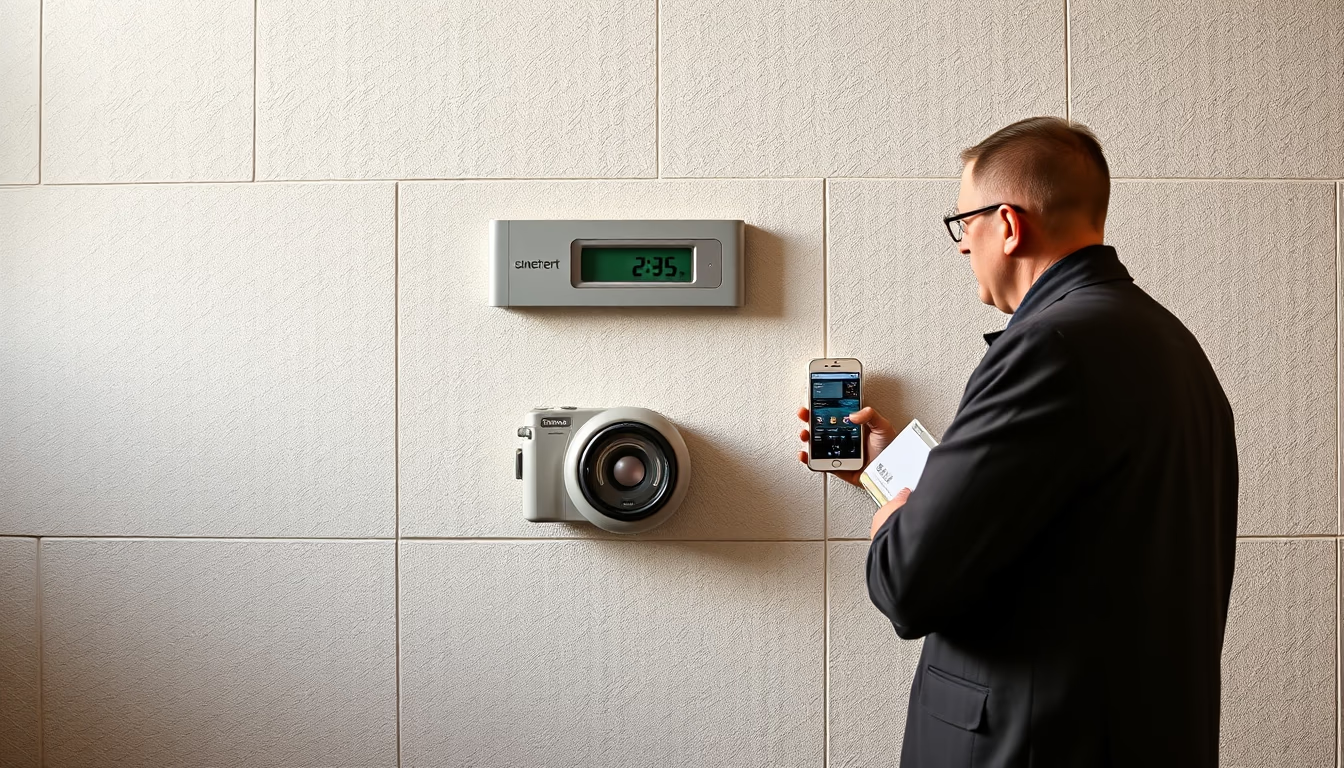
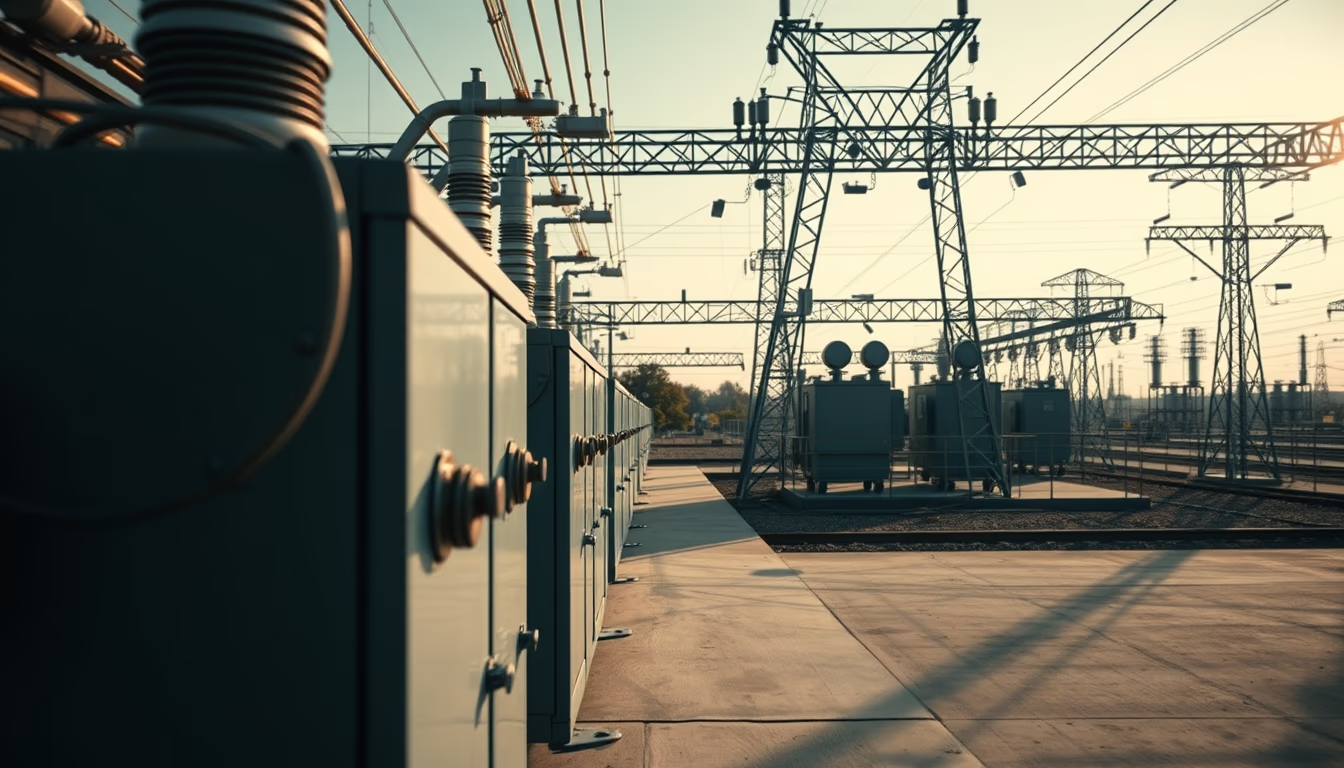
A row of smart electricity meters installed in a commercial or industrial building, monitoring energy consumption in real time.
About this subject
Smart meters are digital devices that record electricity consumption at frequent intervals and automatically transmit the data to the utility. Unlike traditional analog meters that require manual reading, smart meters enable more efficient grid management, reduce losses, and allow dynamic pricing. In Brazil, the National Electric Energy Agency (ANEEL) has been encouraging the gradual replacement of conventional meters with smart models, especially in large urban centers.
A panel like the one in the image can be found in commercial condominiums, industries, or distribution substations. Wall mounting allows easy access for maintenance and monitoring. Each meter typically corresponds to a consumer unit (apartment, store, or industrial machine). Standardization facilitates remote reading and detection of anomalies such as overload or energy theft.
The adoption of smart meters is growing globally, with countries like the United Kingdom, Italy, and Sweden leading the transition. In Brazil, pilot projects have shown reductions of up to 10% in average consumption, thanks to detailed information provided to consumers. Furthermore, these devices are essential for integrating variable renewable sources like solar and wind, as they allow rapid demand adjustments.
A technical curiosity: many smart meters use Power Line Communication (PLC) technology to transmit data over the existing power lines, eliminating the need for additional cables. Other models use wireless networks such as Wi-Fi or LoRaWAN. Cybersecurity is a constant concern, with end-to-end encryption to prevent intrusions.
Frequently Asked Questions
What is a smart meter?
It's a digital electricity meter that records consumption in real time and automatically sends data to the utility, unlike analog models.
How do smart meters help save energy?
By providing detailed consumption information, they allow users to identify peaks and adjust habits, and enable cheaper rates during off-peak hours.
What are the challenges of deploying smart meters in Brazil?
They include high replacement costs, technical standardization, consumer data protection, and adapting telecommunications infrastructure for data transmission.
Direct URL
https://pub-c7d6a6ea828543ac903a74a341ccb2e1.r2.dev/imagens/smart-meter-wall-documentary-photography-p4.avifHow to credit
Include a visible link back to UtilizAí. Copy one of the snippets below:
<a href="https://xn--utiliza-eza.com/en/midia/imagens/smart-meter-wall-documentary-photography-p4">Smart meter wall</a> by <a href="https://xn--utiliza-eza.com">UtilizAí</a>, licensed under <a href="https://creativecommons.org/licenses/by/4.0/">CC BY 4.0</a>.
[Smart meter wall](https://xn--utiliza-eza.com/en/midia/imagens/smart-meter-wall-documentary-photography-p4) by [UtilizAí](https://xn--utiliza-eza.com), CC BY 4.0
License: CC-BY-4.0