Ski poles modern
1344×768 · AVIF · CC BY 4.0

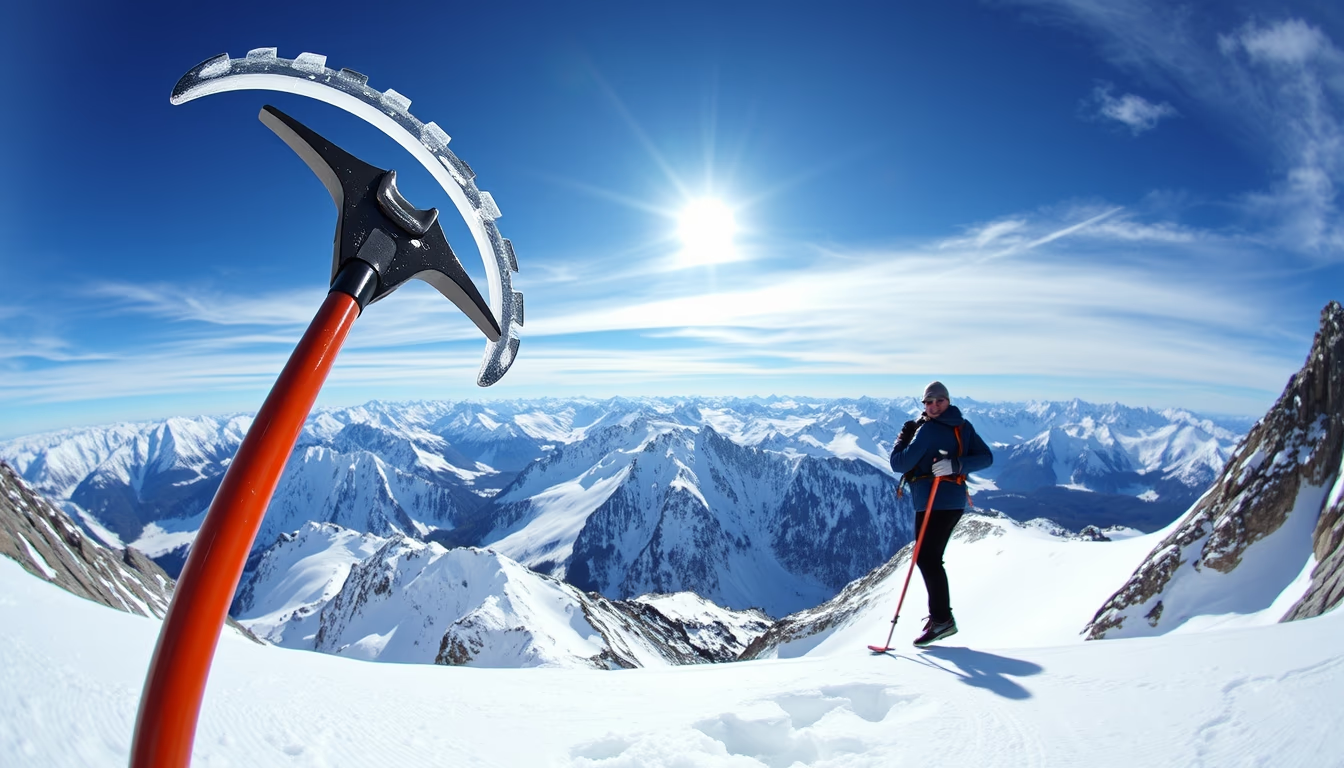
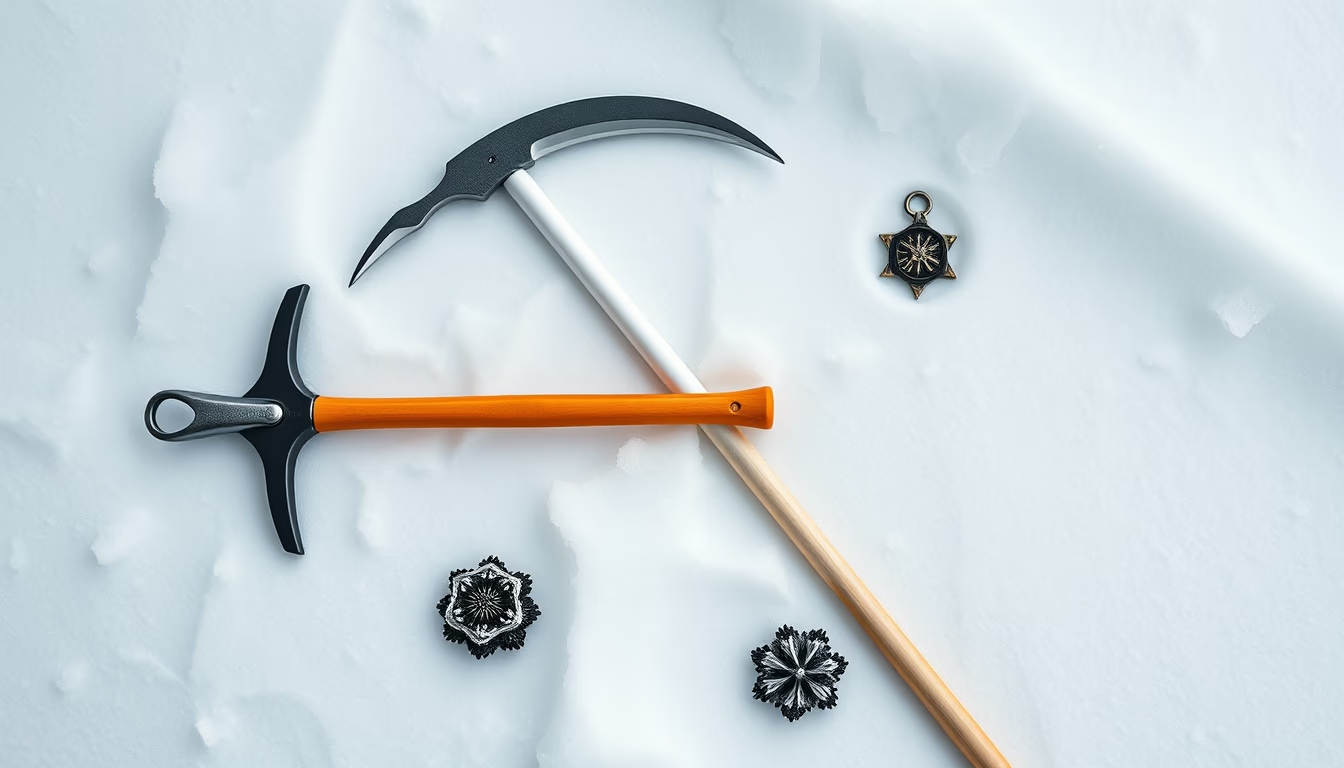
Modern ski poles are essential tools in skiing, evolving in materials like aluminum and carbon fiber for enhanced performance across various disciplines.
About this subject
Modern ski poles have evolved significantly from the rudimentary wooden poles used in the 19th century. Today, they are primarily made from aluminum (alloy 7075, strong and lightweight) or carbon fiber, a material offering superior stiffness with reduced weight, ideal for competitive skiers. The choice between these materials depends on the skiing style: aluminum is more durable and affordable, while carbon provides better vibration damping and energy transfer.
Design features include ergonomic grips made of rubber or cork, which absorb sweat and vibrations, and tips made of tungsten carbide or steel, adapted to different snow surfaces. Pole length is adjusted according to technique: for alpine skiing, the pole should touch the ground when the elbow is at a right angle; in telemark or backcountry, longer poles aid in climbing. The invention of quick-release systems (such as Leki Trigger) has facilitated adjustments without removing gloves.
Culturally, poles are symbols of technique and safety. In cross-country skiing, they function as arm extensions for rhythmic propulsion, while in downhill skiing they are critical for balance in turns and moguls. The introduction of telescopic (adjustable) poles in the 1990s revolutionized ski mountaineering, allowing compact storage and variable height depending on terrain. Brands like Scott, Black Diamond, and Komperdell dominate the market, with constant investments in aerodynamics and impact resistance down to -30 °C.
Trivia: Olympic athletes use carbon poles with asymmetrical grips (different left and right handles) for improved efficiency. In freestyle skiing, poles are often removed for aerial maneuvers, sparking debate about their necessity in this category.
Frequently Asked Questions
What are the most common materials in modern ski poles?
The main materials are aluminum and carbon fiber. Aluminum (alloy 7075) is strong and affordable, while carbon fiber is lighter and stiffer, absorbing vibrations better.
How do I choose the ideal length for ski poles?
Length depends on the discipline. For alpine skiing, the pole should touch the ground with the elbow at a right angle. For telemark or backcountry, a longer pole helps with climbing.
Are ski poles necessary for all skiing disciplines?
Yes, for most. In cross-country and alpine skiing, they are essential for balance and propulsion. In freestyle, many athletes remove them for aerial maneuvers, but their necessity is debated.
Direct URL
https://pub-c7d6a6ea828543ac903a74a341ccb2e1.r2.dev/imagens/ski-poles-modern-rembrandt-lighting-dramatic-shadows-fresh2.avifHow to credit
Include a visible link back to UtilizAí. Copy one of the snippets below:
<a href="https://xn--utiliza-eza.com/en/midia/imagens/ski-poles-modern-rembrandt-lighting-dramatic-shadows-fresh2">Ski poles modern</a> by <a href="https://xn--utiliza-eza.com">UtilizAí</a>, licensed under <a href="https://creativecommons.org/licenses/by/4.0/">CC BY 4.0</a>.
[Ski poles modern](https://xn--utiliza-eza.com/en/midia/imagens/ski-poles-modern-rembrandt-lighting-dramatic-shadows-fresh2) by [UtilizAí](https://xn--utiliza-eza.com), CC BY 4.0
License: CC-BY-4.0