Ski poles modern
1344×768 · AVIF · CC BY 4.0
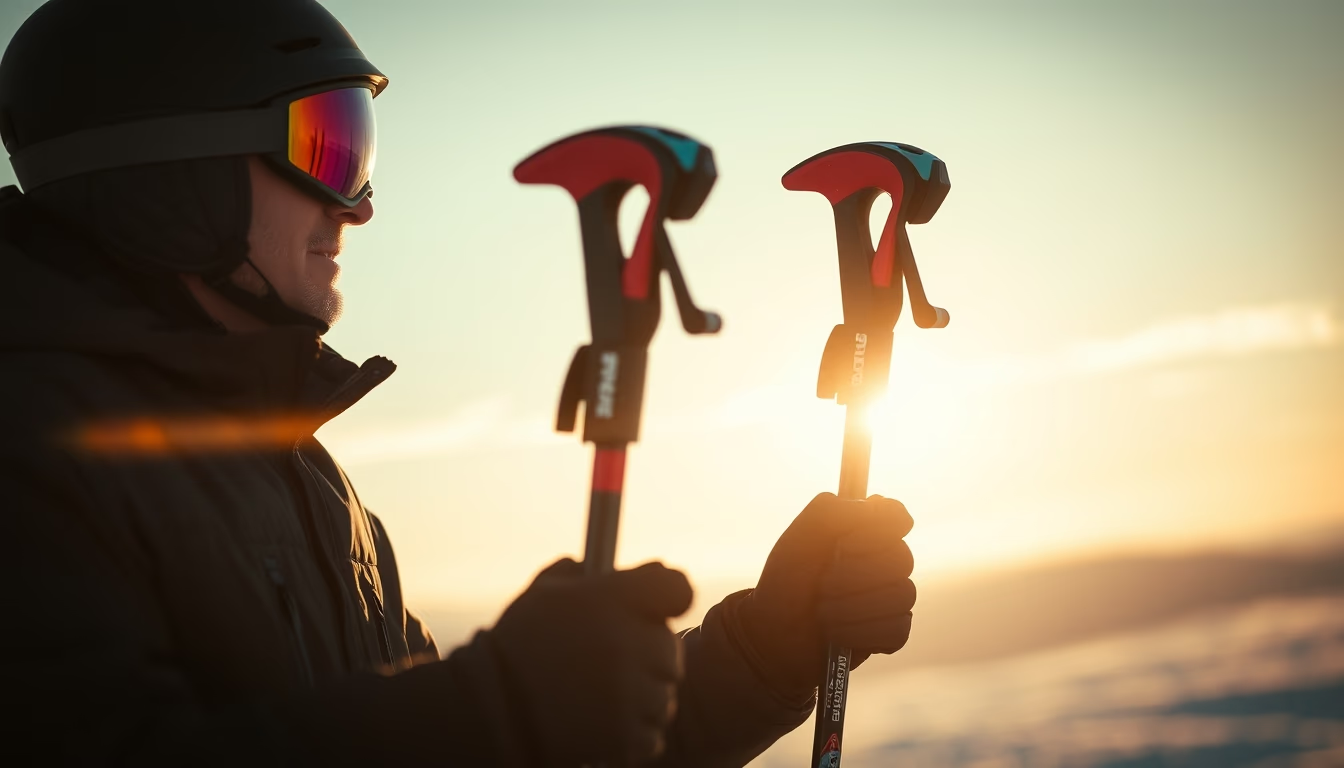
Modern ski poles combine lightweight materials like carbon and aluminum with ergonomic designs for better performance, comfort, and safety on the slopes.
About this subject
Ski poles have evolved significantly from old wooden or bamboo models. Today, the most common materials are high-strength aluminum and carbon fiber, offering reduced weight and increased stiffness. Aluminum is more durable and economical, while carbon provides less vibration and greater lightness, preferred by advanced skiers and competitors. Another innovation is adjustable poles with a telescopic system that allows length variation according to terrain slope or discipline, essential for ski mountaineering and backcountry skiing.
Ergonomic grip design has also evolved. Materials like cork, rubber, and thermoplastic foam mold to the hand, reducing fatigue and improving control. Safety straps with quick-release systems prevent injuries during falls, and baskets come in different diameters depending on use: larger for powder snow, smaller for groomed trails or racing. Tungsten carbide tips ensure grip even on ice, replacing old steel points.
Choosing the correct pole length is fundamental to technique. Traditionally, it is measured from the ground to the armpit when the skier stands on skis. Poles that are too long force an upright posture, while too short hinder push and balance. In events like giant slalom, more curved poles help navigate gates. In cross-country skiing, poles are longer and lighter for efficient propulsion, often made of carbon with integrated gloves.
Interestingly, during the 1990s, the first carbon poles revolutionized the sport but were fragile and expensive. Today, manufacturing technology has made them affordable and durable. Some models include shock absorption systems to reduce joint stress. Ski poles remain an indispensable safety and performance item, evolving with the needs of modern athletes.
Frequently Asked Questions
What materials are modern ski poles made of?
The main materials are high-strength aluminum (durable and affordable) and carbon fiber (lightweight with less vibration, used by advanced skiers). Some models combine both or use composites.
How do I choose the correct length for ski poles?
The traditional method is to measure from the ground to the armpit while standing on skis. Poles that are too long or too short harm technique. For cross-country skiing, poles are generally longer.
What is the purpose of different basket sizes on ski poles?
Larger baskets (powder baskets) prevent poles from sinking into soft snow. Smaller baskets (racing baskets) are for groomed trails and competition, offering less drag. Choose according to snow type and use.
Direct URL
https://pub-c7d6a6ea828543ac903a74a341ccb2e1.r2.dev/imagens/ski-poles-modern-documentary-photography-fresh3.avifHow to credit
Include a visible link back to UtilizAí. Copy one of the snippets below:
<a href="https://xn--utiliza-eza.com/en/midia/imagens/ski-poles-modern-documentary-photography-fresh3">Ski poles modern</a> by <a href="https://xn--utiliza-eza.com">UtilizAí</a>, licensed under <a href="https://creativecommons.org/licenses/by/4.0/">CC BY 4.0</a>.
[Ski poles modern](https://xn--utiliza-eza.com/en/midia/imagens/ski-poles-modern-documentary-photography-fresh3) by [UtilizAí](https://xn--utiliza-eza.com), CC BY 4.0
License: CC-BY-4.0