Ski boots boots snow
1344×768 · AVIF · CC BY 4.0
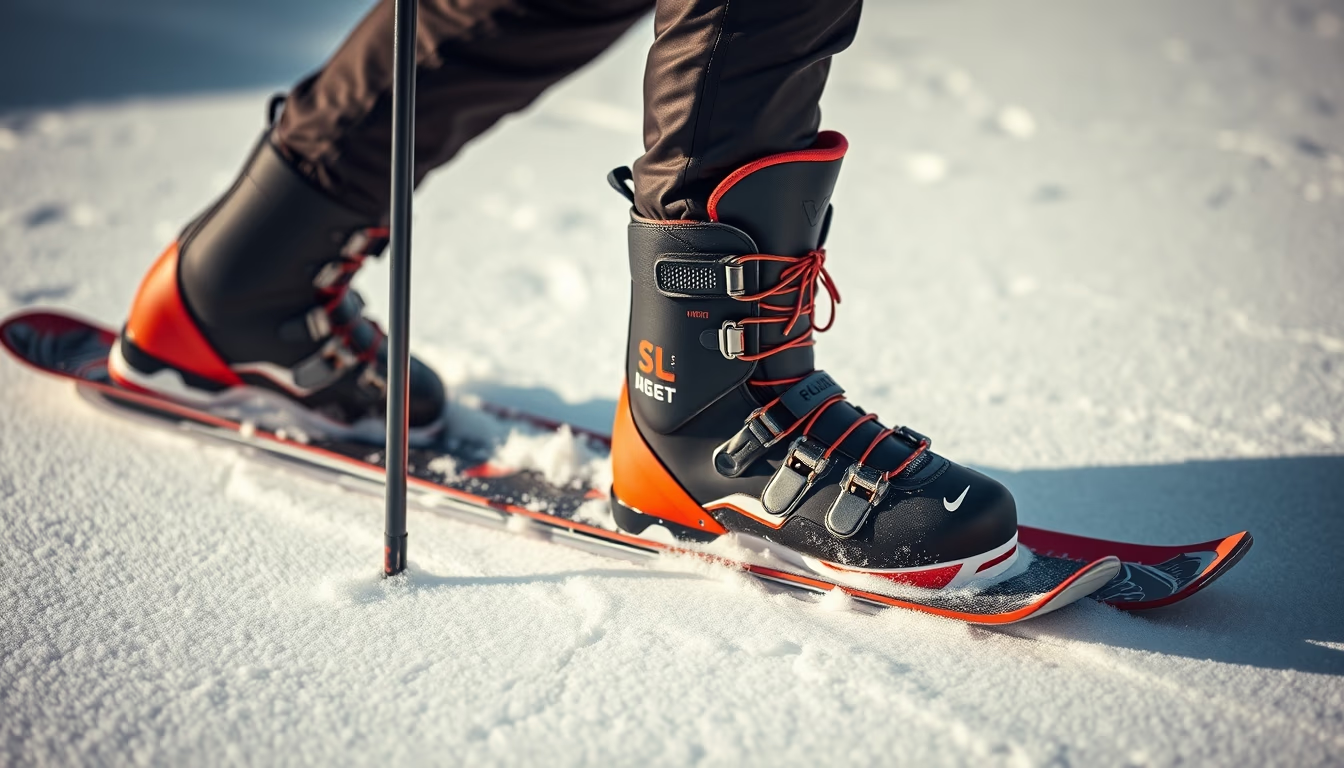
Ski boots are technical footwear designed to transfer force to the skis and protect feet in extreme snow and cold conditions.
About this subject
Ski boots are the most critical link between the skier and their skis. Unlike ordinary footwear, they feature a rigid outer shell made of injected plastics such as polyurethane or polyethylene, and an inner padded liner that provides comfort and thermal insulation. The design allows the skier to tilt their leg forward and sideways, transferring subtle movements to the skis through the bindings. There are two main types: alpine (downhill) boots, which offer greater stiffness and are used at ski resorts, and cross-country ski boots, which are more flexible and lightweight, allowing natural heel movement.
The history of modern ski boots began in the 1960s with the introduction of the first plastic models by the French company Lange. Previously, boots were made of leather and offered little support. The plastic innovation revolutionized the sport, enabling better control and safety. Today, boots are highly customizable: many models can be heat-molded to fit the user's feet perfectly. The stiffness of a boot, measured as flex index, varies according to skill level and skiing style. Beginners use softer boots (flex 50-70), while advanced and professional skiers opt for flex above 110.
A little-known fact is that boot fit is more important than the ski itself for performance. An improper fit can cause discomfort, loss of control, or even injury. Therefore, specialized shops perform a detailed fitting process, including foot measurement, gait analysis, and shell adjustments if needed. Modern boots also incorporate innovative closure systems such as micrometric buckles, Boa cables, or carbon-fiber straps, ensuring a secure fit without pressure points. Proper maintenance, such as drying after use and storing in a ventilated area, extends the equipment's lifespan.
Frequently Asked Questions
How to choose the right size of ski boots?
The ideal fit should be snug, without gaps, but not painful. The heel should remain locked in place, and your toes should lightly touch the front of the boot when standing. Always try them with thin ski socks and adjust buckles gradually.
What is the difference between alpine and cross-country ski boots?
Alpine boots are stiff and have a sole that attaches to the ski at both toe and heel. Cross-country boots are flexible, with a sole that attaches only at the toe, allowing the heel to lift for the gliding motion.
Can I heat mold my ski boots at home?
Not recommended. Heat molding should be done by professionals in specialized shops with controlled ovens and vacuum equipment. DIY attempts may damage the boot and compromise safety.
Direct URL
https://pub-c7d6a6ea828543ac903a74a341ccb2e1.r2.dev/imagens/ski-boots-boots-snow-magazine-editorial-fresh12.avifHow to credit
Include a visible link back to UtilizAí. Copy one of the snippets below:
<a href="https://xn--utiliza-eza.com/en/midia/imagens/ski-boots-boots-snow-magazine-editorial-fresh12">Ski boots boots snow</a> by <a href="https://xn--utiliza-eza.com">UtilizAí</a>, licensed under <a href="https://creativecommons.org/licenses/by/4.0/">CC BY 4.0</a>.
[Ski boots boots snow](https://xn--utiliza-eza.com/en/midia/imagens/ski-boots-boots-snow-magazine-editorial-fresh12) by [UtilizAí](https://xn--utiliza-eza.com), CC BY 4.0
License: CC-BY-4.0