Shrimp farm aerial
1344×768 · AVIF · CC BY 4.0
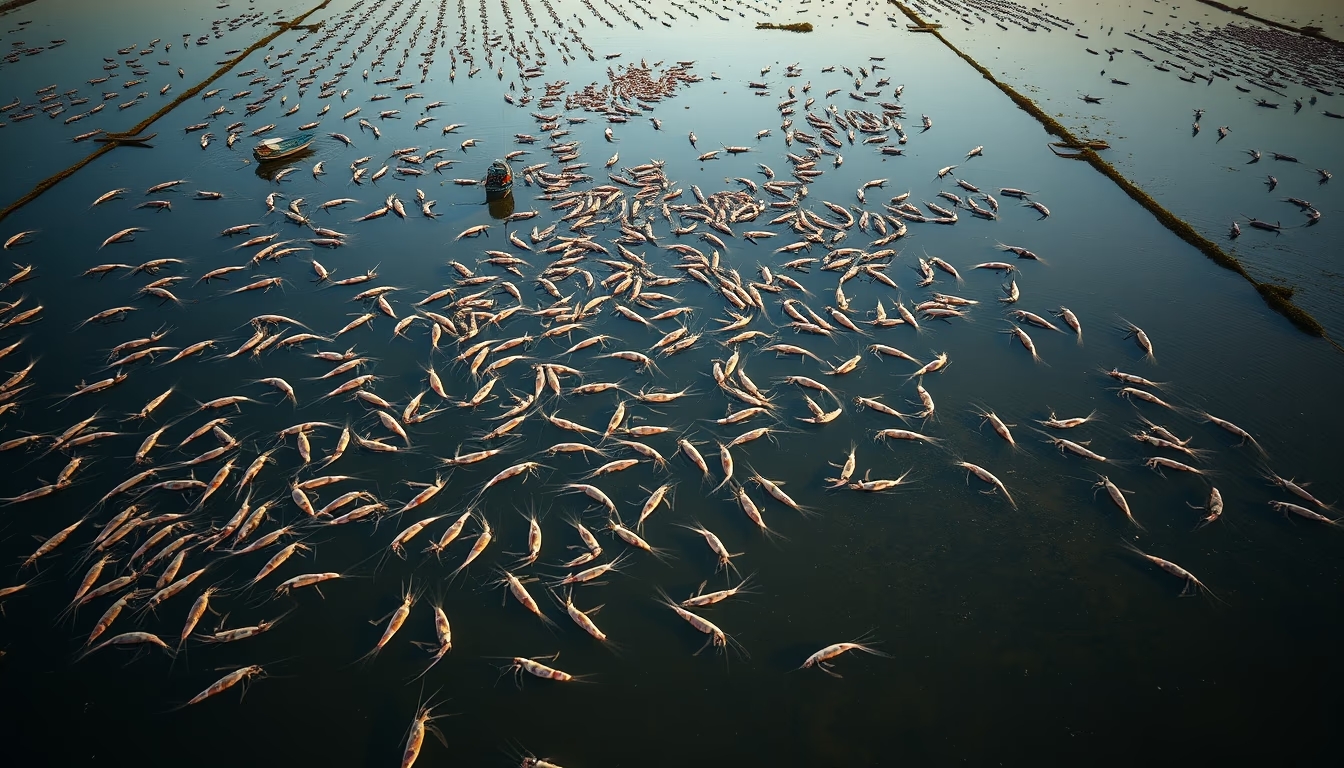
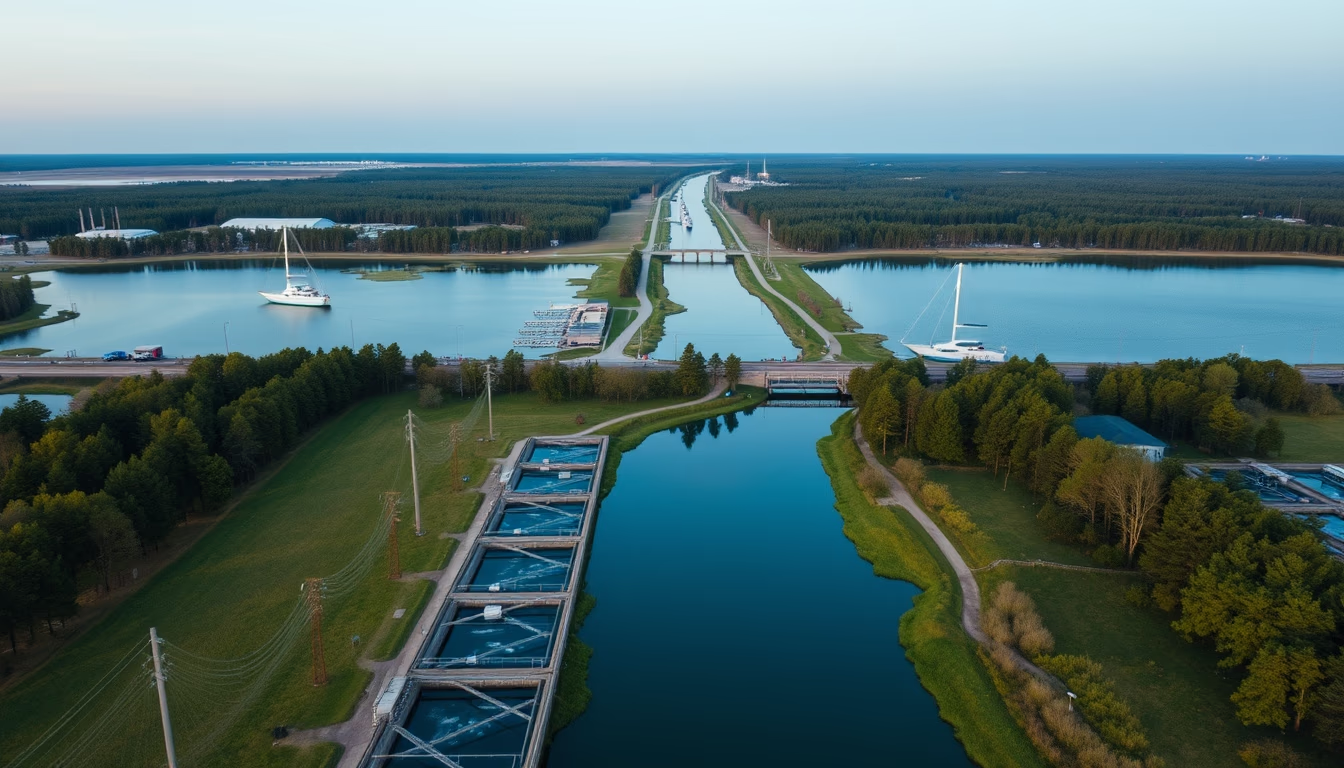
Aerial view of a shrimp farm, revealing the geometry of ponds and the scale of global shrimp farming.
About this subject
Shrimp farming, or aquaculture of shrimp, has expanded dramatically in recent decades to meet global seafood demand. Major producers include Ecuador, Thailand, Vietnam, Indonesia, and India, but Brazil also has significant farms in the Northeast, such as in Rio Grande do Norte and Ceará. Farms are typically built in flat coastal areas near estuaries, where brackish water can be pumped into excavated ponds.
The rectangular ponds seen from above form a characteristic mosaic. Each pond may range from 1 to 20 hectares and is equipped with aerators to oxygenate the water, essential for maintaining high shrimp densities. The most cultivated species is Litopenaeus vannamei, the Pacific white shrimp, which adapts well to different salinities and temperatures. A cultivation cycle lasts about 90 to 120 days until shrimp reach market size.
Shrimp farming faces significant environmental challenges, including mangrove deforestation for pond construction, nutrient-rich effluent pollution, and disease introduction risks. Conversely, sustainable practices such as recirculation systems and certifications (ASC, GlobalGAP) aim to minimize impacts. Aquaculture production now surpasses wild catch, making it the primary source of shrimp globally.
Interestingly, shrimp is the most consumed seafood in the United States, exceeding salmon and tuna. Most shrimp sold in Brazilian supermarkets also come from farms, often from the Northeast. The aerial view of a shrimp farm not only impresses with its symmetry but also tells the story of an industry that feeds millions and reshapes coastal landscapes.
Frequently Asked Questions
What is shrimp farming?
It is the cultivation of shrimp in captivity, typically in earthen ponds, for human consumption.
Which are the main shrimp-producing countries?
Ecuador, Thailand, Vietnam, Indonesia, India, and China lead global production. In Brazil, the Northeast region stands out.
Is shrimp farming sustainable?
It depends on practices. Traditional systems can cause mangrove deforestation and pollution, but certifications and recirculation technologies reduce impacts.
Direct URL
https://pub-c7d6a6ea828543ac903a74a341ccb2e1.r2.dev/imagens/shrimp-farm-aerial-rembrandt-lighting-dramatic-shadows-fresh18.avifHow to credit
Include a visible link back to UtilizAí. Copy one of the snippets below:
<a href="https://xn--utiliza-eza.com/en/midia/imagens/shrimp-farm-aerial-rembrandt-lighting-dramatic-shadows-fresh18">Shrimp farm aerial</a> by <a href="https://xn--utiliza-eza.com">UtilizAí</a>, licensed under <a href="https://creativecommons.org/licenses/by/4.0/">CC BY 4.0</a>.
[Shrimp farm aerial](https://xn--utiliza-eza.com/en/midia/imagens/shrimp-farm-aerial-rembrandt-lighting-dramatic-shadows-fresh18) by [UtilizAí](https://xn--utiliza-eza.com), CC BY 4.0
License: CC-BY-4.0