Shrimp farm aerial
1344×768 · AVIF · CC BY 4.0
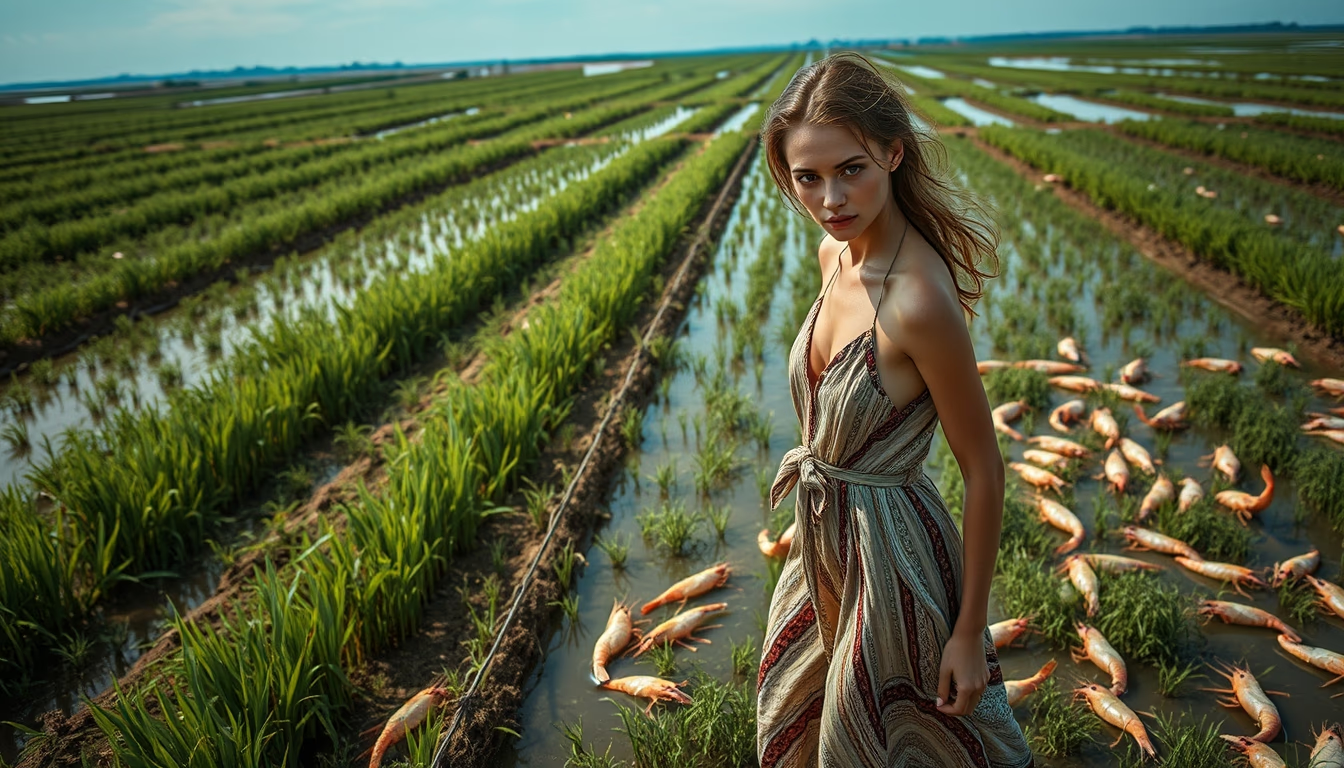
Aerial view of shrimp farms reveals the scale of global shrimp aquaculture, with rectangular ponds and aeration systems.
About this subject
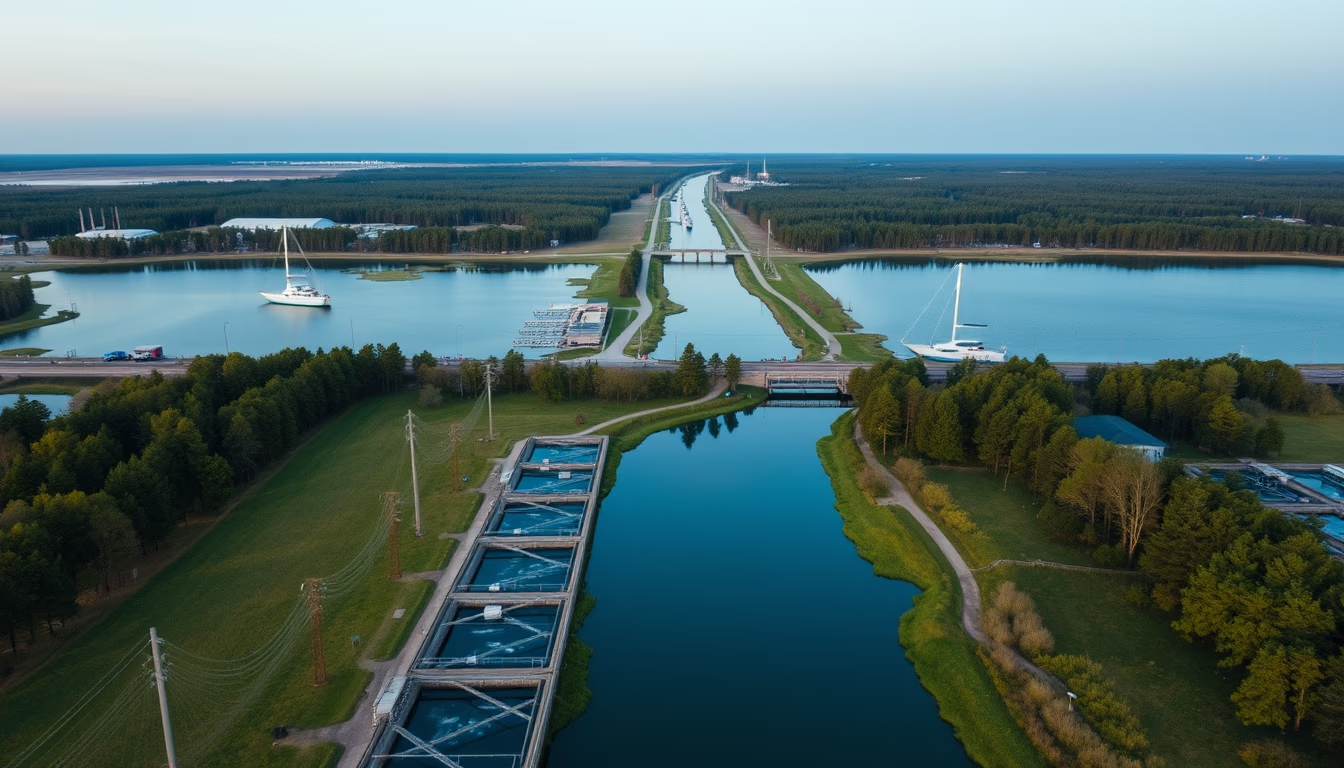
Shrimp farming, or shrimp aquaculture, is one of the fastest-growing seafood production sectors worldwide. Farms are typically situated in coastal areas of countries like Ecuador, Thailand, Vietnam, and India, using large excavated ponds to grow millions of tons of shrimp annually. From above, these farms form a geometric patchwork of rectangular or circular ponds equipped with paddlewheel aerators to maintain oxygen levels and prevent mass die-offs.
The expansion of shrimp farming has raised significant environmental concerns. Approximately 30% of mangrove loss in tropical regions is attributed to conversion into shrimp ponds. Additionally, the use of feed, antibiotics, and fertilizers can lead to eutrophication of nearby waterways. In response, certification schemes such as the Aquaculture Stewardship Council (ASC) have been developed to promote more sustainable practices, including reduced chemical use and protection of sensitive ecosystems.
Economically, shrimp farming is a vital source of income for many coastal communities. Ecuador, for example, is one of the world's largest shrimp exporters, generating billions of dollars in revenue and employing thousands of people. However, the industry faces challenges such as disease outbreaks (white spot syndrome, infectious necrosis) and price volatility in global markets. Innovations like recirculating aquaculture systems (RAS) and inland farms aim to reduce environmental impacts and increase production reliability.
In summary, an aerial view of a shrimp farm is not just visually striking; it reflects a complex industry balancing food production, sustainability, and economic development. The future of shrimp farming will depend on adopting cleaner technologies and integrated coastal zone management.
Frequently Asked Questions
What is the difference between traditional and sustainable shrimp farming?
Traditional shrimp farming often involves converting mangrove forests into ponds, high stocking densities, and heavy antibiotic use. Sustainable farming adheres to certifications like ASC, reduces ecological impact, uses responsible feed, and implements biosecurity measures.
Where are the largest shrimp farms in the world located?
The largest concentrations of shrimp farms are in Southeast Asia (Thailand, Vietnam, Indonesia) and Latin America, especially Ecuador, Brazil, and Mexico. Ecuador is currently the world's largest exporter of farmed shrimp.
What are the main environmental impacts of shrimp farming?
Key impacts include mangrove deforestation, soil salinization, pollution from nitrogen- and phosphorus-rich effluents, and introduction of exotic species. Antibiotic release also contributes to bacterial resistance.
Direct URL
https://pub-c7d6a6ea828543ac903a74a341ccb2e1.r2.dev/imagens/shrimp-farm-aerial-high-fashion-editorial-fresh9.avifHow to credit
Include a visible link back to UtilizAí. Copy one of the snippets below:
<a href="https://xn--utiliza-eza.com/en/midia/imagens/shrimp-farm-aerial-high-fashion-editorial-fresh9">Shrimp farm aerial</a> by <a href="https://xn--utiliza-eza.com">UtilizAí</a>, licensed under <a href="https://creativecommons.org/licenses/by/4.0/">CC BY 4.0</a>.
[Shrimp farm aerial](https://xn--utiliza-eza.com/en/midia/imagens/shrimp-farm-aerial-high-fashion-editorial-fresh9) by [UtilizAí](https://xn--utiliza-eza.com), CC BY 4.0
License: CC-BY-4.0