Shrimp farm aerial
1344×768 · AVIF · CC BY 4.0
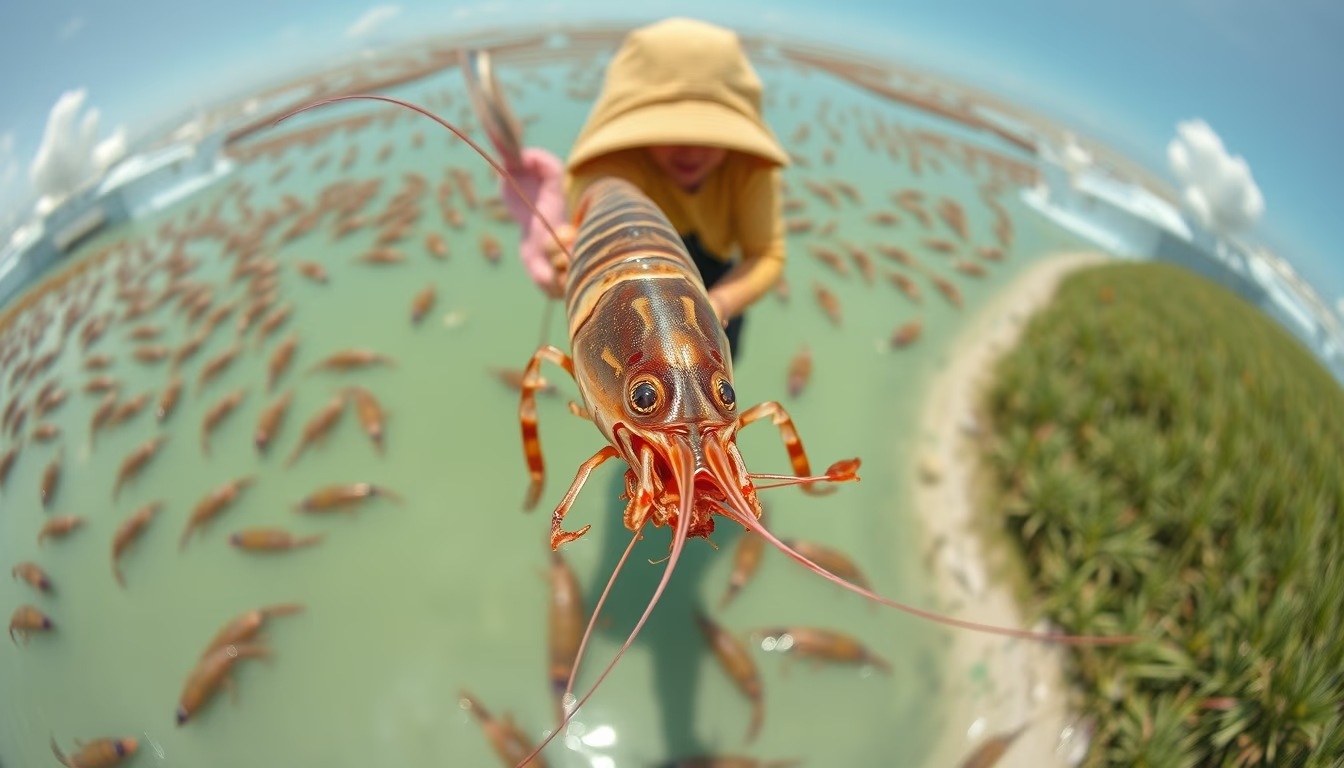
Aerial view of a shrimp farm: rectangular ponds and water channels shape the landscape of global aquaculture.
About this subject
Shrimp farming, or aquaculture of shrimp, is one of the fastest-growing sectors of global aquaculture, producing approximately 4.5 million metric tons annually (FAO, 2020). The Pacific whiteleg shrimp (Litopenaeus vannamei) dominates production, raised primarily in tropical nations such as Ecuador, Vietnam, Indonesia, and Brazil. In Brazil, the Northeast region, especially Rio Grande do Norte and Ceará, holds the largest concentration of ponds, thanks to warm climate and accessible coastal areas.
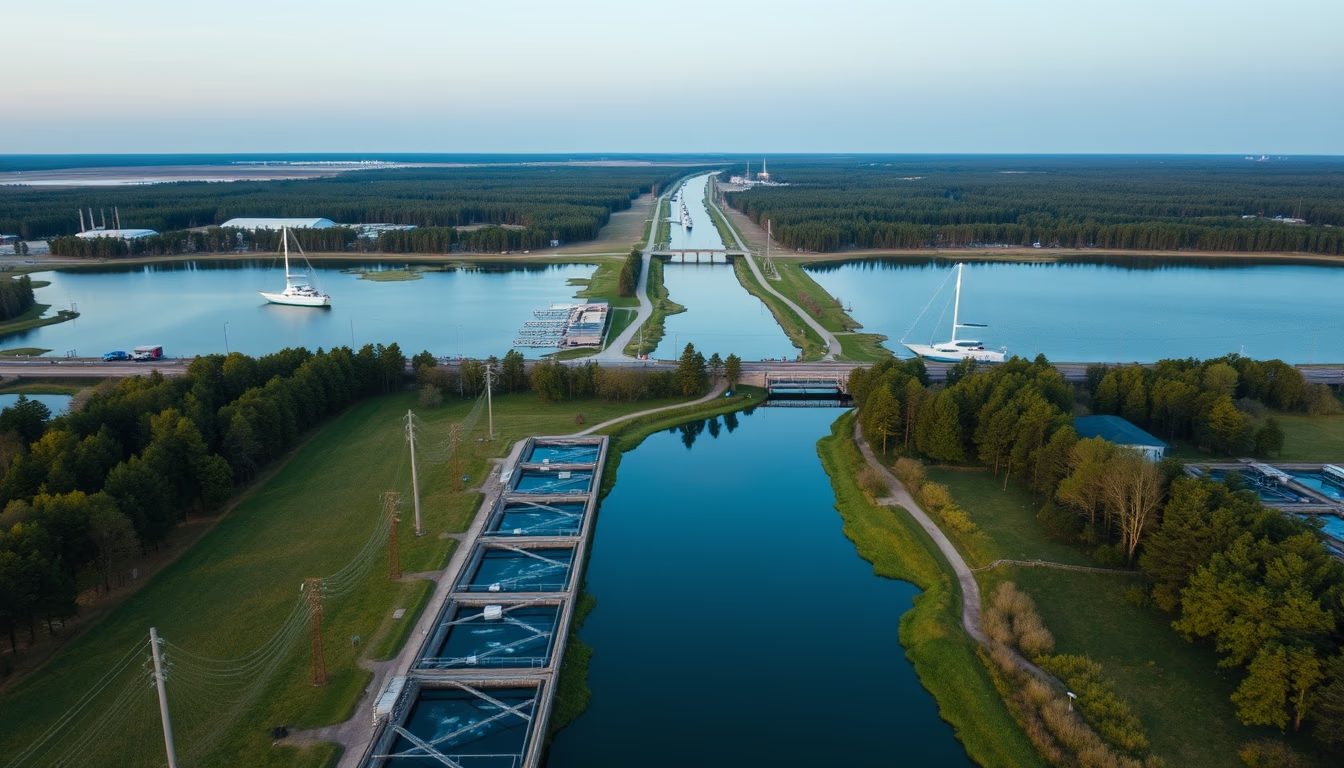
Shrimp farms range from extensive systems (low density, in natural mangroves) to intensive ones (high density, with aeration and controlled feed). Aerial images taken with fish-eye wide-angle lenses emphasize the geometry of rectangular ponds and supply/drainage canals, forming a distinctive mosaic when viewed from above. Such photography is frequently used in remote sensing and environmental monitoring to assess land use changes and potential ecological impacts.
The growth of shrimp farming has sparked debates over sustainability. Mangrove deforestation for pond construction, soil salinization, and water pollution from effluents remain critical challenges. Conversely, certified systems (such as ASC and BAP) aim to mitigate these issues through better management practices. Brazilian production, for instance, is increasingly adopting technologies like biofloc and recirculation to minimize water exchange. An aerial view of a shrimp farm thus captures not only a striking landscape but also the complexities of modern food production.
Frequently Asked Questions
How does a shrimp farm operate?
Ponds are excavated earthen basins filled with seawater or brackish water. Shrimp are fed formulated feed, and in intensive systems, aerators maintain dissolved oxygen levels. The grow-out cycle lasts 3 to 6 months.
What are the main environmental impacts of shrimp farming?
Key impacts include mangrove deforestation for pond construction, soil salinization, high water consumption, and discharge of nutrient-rich effluents that can cause eutrophication in nearby water bodies.
Where are the world's largest shrimp farms located?
Major concentrations are found in Ecuador (Guayas province), Vietnam (Mekong Delta), Indonesia (Sulawesi), and Brazil (Rio Grande do Norte). Ecuador is the largest exporter of farmed shrimp globally.
Direct URL
https://pub-c7d6a6ea828543ac903a74a341ccb2e1.r2.dev/imagens/shrimp-farm-aerial-fish-eye-wide-angle-fresh16.avifHow to credit
Include a visible link back to UtilizAí. Copy one of the snippets below:
<a href="https://xn--utiliza-eza.com/en/midia/imagens/shrimp-farm-aerial-fish-eye-wide-angle-fresh16">Shrimp farm aerial</a> by <a href="https://xn--utiliza-eza.com">UtilizAí</a>, licensed under <a href="https://creativecommons.org/licenses/by/4.0/">CC BY 4.0</a>.
[Shrimp farm aerial](https://xn--utiliza-eza.com/en/midia/imagens/shrimp-farm-aerial-fish-eye-wide-angle-fresh16) by [UtilizAí](https://xn--utiliza-eza.com), CC BY 4.0
License: CC-BY-4.0