Shrimp farm aerial
1344×768 · AVIF · CC BY 4.0
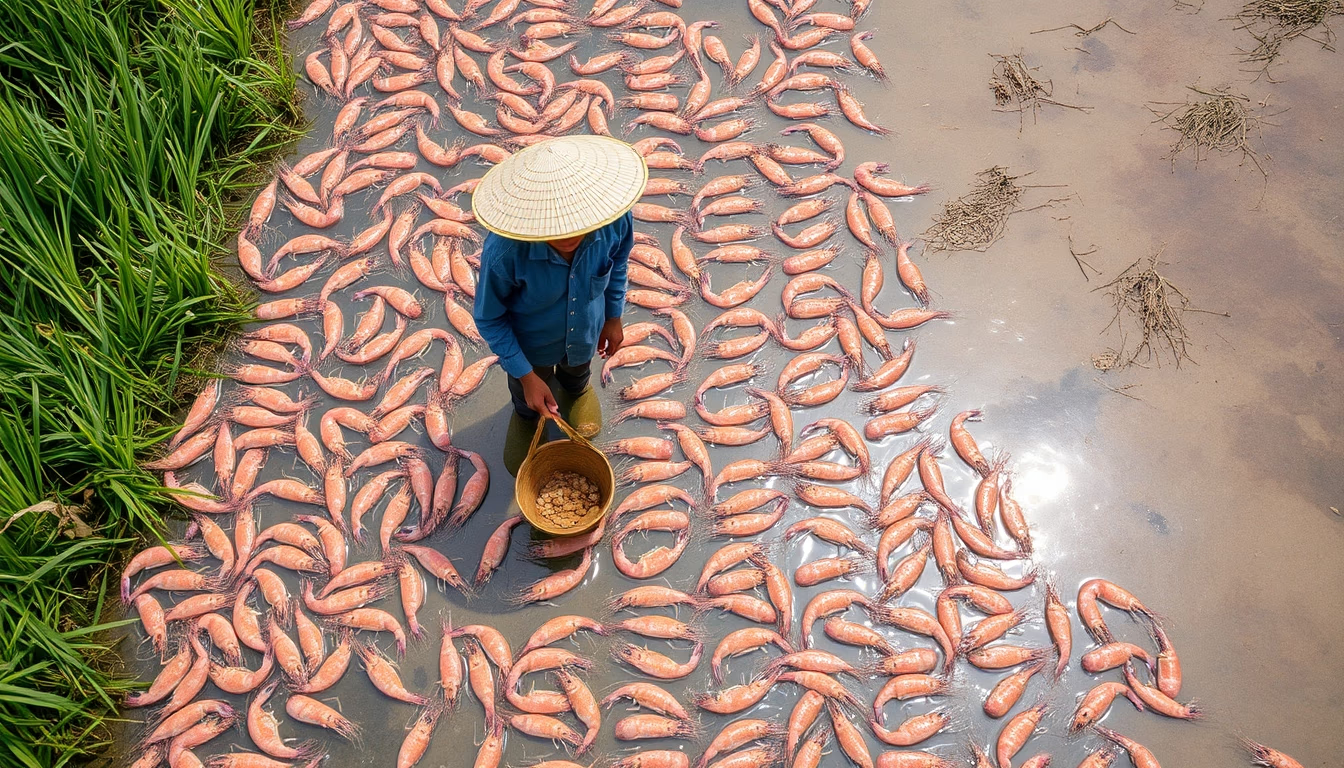
Shrimp farming in aerated ponds is an important economic activity in Brazil, especially in the Northeast, with production concentrated in excavated ponds.
About this subject
Shrimp farming, or aquaculture of penaeid shrimps, is one of the most dynamic segments of global aquaculture. Brazil ranks among the top producers of Litopenaeus vannamei (Pacific white shrimp), with annual output exceeding 100,000 tonnes. Most farms consist of excavated ponds along the northeastern coast, where tropical climate and brackish water availability accelerate growth. Feed is balanced, and mechanical paddlewheel aeration maintains adequate dissolved oxygen levels.
The Northeast region accounts for over 90% of national production, led by Rio Grande do Norte, Ceará, and Pernambuco. Intensive systems stock up to 60 shrimp per square meter, requiring strict water quality control and health management. Harvest occurs between 90 and 120 days when shrimp reach market size. The product supplies domestic demand and is exported to Europe and the United States.
Despite economic benefits, shrimp farming faces environmental challenges. Conversion of mangroves into ponds has caused degradation, but innovations like biofloc systems and lined ponds reduce impact. Probiotics in water limit antibiotic use, and certifications such as the Aquaculture Stewardship Council (ASC) promote sustainability. Brazilian research contributes to genetic improvement and disease resistance.
Notably, farmed shrimp in Brazil have a lower carbon footprint than many animal proteins. Each kilogram of shrimp requires about 1.5 kg of feed, better than beef cattle. Additionally, brackish water culture does not directly compete with freshwater agriculture, sparing water resources. The sector creates thousands of direct and indirect jobs, especially in low-income coastal areas of the Northeast.
Frequently Asked Questions
How does shrimp farming in ponds work?
Ponds are excavated earthen tanks, often lined with geomembrane or compacted soil. They are filled with brackish water and equipped with aerators for oxygenation. Shrimp are fed balanced feed, and management includes water quality control, disease prevention, and selective harvesting.
What are the main environmental impacts of shrimp farming?
Historically, mangrove destruction for pond construction was the main impact. Other issues include eutrophication from nutrient-rich effluents and antibiotic use. Modern practices like recirculation systems and biofloc technology minimize these effects.
Where is shrimp production concentrated in Brazil?
Over 90% of Brazilian production is in the Northeast region, especially Rio Grande do Norte, Ceará, and Pernambuco. The warm climate and availability of brackish water along the coast are key factors for this concentration.
Direct URL
https://pub-c7d6a6ea828543ac903a74a341ccb2e1.r2.dev/imagens/shrimp-farm-aerial-film-grain-authentic-fresh11.avifHow to credit
Include a visible link back to UtilizAí. Copy one of the snippets below:
<a href="https://xn--utiliza-eza.com/en/midia/imagens/shrimp-farm-aerial-film-grain-authentic-fresh11">Shrimp farm aerial</a> by <a href="https://xn--utiliza-eza.com">UtilizAí</a>, licensed under <a href="https://creativecommons.org/licenses/by/4.0/">CC BY 4.0</a>.
[Shrimp farm aerial](https://xn--utiliza-eza.com/en/midia/imagens/shrimp-farm-aerial-film-grain-authentic-fresh11) by [UtilizAí](https://xn--utiliza-eza.com), CC BY 4.0
License: CC-BY-4.0