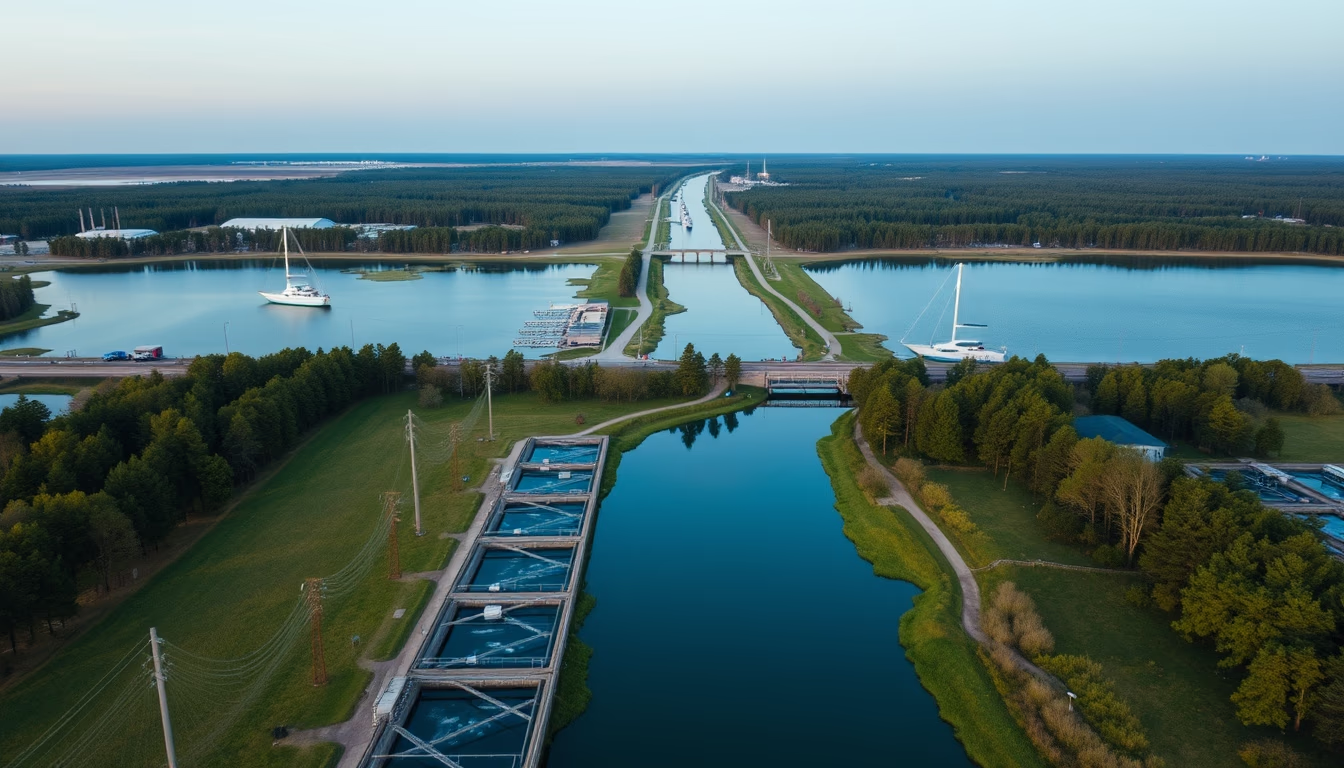
Shrimp farm aerial
1344×768 · AVIF · CC BY 4.0
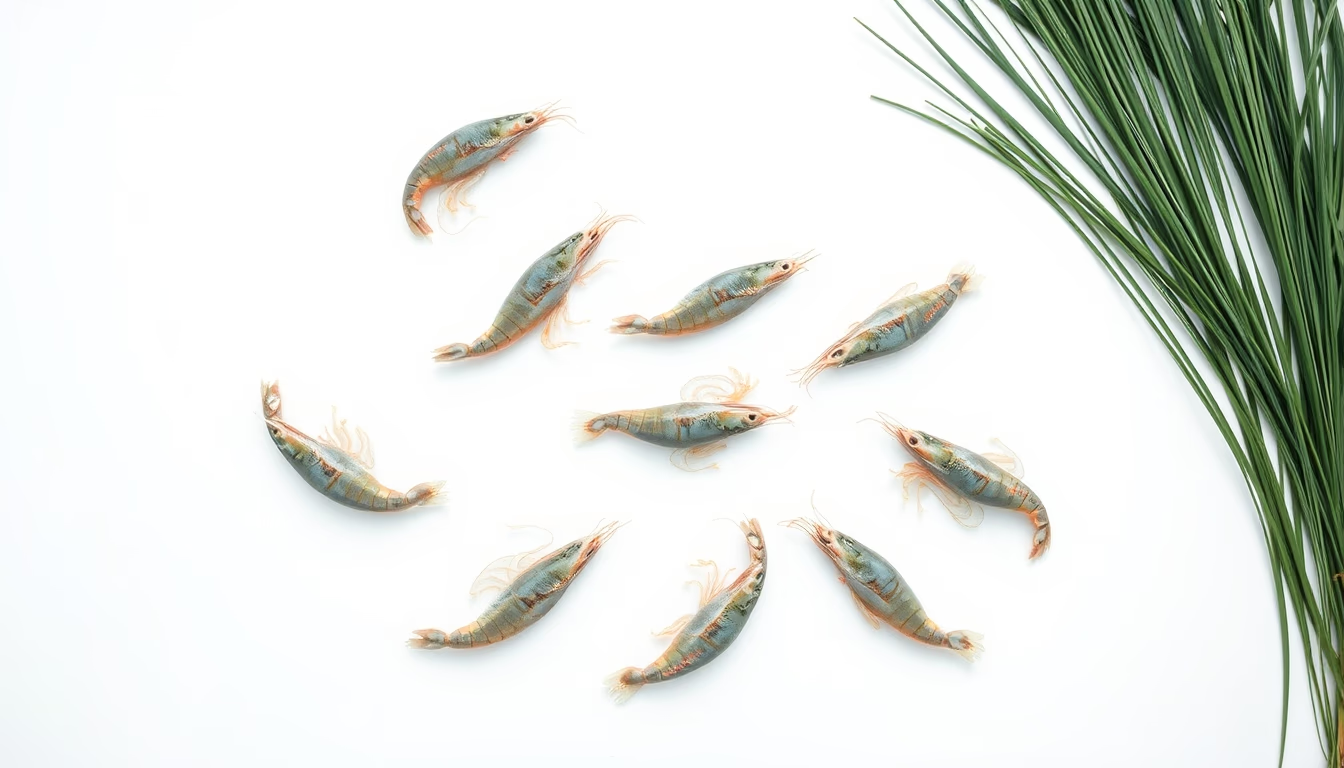
Shrimp aquaculture is one of the most profitable aquaculture activities worldwide, with cultivation ponds stretching for kilometers in tropical coastal regions.
About this subject
Shrimp farming, or aquaculture of crustaceans, has experienced exponential growth in recent decades, especially in Southeast Asia and Latin America. Countries such as China, Thailand, Vietnam, and Ecuador lead global production, accounting for over 80% of farmed shrimp worldwide. Brazil focuses on the northeastern states, such as Rio Grande do Norte and Ceará, where climatic conditions and coastal land availability favor cultivation.
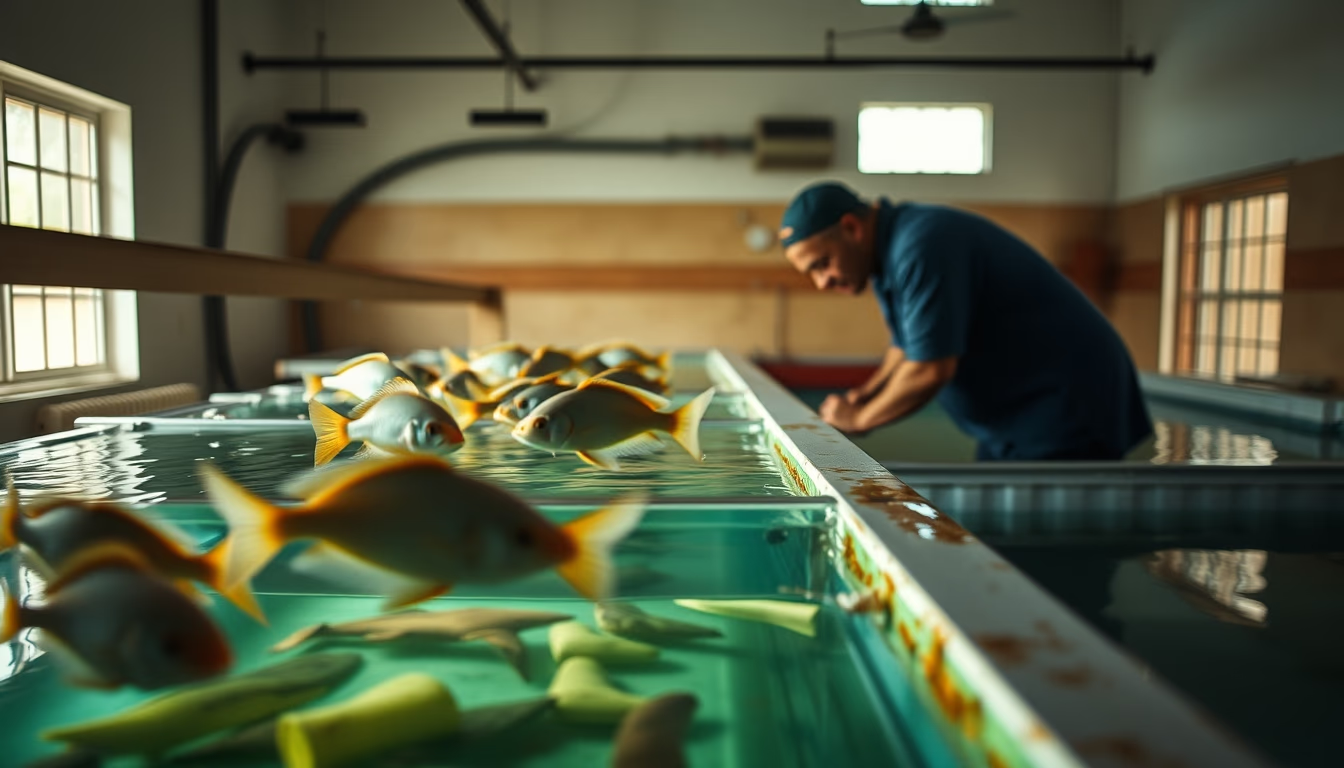
Different production systems range from extensive, with low stocking density and minimal management, to intensive, using high density, artificial aeration, and formulated feed. The main cultivated species is the Pacific white shrimp (Litopenaeus vannamei), which adapts to various salinities and exhibits fast growth. Productivity can reach up to 20 tons per hectare per year in super-intensive systems.
Despite economic benefits, shrimp farming faces serious environmental challenges. Mangrove conversion into shrimp ponds is a major driver of ecosystem degradation, as mangroves serve as nurseries for many marine species. Additionally, antibiotic use and nutrient-rich effluent discharge can cause eutrophication in nearby water bodies. To mitigate these impacts, certifications such as the Aquaculture Stewardship Council (ASC) have emerged, setting standards for responsible production.
The industry is also vulnerable to diseases like White Spot Syndrome Virus (WSSV) and Acute Hepatopancreatic Necrosis Disease (AHPND), which caused billions in losses in recent years. Research in genetics and better management practices aim to increase shrimp resistance and improve biosecurity. Global demand for shrimp remains high, driving technological innovations and sustainable expansion of the activity.
Frequently Asked Questions
What is the difference between extensive and intensive shrimp farming systems?
Extensive systems use low stocking densities (up to 5 shrimp per square meter) and rely on natural food with minimal management. Intensive systems use high densities (over 50 shrimp per square meter), artificial aeration, formulated feed, and strict water quality control, resulting in higher productivity.
Which countries are the main producers of farmed shrimp?
The top global producers are China, Thailand, Vietnam, Indonesia, and Ecuador. In Latin America, Brazil, Mexico, and Honduras also play significant roles, with Ecuador being the leading exporter in the region.
What are the environmental impacts of shrimp farming and how can they be mitigated?
Key impacts include mangrove destruction for pond construction, pollution from nutrient-rich effluents, and antibiotic use. Mitigation involves environmental licensing, effluent treatment, certification schemes like ASC, and preservation of mangrove areas.
Direct URL
https://pub-c7d6a6ea828543ac903a74a341ccb2e1.r2.dev/imagens/shrimp-farm-aerial-commercial-product-photography-fresh7.avifHow to credit
Include a visible link back to UtilizAí. Copy one of the snippets below:
<a href="https://xn--utiliza-eza.com/en/midia/imagens/shrimp-farm-aerial-commercial-product-photography-fresh7">Shrimp farm aerial</a> by <a href="https://xn--utiliza-eza.com">UtilizAí</a>, licensed under <a href="https://creativecommons.org/licenses/by/4.0/">CC BY 4.0</a>.
[Shrimp farm aerial](https://xn--utiliza-eza.com/en/midia/imagens/shrimp-farm-aerial-commercial-product-photography-fresh7) by [UtilizAí](https://xn--utiliza-eza.com), CC BY 4.0
License: CC-BY-4.0