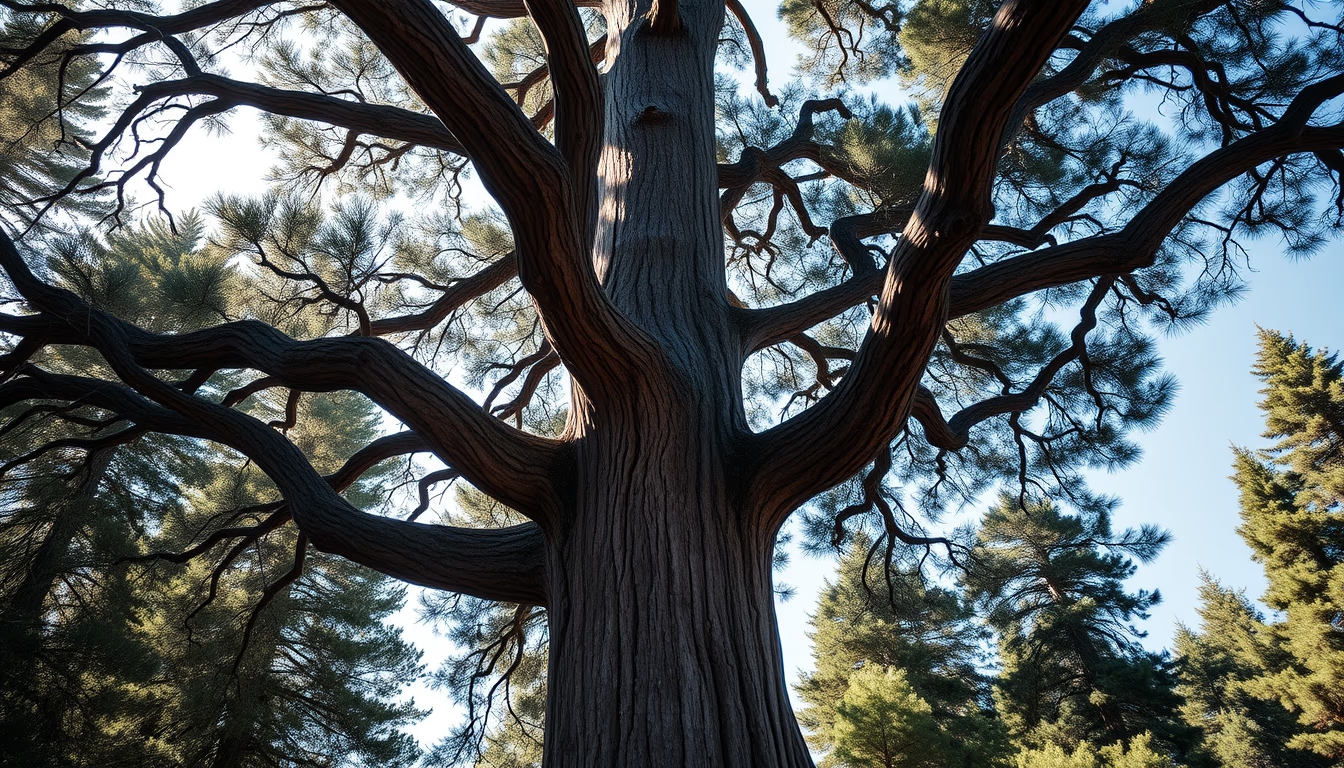
Sequoia giant tree
1344×768 · AVIF · CC BY 4.0
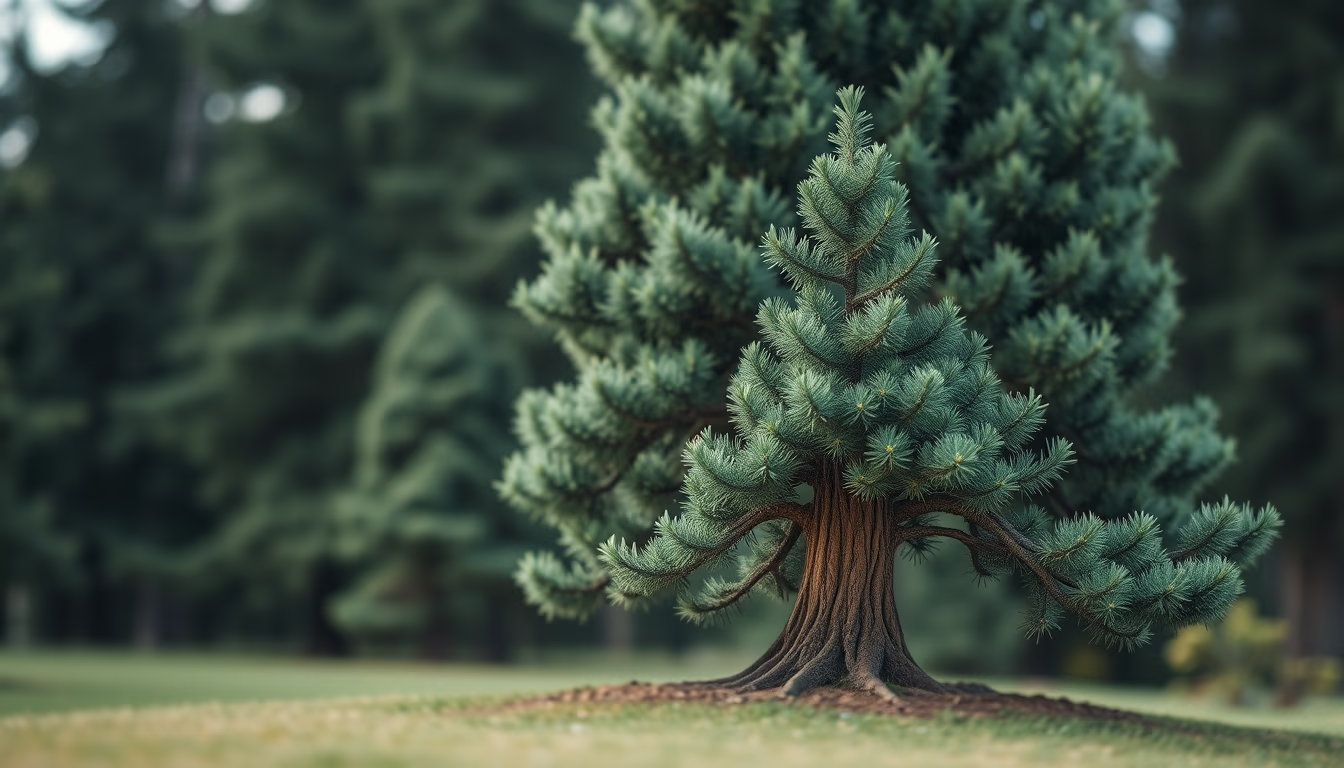
The giant sequoia (Sequoiadendron giganteum) is the world's largest tree by volume, native to California's Sierra Nevada, and can live for thousands of years.
About this subject
The giant sequoia (Sequoiadendron giganteum) is one of three conifer species commonly known as sequoias, along with the coast redwood (Sequoia sempervirens) and the dawn redwood (Metasequoia glyptostroboides). Native to the western slopes of California's Sierra Nevada, this impressive tree can reach heights over 80 meters and diameters exceeding 10 meters. The largest known specimen, General Sherman in Sequoia National Park, has an estimated volume of 1,487 cubic meters. Giant sequoias are among the oldest living organisms on Earth, with individuals surpassing 3,000 years of age.
The natural distribution of the species is limited to about 75 fragmented groves within a narrow strip roughly 420 km long, at elevations between 1,400 and 2,150 meters. The local climate features heavy winter snow and dry summers, conditions the tree exploits thanks to its thick, fibrous bark that protects it from fire. Fire, in fact, plays a crucial role in the sequoia's life cycle: high temperatures open the serotinous cones, releasing seeds onto mineralized, nutrient-rich soils.
Culturally, the giant sequoia is a symbol of longevity and resilience. Since the 19th century, it has attracted tourists and naturalists, and was subject to logging until the creation of national parks such as Sequoia National Park (1890). Currently, the species is classified as endangered by the IUCN, mainly due to climate change and the suppression of natural fires, which alters its habitat. Restoration programs and controlled fire management have been implemented to ensure the survival of these ancient giants.
Frequently Asked Questions
What is the maximum recorded height of a giant sequoia?
The tallest known giant sequoia is approximately 94.9 meters (311 feet), recorded in a specimen called 'Redwood Mountain Giant'. While not the tallest trees (coast redwoods hold that record), giant sequoias are unmatched in overall bulk.
Where can I find giant sequoias?
Giant sequoias are native to the western slopes of California's Sierra Nevada. The best places to see them are Sequoia National Park, Kings Canyon National Park, and the Giant Sequoia National Monument.
Why are giant sequoias so resistant to fire?
Their thick bark, up to 60 cm (24 inches), contains tannins that make it fibrous and heat-resistant. High crowns and naturally shed lower branches reduce the chance of fire climbing. Fire is essential for reproduction, as it opens serotinous cones and prepares the seedbed.
Direct URL
https://pub-c7d6a6ea828543ac903a74a341ccb2e1.r2.dev/imagens/sequoia-giant-tree-tilt-shift-miniature-p3.avifHow to credit
Include a visible link back to UtilizAí. Copy one of the snippets below:
<a href="https://xn--utiliza-eza.com/en/midia/imagens/sequoia-giant-tree-tilt-shift-miniature-p3">Sequoia giant tree</a> by <a href="https://xn--utiliza-eza.com">UtilizAí</a>, licensed under <a href="https://creativecommons.org/licenses/by/4.0/">CC BY 4.0</a>.
[Sequoia giant tree](https://xn--utiliza-eza.com/en/midia/imagens/sequoia-giant-tree-tilt-shift-miniature-p3) by [UtilizAí](https://xn--utiliza-eza.com), CC BY 4.0
License: CC-BY-4.0