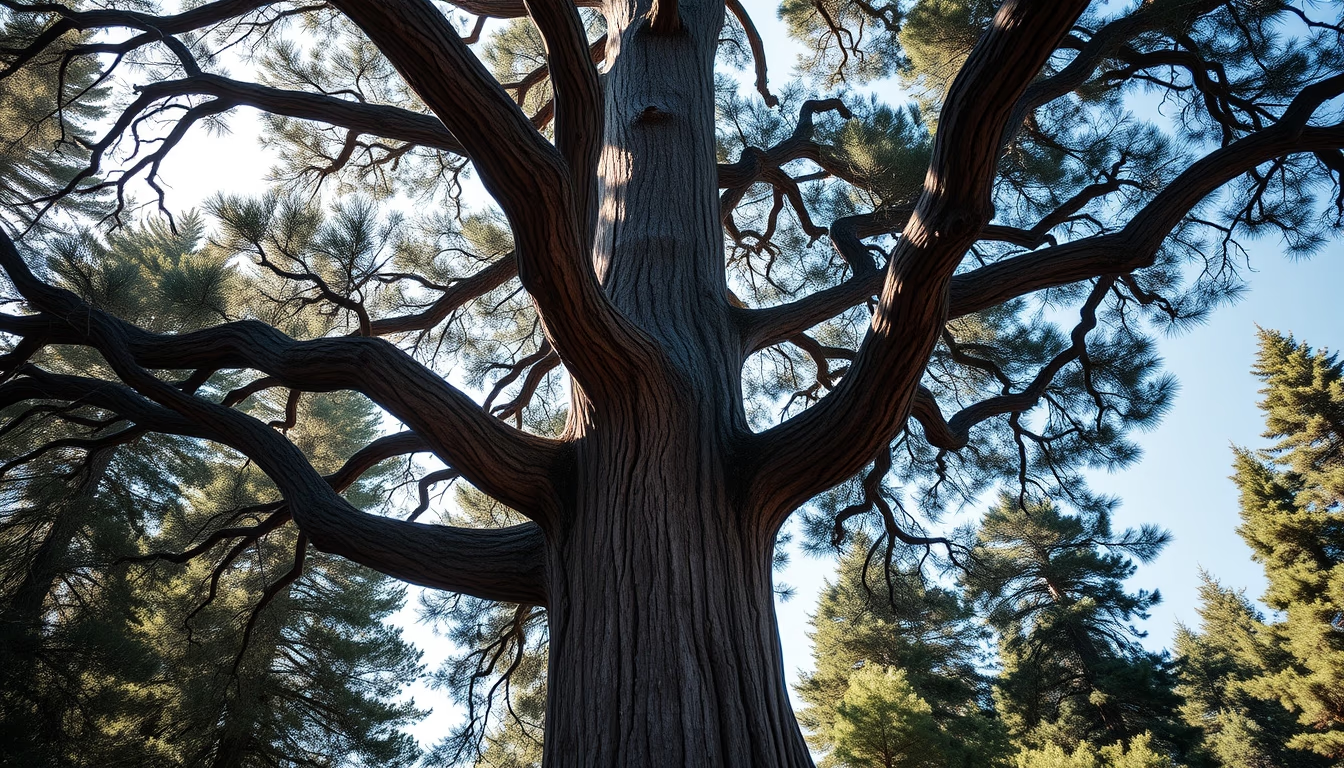
Sequoia giant tree
1344×768 · AVIF · CC BY 4.0
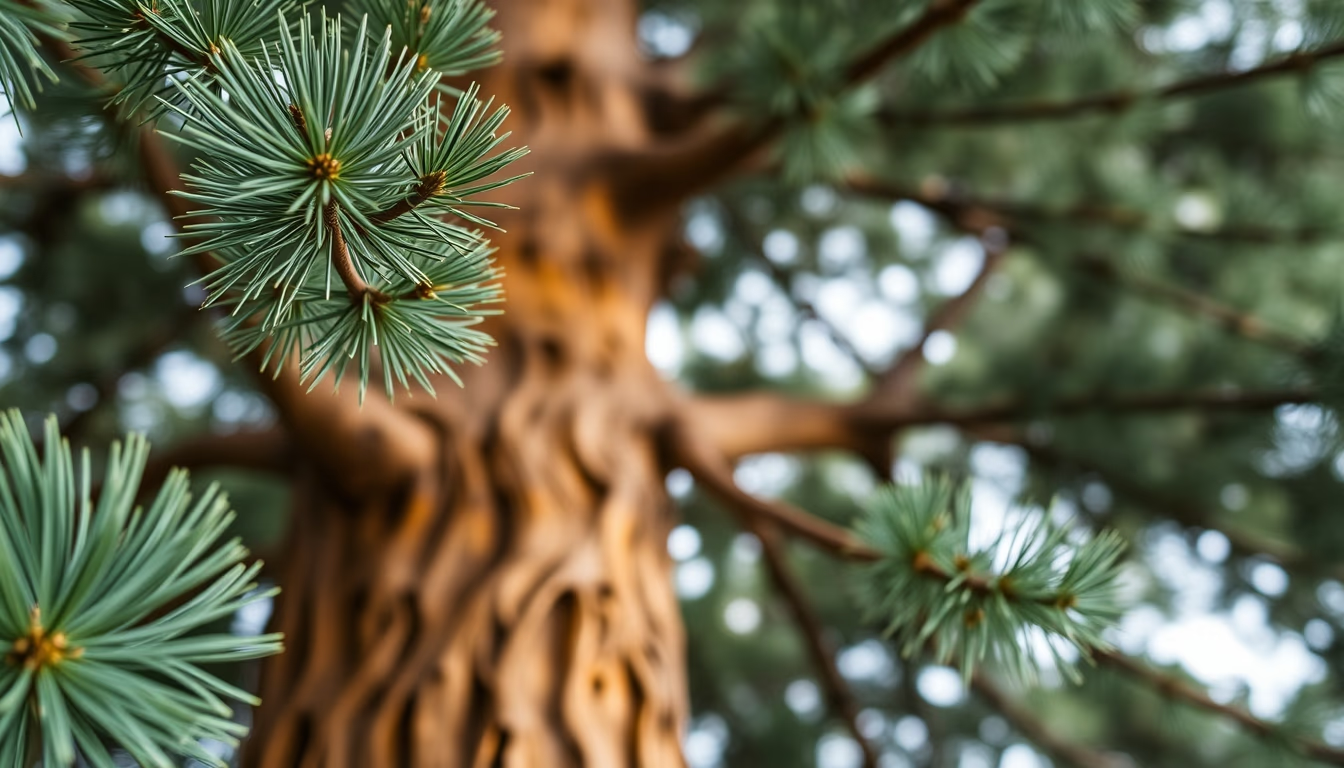
Giant sequoias are the world's largest trees by volume, native to California's Sierra Nevada, with trunks exceeding 80 meters in height.
About this subject
Giant sequoias (Sequoiadendron giganteum) are iconic trees native to the Sierra Nevada mountain range in California, USA. They hold the record for the largest volume of any tree on Earth, with the famous General Sherman specimen estimated at 1,487 cubic meters. Unlike coast redwoods (Sequoia sempervirens), which grow taller, giant sequoias boast wider, more massive trunks, reaching diameters of up to 11 meters.
These trees can live for over 3,000 years, and their wood is highly resistant to decay due to high tannin content. The bark, which can be up to 60 cm thick, provides protection against the frequent wildfires in the region. In fact, fire plays a crucial role in seed germination, as heat opens the cones and exposes mineral soil needed for growth.
Giant sequoias are found only in about 70 groves scattered along the western slope of the Sierra Nevada, at elevations between 1,500 and 2,400 meters. Sequoia National Park and Kings Canyon National Park house some of the most famous specimens. Despite their grandeur, the species is considered endangered due to climate change, more intense wildfires, and prolonged droughts.
Interestingly, the name "sequoia" honors Sequoyah, a Cherokee leader who created a writing system for his language. Although there is no direct relation to the trees, the tribute reflects admiration for their symbolic stature. Conservation efforts currently include seed collection and planting in other parts of the world, such as parks in Europe and New Zealand, where they have adapted well.
Frequently Asked Questions
Where can I see giant sequoias outside California?
Giant sequoias have been planted in botanical gardens and parks around the world, including the UK (e.g., Kew Gardens), New Zealand, and parts of Europe. However, they rarely reach the massive size of their native Californian counterparts due to different growing conditions.
What is the difference between giant sequoias and coast redwoods?
Giant sequoias have thicker trunks and greater overall volume, grow at higher elevations, and are more fire-resistant. Coast redwoods are taller (over 100 meters) and thrive in humid coastal regions of California.
Are giant sequoias endangered?
Yes, the IUCN lists the species as endangered. Major threats include increasingly intense wildfires due to climate change, drought, and habitat loss. Conservation efforts include seed banking and assisted migration.
Direct URL
https://pub-c7d6a6ea828543ac903a74a341ccb2e1.r2.dev/imagens/sequoia-giant-tree-macro-closeup-p8.avifHow to credit
Include a visible link back to UtilizAí. Copy one of the snippets below:
<a href="https://xn--utiliza-eza.com/en/midia/imagens/sequoia-giant-tree-macro-closeup-p8">Sequoia giant tree</a> by <a href="https://xn--utiliza-eza.com">UtilizAí</a>, licensed under <a href="https://creativecommons.org/licenses/by/4.0/">CC BY 4.0</a>.
[Sequoia giant tree](https://xn--utiliza-eza.com/en/midia/imagens/sequoia-giant-tree-macro-closeup-p8) by [UtilizAí](https://xn--utiliza-eza.com), CC BY 4.0
License: CC-BY-4.0