Seaweed farm asian
1344×768 · AVIF · CC BY 4.0
Seaweed farming in Asia is an ancient practice that sustains millions and provides raw materials for food, cosmetics, and biofuels.
About this subject
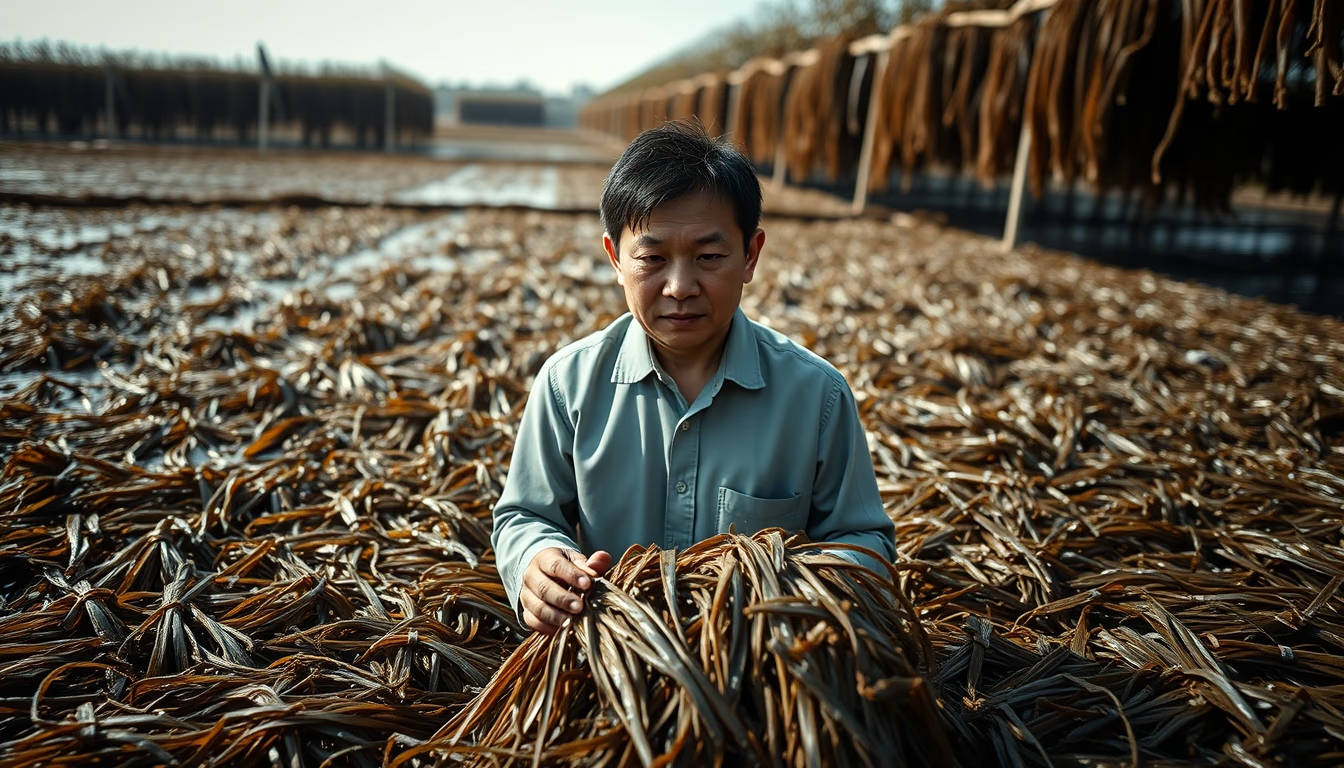
Seaweed is cultivated in vast coastal areas across Asia, particularly in China, Indonesia, the Philippines, South Korea, and Japan. This practice dates back centuries, with historical records from 6th century Japan where seaweed was used for food and fertilizer. Today, Asia accounts for over 95% of global seaweed production, exceeding 30 million tons annually.
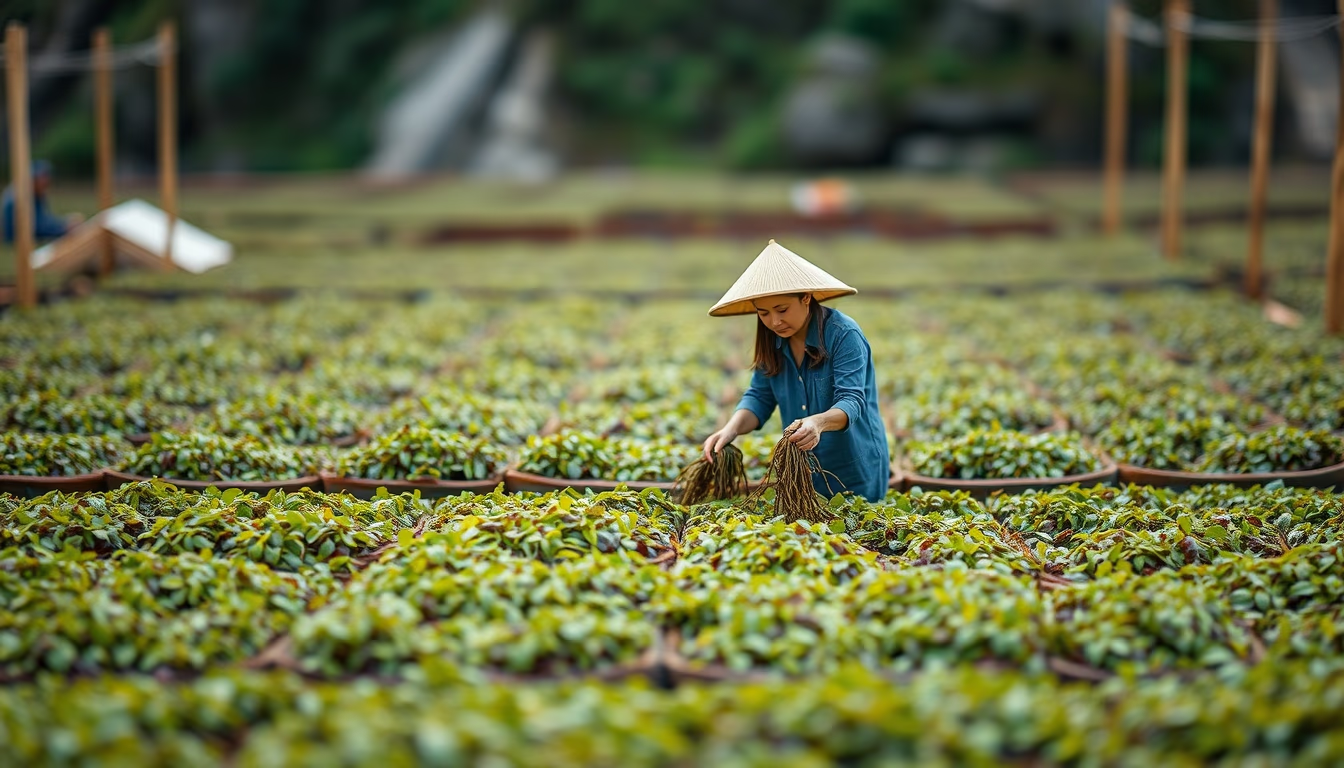
Farming is mainly carried out by smallholders using traditional methods such as bamboo stakes and floating nets. Common species include nori for sushi, kombu for broths, and wakame for salads. These aquatic farms often stretch for kilometers along sheltered bays, creating unique landscapes resembling underwater fields.
Beyond food, seaweed provides hydrocolloids like carrageenan and agar, essential in pharmaceutical and cosmetic industries. Cultivation also offers environmental benefits: absorbing carbon and excess nutrients, reducing eutrophication. Countries like Indonesia have invested in seaweed farms to boost local economies and combat poverty in coastal areas.
Harvesting is done manually, typically in 45 to 60 day cycles depending on the species. After collection, seaweed is sun-dried or processed industrially. Recent efforts aim to integrate seaweed farming with fish and shellfish aquaculture, creating integrated systems that enhance productivity and sustainability. The expansion of this sector promises to be a key solution for food security and climate change mitigation.
Frequently Asked Questions
How are seaweeds farmed in Asia?
Farming typically uses bamboo stakes or floating nets anchored in shallow coastal waters. Seaweeds are tied to ropes or substrates and grow in 45 to 60 day cycles, harvested manually.
Which Asian countries are leading seaweed producers?
China and Indonesia are the top producers, followed by the Philippines, South Korea, and Japan. Together they account for over 95% of global production.
What are the main uses of farmed seaweed?
Seaweed is used for human food (sushi, soups, salads), extraction of thickeners like agar and carrageenan, fertilizers, animal feed, and increasingly for biofuels and bioplastics.
Direct URL
https://pub-c7d6a6ea828543ac903a74a341ccb2e1.r2.dev/imagens/seaweed-farm-asian-tilt-shift-miniature-fresh11.avifHow to credit
Include a visible link back to UtilizAí. Copy one of the snippets below:
<a href="https://xn--utiliza-eza.com/en/midia/imagens/seaweed-farm-asian-tilt-shift-miniature-fresh11">Seaweed farm asian</a> by <a href="https://xn--utiliza-eza.com">UtilizAí</a>, licensed under <a href="https://creativecommons.org/licenses/by/4.0/">CC BY 4.0</a>.
[Seaweed farm asian](https://xn--utiliza-eza.com/en/midia/imagens/seaweed-farm-asian-tilt-shift-miniature-fresh11) by [UtilizAí](https://xn--utiliza-eza.com), CC BY 4.0
License: CC-BY-4.0