Seaweed farm asian
1344×768 · AVIF · CC BY 4.0
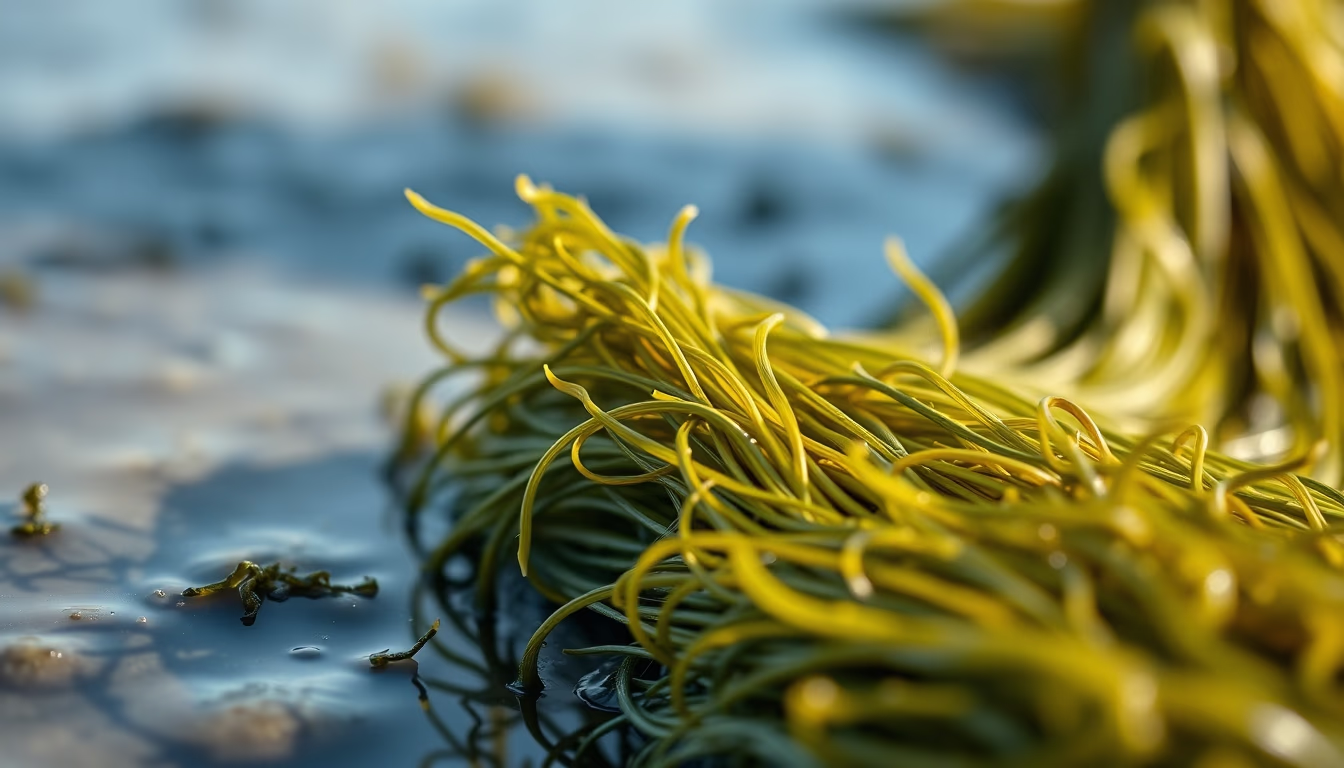
Seaweed farming in Asia: an age-old practice combining tradition, innovation, and sustainability.
About this subject
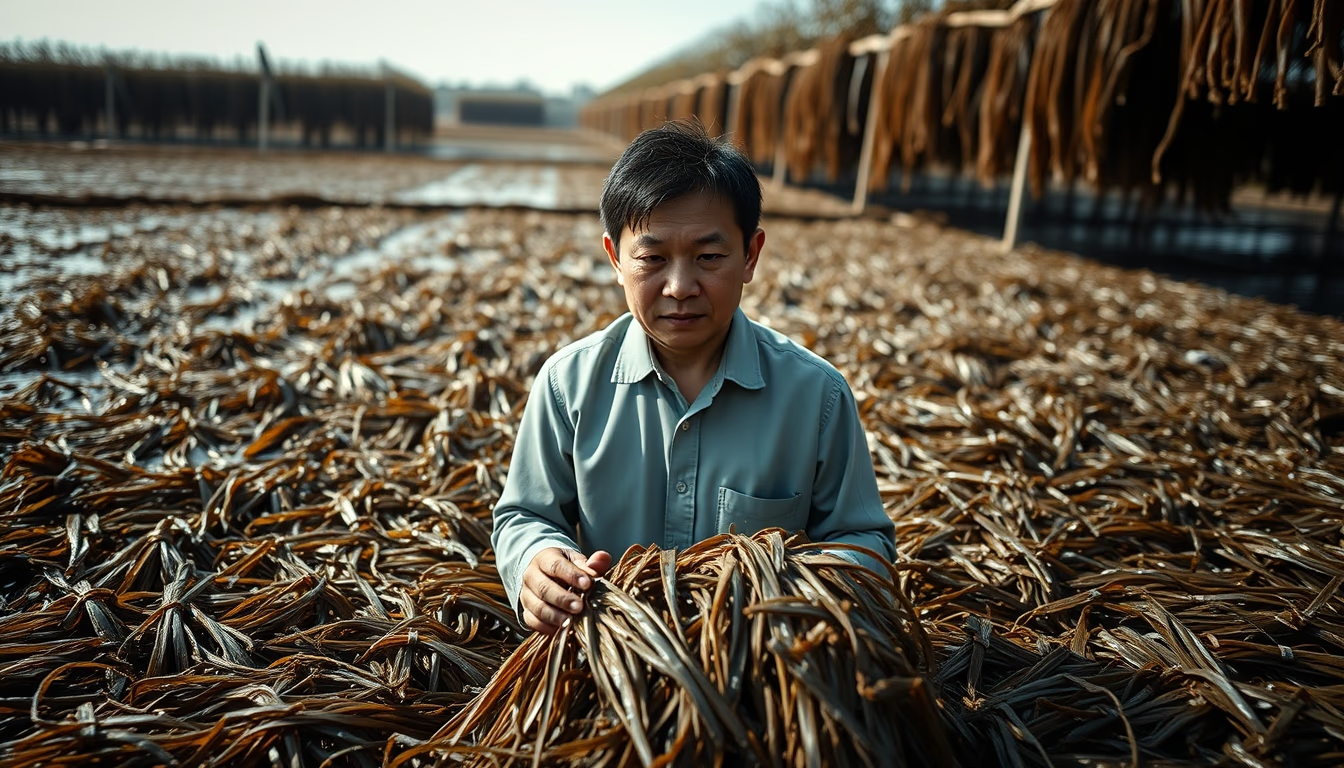
Seaweed farming is an ancient practice in Asia, particularly in China, Japan, South Korea, Indonesia, and the Philippines. China is the world's largest producer, accounting for roughly 60% of global output, followed by Indonesia. Major cultivated species include kombu (Saccharina japonica), nori (Pyropia spp.), and wakame (Undaria pinnatifida), widely used in Asian cuisine. Beyond food, seaweeds are raw materials for cosmetics, fertilizers, biofuels, and dietary supplements rich in iodine and fiber.
Cultivation techniques vary by species and region. Typically, seaweeds are grown on ropes or nets suspended in shallow coastal waters, leveraging currents and sunlight. The process begins with attaching seedlings to floating structures, monitored over months until harvest. In Indonesia, for instance, red seaweed (Eucheuma and Gracilaria) farming provides vital income for coastal communities, creating jobs and reducing pressure on traditional fisheries.
The environmental benefits of seaweed farms are remarkable. They absorb carbon dioxide and nutrients like nitrogen and phosphorus, helping mitigate ocean acidification and eutrophication. Additionally, they serve as habitat for fish and crustaceans, enhancing local biodiversity. Recent studies suggest that large-scale seaweed expansion could contribute to global food security and decarbonization, aligning with the UN Sustainable Development Goals.
Interestingly, Japan has been cultivating seaweeds for over 1,500 years, with historical records from the Nara period. Nori, used in sushi, was traditionally harvested from bamboo nets. Modern production now employs technology for selecting disease-resistant and heat-tolerant strains. Global demand for seaweed grows at 8% annually, driven by healthy diets and vegan products, making Asia the epicenter of this blue revolution.
Frequently Asked Questions
Which are the main seaweed-producing countries in Asia?
The top producers are China, Indonesia, Philippines, South Korea, and Japan. China alone accounts for over 60% of global output.
What are the most common uses of farmed seaweed?
Seaweeds are used in food (nori, wakame, kombu), cosmetics, fertilizers, biofuels, and dietary supplements rich in iodine and fiber.
How does seaweed farming benefit the environment?
Seaweeds absorb CO2 and nutrients, reduce ocean acidification, provide habitat for marine life, and contribute to sustainable food security.
Direct URL
https://pub-c7d6a6ea828543ac903a74a341ccb2e1.r2.dev/imagens/seaweed-farm-asian-macro-closeup-fresh17.avifHow to credit
Include a visible link back to UtilizAí. Copy one of the snippets below:
<a href="https://xn--utiliza-eza.com/en/midia/imagens/seaweed-farm-asian-macro-closeup-fresh17">Seaweed farm asian</a> by <a href="https://xn--utiliza-eza.com">UtilizAí</a>, licensed under <a href="https://creativecommons.org/licenses/by/4.0/">CC BY 4.0</a>.
[Seaweed farm asian](https://xn--utiliza-eza.com/en/midia/imagens/seaweed-farm-asian-macro-closeup-fresh17) by [UtilizAí](https://xn--utiliza-eza.com), CC BY 4.0
License: CC-BY-4.0