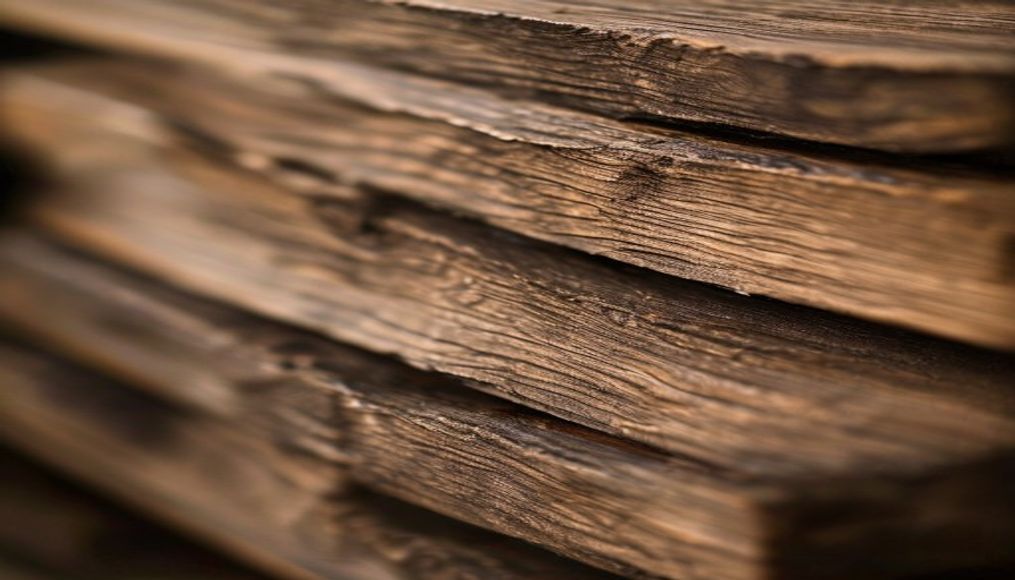
Sawdust wood shavings
1344×768 · AVIF · CC BY 4.0
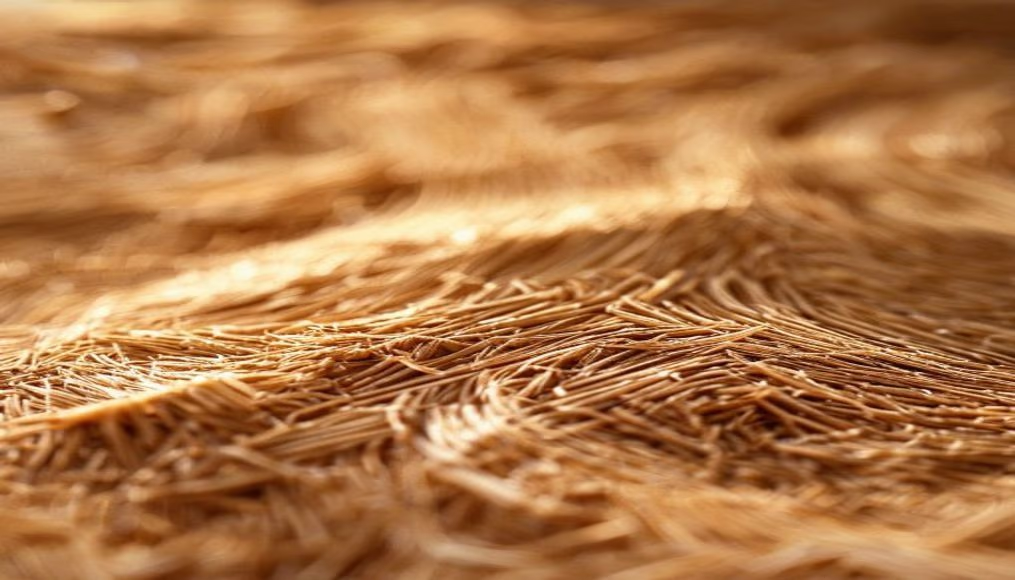
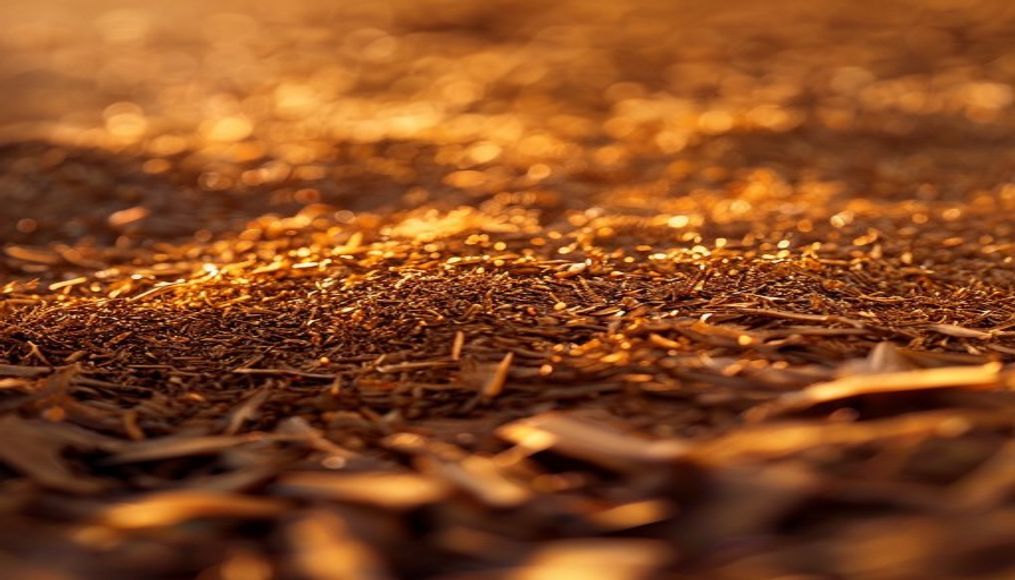
Sawdust and wood shavings are common woodworking byproducts, widely reused in sectors from agriculture to composite panel manufacturing.
About this subject
Sawdust and wood shavings are residues generated during wood processing, especially in activities such as sawing, planing, and sanding. Sawdust consists of fine powdery particles, while shavings are larger, irregular chips produced mainly in planing or turning. Both materials are highly absorbent and rich in carbon, characteristics that make them useful in various applications.
In agriculture, sawdust is often used as animal bedding, particularly in poultry houses and stables, due to its ability to absorb moisture and odors. It also serves as mulch in gardens, helping to retain soil moisture and suppress weeds. In industry, sawdust and shavings are raw materials for producing particleboard, medium-density fiberboard (MDF), and compressed wood pellets for fuel. In countries with a strong woodworking tradition, such as Brazil and Portugal, wood shavings are commonly used for smoking foods, imparting characteristic flavors to meats and cheeses.
From an environmental perspective, repurposing these residues is crucial to reduce waste and avoid anaerobic decomposition in landfills, which releases methane. In rural communities, sawdust is used as thermal insulation in construction or mixed with clay to form wattle and daub. Interestingly, the fine particle size of sawdust makes it explosive when suspended in air at high concentrations, requiring safety precautions in industrial settings.
Culturally, sawdust and wood shavings are associated with the image of the traditional carpenter, who transforms raw wood into furniture and objects. In popular festivals, such as the Festa do Cavaco in Portugal, the material is honored as a symbol of artisanal work. The versatility of these byproducts demonstrates how human creativity can give new life to industrial waste.
Frequently Asked Questions
Can sawdust be used as fertilizer?
Yes, but with caution. Fresh sawdust consumes nitrogen from the soil during decomposition, potentially harming plants. It is best to compost it first or mix it with nitrogen-rich materials like manure.
What is the difference between sawdust and wood shavings?
Sawdust consists of fine powdery particles generated by saws or sandpaper. Wood shavings are larger, irregular chips produced by planers or hand planes.
Is sawdust flammable?
Yes, especially when fine and suspended in air, forming explosive mixtures. Therefore, in woodworking shops, good ventilation and avoidance of dust accumulation are essential.
Direct URL
https://pub-c7d6a6ea828543ac903a74a341ccb2e1.r2.dev/imagens/sawdust-wood-shavings-minimalist-composition-p0.avifHow to credit
Include a visible link back to UtilizAí. Copy one of the snippets below:
<a href="https://xn--utiliza-eza.com/en/midia/imagens/sawdust-wood-shavings-minimalist-composition-p0">Sawdust wood shavings</a> by <a href="https://xn--utiliza-eza.com">UtilizAí</a>, licensed under <a href="https://creativecommons.org/licenses/by/4.0/">CC BY 4.0</a>.
[Sawdust wood shavings](https://xn--utiliza-eza.com/en/midia/imagens/sawdust-wood-shavings-minimalist-composition-p0) by [UtilizAí](https://xn--utiliza-eza.com), CC BY 4.0
License: CC-BY-4.0