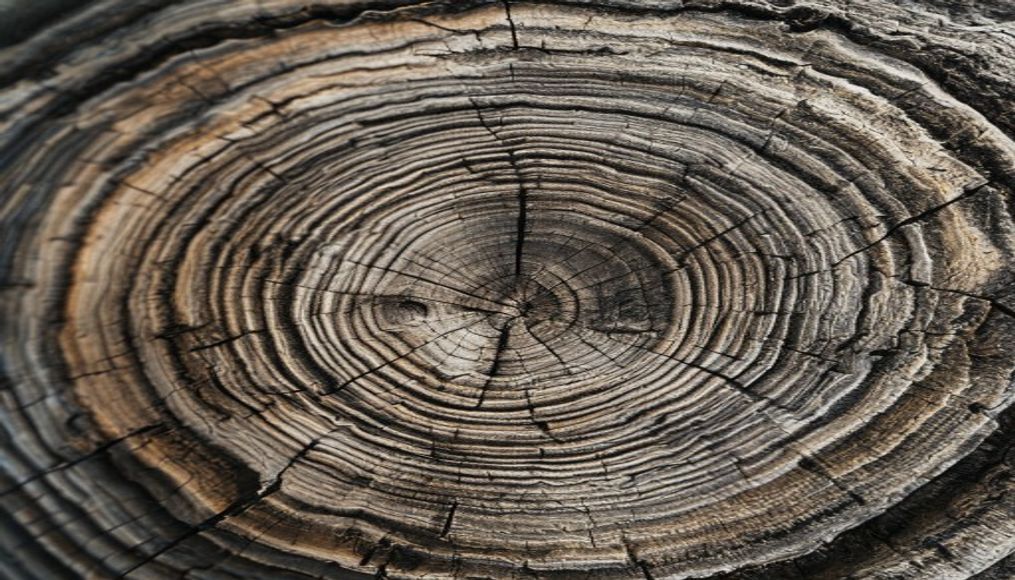
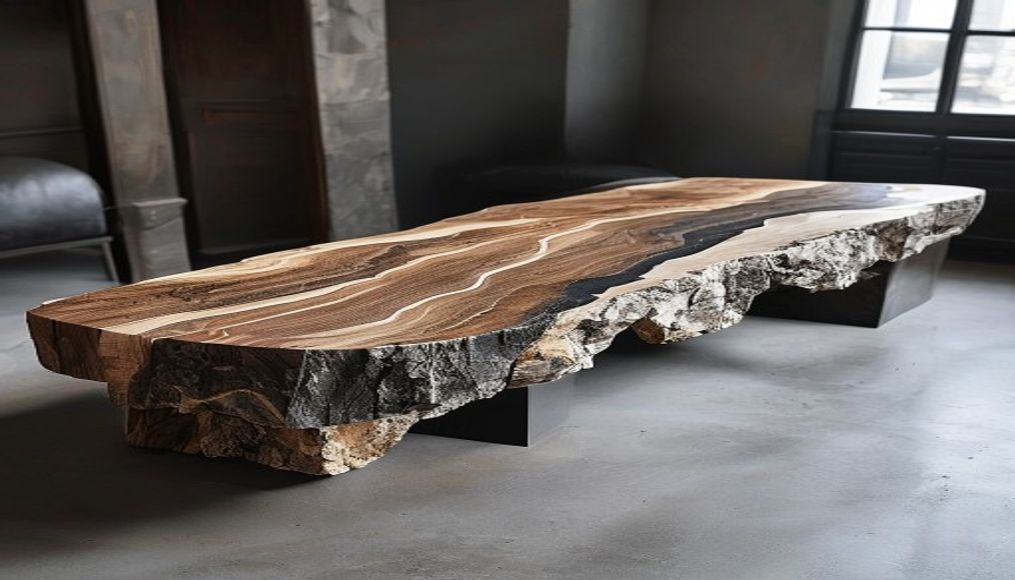
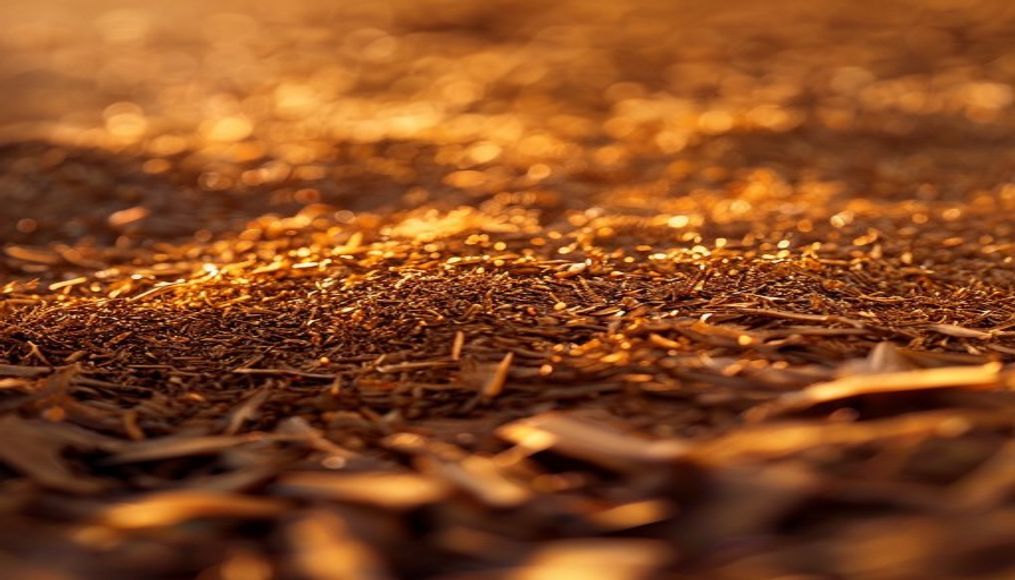
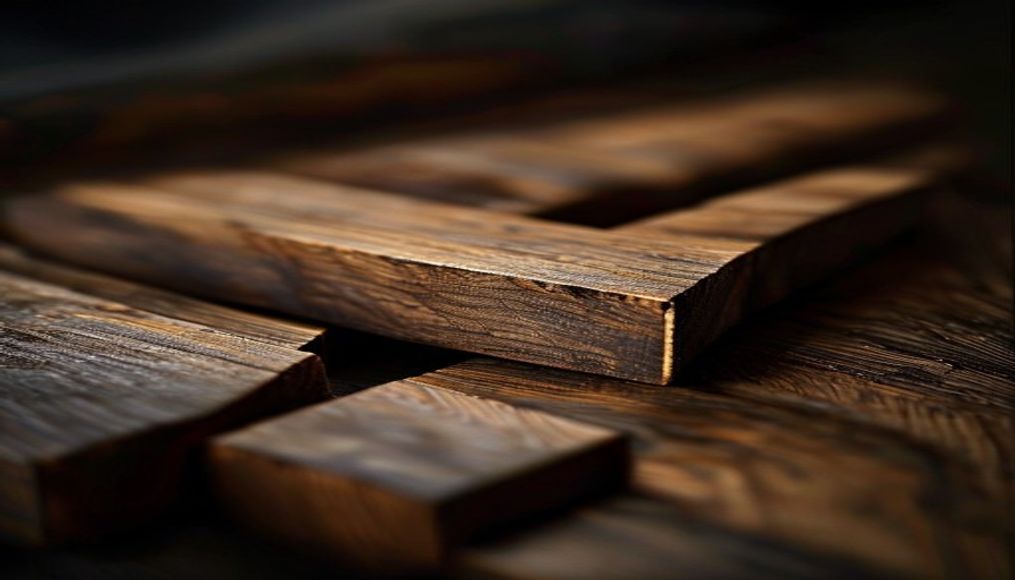
Sawdust wood shavings
1344×768 · AVIF · CC BY 4.0
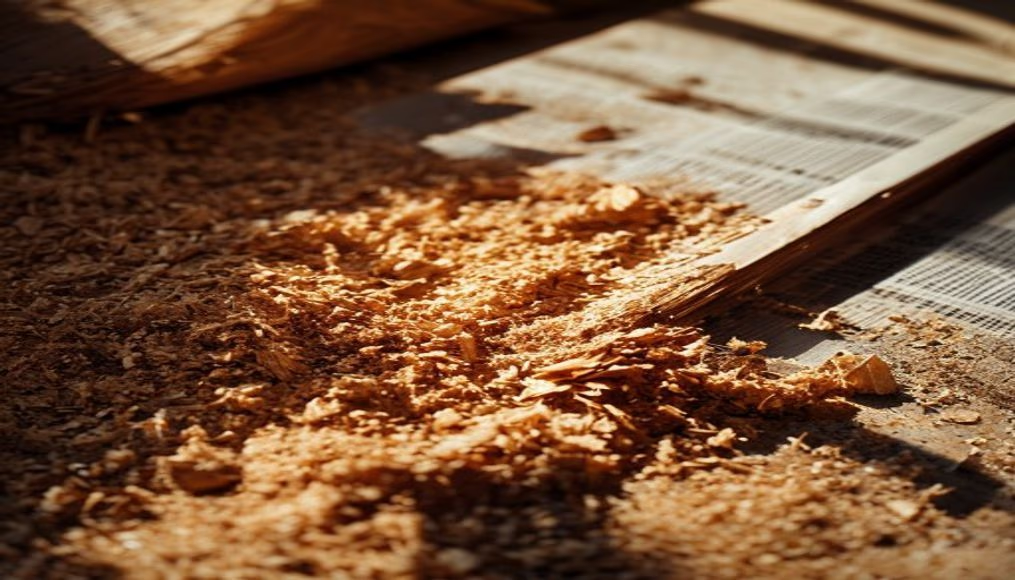
Sawdust and wood shavings are common byproducts of woodworking, used across various industrial sectors.
About this subject
Sawdust and wood shavings are residues generated during mechanical wood processing, such as sawing, sanding, and planing. Their particle size ranges from fine powder to larger chips, depending on the tool and type of wood used. In the furniture and construction industries, these residues represent a significant volume that, if not managed, can cause environmental impacts and health risks.
Recycling sawdust is a well-established practice. It serves as raw material for particleboard, briquettes, and pellets for heating, as well as substrate for mushroom cultivation. In livestock farming, it is used as animal bedding due to its high moisture absorption capacity. Historically, sawdust was employed to clean oil spills and viscous liquids, and as thermal insulation in buildings.
Prolonged exposure to fine sawdust, especially from exotic woods, can cause respiratory issues and dermatitis, and is classified as carcinogenic in some cases. Therefore, exhaust systems and protective equipment are essential in woodworking workshops. Natural decomposition of sawdust releases nutrients into the soil, but accumulation can acidify the ground and inhibit plant growth.
Globally, the wood industry generates millions of tons of sawdust annually. Countries like Brazil, Canada, and Sweden invest in technologies to transform this waste into biofuels and composite materials, promoting a circular economy. Sawdust is also used in pyrolysis processes to produce activated carbon and as a renewable energy source.
Frequently Asked Questions
What are the main uses of sawdust?
Sawdust is used to make particleboard, briquettes, pellets, mushroom substrate, animal bedding, thermal insulation, and liquid absorbents.
Does sawdust pose health risks?
Yes, prolonged inhalation of fine sawdust, especially from hardwood, can cause respiratory diseases, dermatitis, and cancer. Protective equipment is recommended.
How can sawdust be disposed of sustainably?
It can be recycled as raw material for other products, composted (in small quantities), or burned as biofuel. Controlled incineration generates energy.
Direct URL
https://pub-c7d6a6ea828543ac903a74a341ccb2e1.r2.dev/imagens/sawdust-wood-shavings-magazine-editorial-p2.avifHow to credit
Include a visible link back to UtilizAí. Copy one of the snippets below:
<a href="https://xn--utiliza-eza.com/en/midia/imagens/sawdust-wood-shavings-magazine-editorial-p2">Sawdust wood shavings</a> by <a href="https://xn--utiliza-eza.com">UtilizAí</a>, licensed under <a href="https://creativecommons.org/licenses/by/4.0/">CC BY 4.0</a>.
[Sawdust wood shavings](https://xn--utiliza-eza.com/en/midia/imagens/sawdust-wood-shavings-magazine-editorial-p2) by [UtilizAí](https://xn--utiliza-eza.com), CC BY 4.0
License: CC-BY-4.0