Sanskrit ancient scroll
1344×768 · AVIF · CC BY 4.0
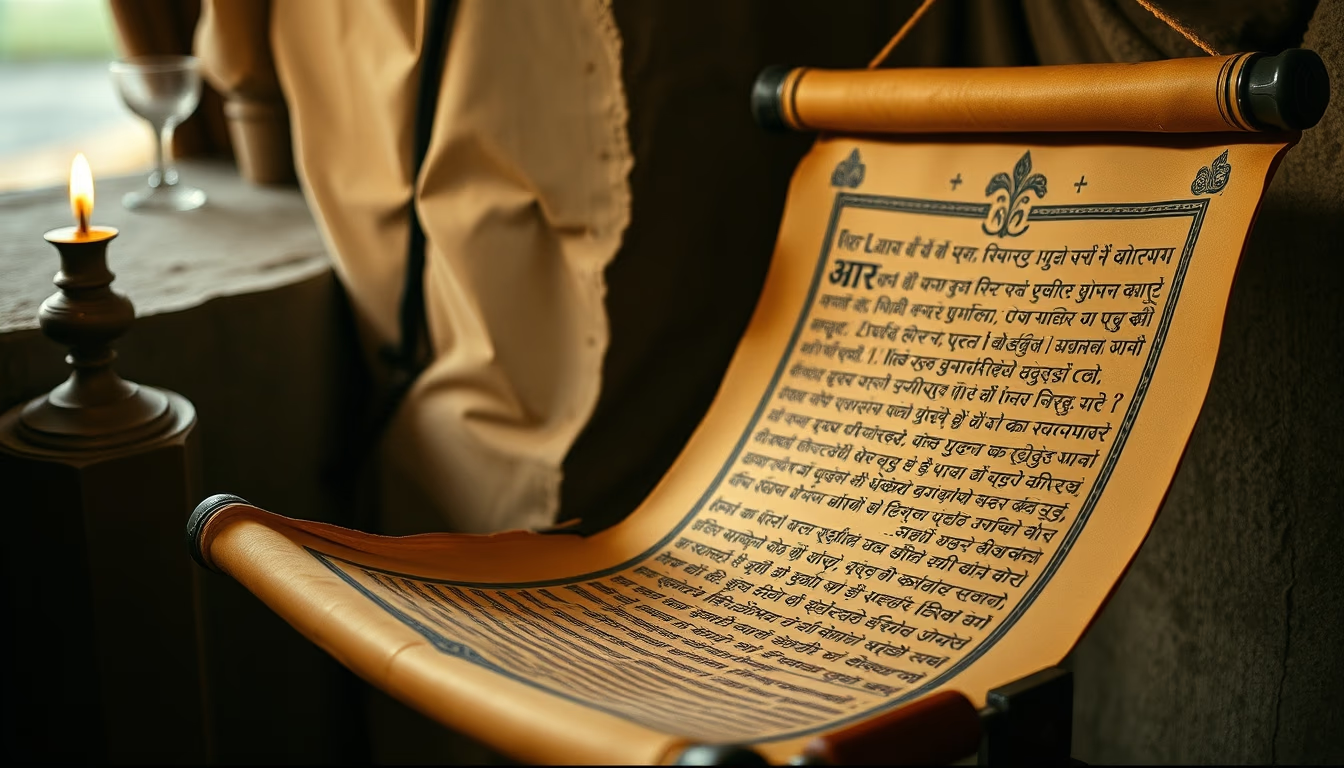
Ancient Sanskrit scrolls preserve centuries of religious, philosophical, and scientific knowledge from India.
About this subject
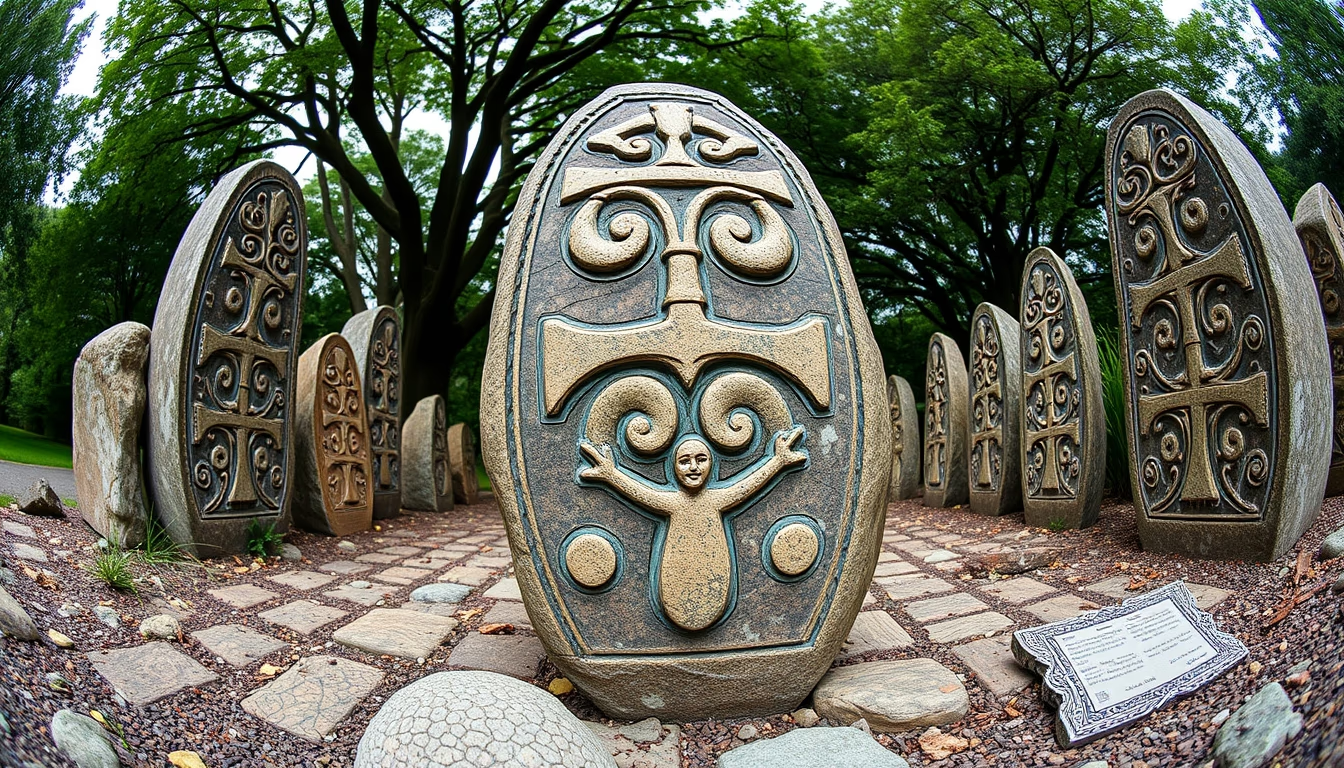
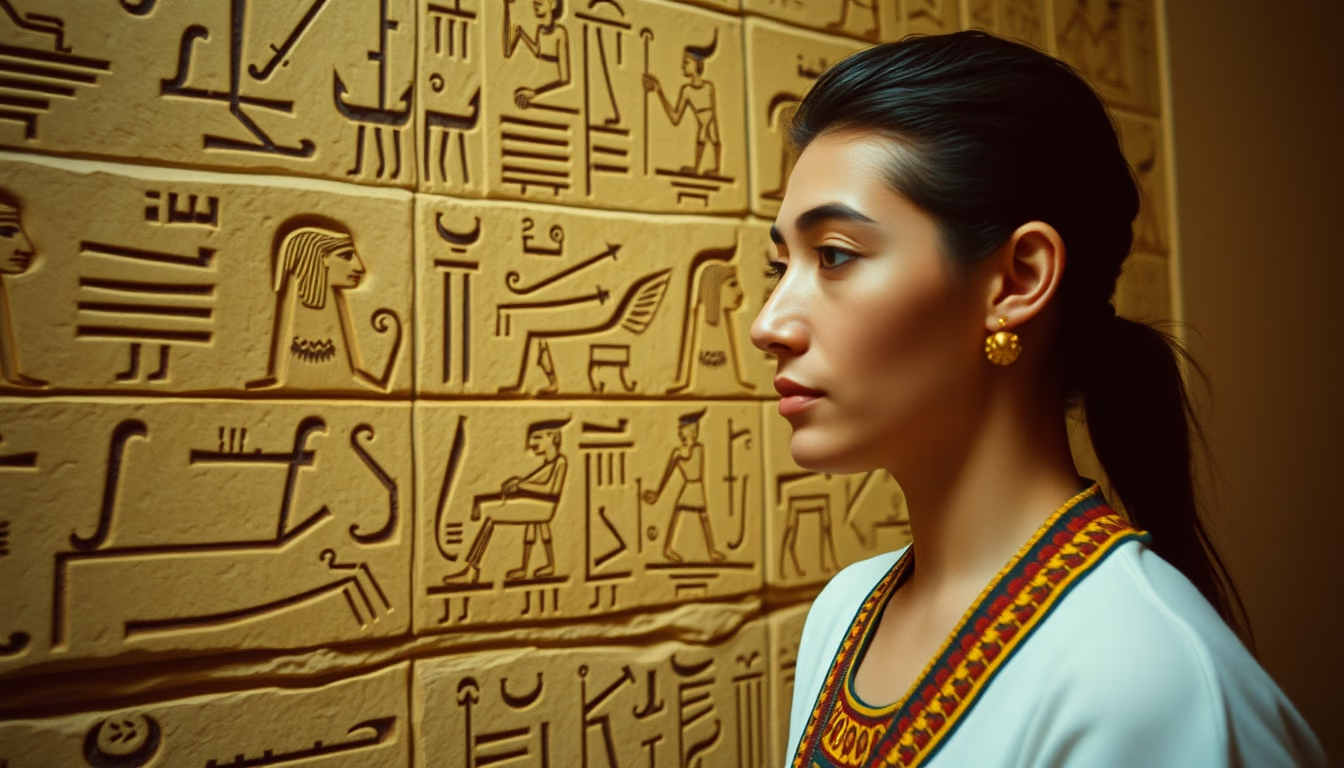
Ancient Sanskrit scrolls are enduring testament to India's classical written tradition. Dating back millennia, these manuscripts contain Vedic texts, epics such as the Mahabharata and Ramayana, grammatical treatises (e.g., Panini's Ashtadhyayi), mathematics, astronomy, and Ayurvedic medicine. Sanskrit, a liturgical and scholarly language, was inscribed in various scripts including Brahmi, Gupta, Sharada, and Devanagari, depending on region and period.
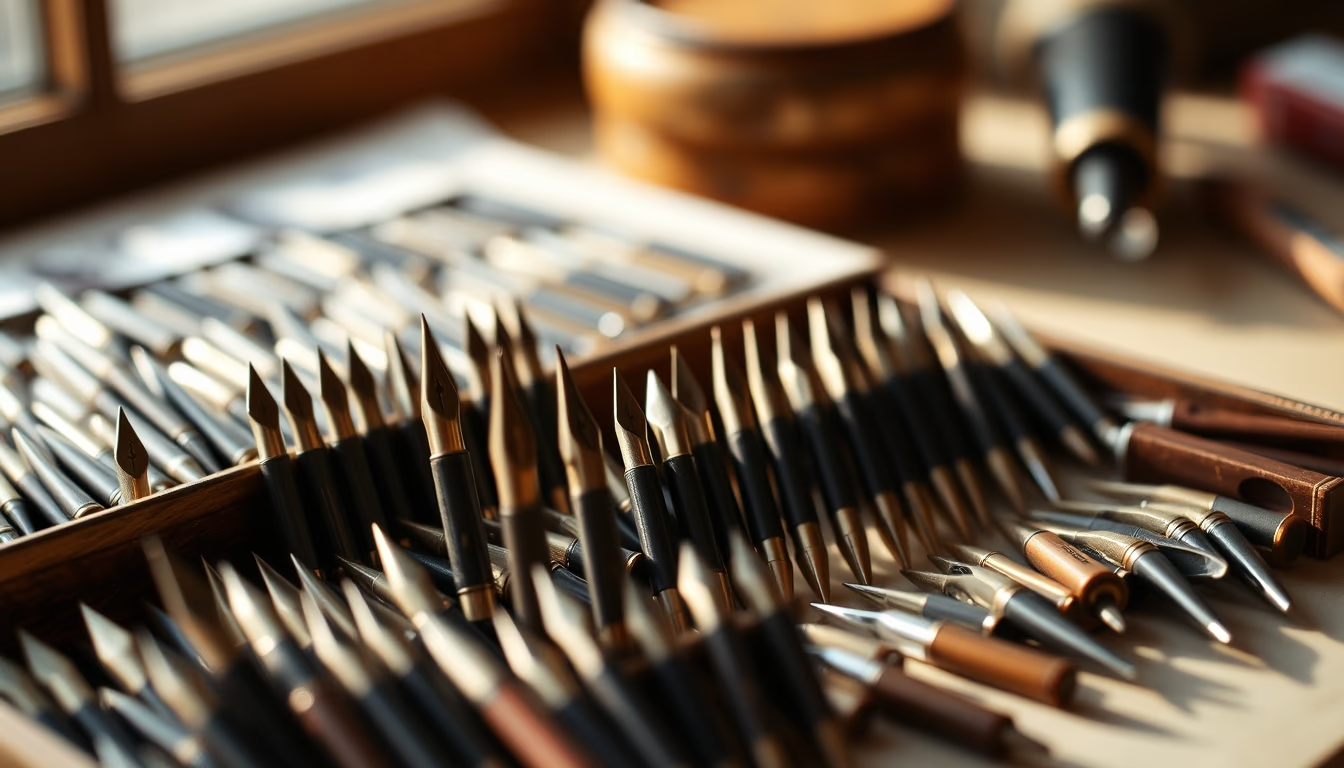
The production of these scrolls was a meticulous process. Folios were made from birch bark (Bhojpatra) or palm leaves, treated to receive ink made from soot or metals. Scribes, often monks or Brahmins, copied texts with extreme care, embellishing with illuminations and marginal decorations. Many scrolls survived due to the dry climate of the Himalayas or deposits in Buddhist monasteries in Central Asia, such as the famous Mogao Caves (Dunhuang), where Sanskrit manuscripts were discovered alongside Tibetan and Chinese translations.
The cultural importance of Sanskrit scrolls is immense: they form the basis of Hinduism, Buddhism, and Jainism, and profoundly influenced Southeast Asia. Current preservation faces challenges from material fragility and geographic dispersal. Institutions like the Bhandarkar Oriental Library in Pune, India, and Western libraries such as the Bodleian in Oxford are digitizing these documents to make them accessible globally, while UNESCO's "Sanskrit Manuscripts" project works to catalog and protect this heritage.
Frequently Asked Questions
What are ancient Sanskrit scrolls?
They are ancient manuscripts written in the Sanskrit language, usually on birch bark or palm leaves, containing religious, philosophical, scientific, and literary texts from classical India.
Where were the oldest Sanskrit manuscripts found?
The oldest date back to the 1st century BCE, discovered in regions like Central Asia (Dunhuang) and the Indian subcontinent, especially in Himalayan monasteries and libraries.
How is this heritage being preserved?
Through digitization by libraries and projects like UNESCO's, along with physical conservation efforts in Indian and international institutions.
Direct URL
https://pub-c7d6a6ea828543ac903a74a341ccb2e1.r2.dev/imagens/sanskrit-ancient-scroll-film-grain-authentic-fresh18.avifHow to credit
Include a visible link back to UtilizAí. Copy one of the snippets below:
<a href="https://xn--utiliza-eza.com/en/midia/imagens/sanskrit-ancient-scroll-film-grain-authentic-fresh18">Sanskrit ancient scroll</a> by <a href="https://xn--utiliza-eza.com">UtilizAí</a>, licensed under <a href="https://creativecommons.org/licenses/by/4.0/">CC BY 4.0</a>.
[Sanskrit ancient scroll](https://xn--utiliza-eza.com/en/midia/imagens/sanskrit-ancient-scroll-film-grain-authentic-fresh18) by [UtilizAí](https://xn--utiliza-eza.com), CC BY 4.0
License: CC-BY-4.0