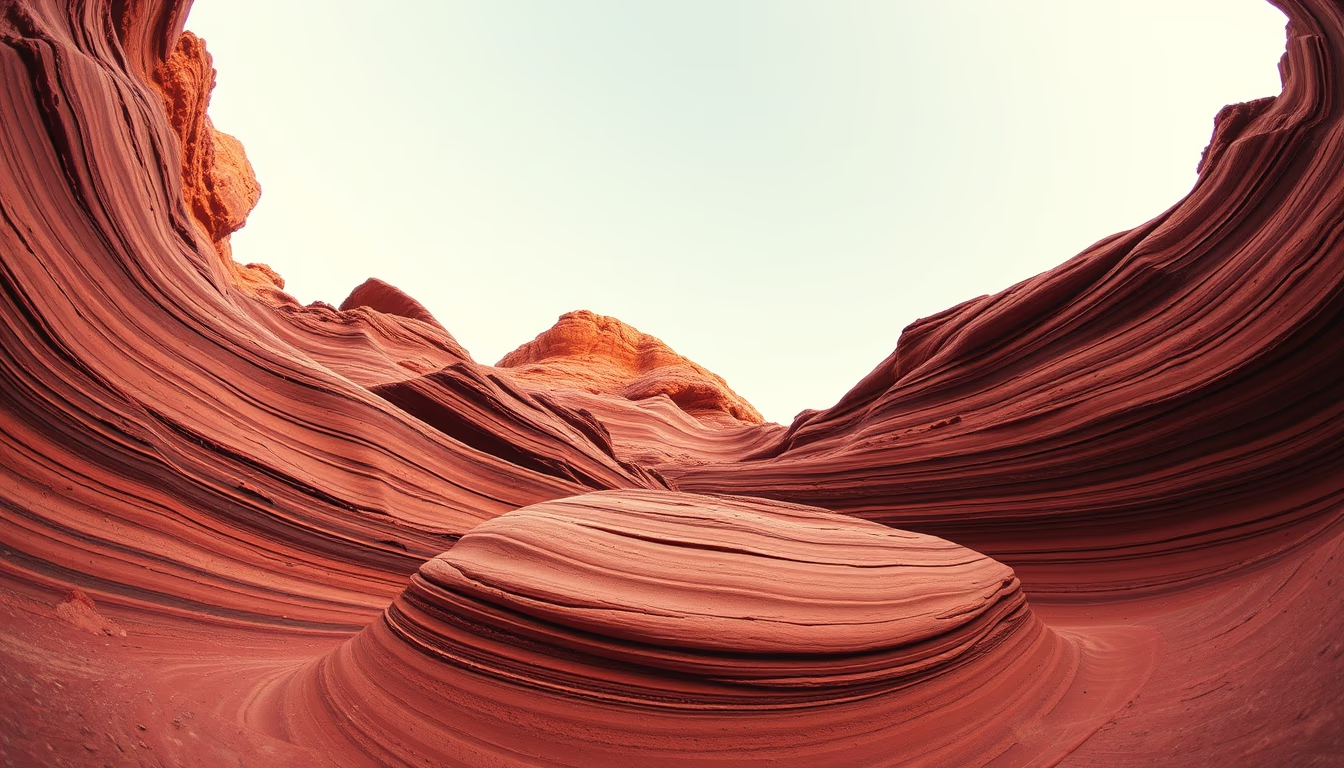
Sandstone red layered
1344×768 · AVIF · CC BY 4.0
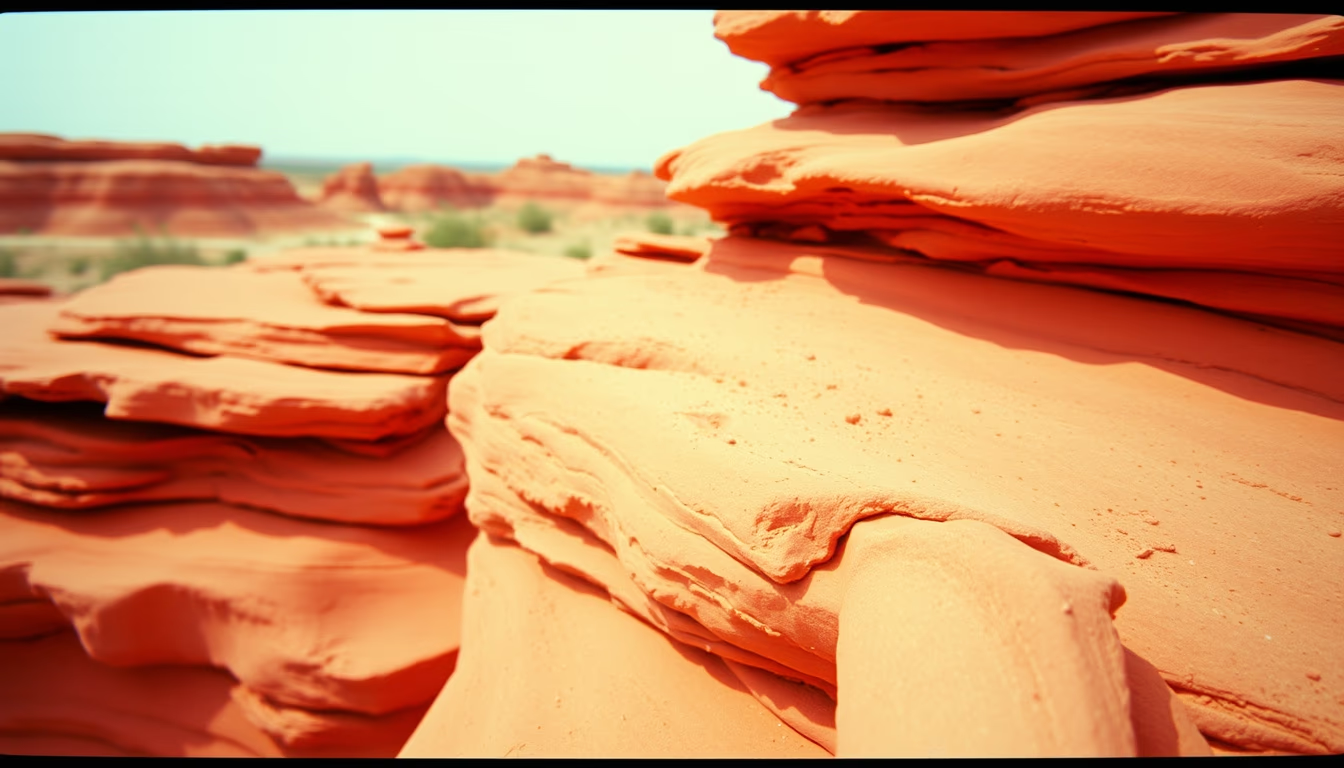
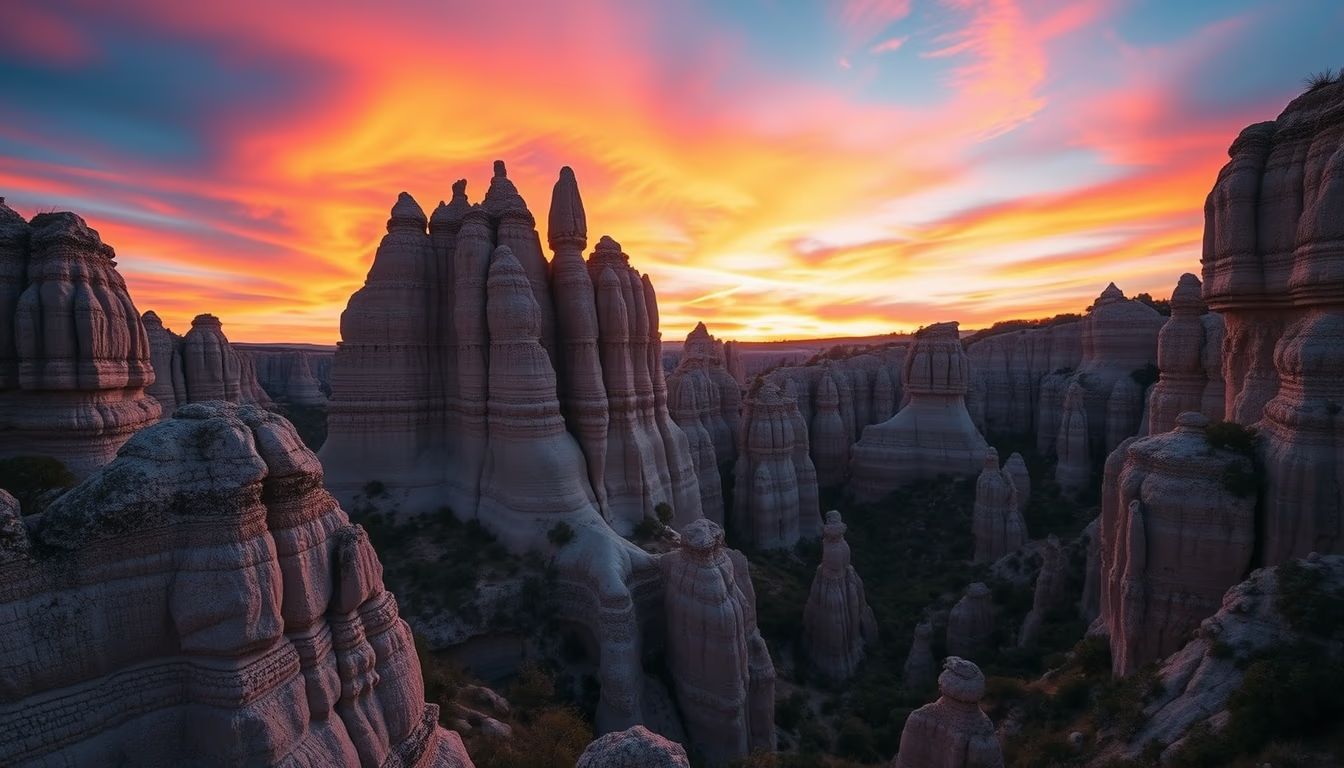
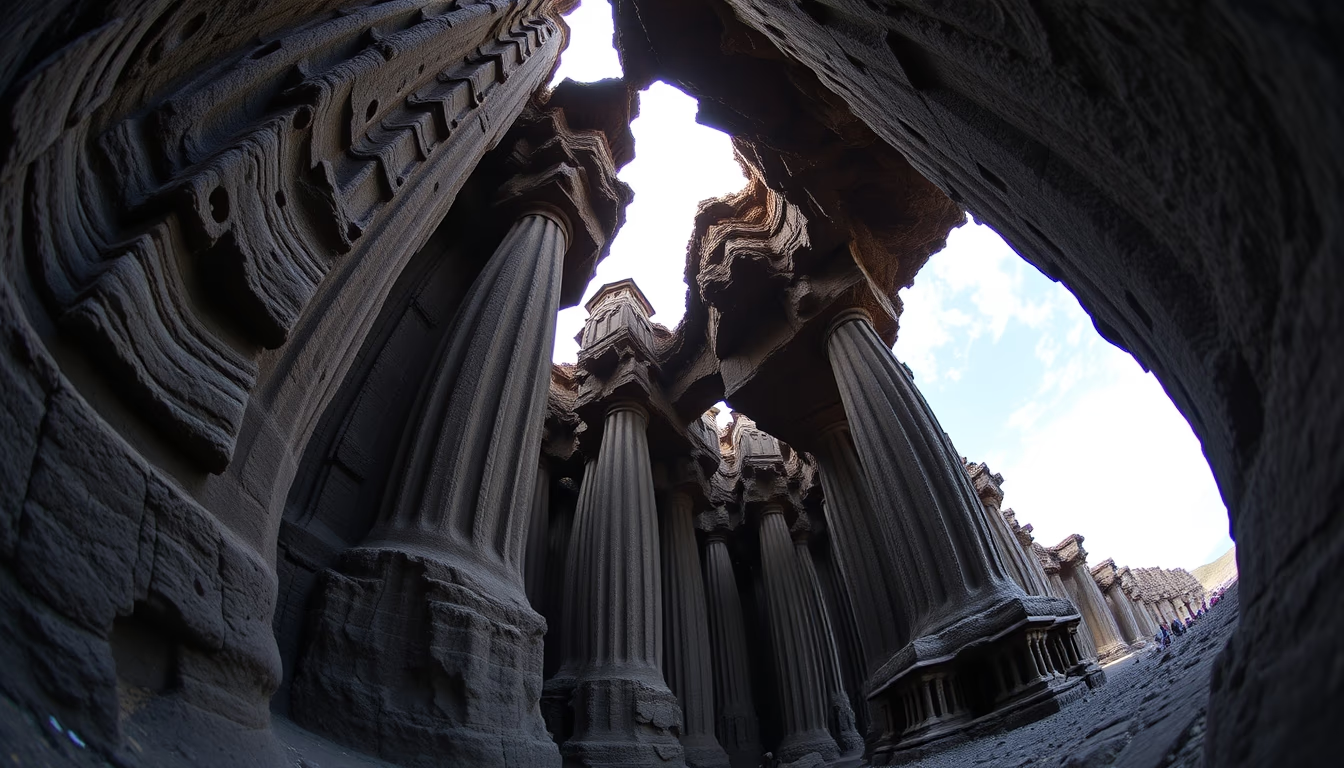
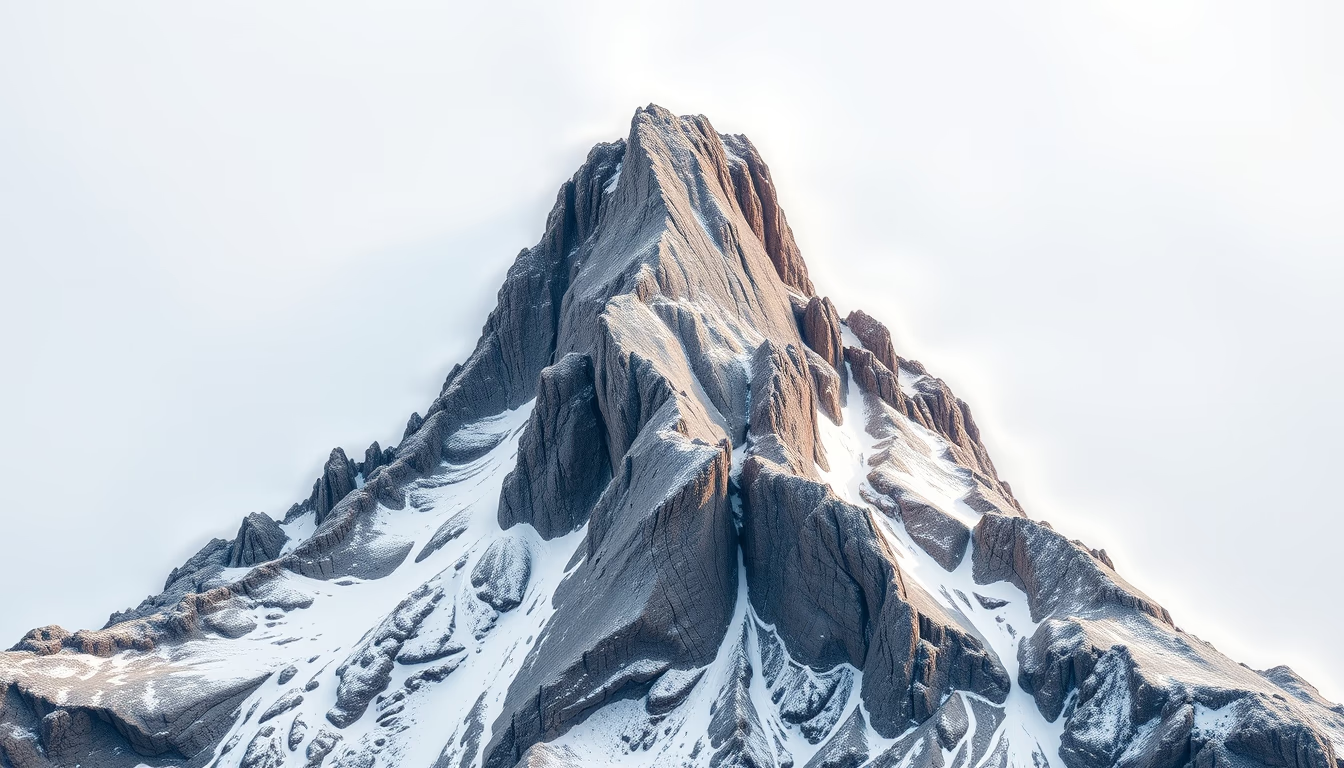
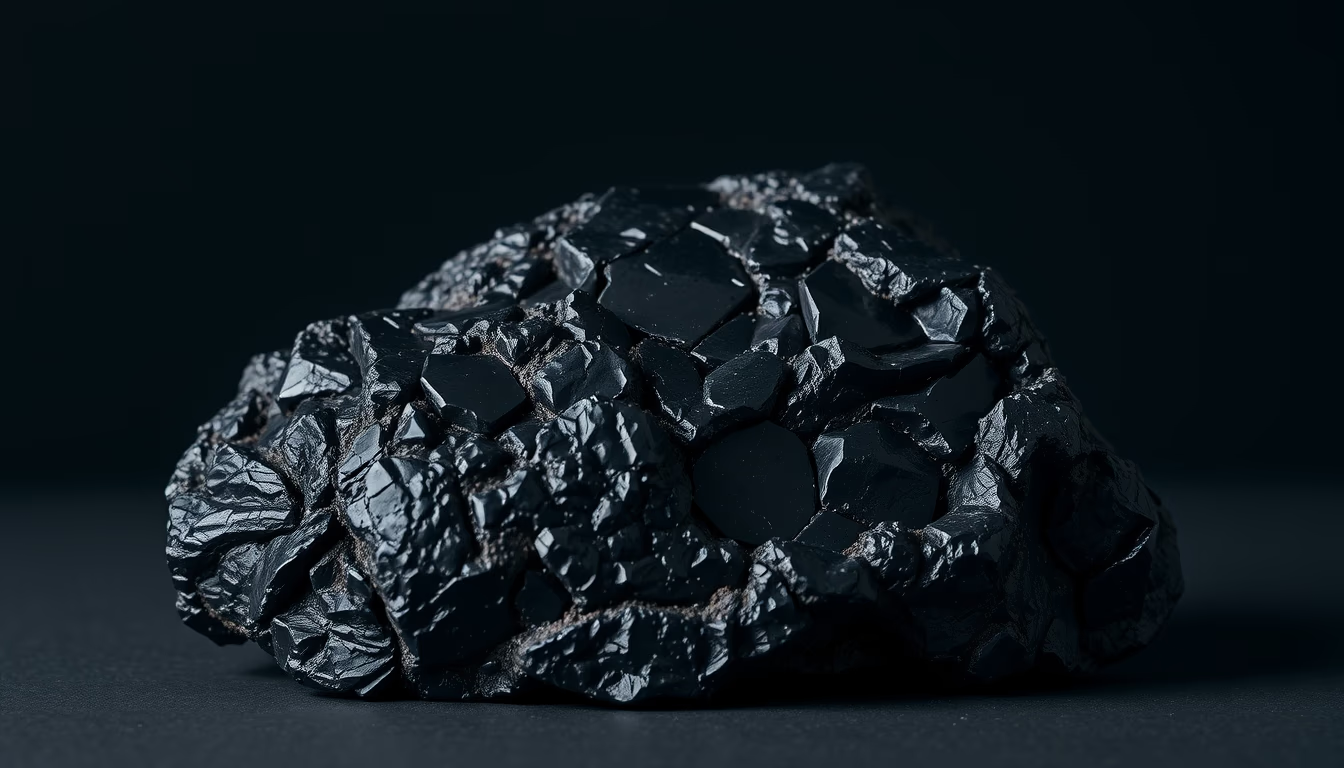
Red layered sandstone reveals millions of years of sedimentary deposition, with hues ranging from rust to carmine.
About this subject
Sandstone is a sedimentary rock formed by the compaction of sand grains, usually quartz, over millions of years. The visible layers represent different depositional periods, influenced by changes in the environment such as sea level fluctuations or shifts in wind and current directions. Structures like cross-bedding are common and record the direction of sediment transport.
The intense red color comes from iron oxides, primarily hematite, which form under oxidizing conditions during diagenesis. The amount and grain size of hematite determine color saturation, ranging from orange to deep red. Lighter layers may indicate lower iron concentration or the presence of other minerals like calcite.
Globally, iconic red sandstone formations include the Grand Canyon National Park (USA), the carved city of Petra (Jordan), and the Vinhedos Valley in southern Brazil. These sites attract millions of tourists and are studied by geologists to understand Earth's climatic and tectonic history. In Brazil, red sandstone outcrops are also found in the Paraná Basin and Chapada Diamantina.
Beyond scientific and touristic value, red sandstone has been used in construction, sculpture, and as an ornamental stone. Its porosity, however, requires treatments to resist erosion. The natural texture and vibrant colors make each block unique, appreciated in sustainable architecture and interior design.
Frequently Asked Questions
What causes the red color in sandstone?
The red color is caused by iron oxides, especially hematite, which form during diagenesis in oxidizing environments. Higher hematite concentration results in more intense coloration.
Where are the largest red sandstone formations found?
Notable examples include the Grand Canyon (USA), Petra (Jordan), Vinhedos Valley (Brazil), and the Simpson Desert (Australia). These formations result from millions of years of deposition and erosion.
How do the layers form?
Layers result from variations in depositional conditions over time, such as changes in water or wind current. Each layer represents a sedimentary event, and the inclination of layers can indicate transport direction.
Direct URL
https://pub-c7d6a6ea828543ac903a74a341ccb2e1.r2.dev/imagens/sandstone-red-layered-lo-fi-disposable-camera-fresh13.avifHow to credit
Include a visible link back to UtilizAí. Copy one of the snippets below:
<a href="https://xn--utiliza-eza.com/en/midia/imagens/sandstone-red-layered-lo-fi-disposable-camera-fresh13">Sandstone red layered</a> by <a href="https://xn--utiliza-eza.com">UtilizAí</a>, licensed under <a href="https://creativecommons.org/licenses/by/4.0/">CC BY 4.0</a>.
[Sandstone red layered](https://xn--utiliza-eza.com/en/midia/imagens/sandstone-red-layered-lo-fi-disposable-camera-fresh13) by [UtilizAí](https://xn--utiliza-eza.com), CC BY 4.0
License: CC-BY-4.0