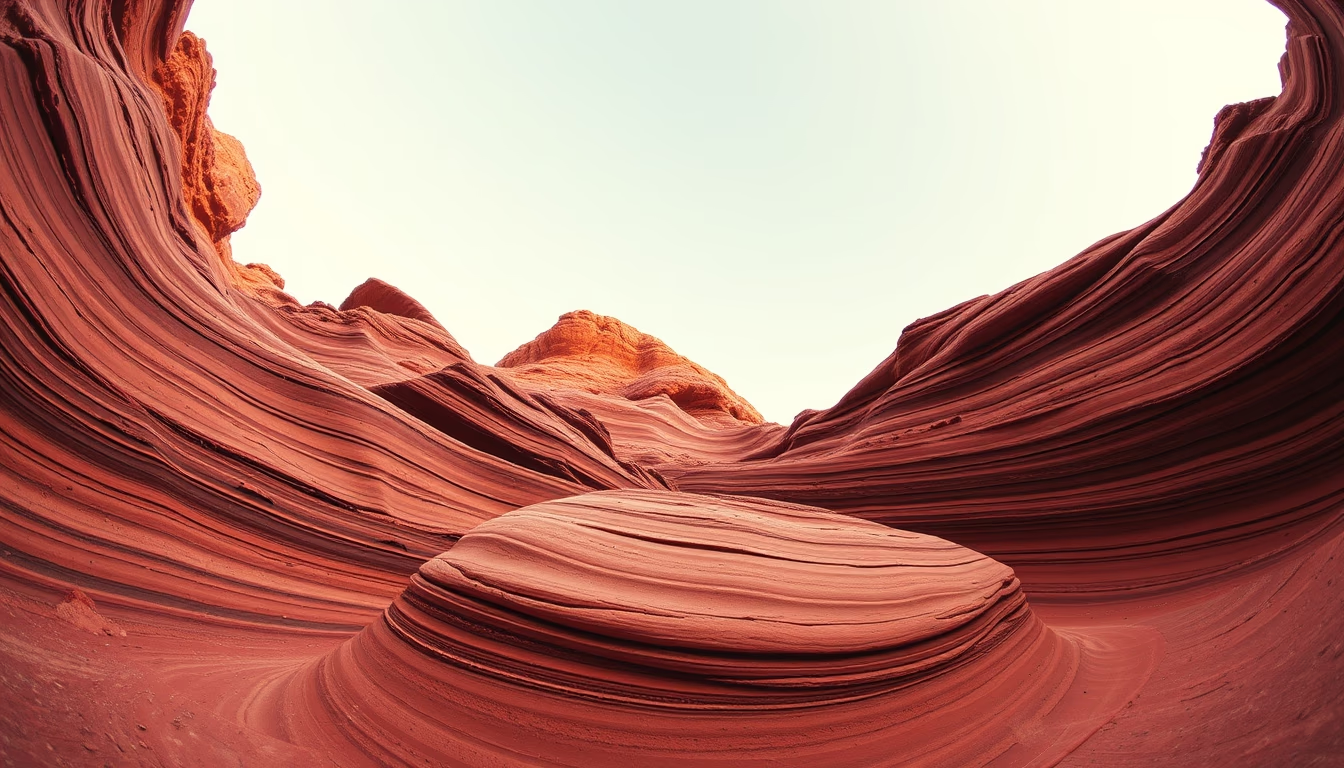
Sandstone red layered
1344×768 · AVIF · CC BY 4.0

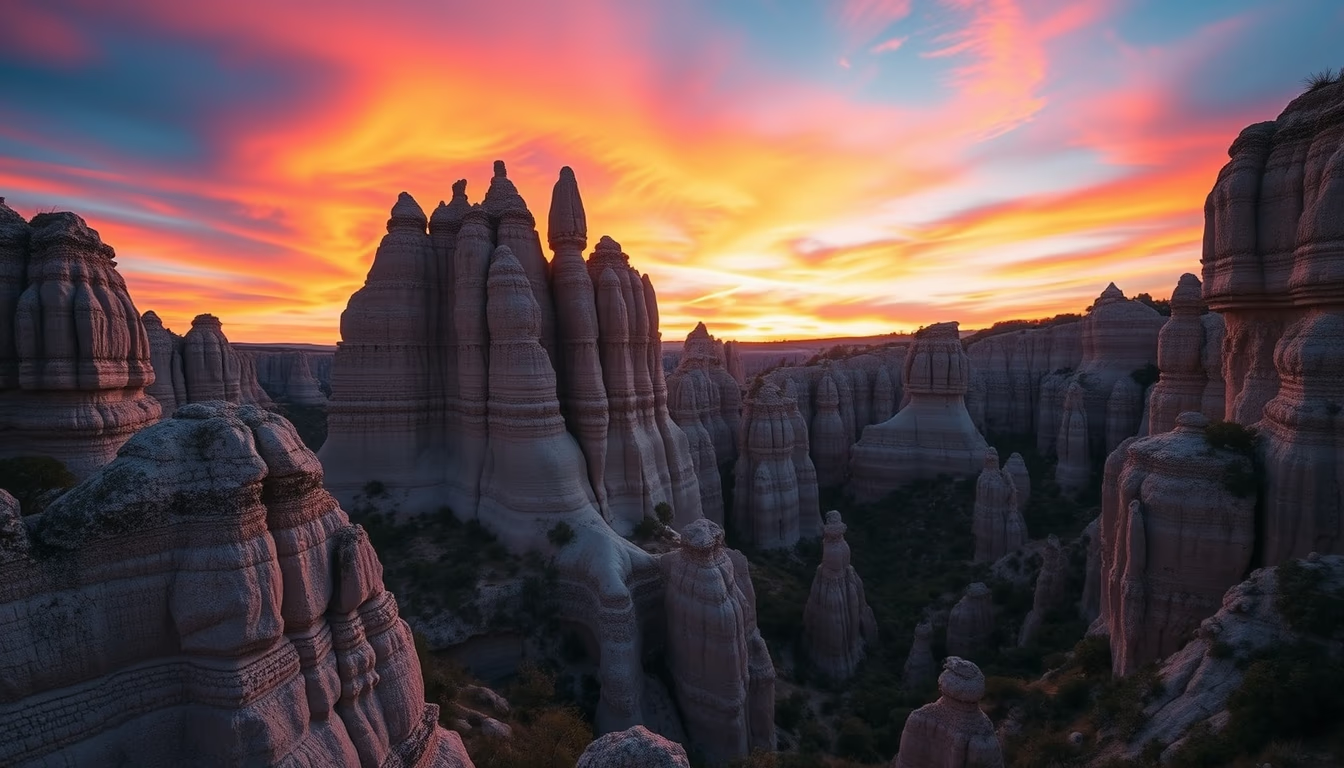
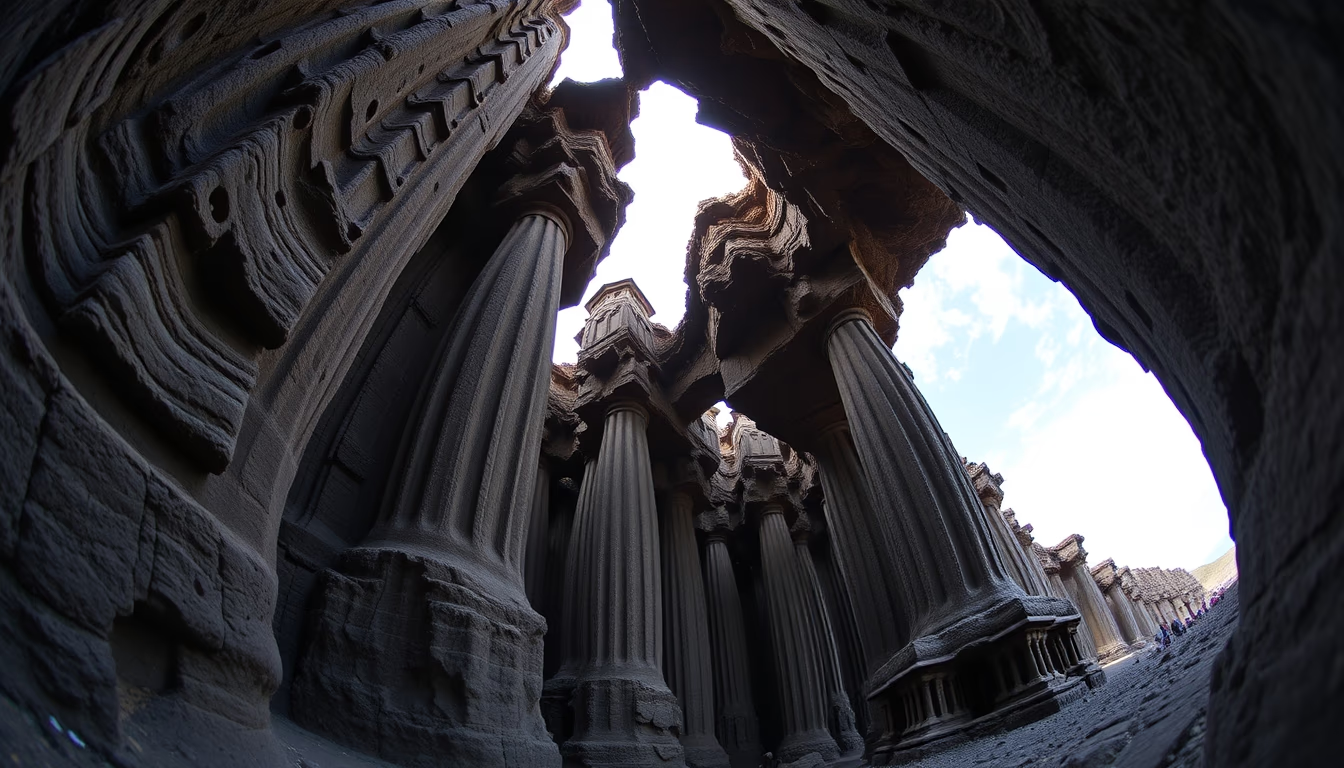
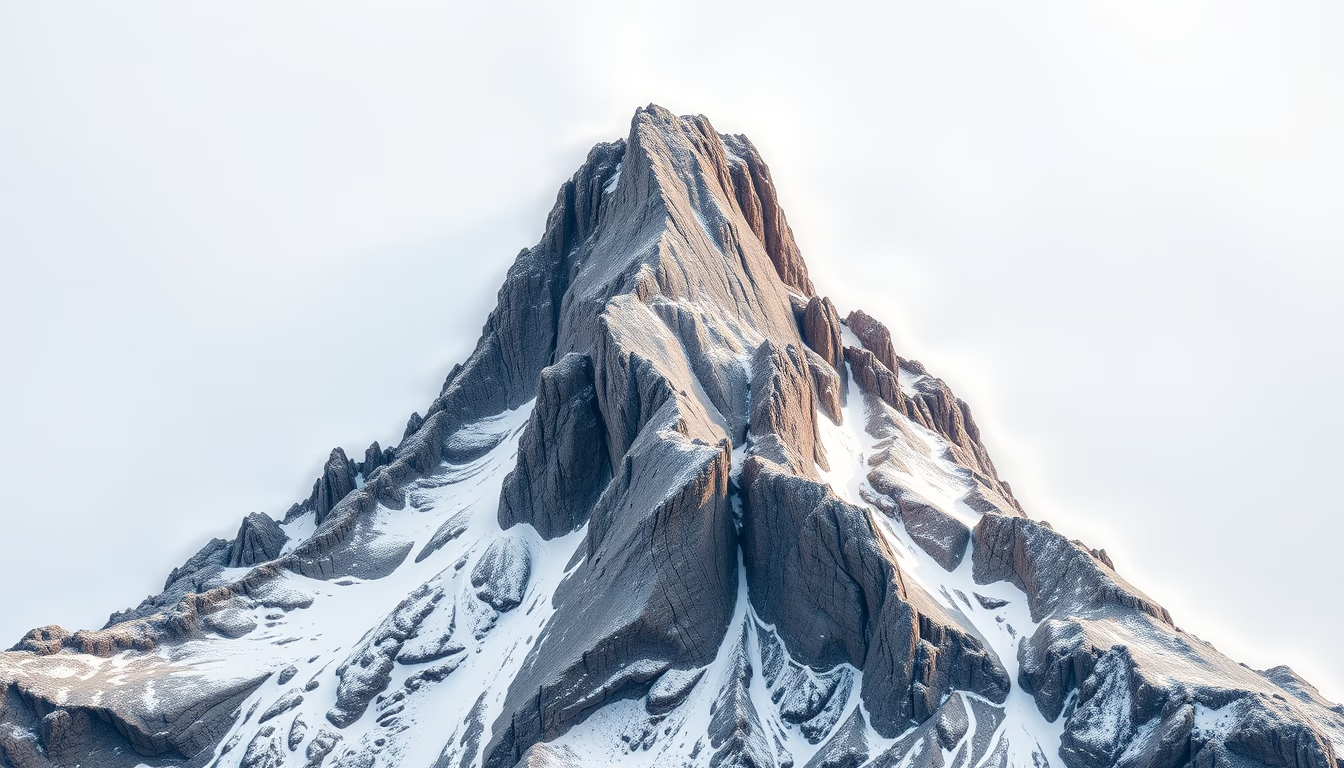
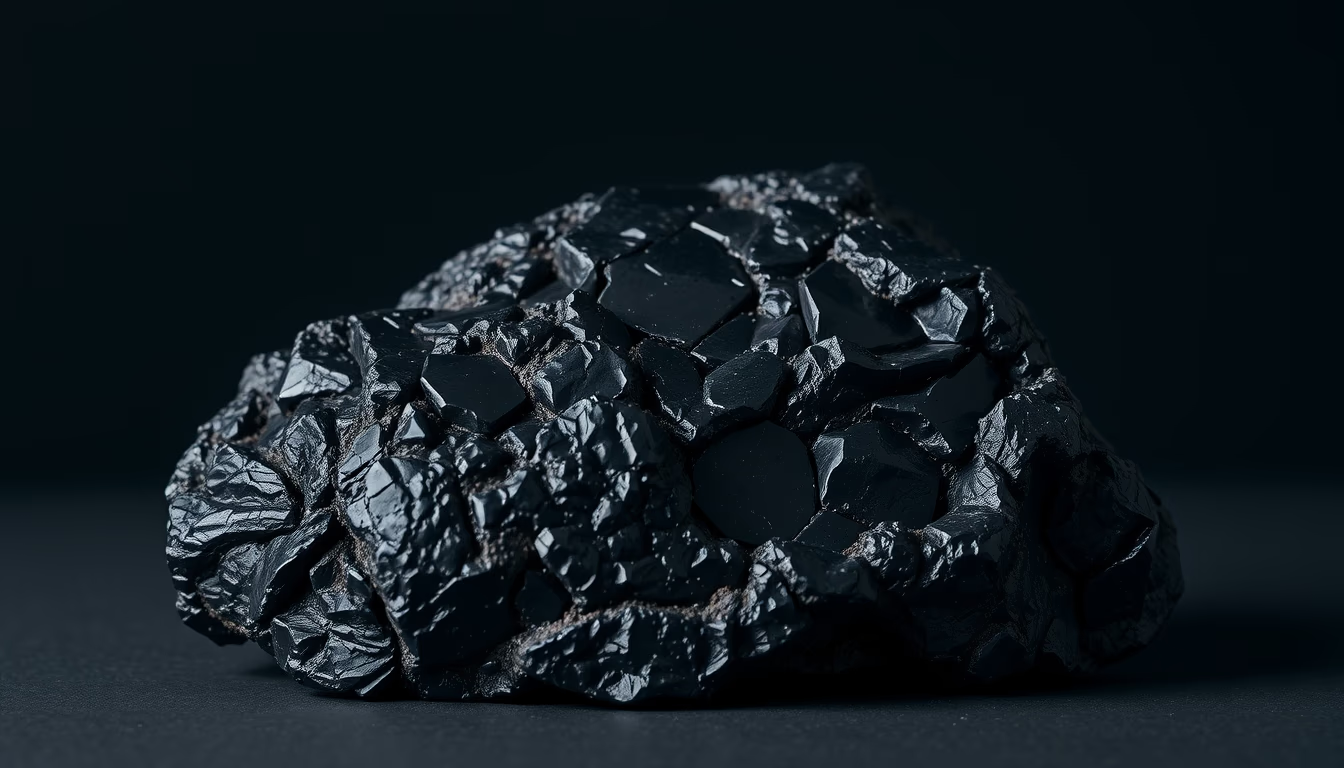
Layers of red sandstone reveal millions of years of sedimentation, creating stunning landscapes in various regions worldwide.
About this subject
Red sandstone is a sedimentary rock primarily composed of sand-sized grains of quartz and feldspar, cemented by silica, calcium carbonate, or iron oxide. Its characteristic red color comes from hematite (iron oxide), which forms in oxidizing environments such as deserts or alluvial plains. The layers or strata result from variations in sediment deposition over geological time, reflecting climate cycles, sea-level changes, or tectonic events.
In Brazil, red sandstone formations occur in the Paraná Basin, especially in the Botucatu and Piramboia formations, dating from the Jurassic-Cretaceous period. These rocks are widely used in construction as facing stone and in artworks like sculptures. A notable example is the Monumento Natural das Árvores Fossilizadas (Fossilized Trees Natural Monument) in Rio Grande do Sul, where red sandstone preserves fossilized logs.
Internationally, red sandstone is famous for structures like Petra in Jordan, carved directly into the rock, and the St. Bees Red Sandstone in England, used in medieval cathedrals. Cross-bedding visible in many layers indicates ancient current directions, aiding geologists in reconstructing paleoenvironments. The preservation of fossils in red sandstones is also common, such as dinosaur footprints found in sites like Dinosaur Valley State Park in Texas.
Frequently Asked Questions
Why does red sandstone have its distinctive color?
The red color is due to hematite, an iron oxide that forms in oxidizing environments. The depth of color varies with the concentration and distribution of the oxide.
Where can red sandstone formations be found in Brazil?
In Brazil, major occurrences are in the Paraná Basin, in the states of Rio Grande do Sul, Santa Catarina, and São Paulo. Examples include the Botucatu Formation and the Piramboia Formation.
What is the geological significance of red sandstone layers?
The layers record ancient sedimentary processes, such as current directions and environmental changes. They can also preserve fossils, like dinosaur footprints, aiding in reconstructing past ecosystems.
Direct URL
https://pub-c7d6a6ea828543ac903a74a341ccb2e1.r2.dev/imagens/sandstone-red-layered-high-fashion-editorial-fresh10.avifHow to credit
Include a visible link back to UtilizAí. Copy one of the snippets below:
<a href="https://xn--utiliza-eza.com/en/midia/imagens/sandstone-red-layered-high-fashion-editorial-fresh10">Sandstone red layered</a> by <a href="https://xn--utiliza-eza.com">UtilizAí</a>, licensed under <a href="https://creativecommons.org/licenses/by/4.0/">CC BY 4.0</a>.
[Sandstone red layered](https://xn--utiliza-eza.com/en/midia/imagens/sandstone-red-layered-high-fashion-editorial-fresh10) by [UtilizAí](https://xn--utiliza-eza.com), CC BY 4.0
License: CC-BY-4.0