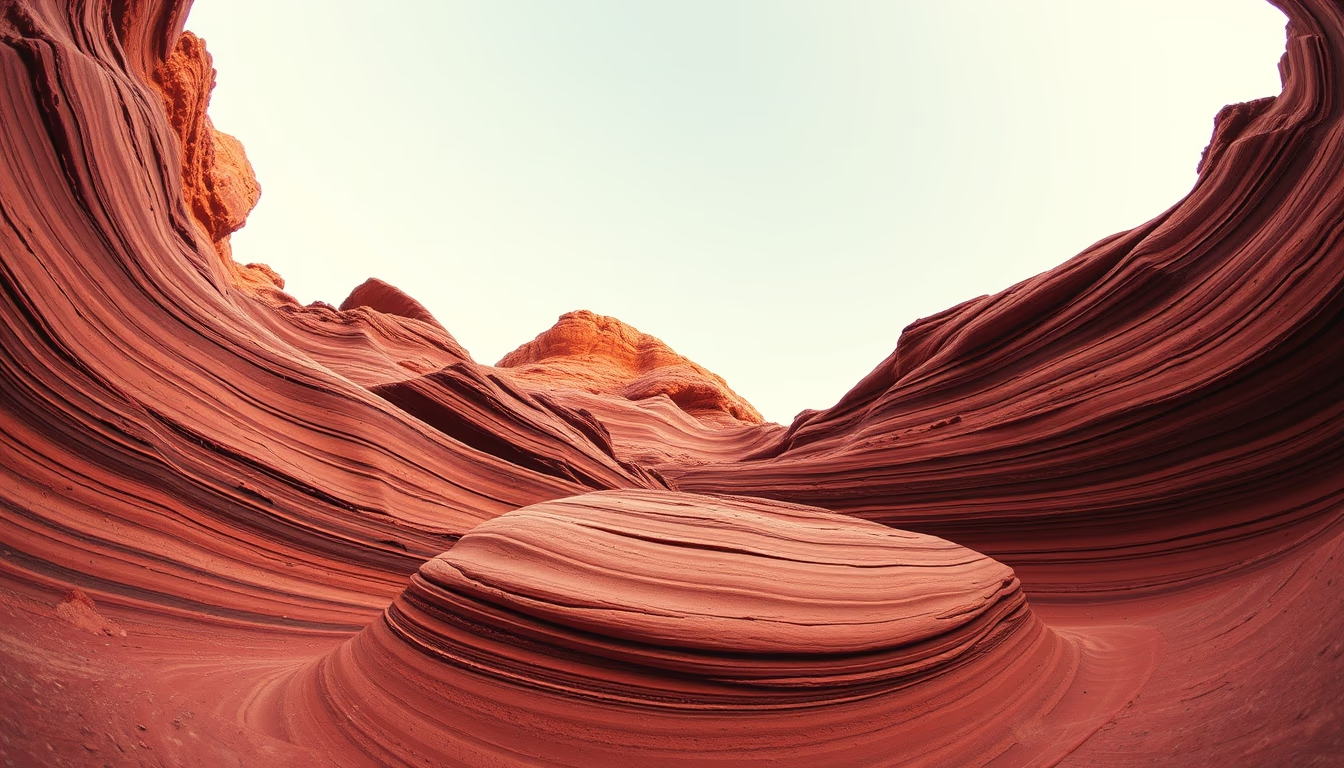
Sandstone red layered
1344×768 · AVIF · CC BY 4.0
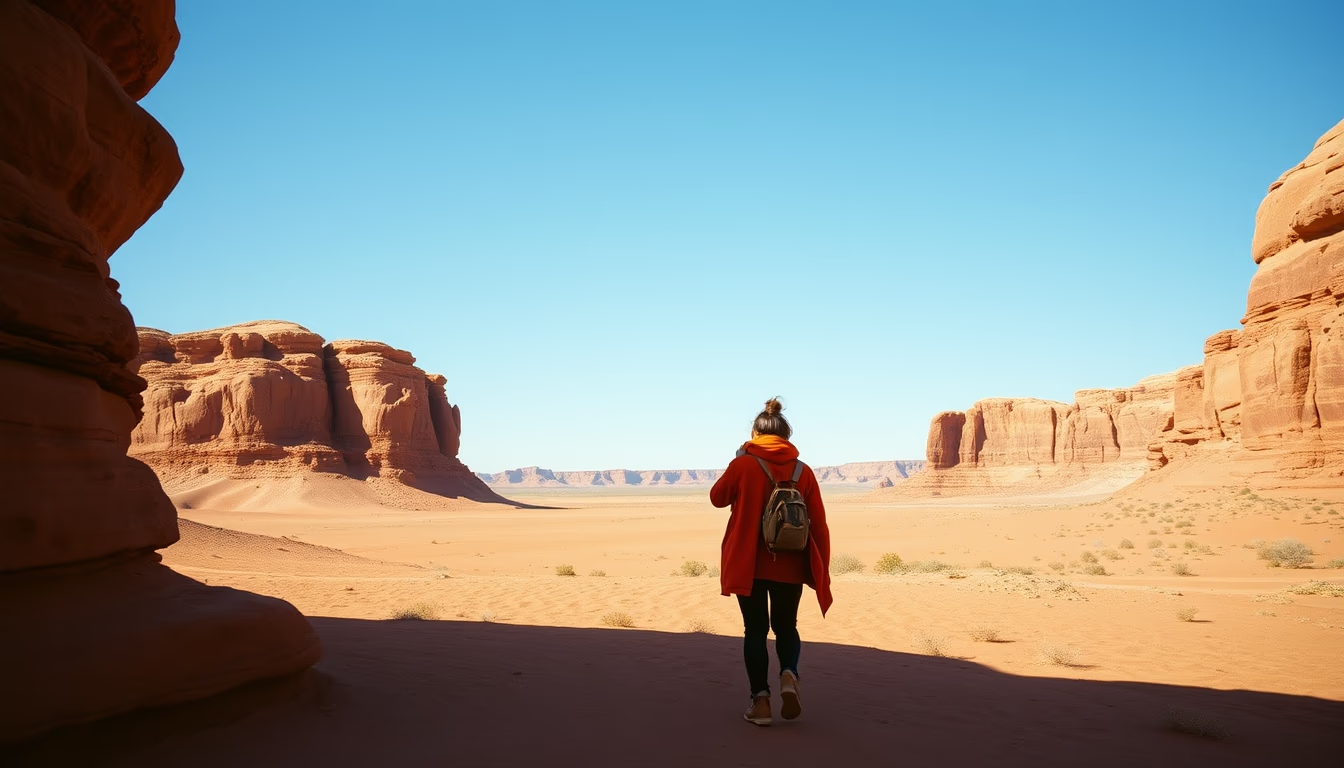
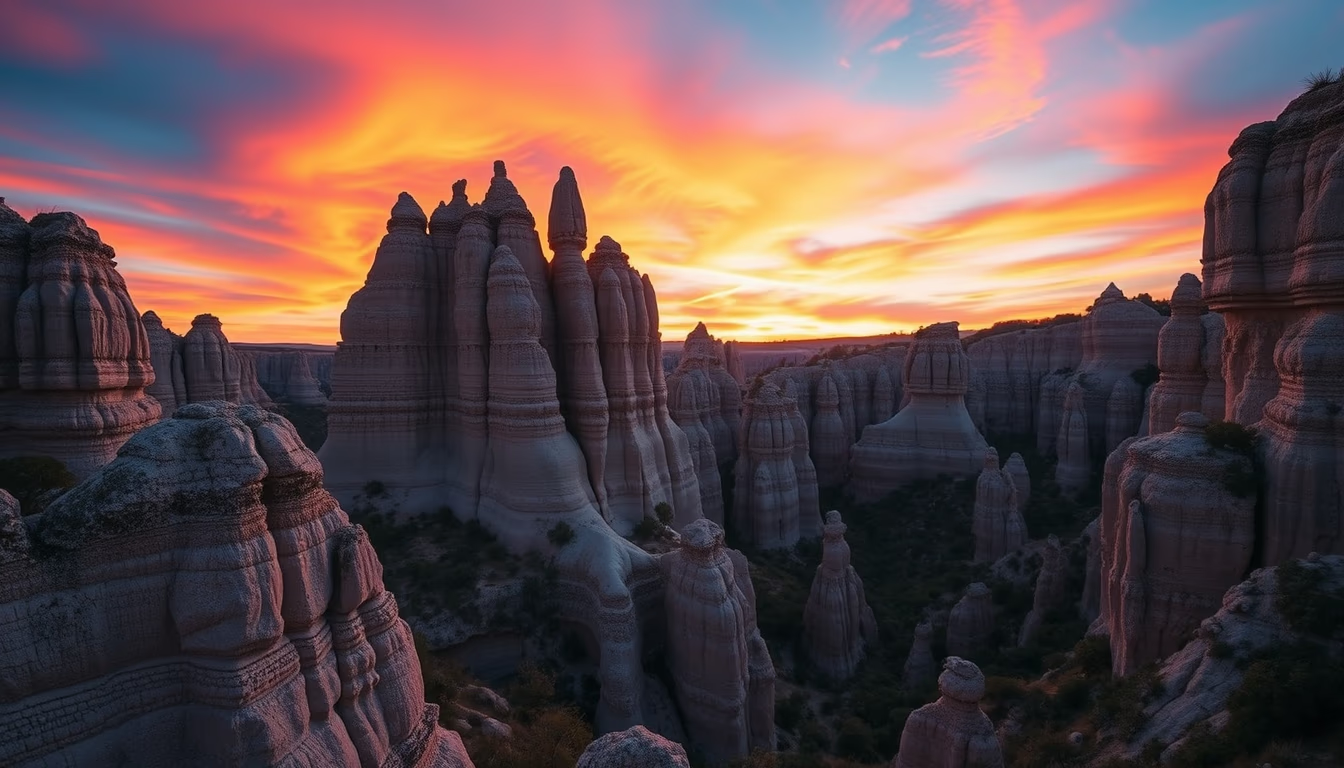
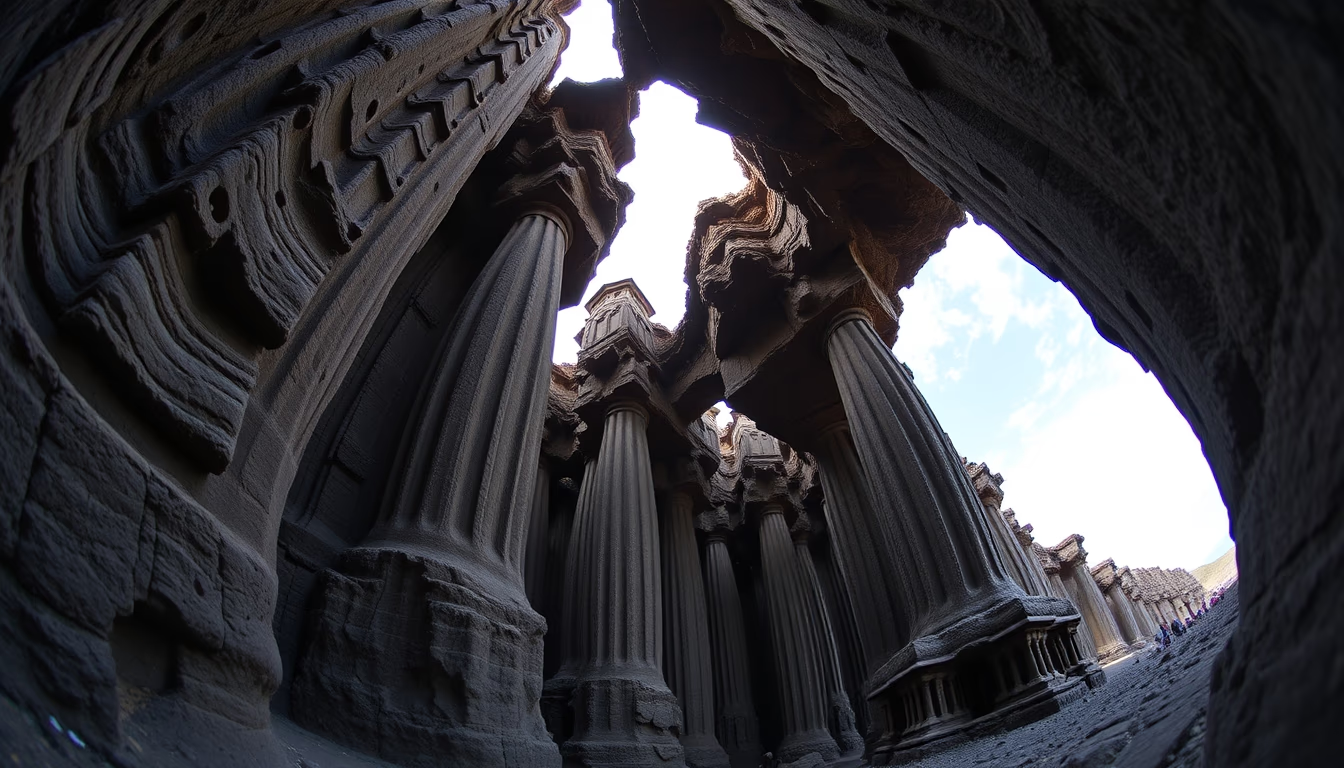
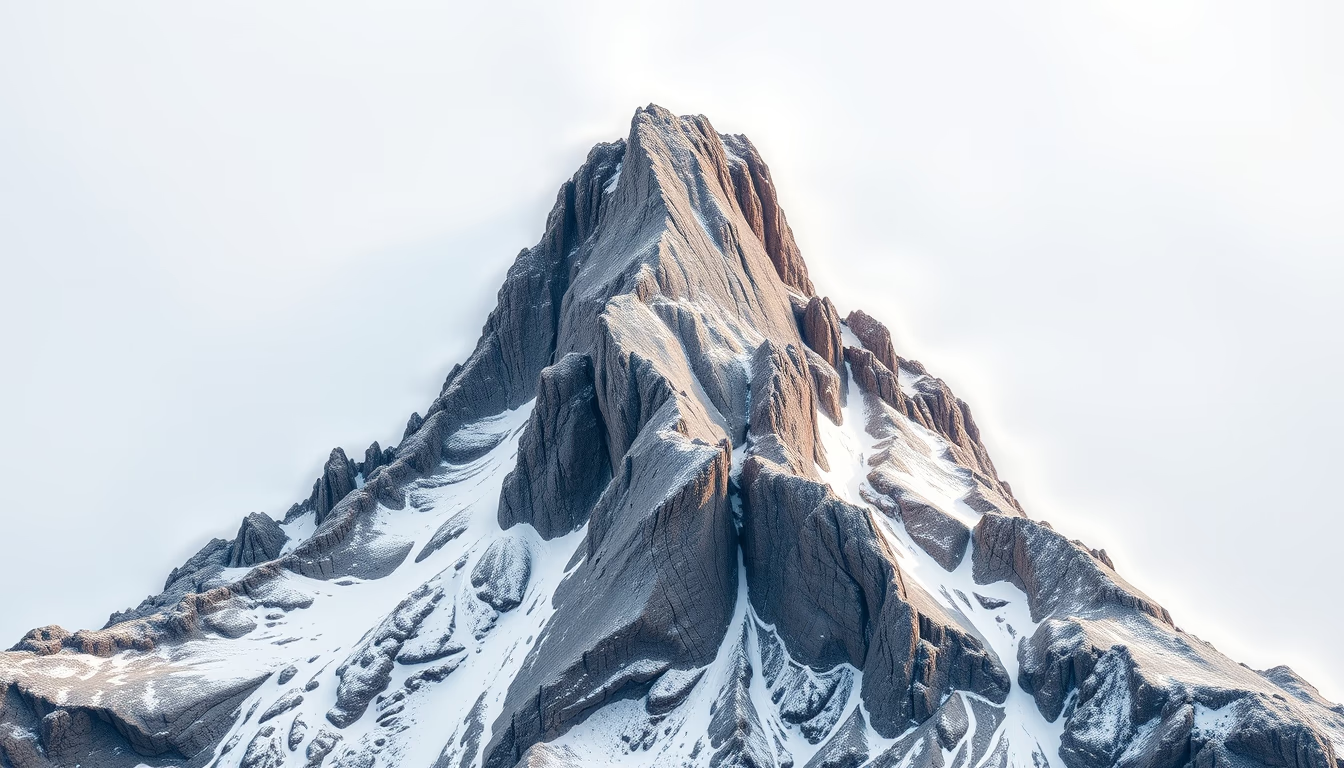
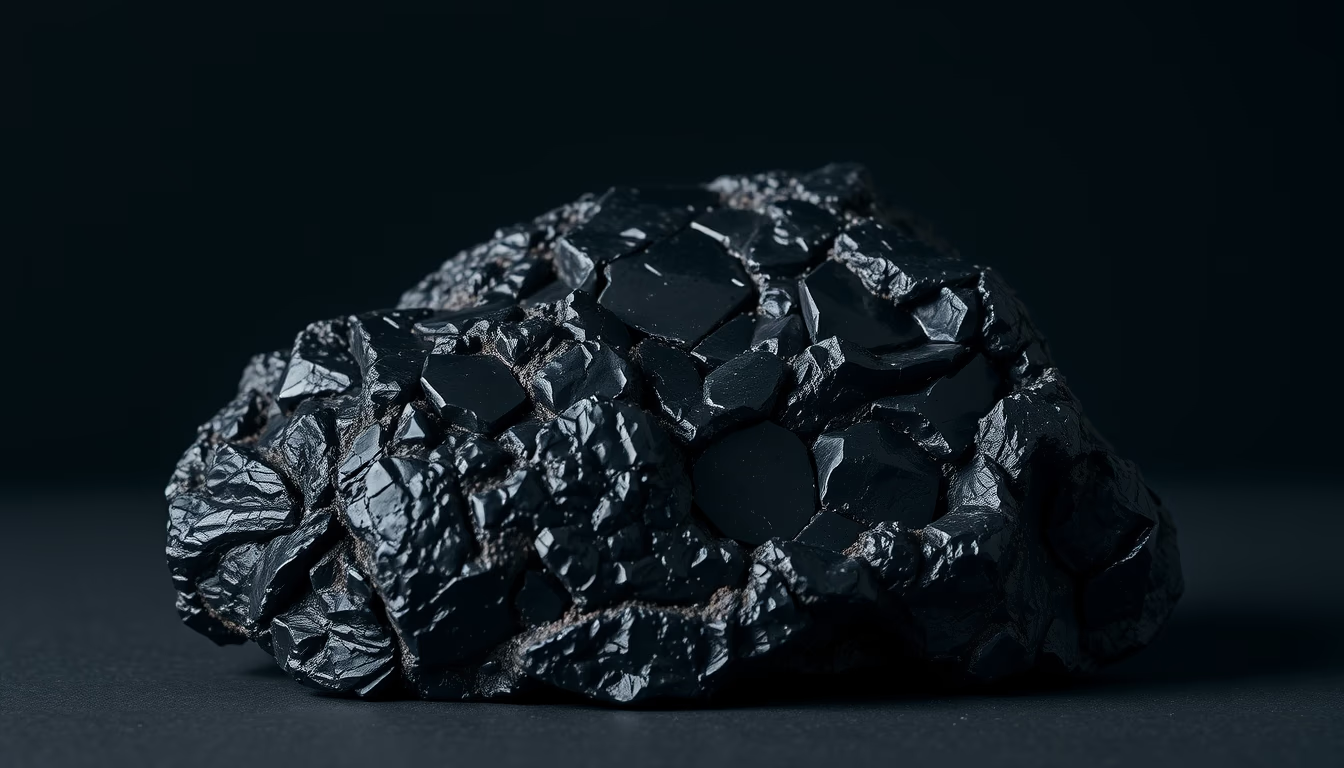
Red layered sandstone: geological formation, iron oxide coloration, and significance as sedimentary record.
About this subject
Sandstone is a sedimentary rock formed by the compaction of sand grains over millions of years. When it appears in red layers, the coloration is due to iron oxide (hematite) cementing the grains, indicating oxidizing environments such as ancient deserts or alluvial plains. Red layered sandstone is found globally, from the Grand Canyon in the United States to the Flinders Ranges in Australia, and in Brazil, notably in the Chapada Diamantina (BA) where folded layers expose millions of years of geological history, and in the canyons of the southern region, like the Aparados da Serra National Park. These rocks often display cross-bedding, ripple marks, or fossils, serving as archives of paleoenvironments.
Red sandstone is widely used in construction, as natural stone for cladding, flooring, and walls, or as raw material for glass and concrete manufacturing. In archaeology, sandstone surfaces were used by prehistoric peoples for rock engravings; notable examples include the Serra da Capivara paintings in Brazil, dating back thousands of years. The durability and aesthetic appeal of these rocks also make them popular in landscaping and decoration.
A curiosity: red sandstone can take on orange or purplish tints depending on the iron content and oxidation state. In places like the Grand Canyon (USA) and the Atacama Desert (Chile), these layers create iconic landscapes, attracting tourists and geologists alike. Studying its layers helps understand past climatic and tectonic events, such as the formation of supercontinents.
Frequently Asked Questions
How do red layers in sandstone form?
Red layers form when sediments are deposited in oxidizing environments; iron in the sand grains reacts with oxygen to form hematite, which acts as a cement and imparts a red color.
Where can red layered sandstone be found in Brazil?
In Brazil, notable outcrops occur in Chapada Diamantina (BA), the southern canyons (Aparados da Serra National Park), and in archaeological sites like Serra da Capivara (PI).
Why is red sandstone geologically important?
It preserves records of past environments, such as deserts or alluvial plains, and contains sedimentary structures (e.g., cross-bedding, fossils) that help reconstruct Earth's climatic and tectonic history.
Direct URL
https://pub-c7d6a6ea828543ac903a74a341ccb2e1.r2.dev/imagens/sandstone-red-layered-film-grain-authentic-fresh12.avifHow to credit
Include a visible link back to UtilizAí. Copy one of the snippets below:
<a href="https://xn--utiliza-eza.com/en/midia/imagens/sandstone-red-layered-film-grain-authentic-fresh12">Sandstone red layered</a> by <a href="https://xn--utiliza-eza.com">UtilizAí</a>, licensed under <a href="https://creativecommons.org/licenses/by/4.0/">CC BY 4.0</a>.
[Sandstone red layered](https://xn--utiliza-eza.com/en/midia/imagens/sandstone-red-layered-film-grain-authentic-fresh12) by [UtilizAí](https://xn--utiliza-eza.com), CC BY 4.0
License: CC-BY-4.0