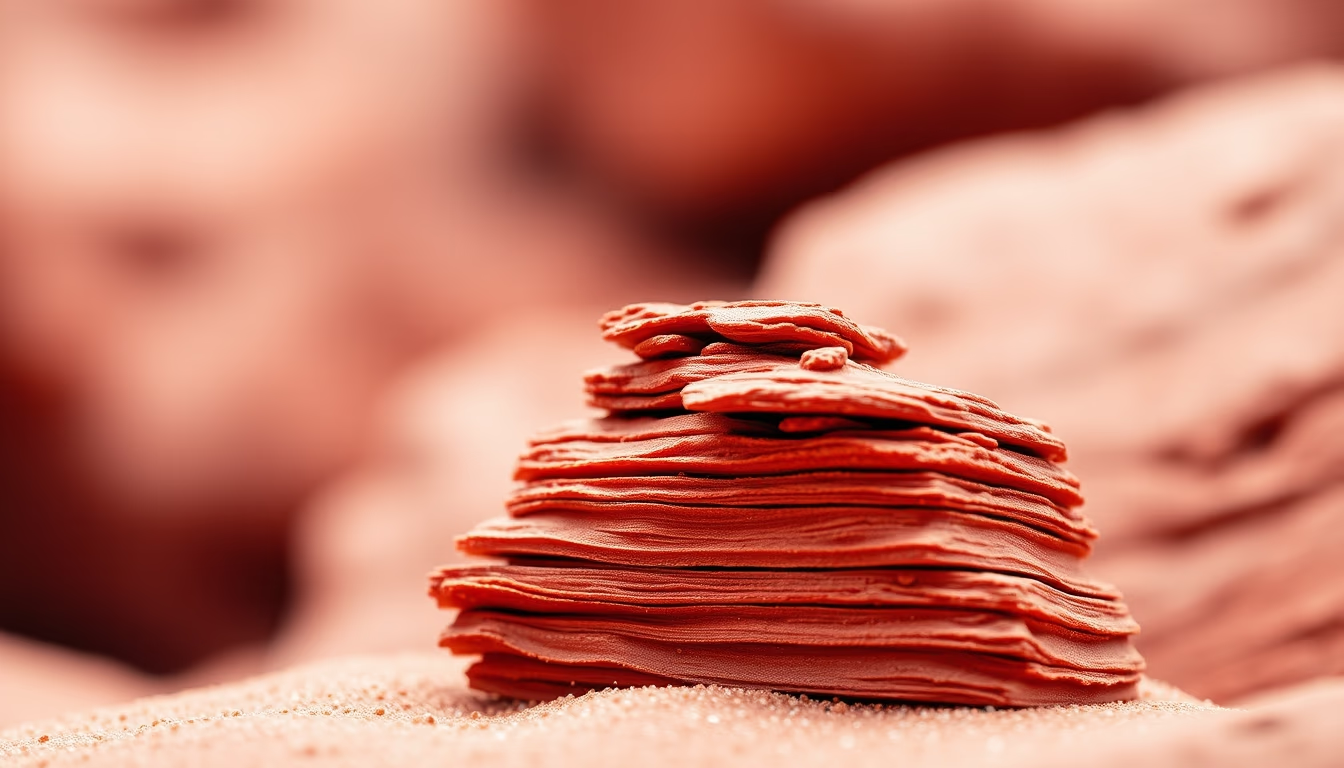
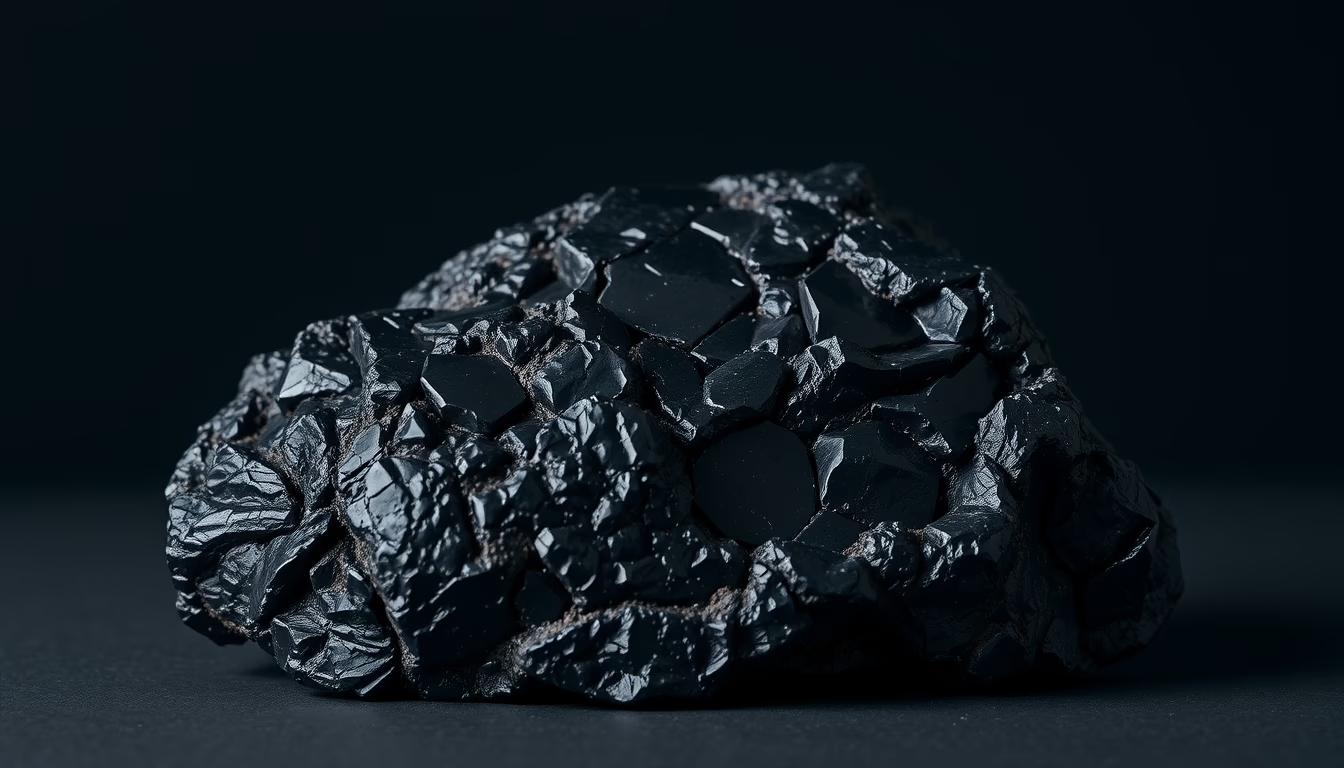
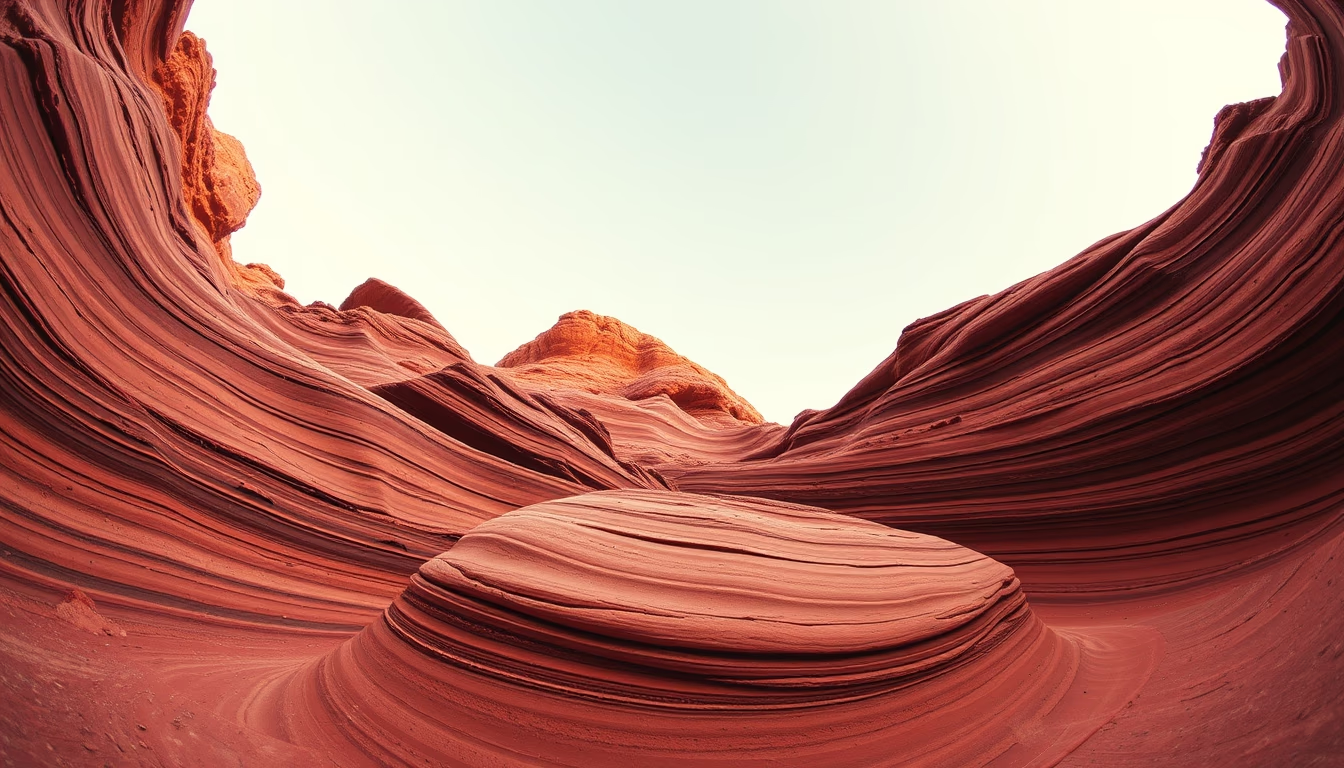
Sandstone red layered
1344×768 · AVIF · CC BY 4.0
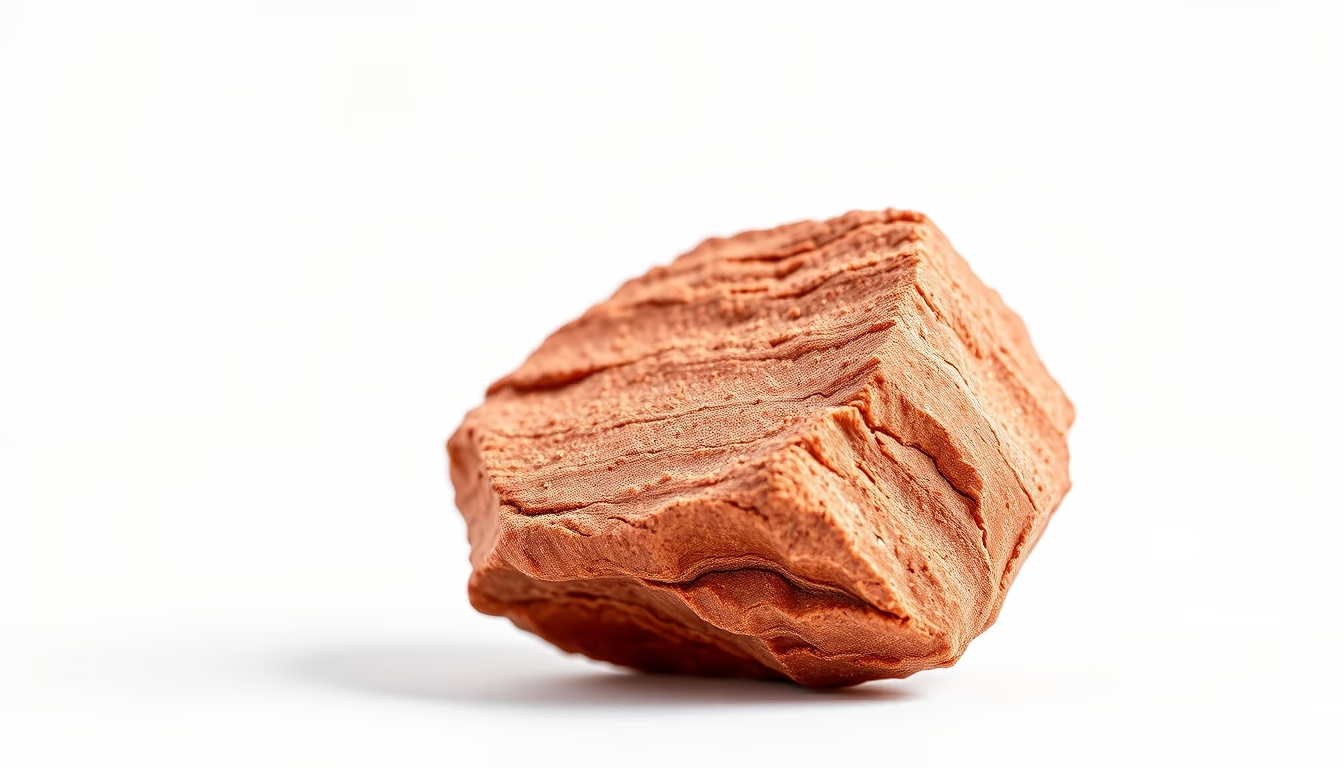
Red layered sandstone is a sedimentary rock composed of cemented sand grains, with a reddish color due to iron oxide.
About this subject
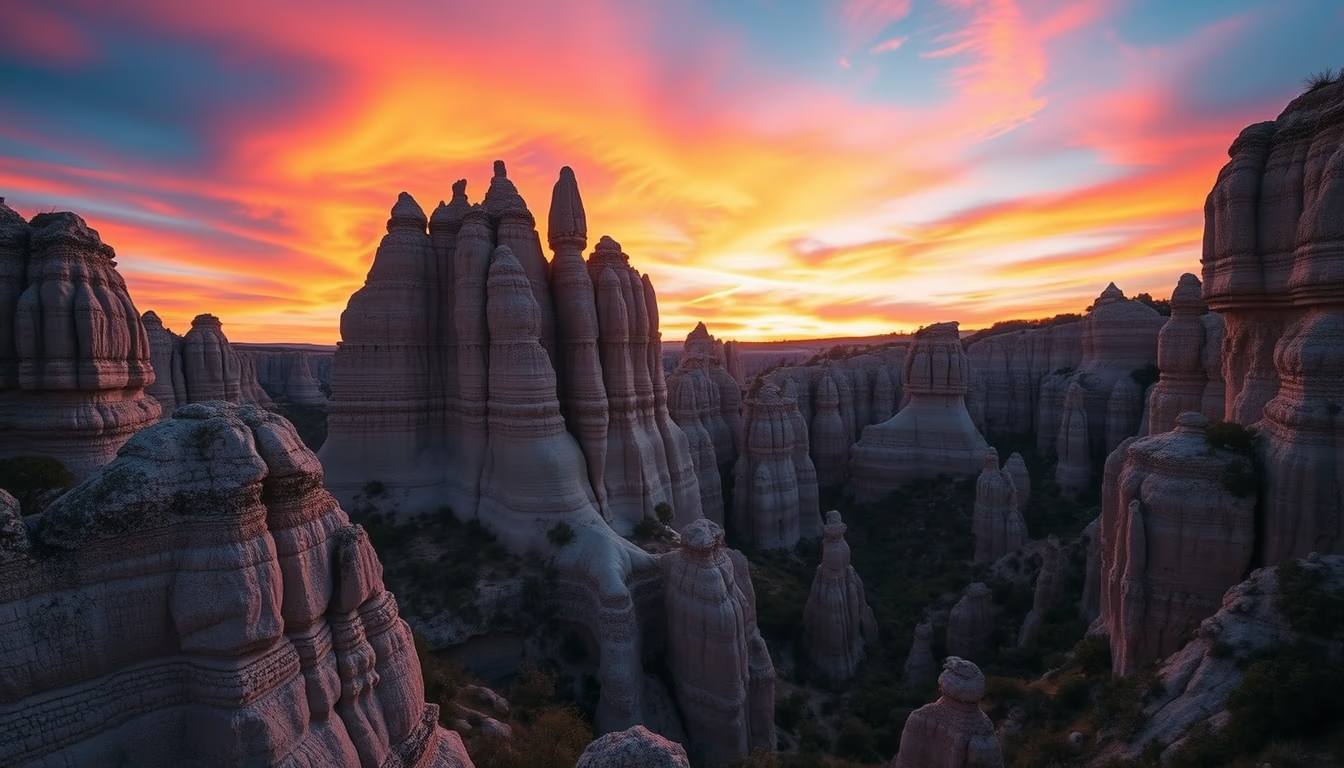
Red layered sandstone is a sedimentary rock formed by the compaction and cementation of sand grains over millions of years. Its characteristic reddish color results from the presence of iron oxide (hematite) acting as a cement between grains. This type of sandstone is found in various regions worldwide, such as the United States (Grand Canyon), Australia (Uluru), and Brazil, especially in Rio Grande do Sul and Minas Gerais. The visible layers or stratifications indicate variations in deposition conditions, such as changes in water current or climate, creating a unique visual pattern.
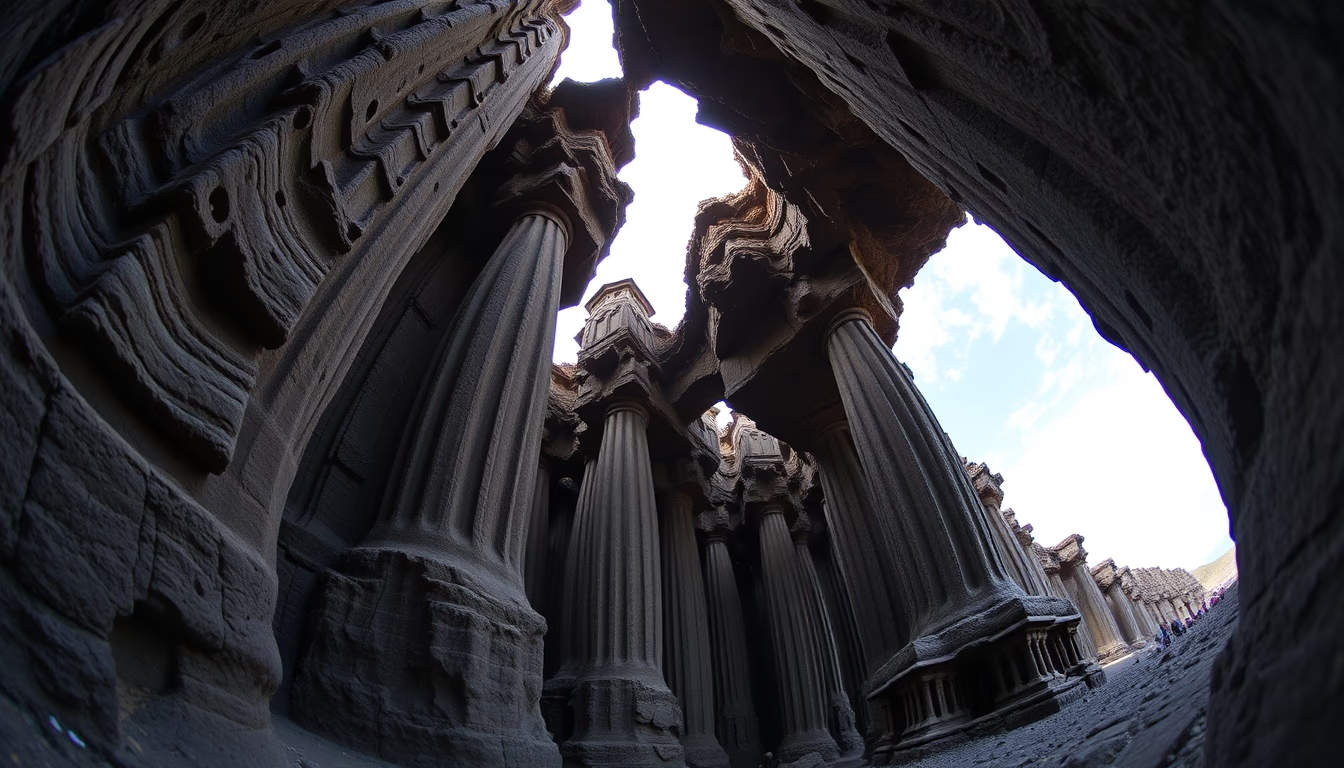
In construction, red sandstone is widely used as a decorative stone for facades, floors, and cladding due to its durability and aesthetic appeal. It is also employed in sculptures and historical monuments, such as the Temple of Luxor in Egypt, which uses locally quarried sandstone. In Brazil, extraction of red sandstone occurs mainly in the South and Southeast regions, notably in the city of São Sepé (RS), where the sandstone is known as "Pedra de São Sepé" and valued for its color and texture.
A geological curiosity: the layers of red sandstone may contain fossils of ancient organisms, such as dinosaur footprints, since the rock forms in environments like deserts, beaches, and riverbeds. Preservation of these traces depends on rapid burial by sediments and subsequent cementation. Variations in layer thickness can also indicate climatic cycles, such as droughts and floods, that influenced sediment deposition over time.
Frequently Asked Questions
What causes the red color in sandstone?
The red color in sandstone is caused by the presence of iron oxide, mainly hematite, which acts as a cement between sand grains. The higher the iron concentration, the more intense the coloration.
Where is red sandstone found in Brazil?
In Brazil, red sandstone is found mainly in Rio Grande do Sul (such as Pedra de São Sepé) and Minas Gerais. It also occurs in other regions with ancient sedimentary formations.
Is red sandstone durable for construction use?
Yes, red sandstone is a durable and weather-resistant rock, widely used for exterior cladding, flooring, and facades. However, its porosity may require waterproofing treatments in humid climates.
Direct URL
https://pub-c7d6a6ea828543ac903a74a341ccb2e1.r2.dev/imagens/sandstone-red-layered-commercial-product-photography-fresh8.avifHow to credit
Include a visible link back to UtilizAí. Copy one of the snippets below:
<a href="https://xn--utiliza-eza.com/en/midia/imagens/sandstone-red-layered-commercial-product-photography-fresh8">Sandstone red layered</a> by <a href="https://xn--utiliza-eza.com">UtilizAí</a>, licensed under <a href="https://creativecommons.org/licenses/by/4.0/">CC BY 4.0</a>.
[Sandstone red layered](https://xn--utiliza-eza.com/en/midia/imagens/sandstone-red-layered-commercial-product-photography-fresh8) by [UtilizAí](https://xn--utiliza-eza.com), CC BY 4.0
License: CC-BY-4.0