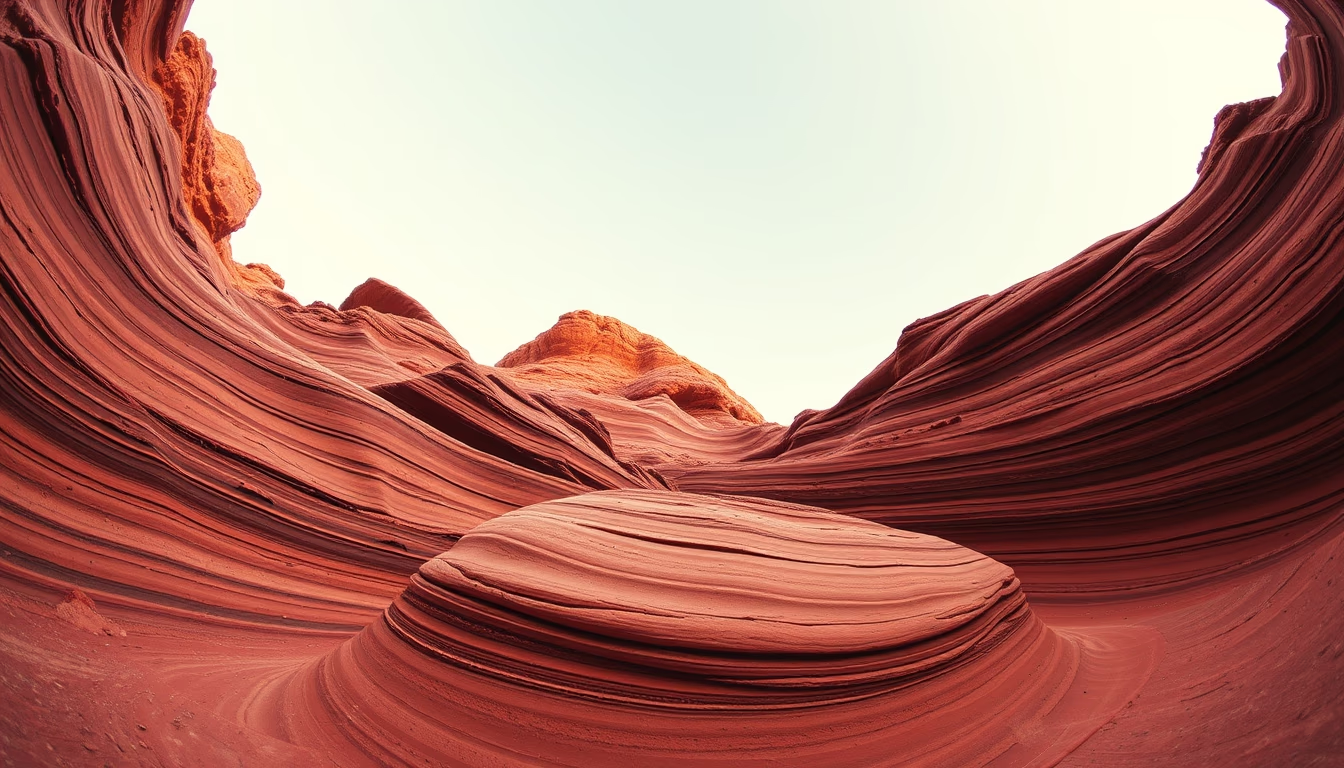
Sandstone red layered
1344×768 · AVIF · CC BY 4.0
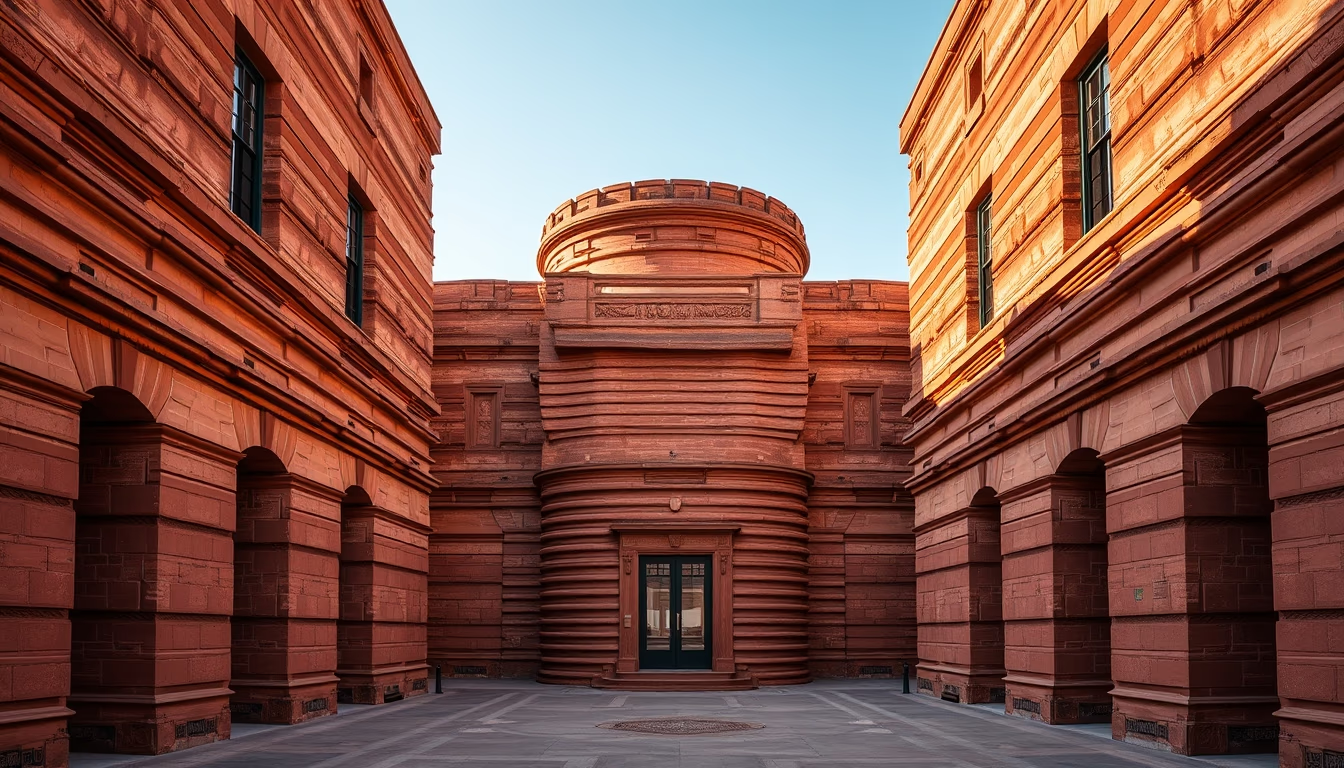
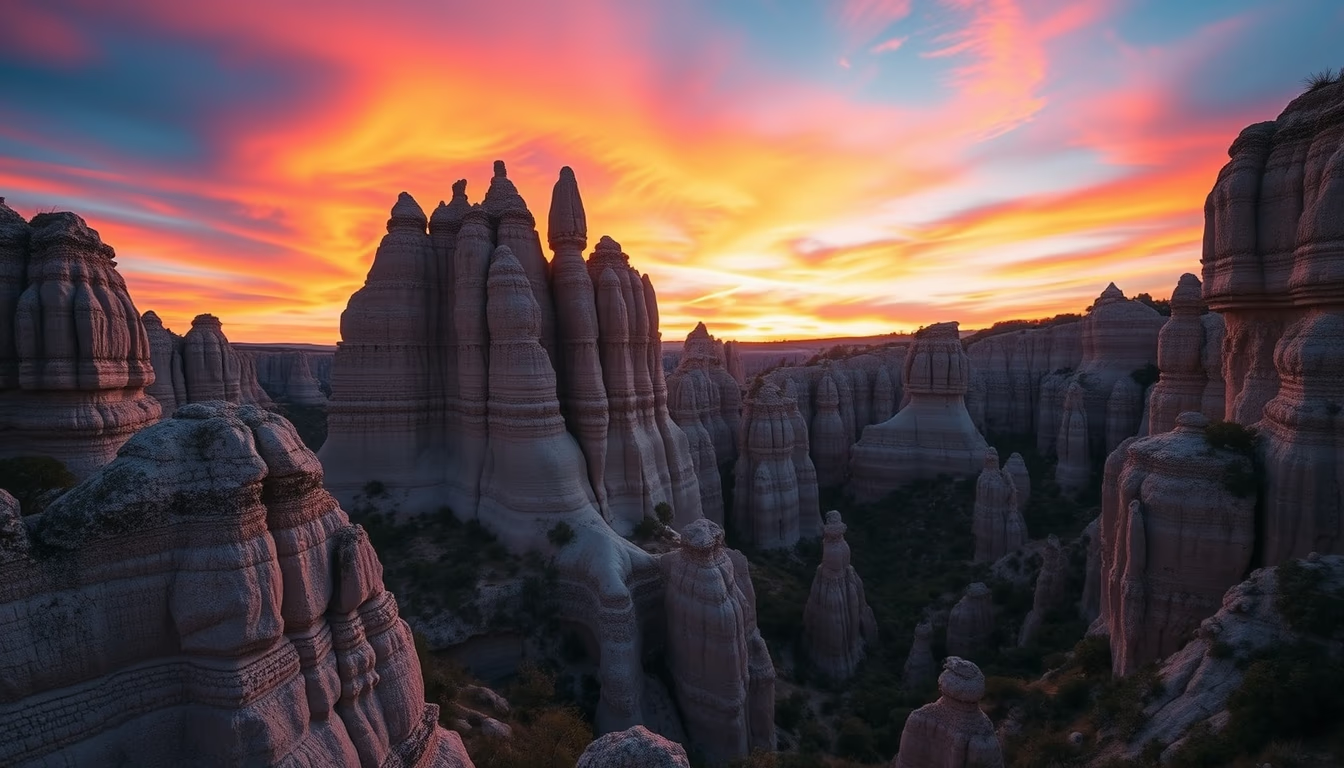
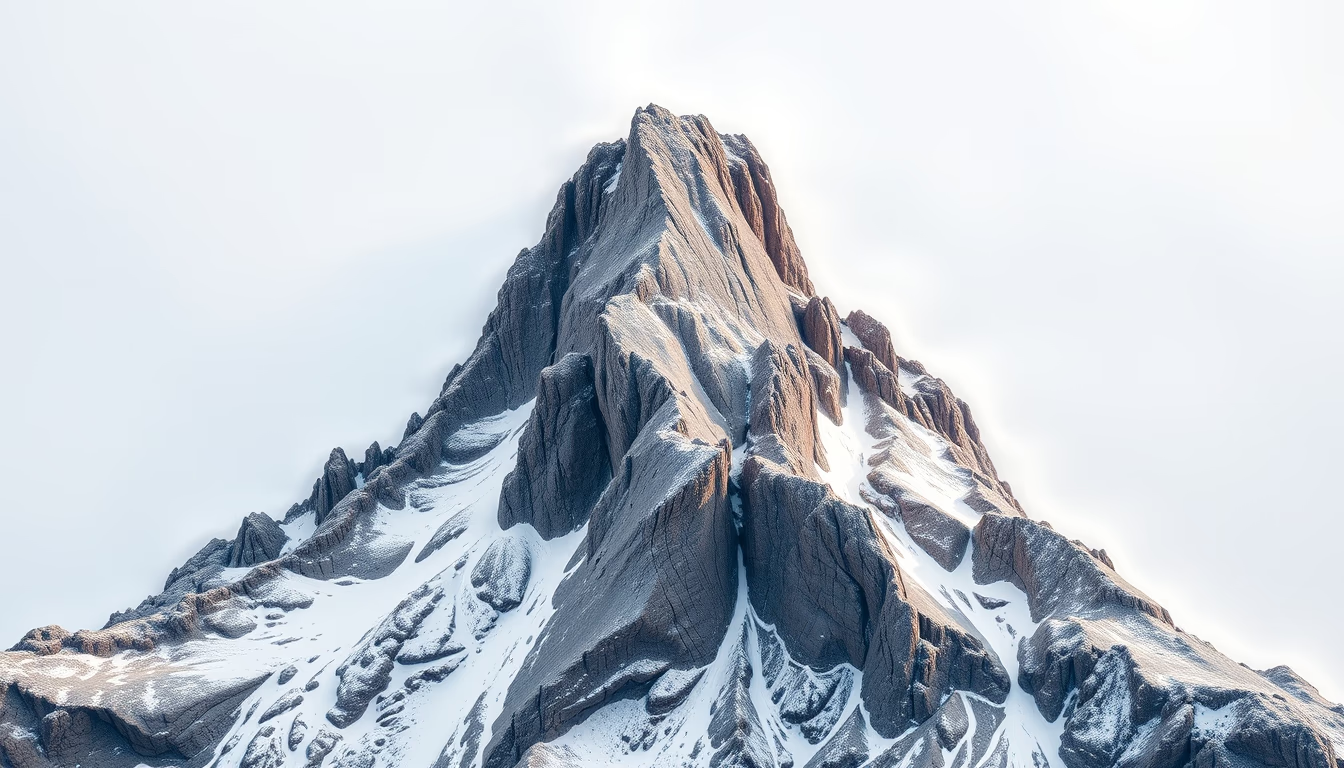
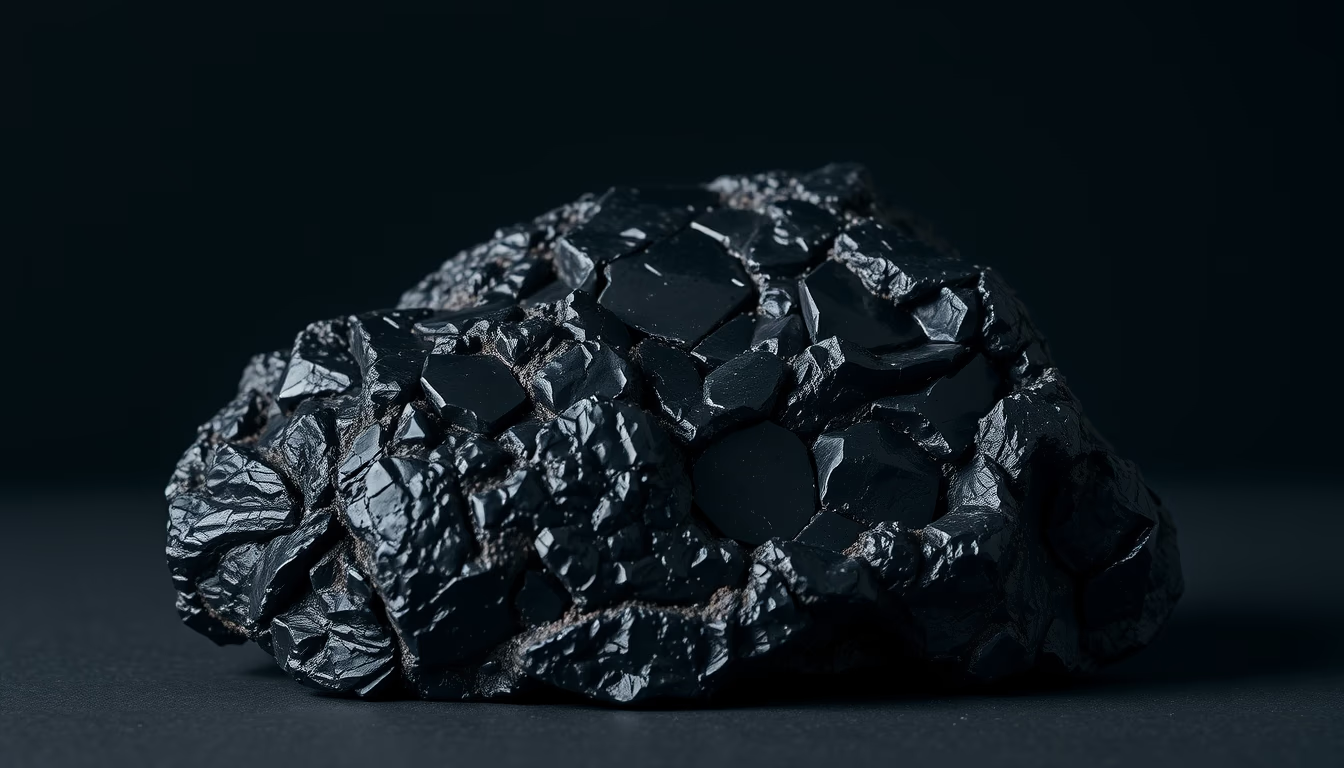
Red layered sandstone reveals millions of years of sedimentation in rock formations that tell Earth's geological history.
About this subject
Red layered sandstone, known for its distinct strata and vibrant hue, is a sedimentary rock formed by the compaction and cementation of sand grains over millions of years. The characteristic red color comes from iron oxide, especially hematite, which acts as a natural pigment. This geological process occurs in environments such as deserts, riverbeds, and coastal plains, where sand accumulates and undergoes chemical transformations as it gets buried.
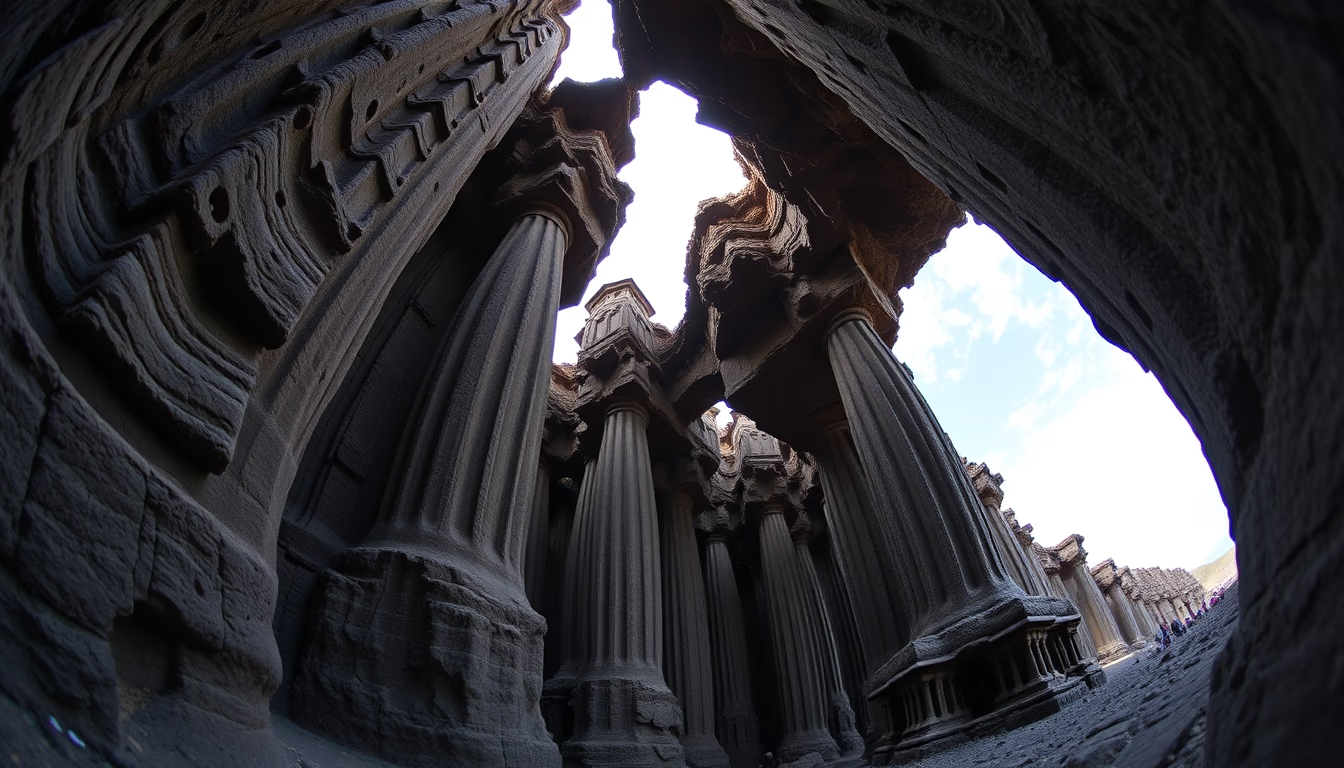
In Brazil, red sandstone formations are found in areas like the Serra do Mar and the Chapada dos Veadeiros National Park. Internationally, places like Monument Valley in the United States and Göreme National Park in Turkey showcase these layers spectacularly. Red sandstone is also used in construction, for facades, floors, and historic monuments, such as the ruins of Petra in Jordan, carved directly into the rock.
Beyond its scenic beauty, sandstone layers record climate changes and geological events, like transitions between ancient deserts and oceans. Each color band may represent different environmental conditions, such as variations in iron oxidation or sedimentation rate. For geologists, these rocks are natural archives that help reconstruct Earth's ancient landscapes.
Frequently Asked Questions
Why is sandstone red?
The red color of sandstone comes from iron oxide, especially hematite, which coats the sand grains. This mineral forms in oxidizing environments such as deserts and plains, where water evaporates and concentrates the iron.
Where can red sandstone be found in Brazil?
In Brazil, red sandstone formations are found in regions like Chapada dos Veadeiros (GO), Serra do Mar (SP/RJ), and Serra da Capivara National Park (PI). These areas exhibit layers exposed by erosion.
Is red sandstone used in construction?
Yes, red sandstone is widely used as an ornamental stone for facades, floors, and monuments. Famous examples include buildings in Petra (Jordan) and historical structures in India, such as the Red Fort in Delhi.
Direct URL
https://pub-c7d6a6ea828543ac903a74a341ccb2e1.r2.dev/imagens/sandstone-red-layered-architectural-photography-fresh11.avifHow to credit
Include a visible link back to UtilizAí. Copy one of the snippets below:
<a href="https://xn--utiliza-eza.com/en/midia/imagens/sandstone-red-layered-architectural-photography-fresh11">Sandstone red layered</a> by <a href="https://xn--utiliza-eza.com">UtilizAí</a>, licensed under <a href="https://creativecommons.org/licenses/by/4.0/">CC BY 4.0</a>.
[Sandstone red layered](https://xn--utiliza-eza.com/en/midia/imagens/sandstone-red-layered-architectural-photography-fresh11) by [UtilizAí](https://xn--utiliza-eza.com), CC BY 4.0
License: CC-BY-4.0