Salmon farm offshore
1344×768 · AVIF · CC BY 4.0
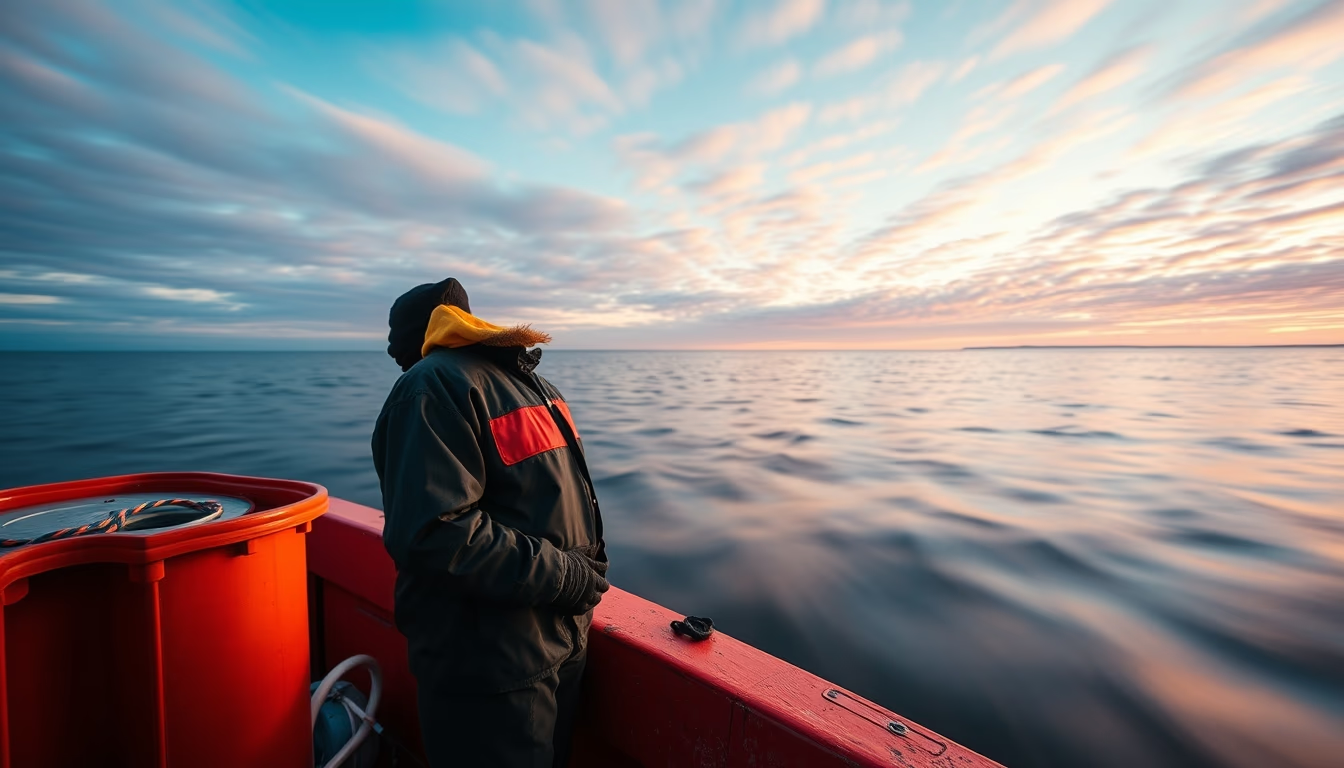
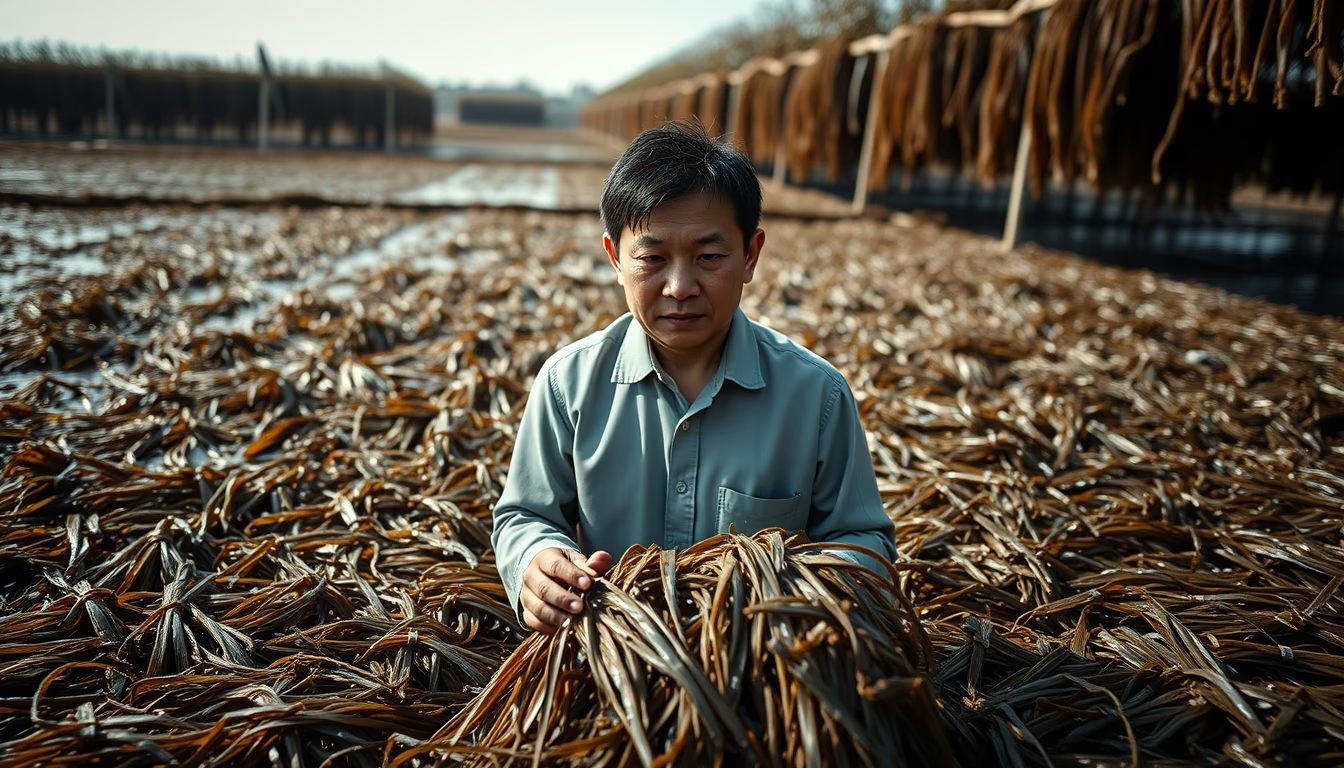
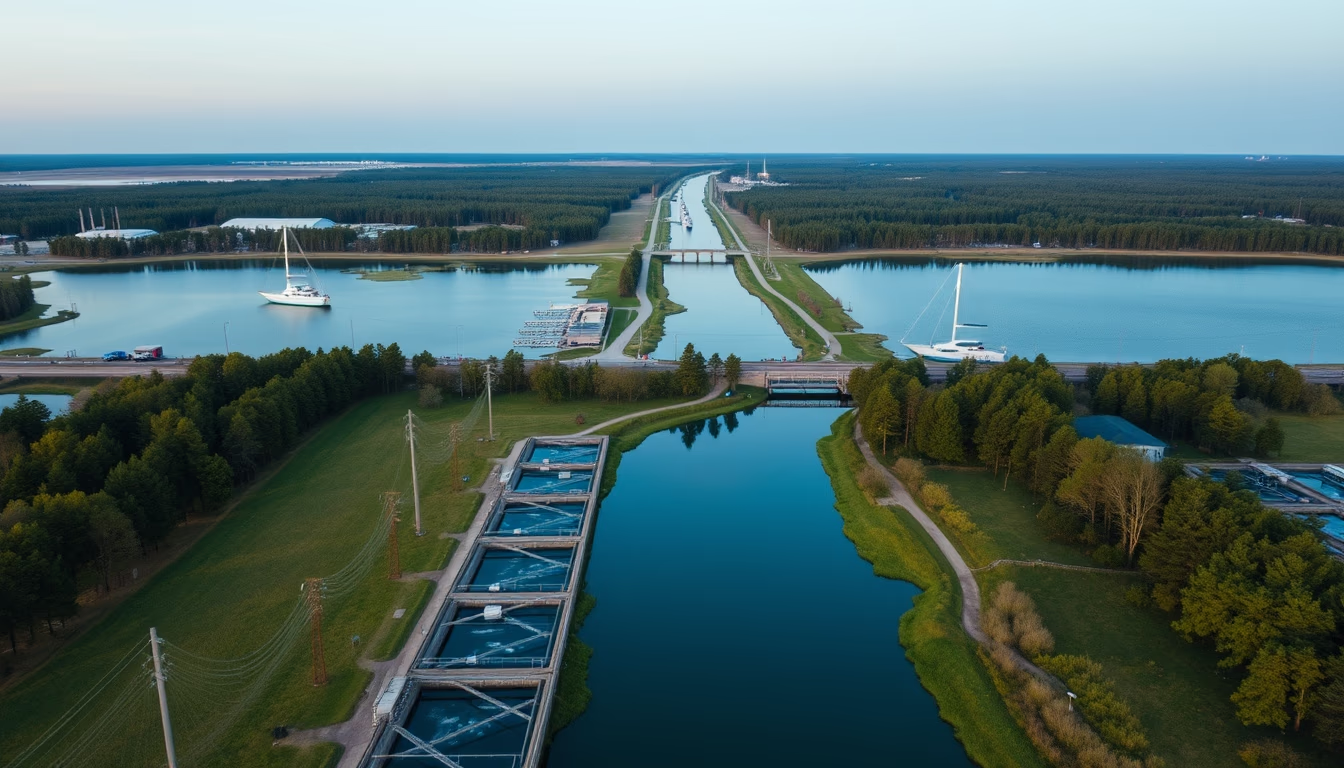
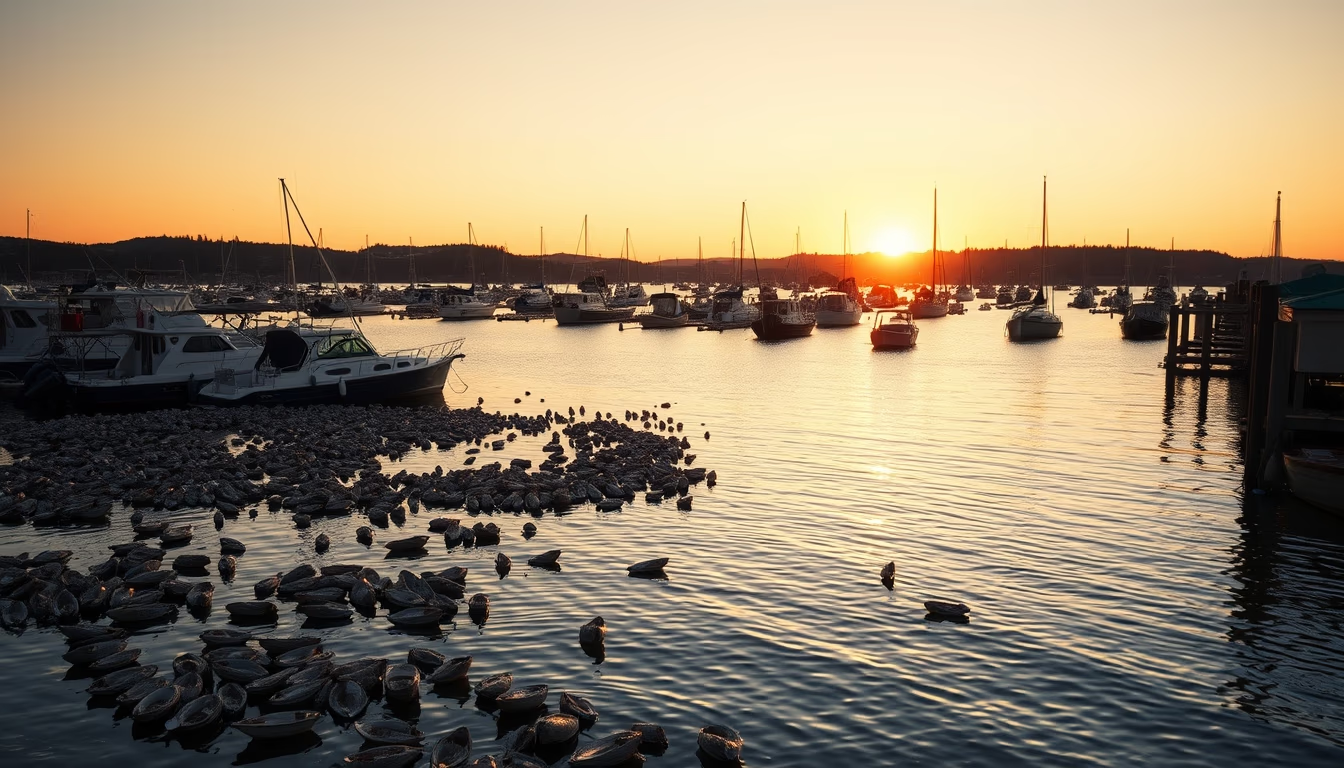
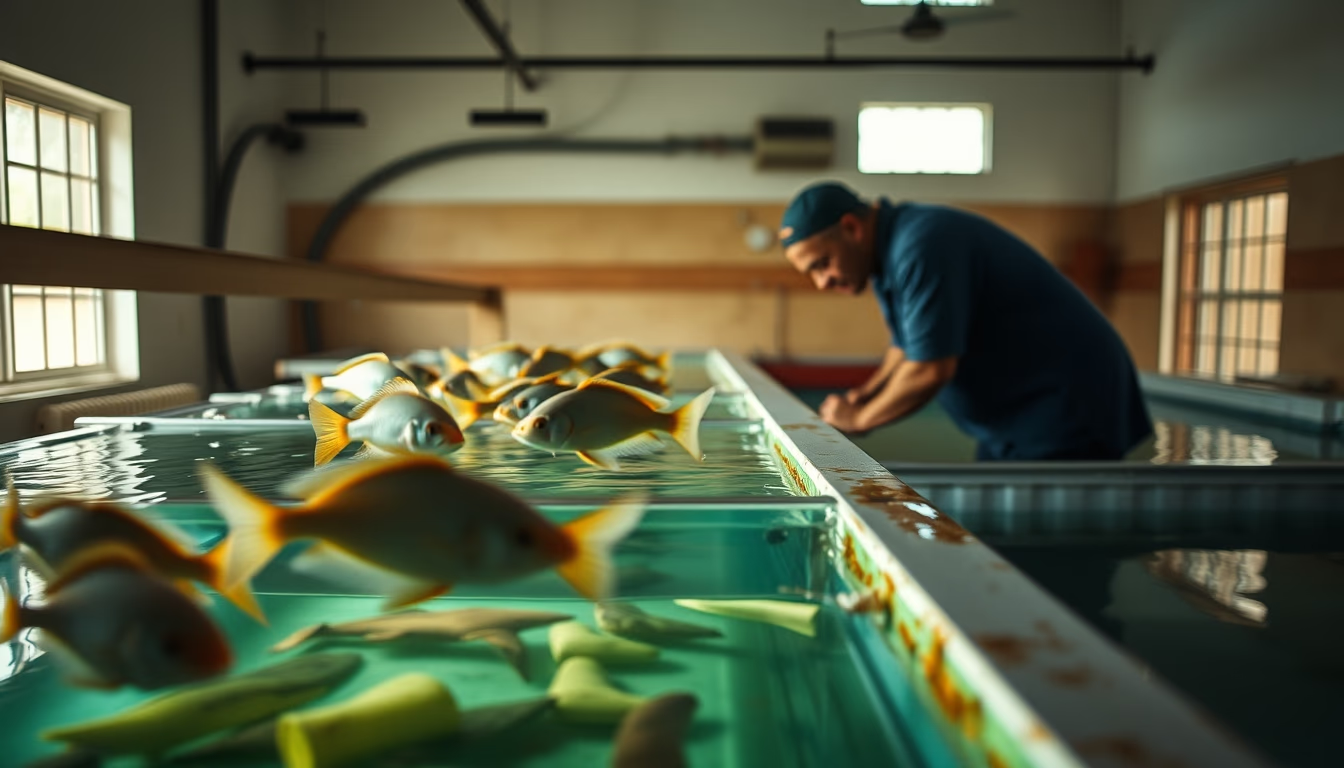
Offshore salmon farming using submersible cages: innovation, challenges, and impact on global aquaculture.
About this subject
Offshore salmon farming represents a significant leap in aquaculture, relocating production to deeper, more exposed waters away from the coast. This shift addresses the limitations of coastal farming, such as pollution, disease outbreaks, and spatial conflicts. Leading salmon-producing nations like Norway, Chile, Scotland, and Canada have invested in offshore technologies, notably submersible cages like SalMar's Ocean Farm 1. Deployed in the Norwegian Sea, this 68-meter diameter structure can hold up to 1.5 million fish and is monitored via remote sensors and cameras. Offshore farms benefit from stronger currents that naturally disperse waste, reduced sea lice infestations, and lower environmental impact on sensitive coastal habitats. However, the harsh open-sea conditions demand robust mooring systems, withstand large waves, and require complex logistics for feeding and harvesting. Global farmed salmon production is around 2.5 million tonnes annually, with offshore operations expected to grow, driven by projects in Norway, Scotland, and Australia. This expansion aims to sustainably meet rising demand for protein, offering a model for future aquaculture development.
Frequently Asked Questions
How do offshore salmon farms differ from coastal ones?
Offshore farms are located in deeper, more exposed waters, often far from the coast, using submersible or semi-submersible cages that withstand large waves and currents. Coastal farms are in sheltered areas like fjords or bays and are more prone to localized environmental impacts.
What are the main technical challenges of offshore salmon farming?
Key challenges include designing structures that survive storms and big waves, developing robust mooring systems, ensuring efficient feeding and harvesting in open seas, maintaining fish health in extreme conditions, and managing high capital and operational costs.
Is offshore salmon farming more sustainable than traditional farming?
It has the potential to be, thanks to better waste dispersion by currents, reduced parasite loads, and less interference with sensitive coastal ecosystems. However, sustainability depends on responsible feed sourcing, low escape rates, and efficient energy use.
Direct URL
https://pub-c7d6a6ea828543ac903a74a341ccb2e1.r2.dev/imagens/salmon-farm-offshore-long-exposure-fresh15.avifHow to credit
Include a visible link back to UtilizAí. Copy one of the snippets below:
<a href="https://xn--utiliza-eza.com/en/midia/imagens/salmon-farm-offshore-long-exposure-fresh15">Salmon farm offshore</a> by <a href="https://xn--utiliza-eza.com">UtilizAí</a>, licensed under <a href="https://creativecommons.org/licenses/by/4.0/">CC BY 4.0</a>.
[Salmon farm offshore](https://xn--utiliza-eza.com/en/midia/imagens/salmon-farm-offshore-long-exposure-fresh15) by [UtilizAí](https://xn--utiliza-eza.com), CC BY 4.0
License: CC-BY-4.0