Runes viking stone
1344×768 · AVIF · CC BY 4.0
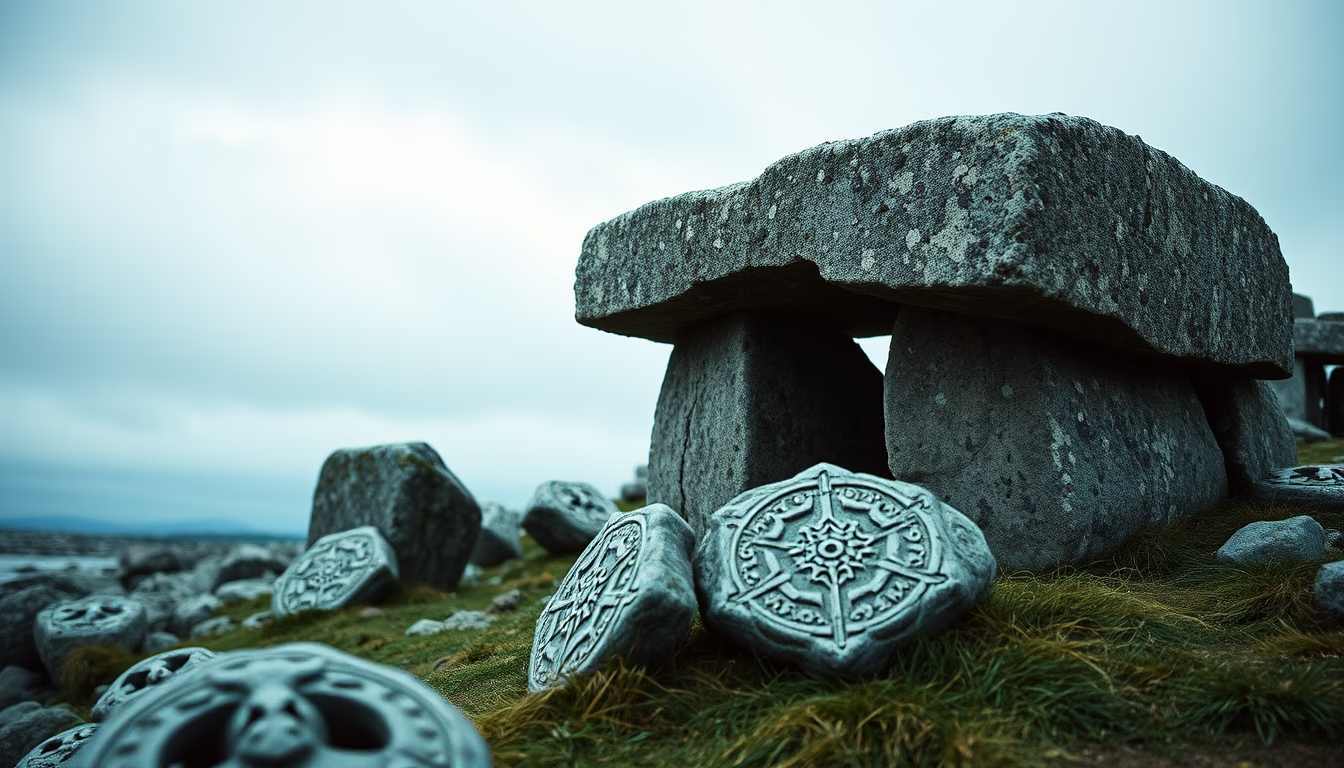
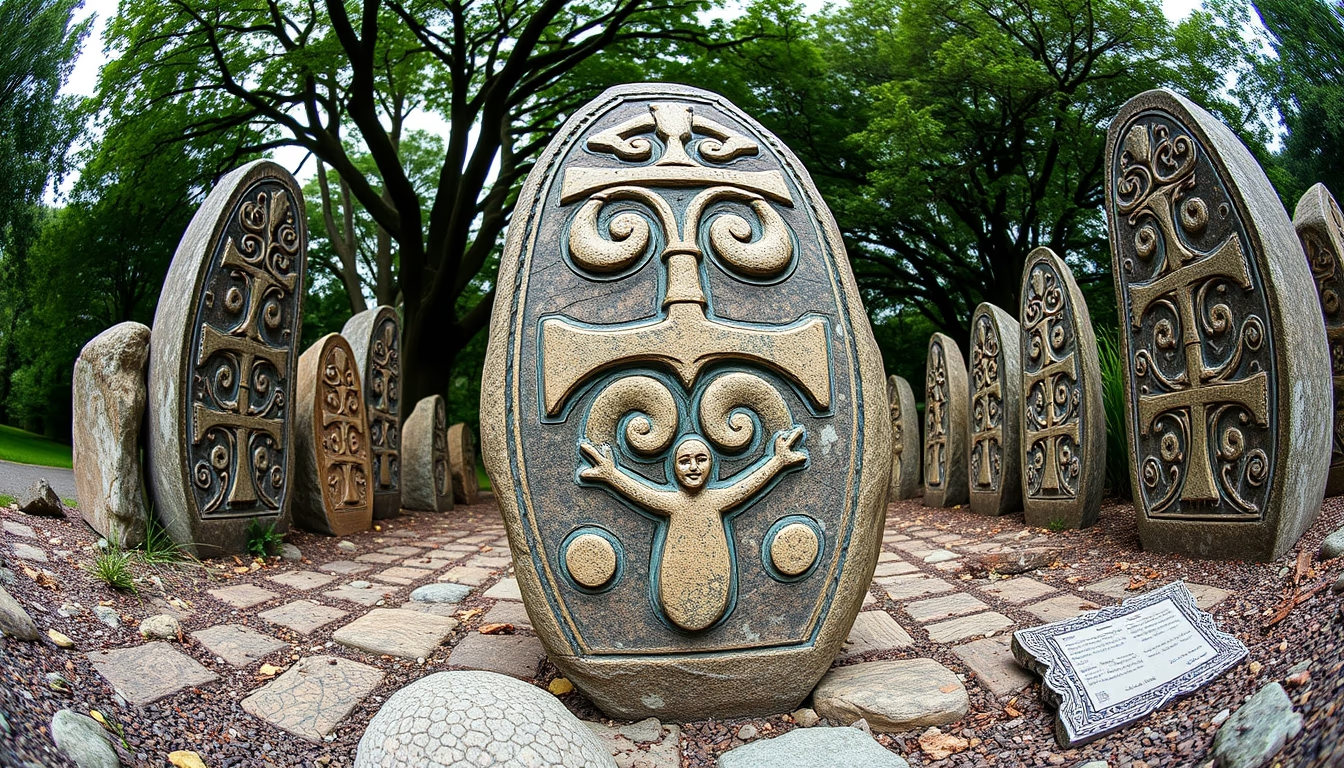
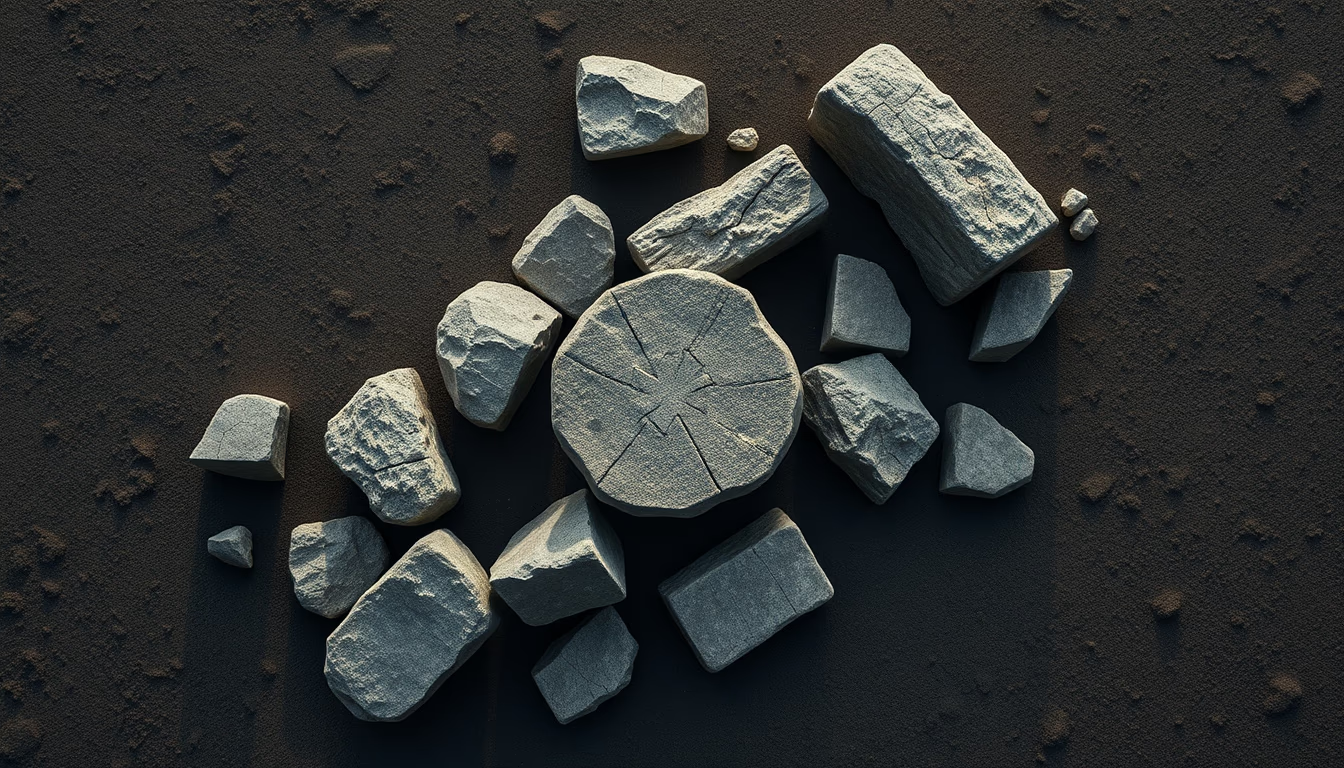
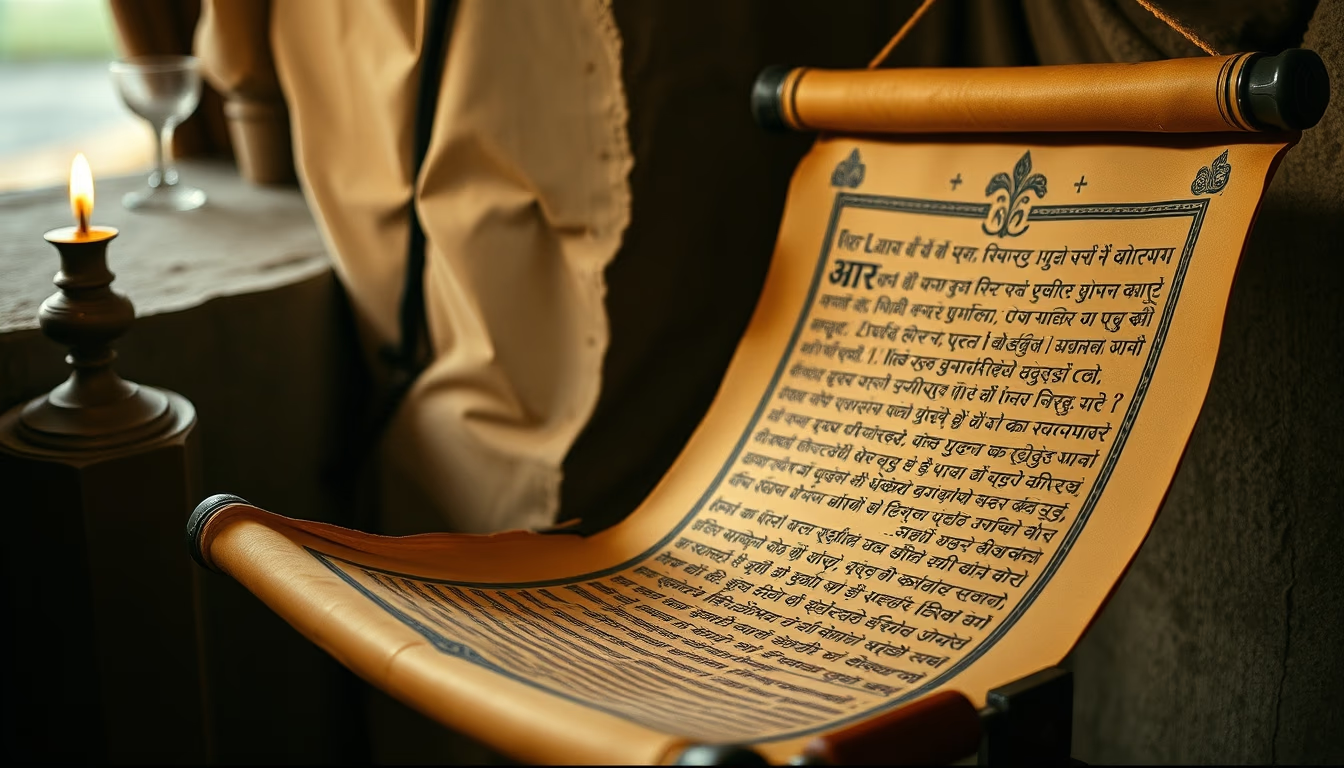
Viking runestones are stone monuments carved with runes, dating from the Viking Age, used as memorials and historical records.
About this subject
Runestones are monumental stone inscriptions from the Viking Age (roughly 800, 1050 AD), carved with the runic alphabet, primarily the Younger Futhark. These stones were erected outdoors, often at crossroads or near bridges, to commemorate the dead, record significant events, or mark conversions to Christianity. Of the approximately 6,000 known runestones, the vast majority lie in Scandinavia, Sweden alone has over 2,500, while Denmark and Norway also host substantial numbers.
The runestone tradition reveals the complexity of Viking society. Simple texts like “Gorm made this monument in memory of Thyra, his wife” appear alongside longer inscriptions describing long voyages, battles, and religious shifts. The Jelling stones in Denmark are often called Denmark’s “birth certificate” because one of them proclaims King Harald Bluetooth’s conversion of the Danes to Christianity. The Rök runestone in Sweden features the longest known inscription and references mythology and heroic deeds.
For linguists and historians, runestones are invaluable. They preserve Old Norse in a period when it was transitioning from runic to Latin script. Their locations and decorative styles also reveal trade routes, cultural influences, and the spread of Christianity. Many stones were later reused in church walls or other structures, which contributed to their survival. Today, they are protected as cultural heritage and draw visitors eager to connect with Viking history.
Frequently Asked Questions
What are runestones?
Runestones are stone monuments carved with runic inscriptions, erected mainly during the Viking Age to commemorate the dead, record events, or mark religious conversions.
How many runestones exist and where are they found?
About 6,000 runestones are known, mostly in Scandinavia. Sweden has over 2,500, followed by Denmark and Norway. A few also exist in areas visited by Vikings, such as the British Isles.
Why are runestones historically significant?
They are primary sources for studying Old Norse, Viking society, trade routes, and Christianization. Inscriptions like the Jelling stones and Rök stone provide direct evidence about kings, wars, and beliefs.
Direct URL
https://pub-c7d6a6ea828543ac903a74a341ccb2e1.r2.dev/imagens/runes-viking-stone-film-grain-authentic-fresh14.avifHow to credit
Include a visible link back to UtilizAí. Copy one of the snippets below:
<a href="https://xn--utiliza-eza.com/en/midia/imagens/runes-viking-stone-film-grain-authentic-fresh14">Runes viking stone</a> by <a href="https://xn--utiliza-eza.com">UtilizAí</a>, licensed under <a href="https://creativecommons.org/licenses/by/4.0/">CC BY 4.0</a>.
[Runes viking stone](https://xn--utiliza-eza.com/en/midia/imagens/runes-viking-stone-film-grain-authentic-fresh14) by [UtilizAí](https://xn--utiliza-eza.com), CC BY 4.0
License: CC-BY-4.0