Runes viking stone
1344×768 · AVIF · CC BY 4.0
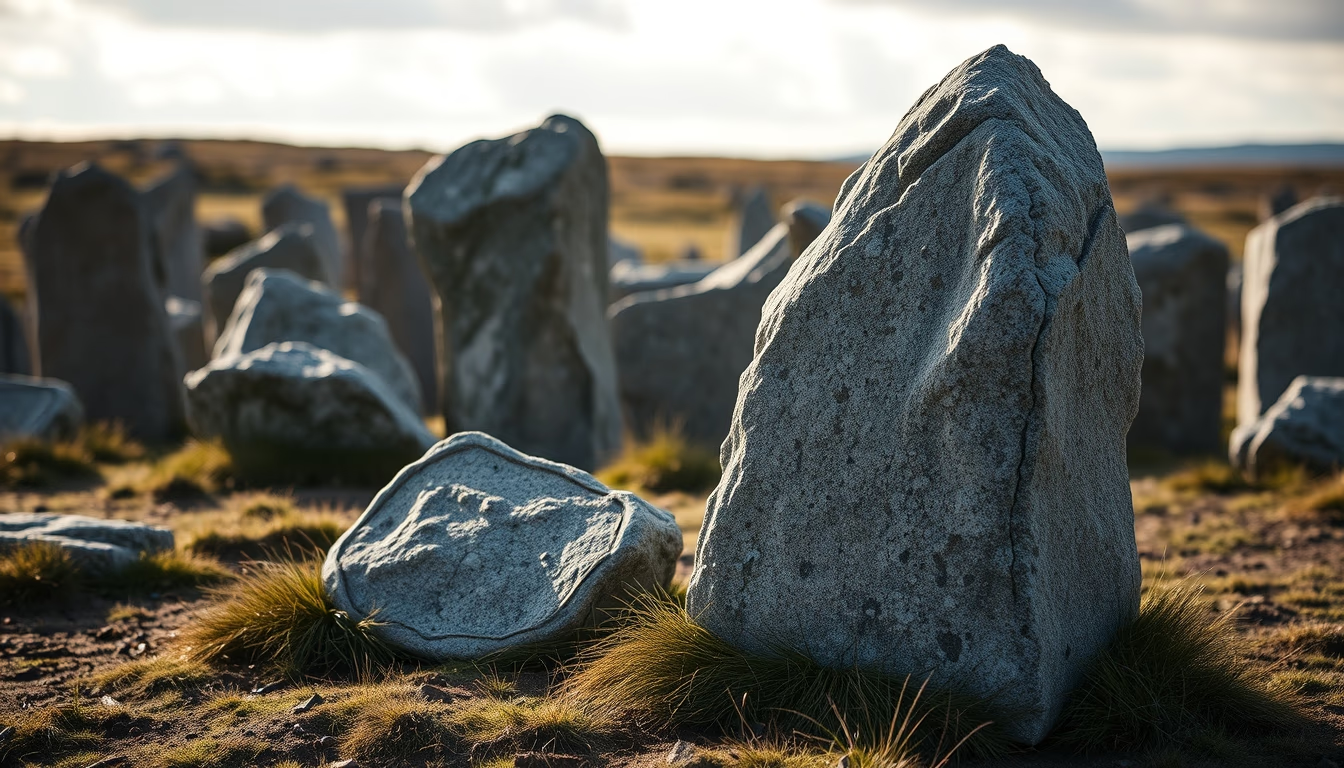
Viking runestones are stone monuments carved with runic script, erected mainly in Scandinavia between the 4th and 12th centuries.
About this subject
Viking runestones are historical markers from the Viking Age (roughly 793, 1066 AD), primarily found in Sweden, Denmark, Norway, and to a lesser extent in areas of Norse influence such as the British Isles and Iceland. These stones were erected as memorials to honor fallen warriors, celebrate achievements, mark inheritances, or record important events such as bridge constructions or the adoption of Christianity. Around 2,500 runestones are known in Scandinavia, with the highest concentration in the Uppland region of Sweden, which holds over 1,000 examples.
The inscriptions were carved in the runic alphabet, known as the Elder or Younger Futhark depending on the period. The Younger Futhark, with only 16 characters, was predominant during the Viking Age. Messages typically follow a standard formula: "X raised this stone in memory of Y". They often include references to kinship, heroic deeds, or Christianization, such as the famous Jelling Stone in Denmark, considered Denmark's 'birth certificate' for proclaiming unification and conversion to Christianity.
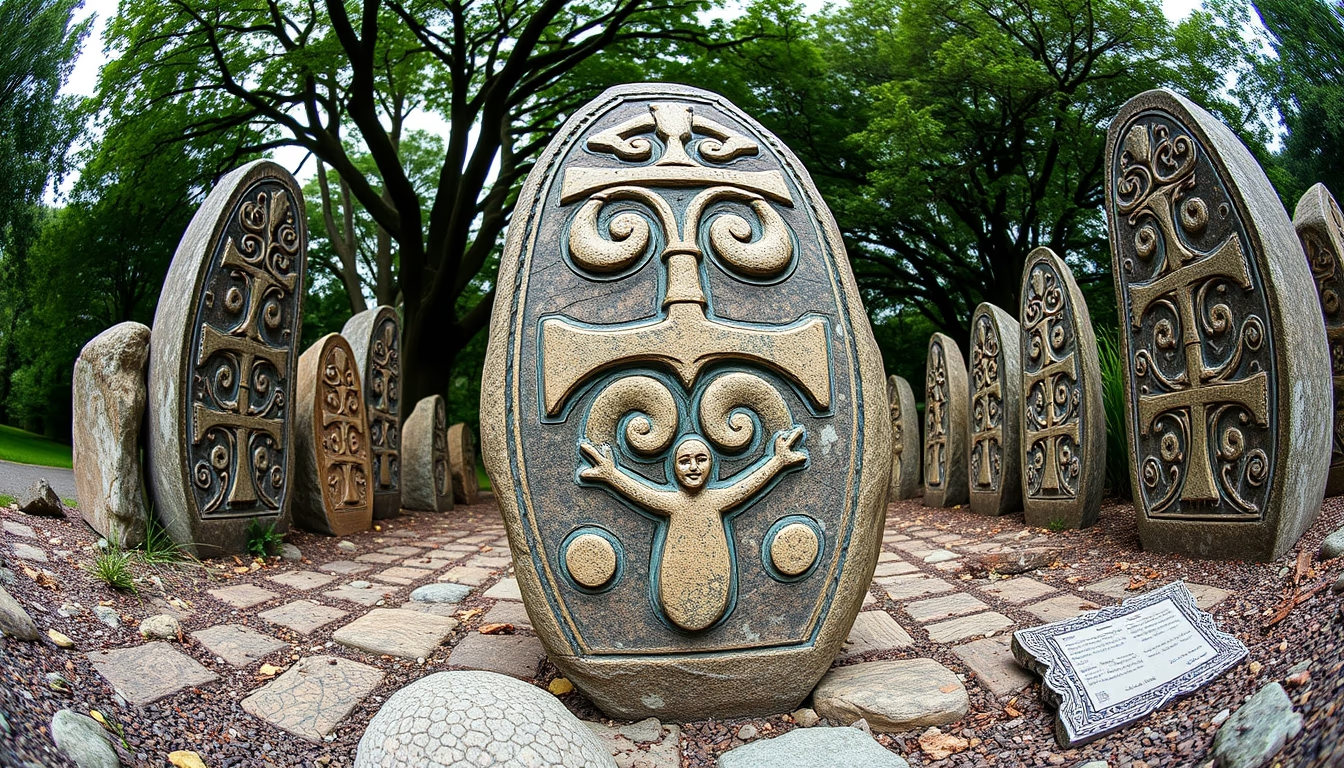
Beyond text, runestones frequently feature decorative carvings with interlaced patterns, animal figures (like serpents), and mythological motifs such as the god Odin or the wolf Fenrir. The Rök Runestone in Sweden is notable for containing the longest known runic inscription, a poem about heroes and myths with alliterative verse. Modern scholars decipher these inscriptions to gain insights into Viking society, their language, beliefs, and contacts with other cultures, as some stones mention voyages to the Mediterranean or Russia.
Frequently Asked Questions
What is the most famous runestone?
The Jelling Stone in Denmark is the most famous. Raised by King Harald Bluetooth around 965 AD, it commemorates the unification of Denmark and the conversion of the Danes to Christianity, often called Denmark's 'birth certificate'.
What does the word 'rune' mean?
The word 'rune' comes from Old Norse 'rún', meaning 'secret' or 'mystery'. Runes were not just letters but also magical symbols used in rituals and divination.
How many runestones are there in Sweden?
An estimated 1,700 runestones exist in Sweden, the highest concentration among Scandinavian countries. The Uppland region, north of Stockholm, holds over 1,000 of them.
Direct URL
https://pub-c7d6a6ea828543ac903a74a341ccb2e1.r2.dev/imagens/runes-viking-stone-documentary-photography-fresh2.avifHow to credit
Include a visible link back to UtilizAí. Copy one of the snippets below:
<a href="https://xn--utiliza-eza.com/en/midia/imagens/runes-viking-stone-documentary-photography-fresh2">Runes viking stone</a> by <a href="https://xn--utiliza-eza.com">UtilizAí</a>, licensed under <a href="https://creativecommons.org/licenses/by/4.0/">CC BY 4.0</a>.
[Runes viking stone](https://xn--utiliza-eza.com/en/midia/imagens/runes-viking-stone-documentary-photography-fresh2) by [UtilizAí](https://xn--utiliza-eza.com), CC BY 4.0
License: CC-BY-4.0