Runes viking stone
1344×768 · AVIF · CC BY 4.0

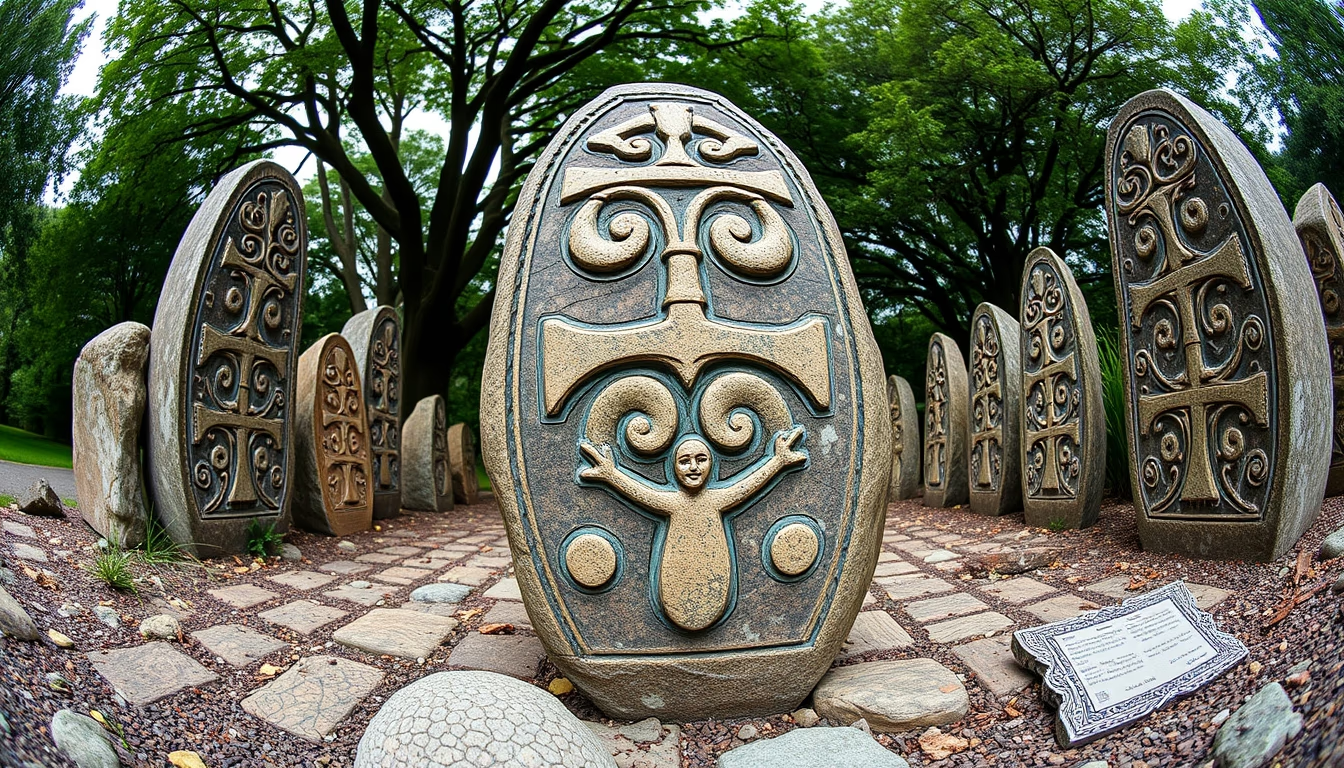
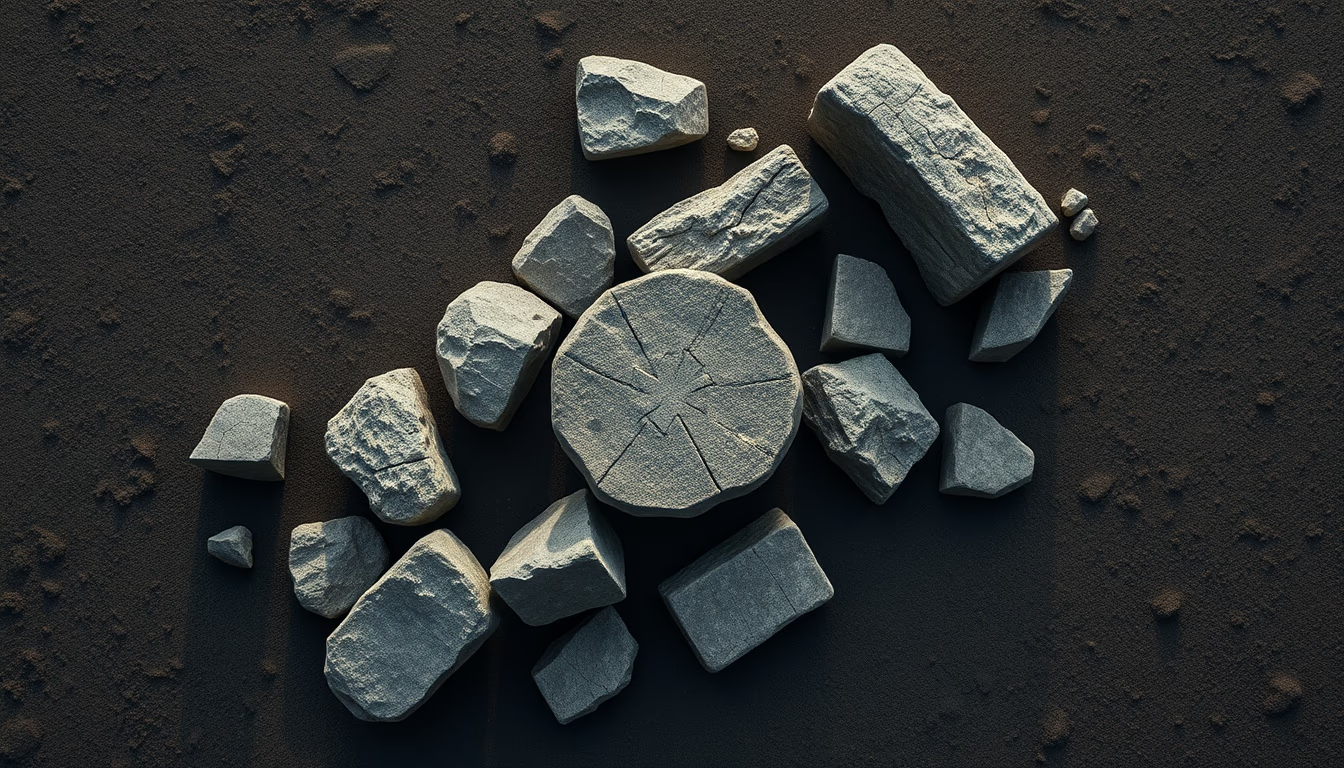
Viking runestones are stone monuments carved with runic alphabets, erected in Scandinavia during the Viking Age to commemorate the dead or mark significant events.
About this subject
Viking runestones are enduring testimonies of Scandinavian culture from the 8th to 11th centuries. Scattered mainly in Sweden (over 2,500 examples), Denmark, and Norway, these stone slabs were raised with inscriptions in runes, typically in the Younger Futhark alphabet. The most common purpose was memorial: families had the stone carved to honor a deceased relative, often mentioning the relationship and the place of death, such as expeditions to the East (e.g., Kievan Rus') or West (England).
Runic writing originates in the Elder Futhark alphabet, used since the 2nd century CE, but flourished during the Viking Age. Many runestones feature interlaced decorations and animal figures in Ringerike or Urnes style. A notable example is the Rök Runestone (Östergötland, Sweden), with the longest known inscription, containing allusions to Germanic heroes and Norse mythology. Another case is the Jelling stones in Denmark, erected by King Harald Bluetooth in the 10th century, marking Denmark's conversion to Christianity and the unification of the kingdom.
Beyond commemorative value, runestones offer insights into Viking society: personal names, kinship ties, trade routes, and warfare. About 10% of inscriptions mention voyages, and some bear curses against those who damage the stone. After Christianization, runes were gradually replaced by the Latin alphabet, but the stones remain primary sources for historians and archaeologists.
Frequently Asked Questions
What is a runestone?
A runestone is a stone monument erected during the Viking Age, carved with runic inscriptions, typically to commemorate the dead or record significant events.
Where are most runestones found?
Most runestones are found in Scandinavia, particularly in Sweden, which has over 2,500 examples. Denmark and Norway also have significant numbers.
Why are runestones important for studying the Viking Age?
Runestones provide valuable information about names, genealogy, expeditions, trade, and beliefs of the Vikings, serving as essential primary sources for historians and archaeologists.
Direct URL
https://pub-c7d6a6ea828543ac903a74a341ccb2e1.r2.dev/imagens/runes-viking-stone-architectural-photography-fresh13.avifHow to credit
Include a visible link back to UtilizAí. Copy one of the snippets below:
<a href="https://xn--utiliza-eza.com/en/midia/imagens/runes-viking-stone-architectural-photography-fresh13">Runes viking stone</a> by <a href="https://xn--utiliza-eza.com">UtilizAí</a>, licensed under <a href="https://creativecommons.org/licenses/by/4.0/">CC BY 4.0</a>.
[Runes viking stone](https://xn--utiliza-eza.com/en/midia/imagens/runes-viking-stone-architectural-photography-fresh13) by [UtilizAí](https://xn--utiliza-eza.com), CC BY 4.0
License: CC-BY-4.0