Rotovap evaporator
1344×768 · AVIF · CC BY 4.0
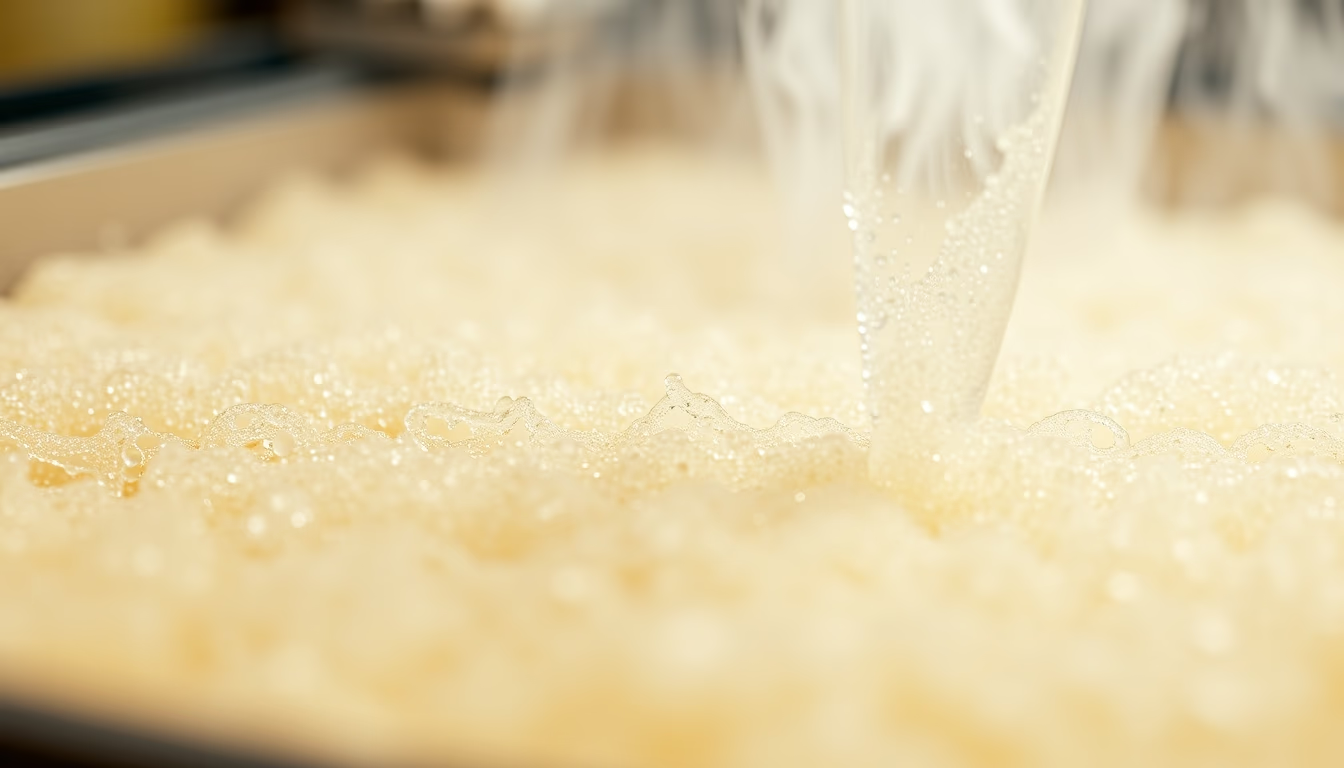
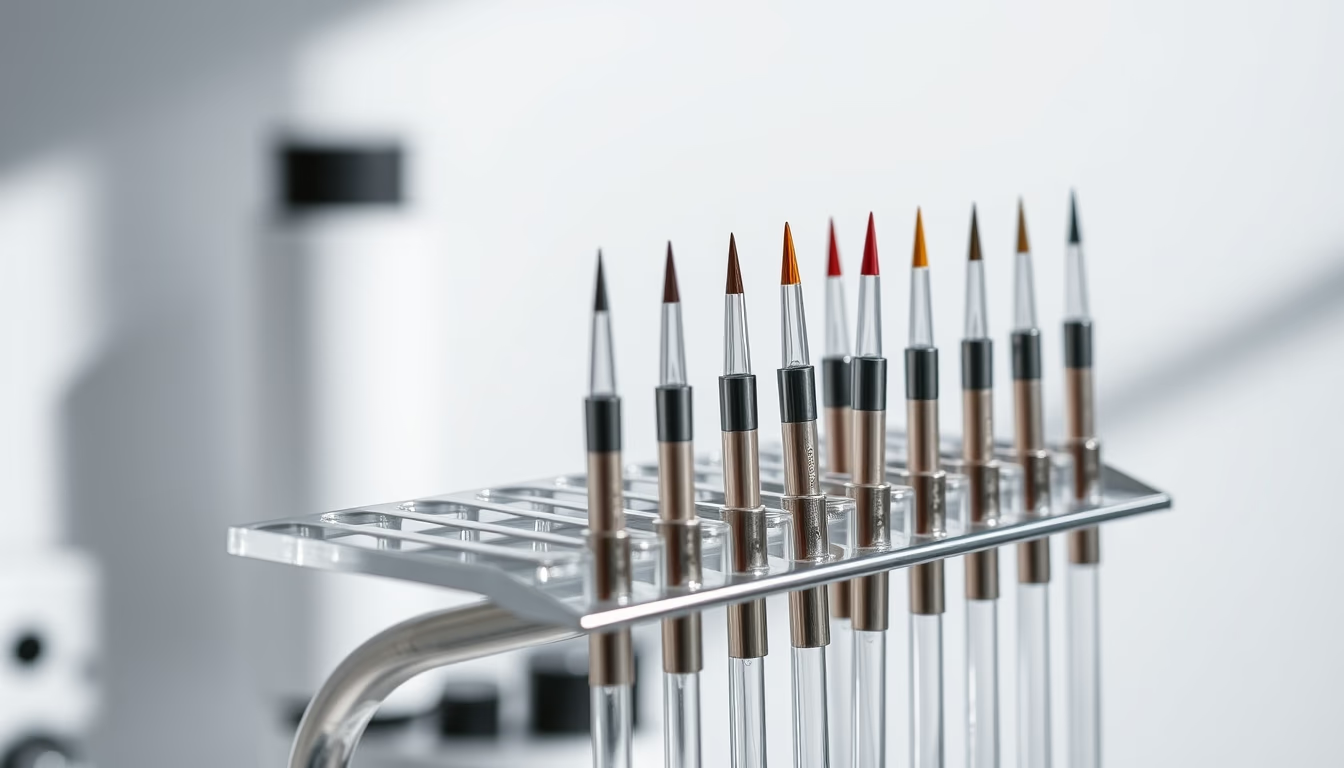
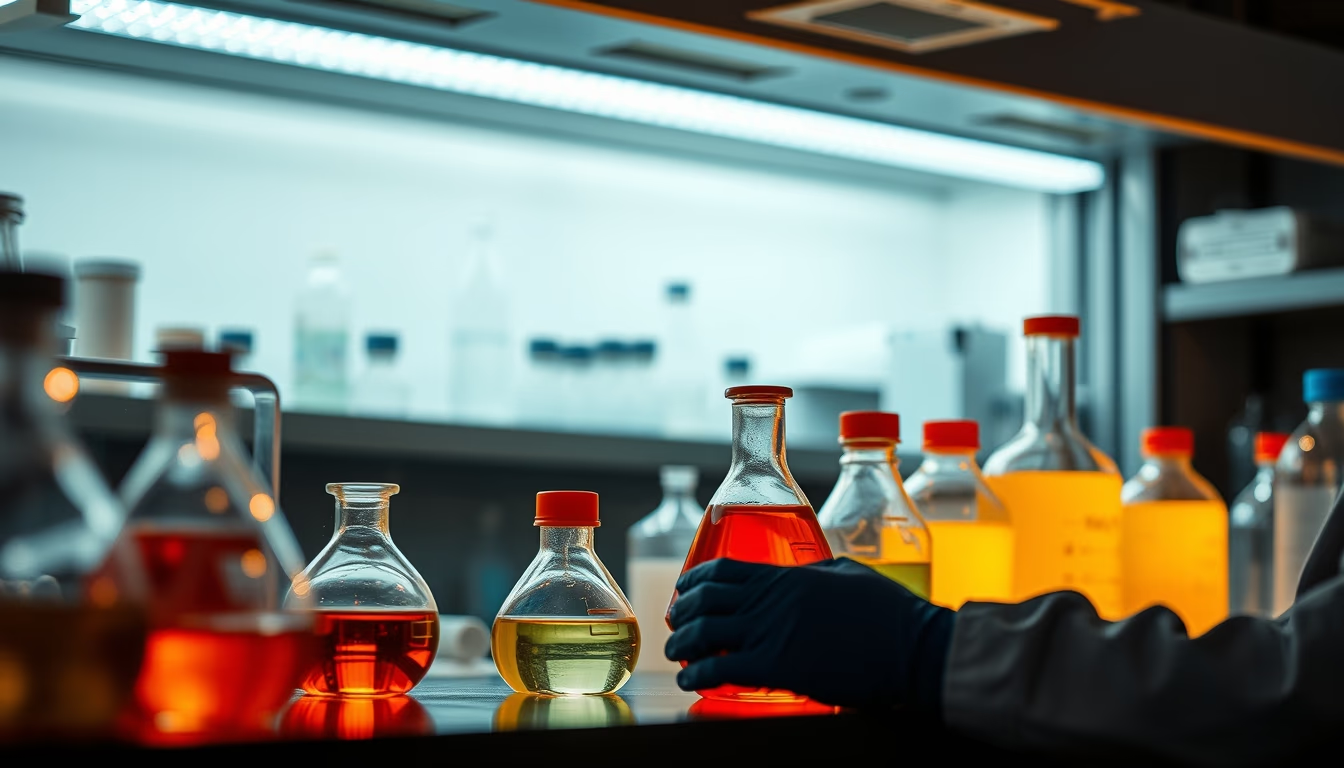
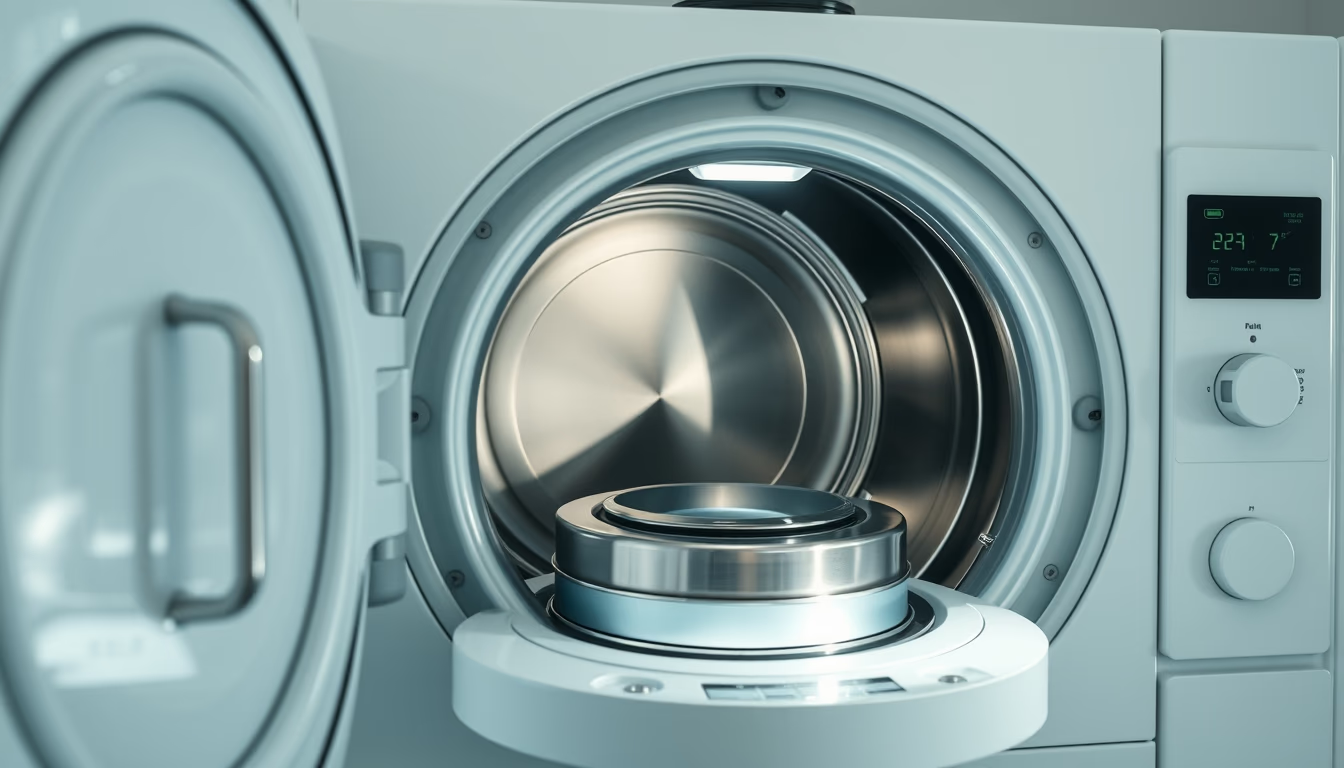
The rotary evaporator, or rotovap, is a laboratory instrument used to remove solvents from samples under reduced pressure.
About this subject
The rotary evaporator, commonly called rotovap, is an essential instrument in chemistry, biochemistry, and pharmaceutical laboratories. Its primary function is the efficient removal of solvents from mixtures by combining rotation, controlled heating, and vacuum. The operating principle relies on reducing the internal pressure of the system, which lowers the boiling point of the solvent, allowing evaporation at lower temperatures and preserving heat-sensitive compounds.
A typical rotovap consists of a rotating glass flask immersed in a heating bath, a condenser that cools solvent vapors, and a collection flask to recover the solvent. The rotation creates a thin film of liquid on the flask's inner surface, increasing the evaporation area and speeding up the process. The system is connected to a vacuum pump, which can be a membrane or piston pump, to control the pressure.
Developed in the 1950s by biochemist Lyman C. Craig, the rotovap became a standard in sample preparation, active compound isolation, and compound purification. It is widely used in chemical and pharmaceutical industries for solvent recovery and extract concentration, contributing to sustainability by reducing solvent waste.
A key fact is that precise control of rotation speed and bath temperature is crucial to avoid thermal shock or overheating. Modern models feature digital controllers and safety alarms. The choice of appropriate flask and condenser sizes for the sample volume also impacts process efficiency.
Frequently Asked Questions
What is the difference between a rotovap and a simple distillation setup?
A rotovap uses vacuum to lower the pressure and thus the boiling point of the solvent, while simple distillation operates at atmospheric pressure. This allows the rotovap to evaporate solvents at lower temperatures, protecting heat-sensitive compounds.
How to choose the right flask for a rotovap?
The flask should have enough capacity for the sample volume, typically not exceeding 50% of total volume to avoid overflow during rotation. Round-bottom flasks are most common, with sizes ranging from 50 mL to 5 L or more.
Can a rotovap be used to evaporate water?
Yes, but water has a high boiling point even under vacuum. To evaporate water efficiently, a stronger vacuum system and a heating bath at elevated temperatures (60-80 °C) are required. Alternatively, a freeze dryer (lyophilizer) can be used.
Direct URL
https://pub-c7d6a6ea828543ac903a74a341ccb2e1.r2.dev/imagens/rotovap-evaporator-macro-closeup-fresh13.avifHow to credit
Include a visible link back to UtilizAí. Copy one of the snippets below:
<a href="https://xn--utiliza-eza.com/en/midia/imagens/rotovap-evaporator-macro-closeup-fresh13">Rotovap evaporator</a> by <a href="https://xn--utiliza-eza.com">UtilizAí</a>, licensed under <a href="https://creativecommons.org/licenses/by/4.0/">CC BY 4.0</a>.
[Rotovap evaporator](https://xn--utiliza-eza.com/en/midia/imagens/rotovap-evaporator-macro-closeup-fresh13) by [UtilizAí](https://xn--utiliza-eza.com), CC BY 4.0
License: CC-BY-4.0