Rock climbing harness
1344×768 · AVIF · CC BY 4.0
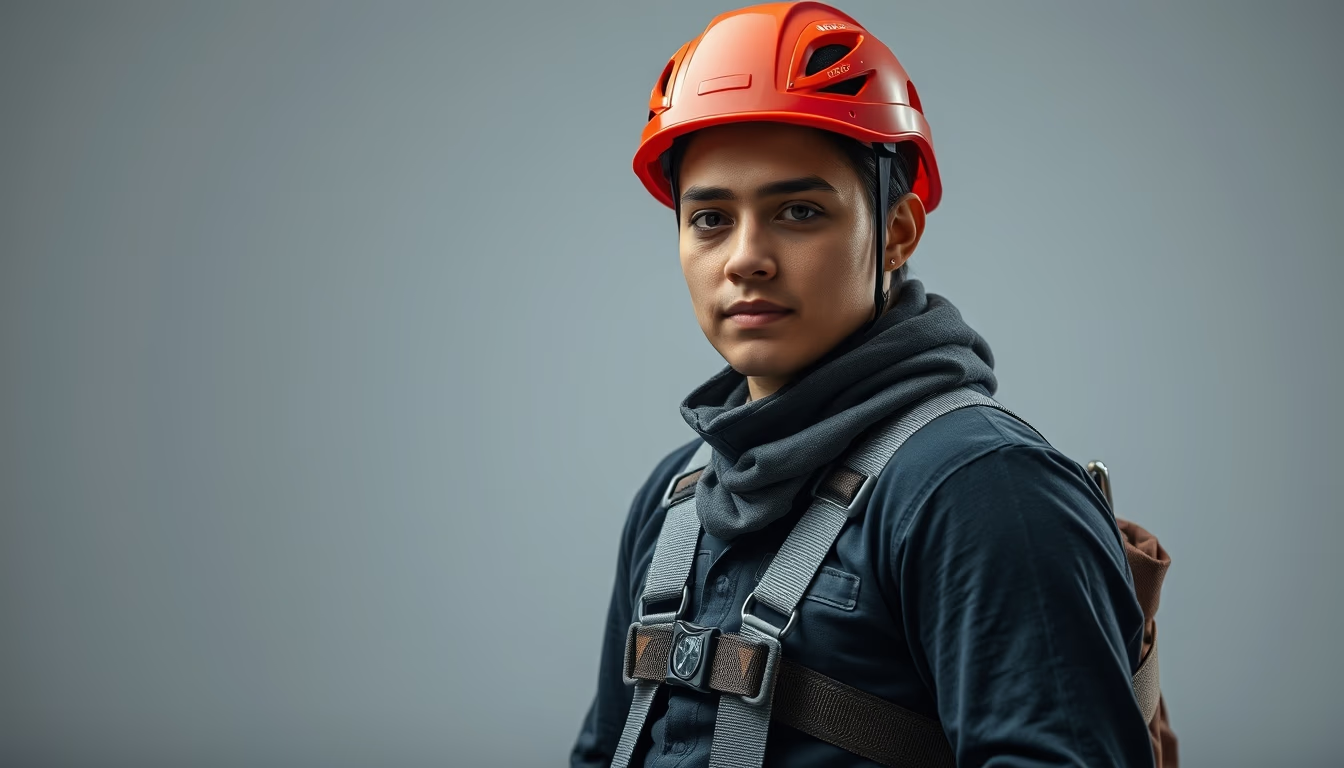
A rock climbing harness is an essential safety device made of webbing and buckles that distributes the climber's weight during the sport.
About this subject
A rock climbing harness is a critical piece of safety equipment designed to connect the climber to the rope and distribute the force of a fall safely across the body. It consists of webbing (nylon or polyester) stitched together, adjustable buckles, and connection points (usually a waist loop and a central tie-in point). Its primary purpose is to absorb impact and prevent injury during a fall.
Two main types exist: the sit harness, most common in sport and traditional climbing, and the full-body harness, used for children, introductory courses, or situations requiring a higher center of gravity, such as rescue operations. The sit harness features adjustable leg loops and gear loops for carrying equipment.
Materials have evolved significantly. Today, high-tenacity nylon webbing, polyester, and sometimes Dyneema are used, offering lightness and durability. Harnesses must comply with international standards such as UIAA and EN 12277, ensuring static and dynamic strength testing. Regular inspection before each use is vital to check for wear, cuts, or damage to stitching.
Historically, early climbers improvised harnesses by tying ropes around the waist, which was extremely dangerous. In the 1960s, the first sewn harnesses appeared, and subsequent decades brought innovations like quick-release buckles and ergonomic designs. Today, the harness is indispensable across all climbing disciplines from rock to ice and via ferrata, symbolizing both comfort and safety.
Frequently Asked Questions
How do I choose the correct size for a climbing harness?
The harness should fit snugly around the waist above the hip bones, and the leg loops should be tight but not restrictive. Try different brands as sizing varies, and always consult the manufacturer's size chart.
What is the lifespan of a climbing harness?
Most manufacturers recommend replacement every 5 to 10 years of regular use, or immediately after a severe fall. Exposure to sunlight, heat, and chemicals can accelerate wear.
Can I use a climbing harness for rappelling or other activities?
Yes, certified climbing harnesses are suitable for rappelling, via ferrata, and rope access work, as they can handle both dynamic and static loads. Ensure the model has appropriate attachment points.
Direct URL
https://pub-c7d6a6ea828543ac903a74a341ccb2e1.r2.dev/imagens/rock-climbing-harness-studio-editorial-portrait-p0.avifHow to credit
Include a visible link back to UtilizAí. Copy one of the snippets below:
<a href="https://xn--utiliza-eza.com/en/midia/imagens/rock-climbing-harness-studio-editorial-portrait-p0">Rock climbing harness</a> by <a href="https://xn--utiliza-eza.com">UtilizAí</a>, licensed under <a href="https://creativecommons.org/licenses/by/4.0/">CC BY 4.0</a>.
[Rock climbing harness](https://xn--utiliza-eza.com/en/midia/imagens/rock-climbing-harness-studio-editorial-portrait-p0) by [UtilizAí](https://xn--utiliza-eza.com), CC BY 4.0
License: CC-BY-4.0