Rock climbing harness
1344×768 · AVIF · CC BY 4.0
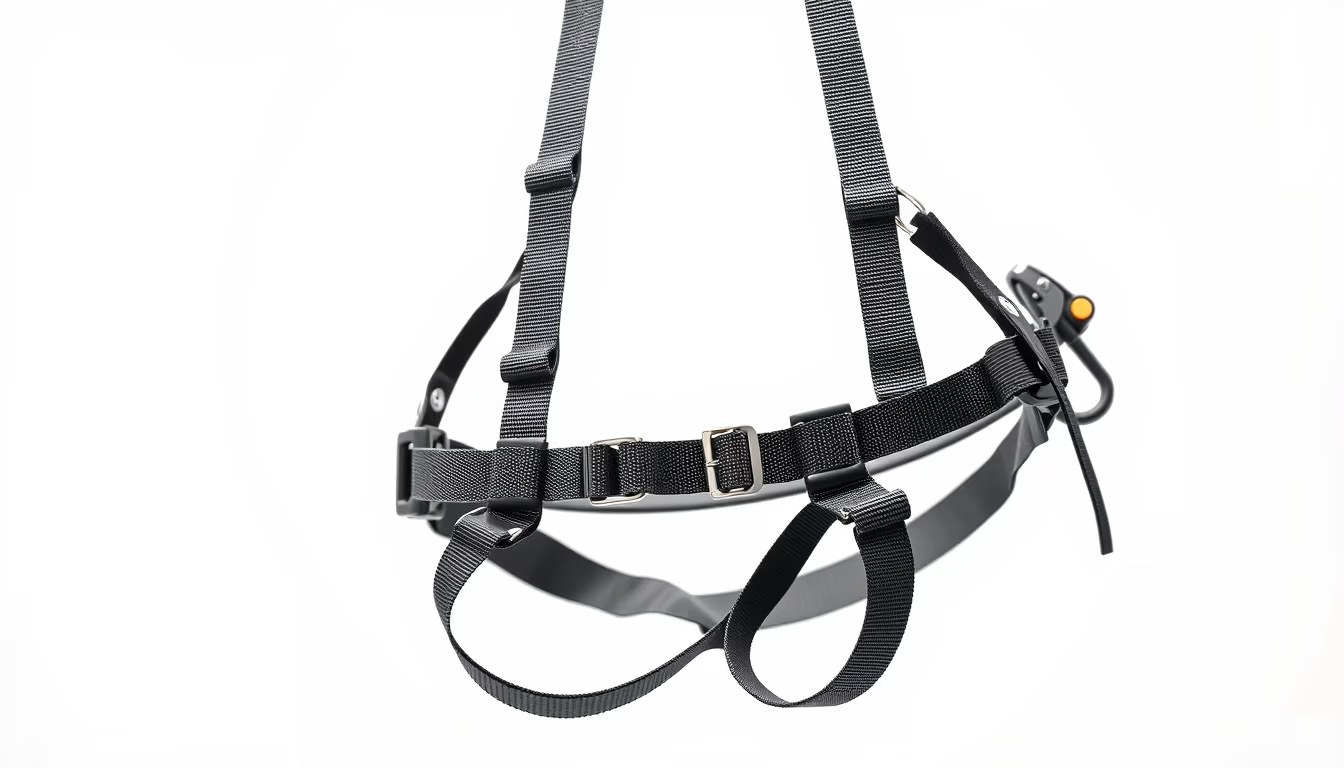
Rock climbing harness: essential safety equipment. Learn about types, materials, and certification standards for sport climbing.
About this subject
A rock climbing harness is one of the most critical safety devices for climbers. Its primary function is to distribute body weight during a fall and allow the climber to hang comfortably on the rope. Modern harnesses feature padded waist belts, adjustable leg loops, and gear loops for carabiners, typically made from anodized aluminum or steel. Common materials include nylon, polyester, and high-strength fibers like Dyneema, which offer lightweight durability.
Different types of harnesses cater to specific climbing disciplines. For sport and trad climbing, low-profile waist harnesses are preferred for better mobility. Ice climbing and mountaineering harnesses have more padding and additional gear attachment points. Big wall harnesses feature wider belts and extra haul loops. All must comply with international standards such as UIAA (International Climbing and Mountaineering Federation) and CE (European Conformity).
Proper fit is crucial: the harness should sit snugly above the hip bones, with leg loops tight but not restricting circulation. The central tie-in point (belay loop) is often reinforced with contrasting stitching to indicate wear. Harnesses have a lifespan of 5 to 10 years with regular use, but should be inspected before each climb for cuts, fraying, or UV damage. Storing in a dry place away from chemicals prolongs their durability.
Frequently Asked Questions
What is the difference between a sport climbing harness and a mountaineering harness?
A sport climbing harness has more fitted leg loops and waist belt, prioritizing mobility and lightness. A mountaineering harness has more padding and gear attachment points, and is compatible with thick clothing layers.
How do I know when to replace my climbing harness?
Check for cuts, fraying, UV discoloration, or deformed buckles. Also inspect the belay loop stitching; if worn or loose, replace immediately. After a severe fall (fall factor >1), the harness should be retired.
Is UIAA certification necessary for climbing harnesses?
Yes, UIAA or CE certification is essential. It ensures the equipment has passed rigorous strength and safety tests, such as a minimum breaking strength of 15 kN at the tie-in point.
Direct URL
https://pub-c7d6a6ea828543ac903a74a341ccb2e1.r2.dev/imagens/rock-climbing-harness-commercial-product-photography-p6.avifHow to credit
Include a visible link back to UtilizAí. Copy one of the snippets below:
<a href="https://xn--utiliza-eza.com/en/midia/imagens/rock-climbing-harness-commercial-product-photography-p6">Rock climbing harness</a> by <a href="https://xn--utiliza-eza.com">UtilizAí</a>, licensed under <a href="https://creativecommons.org/licenses/by/4.0/">CC BY 4.0</a>.
[Rock climbing harness](https://xn--utiliza-eza.com/en/midia/imagens/rock-climbing-harness-commercial-product-photography-p6) by [UtilizAí](https://xn--utiliza-eza.com), CC BY 4.0
License: CC-BY-4.0