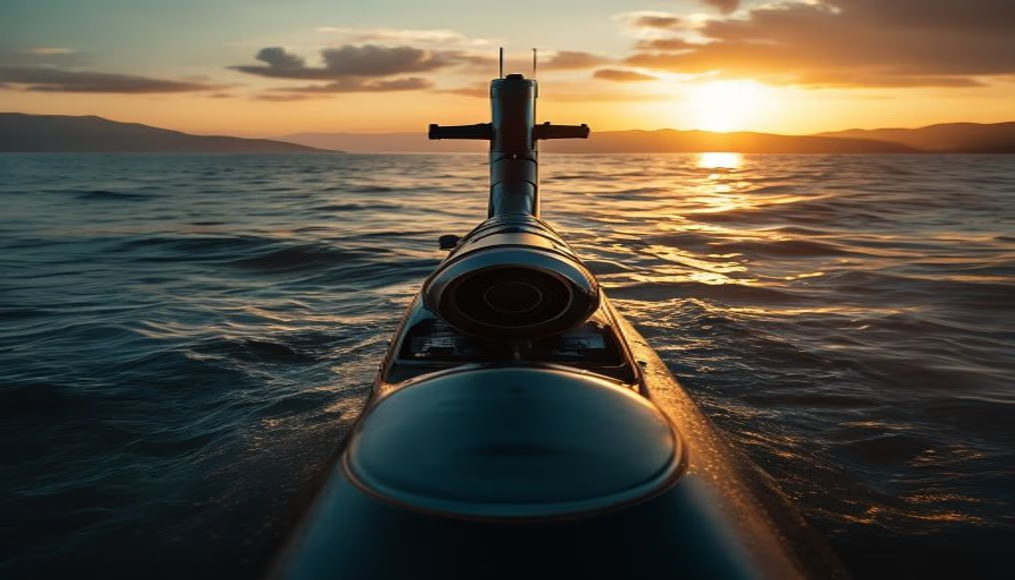
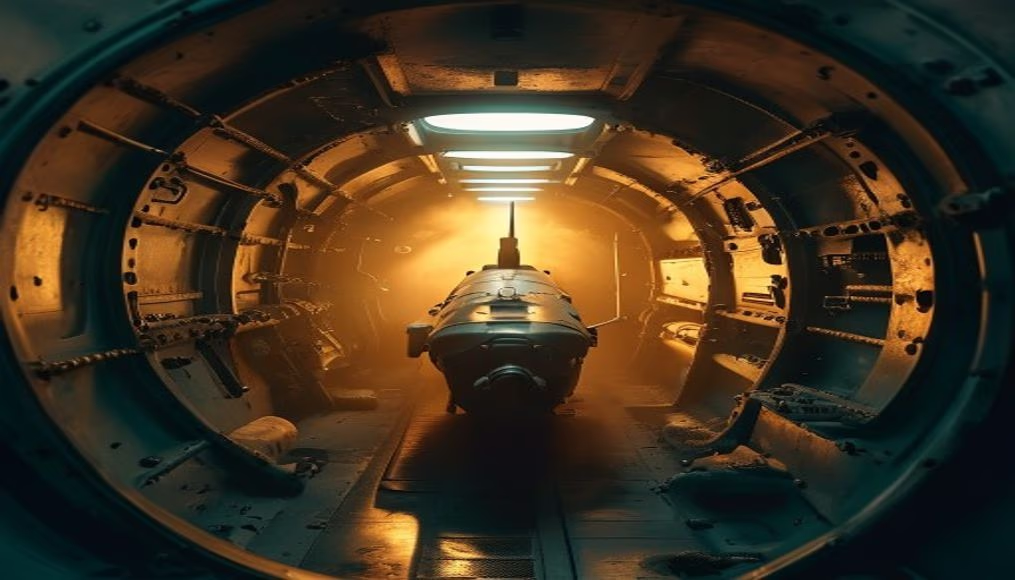
Research vessel ocean
1344×768 · AVIF · CC BY 4.0
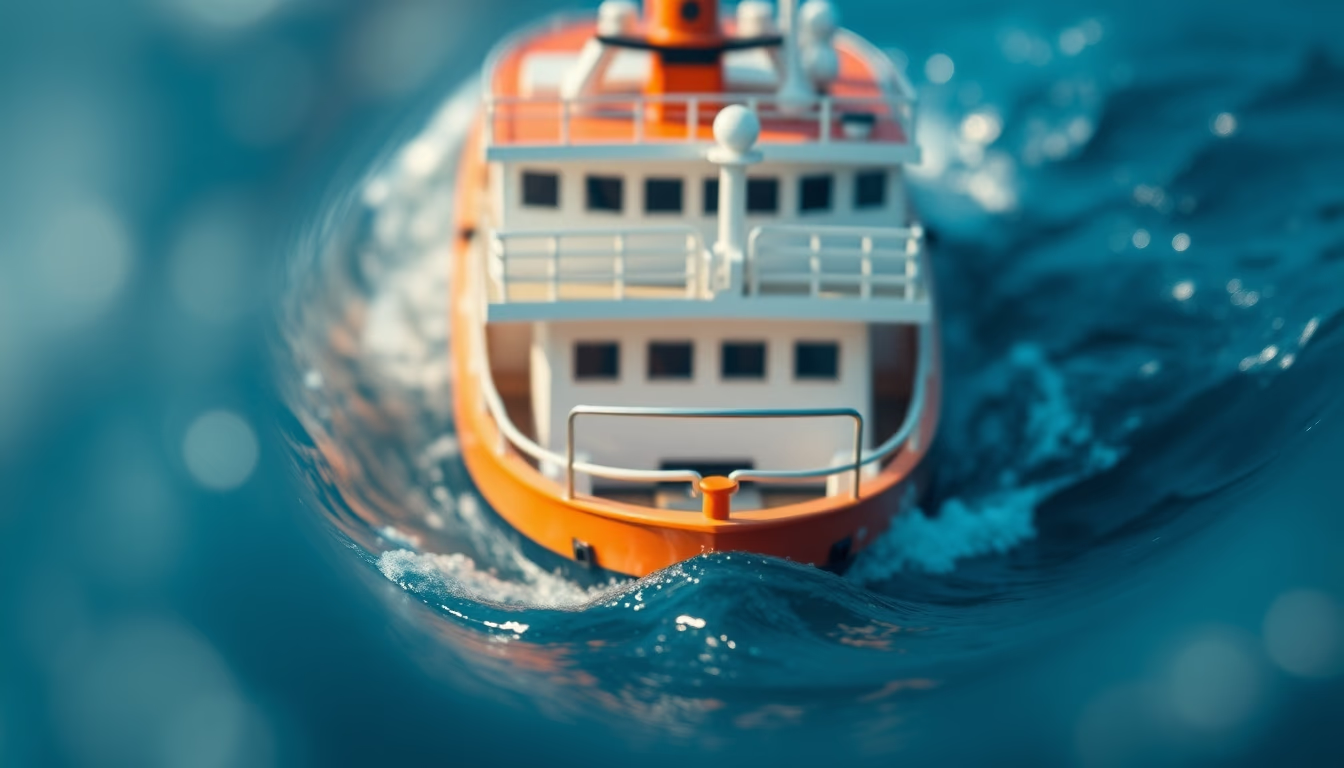
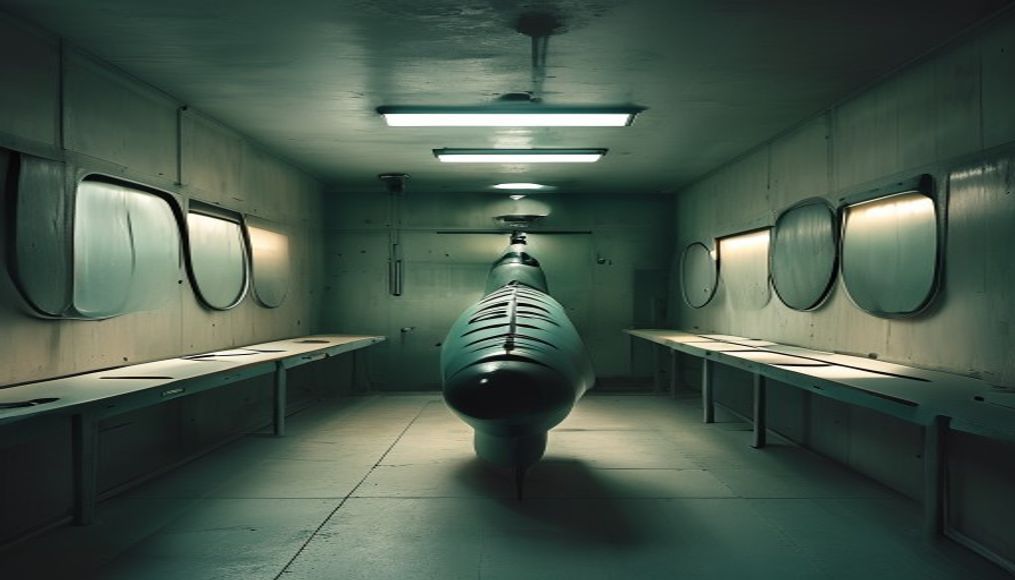
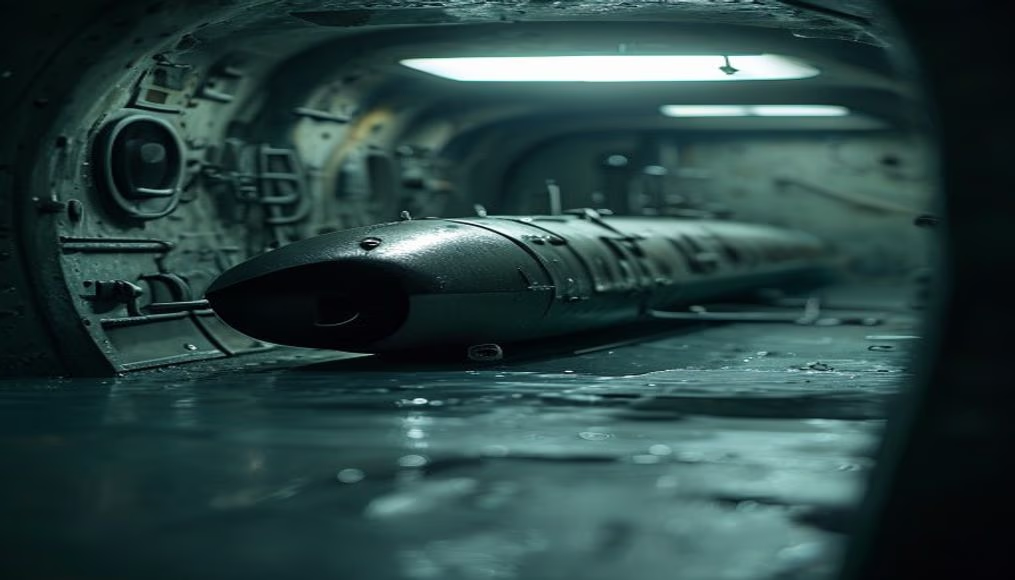
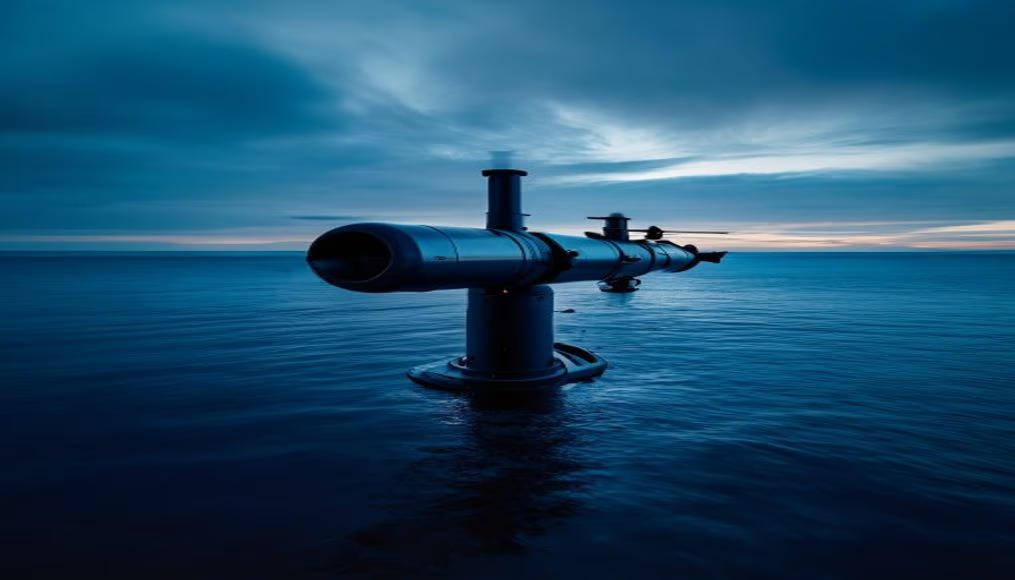
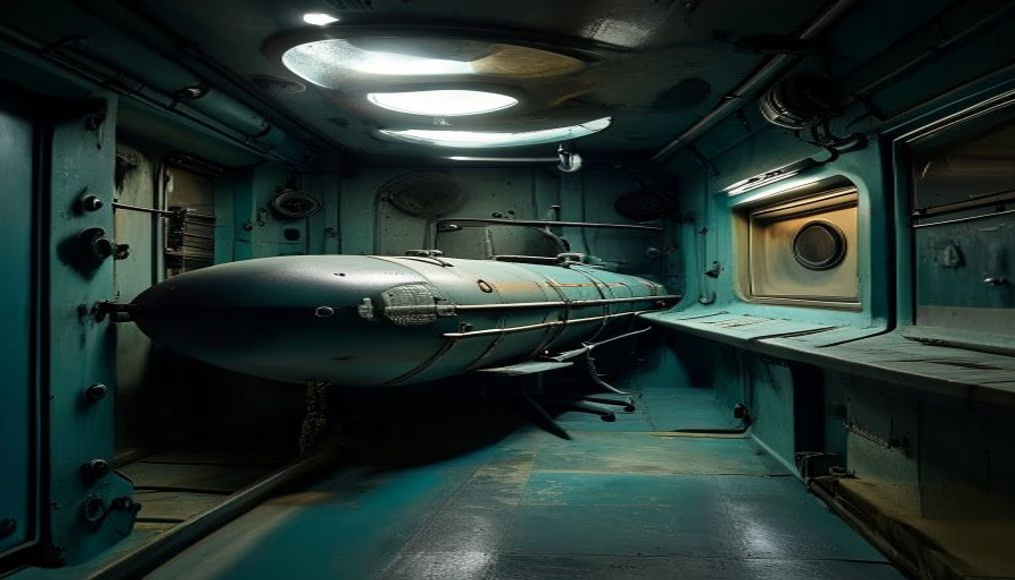
Ocean research vessels are floating laboratories essential for exploring and understanding the seas.
About this subject
Ocean research vessels, also known as oceanographic ships, are specially designed platforms for conducting scientific studies at sea. They serve as mobile laboratories housing equipment, data collection systems, and technical crew, enabling research in marine biology, geology, chemistry, and climatology. The history of these vessels dates back to the 19th century, with expeditions like the HMS Challenger (1872-1876), which conducted the first major global ocean survey, collecting samples from previously unreachable depths and laying the foundation for modern oceanography.
Today's research vessels feature advanced technology such as side-scan sonar, remotely operated vehicles (ROVs), sediment coring winches, and continuous measurement systems for physical and chemical parameters. Notable examples include the R/V Atlantis, operated by Woods Hole Oceanographic Institution, which deploys the submersible Alvin, and the RRS Sir David Attenborough, built for polar research by the British Antarctic Survey. These ships spend months at sea, often in extreme conditions, contributing to discoveries like hydrothermal vents, deep-sea ecosystems, and ocean circulation patterns.
Beyond basic research, oceanographic vessels play a critical role in climate monitoring. Data collected by these ships feed weather and climate models, measuring temperature, salinity, currents, and greenhouse gases. The global fleet is coordinated by organizations such as UNESCO and the World Climate Research Programme. Brazil also operates vessels like the NHo Cruzeiro do Sul and NPq Ho Áries, conducting research along the Brazilian coast and in the South Atlantic, supporting studies on biodiversity and environmental impacts.
Frequently Asked Questions
How do ocean research vessels collect samples?
They use winches to lower equipment such as plankton nets, water samplers (Niskin bottles), and bottom dredges. For sediments, gravity or piston corers are employed. Underwater vehicles like ROVs collect biological and geological samples at great depths.
What was the significance of the HMS Challenger expedition?
The HMS Challenger conducted the first global oceanographic survey (1872-1876), traveling 79,000 nautical miles. The expedition collected thousands of samples, identified 4,700 new marine species, and mapped the first deep ocean basins, establishing oceanography as a science.
What are the largest research vessels in the world?
One of the largest is the RRS Sir David Attenborough, from the UK, at 129 meters long with icebreaking capability. Another is the RV Neil Armstrong, from Woods Hole, at 72 meters. The Brazilian NPq Ho Áries is 55 meters and operates off Brazil's coast.
Direct URL
https://pub-c7d6a6ea828543ac903a74a341ccb2e1.r2.dev/imagens/research-vessel-ocean-macro-closeup-p7.avifHow to credit
Include a visible link back to UtilizAí. Copy one of the snippets below:
<a href="https://xn--utiliza-eza.com/en/midia/imagens/research-vessel-ocean-macro-closeup-p7">Research vessel ocean</a> by <a href="https://xn--utiliza-eza.com">UtilizAí</a>, licensed under <a href="https://creativecommons.org/licenses/by/4.0/">CC BY 4.0</a>.
[Research vessel ocean](https://xn--utiliza-eza.com/en/midia/imagens/research-vessel-ocean-macro-closeup-p7) by [UtilizAí](https://xn--utiliza-eza.com), CC BY 4.0
License: CC-BY-4.0